₹100 crore lawsuit incoming? Madan Lal blames Virat Kohli, RCB, BCCI for Bengaluru stampede
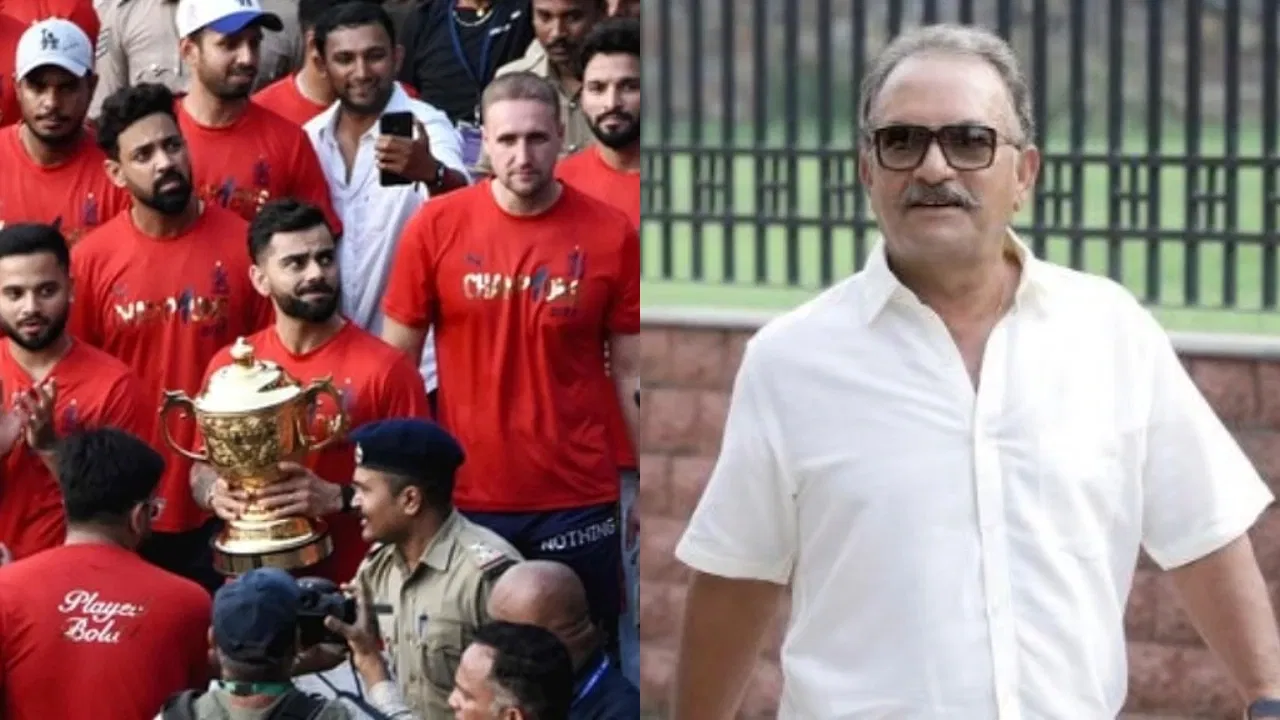
Former Cricketer Madan Lal Criticizes RCB, KSCA, and BCCI Over Tragedy During IPL Celebration
After the recent IPL victory of Royal Challengers Bengaluru (RCB) turned into a devastating tragedy, former Indian cricketer Madan Lal has come forward with scathing criticism towards Virat Kohli, the franchise, and the cricket board. The celebration at Bengaluru’s M. Chinnaswamy Stadium took a tragic turn when a deadly stampede occurred, resulting in the loss of 11 lives and numerous injuries.
Tragedy Strikes During Felicitation Event
Following their maiden IPL trophy win on June 3 in Ahmedabad, the Karnataka State Cricket Association (KSCA) organized a grand felicitation ceremony in Bengaluru, which was meant to be a joyous occasion for fans. However, the lack of proper crowd control measures led to a chaotic and ultimately tragic situation outside the stadium.
With no solid crowd management in place, the situation spiraled out of control, prompting police to resort to lathi-charge tactics to manage the overwhelming crowd. The panic that ensued resulted in a deadly stampede where innocent fans lost their lives, and many others had to be rushed to hospitals for urgent treatment.
Madan Lal’s Outrage and Calls for Accountability
Madan Lal did not mince words when expressing his outrage over the tragic events. He criticized RCB, KSCA, and even the Board of Control for Cricket in India (BCCI) for what he deemed as a gross oversight and negligence. Lal went as far as suggesting that the families of the victims should consider legal action against RCB and the Karnataka government, seeking a compensation of INR 100 crore.
Expressing his dismay, Madan Lal stated, “People will not forget this or Virat Kohli. While people were dying outside, there was a celebration inside. It’s truly shocking and disheartening. The families of the dead should consider suing RCB and the state government for ₹100 crore for this tragic mishap… BCCI is also shirking responsibility.”
Questions Raised Over Celebration Timing
In the aftermath of the tragedy, Madan Lal questioned the hasty decision to organize a grand event in Bengaluru immediately after the team’s celebration in Ahmedabad. He emphasized that the lack of crowd control measures and the rush to hold another event were irresponsible and ultimately led to the loss of lives.
While the Karnataka Chief Minister announced compensation for the families of the deceased, Deputy CM D.K. Shivakumar defended the security arrangements, citing the deployment of 5,000 police personnel to manage the crowd without resorting to force.
As the cricketing community grapples with the aftermath of this tragic incident, the calls for accountability and improved safety measures are growing louder, with Madan Lal leading the charge in demanding justice for the victims and their families.
Lessons Learned from the Tragedy
The tragic events that unfolded during the IPL celebration in Bengaluru serve as a stark reminder of the importance of proper planning and crowd management during large-scale events. The incident highlighted the critical need for stringent safety protocols and crowd control measures to prevent such disasters from occurring in the future.
Event organizers, sports franchises, and authorities must prioritize the safety and well-being of spectators above all else, ensuring that adequate measures are in place to handle crowds effectively. This includes detailed risk assessments, crowd monitoring systems, emergency response plans, and proper communication strategies to manage unforeseen circumstances.
Impact on Fan Engagement and Trust
The tragic stampede at the IPL celebration has undoubtedly shaken the faith of cricket fans in the ability of sports organizations and authorities to ensure their safety. The incident may have a lasting impact on fan engagement, with attendees potentially hesitating to participate in future events due to concerns about their well-being.
Rebuilding trust and confidence among fans will be crucial for the cricketing community in the aftermath of this tragedy. Transparency, accountability, and proactive measures to enhance safety standards will be essential to reassure spectators and demonstrate a commitment to preventing similar incidents from occurring in the future.
Advocating for Change and Accountability
Madan Lal’s vocal criticism and calls for accountability following the tragedy underscore the need for individuals within the cricketing community to speak out against negligence and demand justice for the victims. His advocacy for legal action and compensation for the families of the deceased sheds light on the importance of holding responsible parties accountable for their actions.
By raising awareness about the shortcomings in safety protocols and event management, individuals like Madan Lal play a vital role in driving change and pushing for improvements in the industry. Their efforts can lead to reforms that prioritize the safety and well-being of fans, players, and staff at all levels of cricketing events.
Looking Towards a Safer Future
As the cricketing world reflects on the tragic events that unfolded during the IPL celebration, there is a collective responsibility to learn from the mistakes of the past and implement robust safety measures going forward. This includes reevaluating event planning processes, enhancing crowd control techniques, and fostering a culture of safety and preparedness within the sports industry.
By prioritizing safety, accountability, and transparency, stakeholders in the cricketing community can work together to create a safer and more secure environment for all individuals involved in the sport. Through proactive measures, continuous improvement, and a commitment to learning from past tragedies, the cricketing community can strive towards a future where incidents like the Bengaluru stampede are prevented, and the well-being of fans remains paramount.
Ultimately, the tragedy serves as a sobering reminder of the importance of safety and preparedness in the world of sports, prompting a collective effort to ensure that such incidents are never repeated.
Latest News
“I’m not coming down” – Jason Gillespie refuses ‘Stupid’ PSL welcome video
Spencer Johnson ditches MS Dhoni’s CSK, set for delayed IPL 2026 arrival

PSL 2026: Full list of players who have withdrawn from the tournament
“He wants Rohit Sharma”: Ex-DC coach drops IPL ‘winning formula’ for MI and Hardik Pandya
“He is a prisoner…”: Ex-KKR cricketer’s massive comment on Rishabh Pant
“He’ll captain now”: Ex-RCB batter drops bombshell on Mumbai Indians’ captaincy change before IPL 2026
“KL Rahul is a classy player I’m fascinated by…” – Ian Bell ahead of IPL 2026
New Zealand’s Nick Kelly takes unbelievable catch vs SA in 5th T20I (Watch Video)
‘Making Indian team is easier than IPL team’: Sourav Ganguly on Mitchell Starc uncertainty
Shakib Al Hasan’s Bangladesh comeback on cards with 2-year plan in place
Jonny Bairstow blasts Brendon McCullum, Ben Stokes over Mark Wood’s injury struggles
“Winning prize is great”: Axar Patel praises Jay Shah, highlights BCCI’s financial support
‘IPL teams might start cancelling young English players’: Aakash Chopra on Ben Duckett controversy
Virat Kohli takes up new role for RCB ahead of IPL 2026