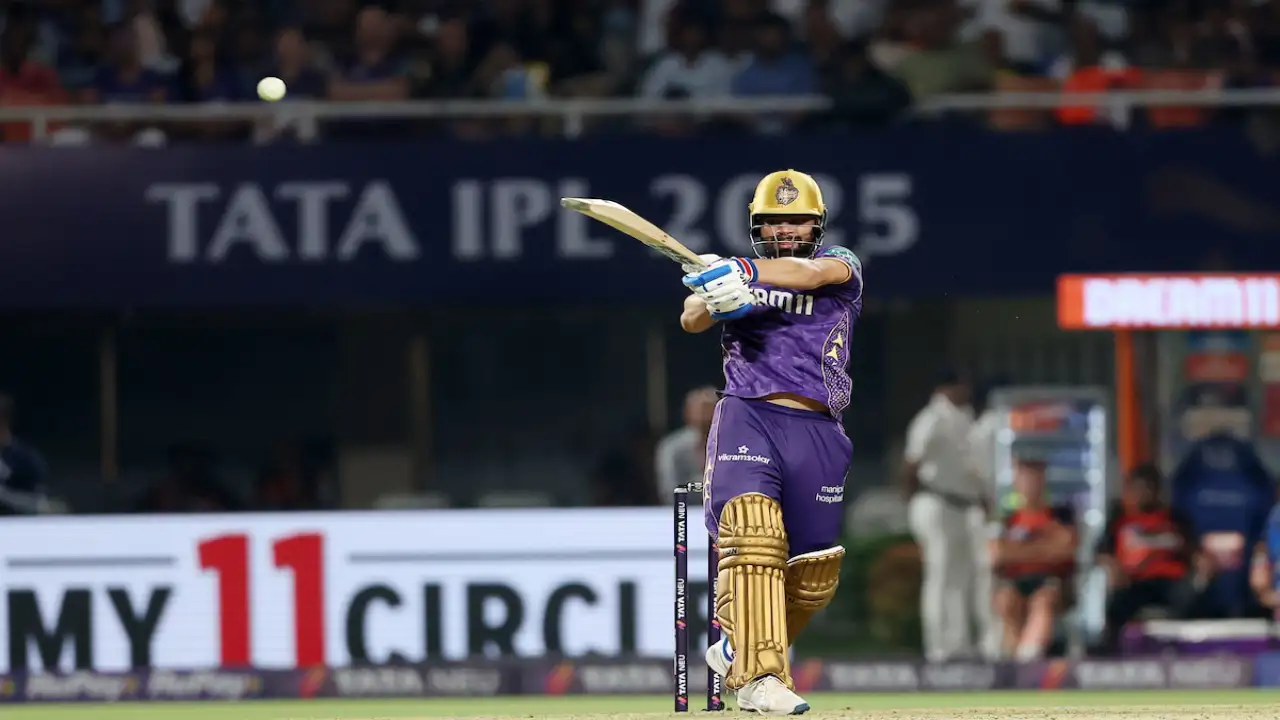
“0.5% could change everything” – Paul Van Meekeren reacts to RCB sale, urges IPL owners to support Netherlands
The Billion-Dollar Sale of Royal Challengers Bengaluru Spotlights Financial Disparities in Cricket
The recent sale of Royal Challengers Bengaluru (RCB) for a staggering $1.78 billion has reignited conversations about the financial inequalities within global cricket. This blockbuster deal, which saw United Spirits Limited selling the franchise to a consortium including the Aditya Birla Group and the Times of India Group, has garnered attention from players and fans alike.
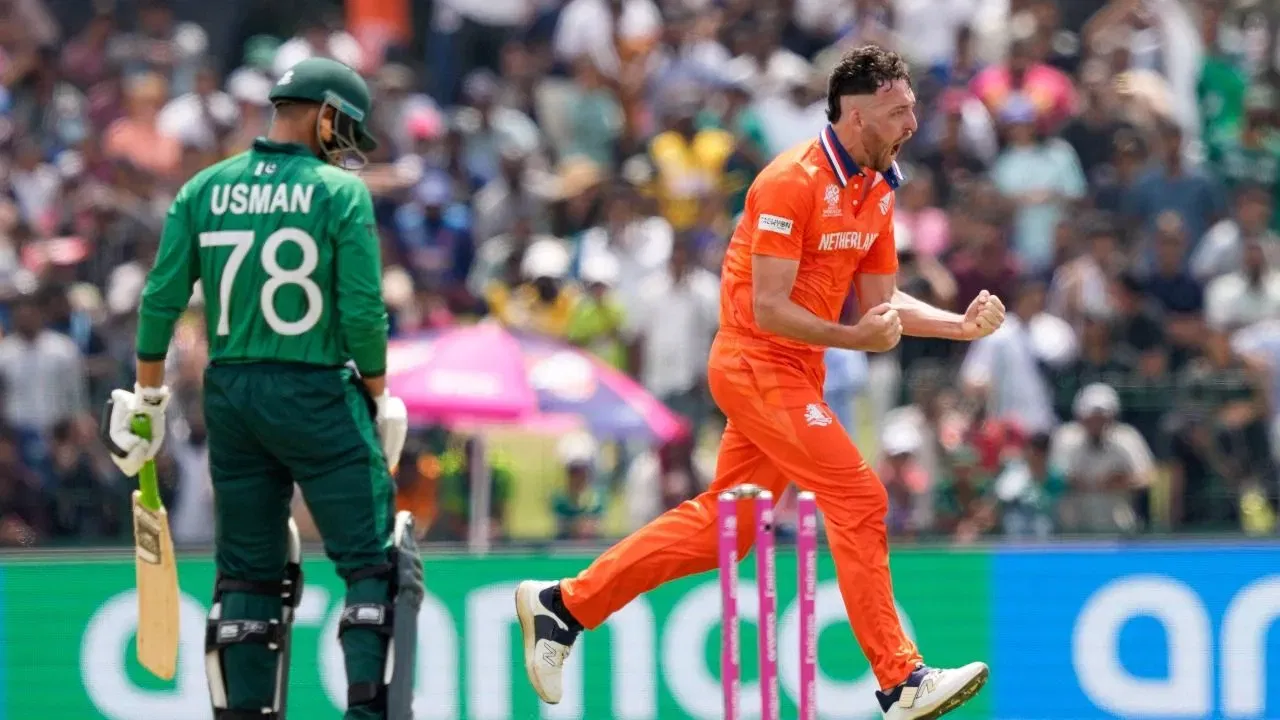
Paul van Meekeren Advocates for Associate Nations
Netherlands cricketer Paul van Meekeren, a vocal supporter of associate nations, took to social media to urge the new owners of RCB to consider supporting countries like the Netherlands. Van Meekeren proposed that even a small percentage of the franchise’s valuation could go a long way in bridging the gap between full-member teams and associate nations.
“If only they could give 0.5% to @KNCBcricket we could close the gap to full members and make the sport so much more global,” Van Meekeren tweeted.
New Leadership at RCB
With the ownership transfer, Aditya Birla Group director Aryaman Vikram Birla is set to take on the role of chairman at RCB, while Times Group representative Satyan Gajwani will serve as the vice-chairman. This new leadership structure aims to guide both the men’s and women’s teams through a new era of corporate ownership.
Associate Nations Push for More Opportunities
The call for support for associate nations comes on the heels of the T20 World Cup 2026, where teams like the Netherlands showcased their competitiveness against established cricketing nations. Players like Van Meekeren, along with Oman captain Jatinder Singh and Netherlands skipper Scott Edwards, are advocating for more regular matches and opportunities for associate nations to prove their worth on the global stage.
IPL’s Financial Power on Display
The sale of RCB and other IPL franchises for billions of dollars underscores the league’s growing financial prowess. United Spirits Limited’s decision to divest its stake in RCB was part of a broader strategy to capitalize on the increasing valuations of IPL teams.
Investment bank Houlihan Lokey recently valued the IPL at $18.5 billion, with strong team revenues and lucrative broadcasting deals driving its commercial success. The billion-dollar transactions involving RCB and Rajasthan Royals reflect the league’s expanding global appeal and financial strength heading into the 2026 season.
As cricket continues to evolve as a global sport, conversations around financial equity and opportunities for associate nations are becoming increasingly prevalent. The sale of RCB is just one example of the shifting landscape of cricket’s commercial interests and the growing importance of supporting teams across all levels of the sport.
The Impact of the Billion-Dollar Sale on the Global Cricket Landscape
The sale of Royal Challengers Bengaluru for $1.78 billion has significant implications for the global cricketing ecosystem. It not only highlights the financial prowess of the Indian Premier League (IPL) but also underscores the disparities between top-tier and associate nations in terms of resources and opportunities.
Rising Commercialization in Cricket
With the IPL being valued at $18.5 billion by investment bank Houlihan Lokey, it is evident that cricket has become a lucrative business. The billion-dollar transactions involving IPL franchises like RCB emphasize the commercialization of the sport and the increasing interest from investors looking to capitalize on cricket’s popularity.
Bridging the Gap Between Full Members and Associate Nations
Paul van Meekeren’s call for support for associate nations like the Netherlands sheds light on the need for greater inclusivity in cricket. By allocating a percentage of the franchise’s valuation to teams outside the traditional cricketing powerhouses, there is an opportunity to level the playing field and promote the growth of the sport on a global scale.
Expanding Opportunities for Associate Nations
As the T20 World Cup 2026 showcased the competitive spirit of teams like the Netherlands and Oman, there is a growing demand for more regular fixtures and platforms for associate nations to showcase their talent. Providing these teams with opportunities to compete against established cricketing nations not only enhances the diversity of the sport but also fosters a sense of inclusivity and growth.
The Role of Corporate Ownership in Cricket
With the Aditya Birla Group and the Times of India Group taking over RCB, there is a shift towards corporate ownership in cricket. This new leadership structure brings a blend of business acumen and strategic vision to the franchise, signaling a new era of professionalism and corporate governance in cricket.
Embracing a Global Outlook in Cricket
As cricket evolves into a global sport, it is essential to embrace a more inclusive and diverse approach that accommodates teams from all corners of the world. The sale of RCB and the conversations surrounding financial equity serve as a reminder of the importance of fostering a balanced and inclusive cricketing ecosystem that benefits players, fans, and stakeholders alike.
In conclusion, the billion-dollar sale of Royal Challengers Bengaluru sheds light on the financial dynamics within cricket and the need for greater support and opportunities for associate nations. As the sport continues to grow in popularity and commercial value, it is crucial to ensure that all teams, regardless of their status, have the resources and platforms to thrive and contribute to the global cricketing community.
Latest News
‘Making Indian team is easier than IPL team’: Sourav Ganguly on Mitchell Starc uncertainty
Shakib Al Hasan’s Bangladesh comeback on cards with 2-year plan in place
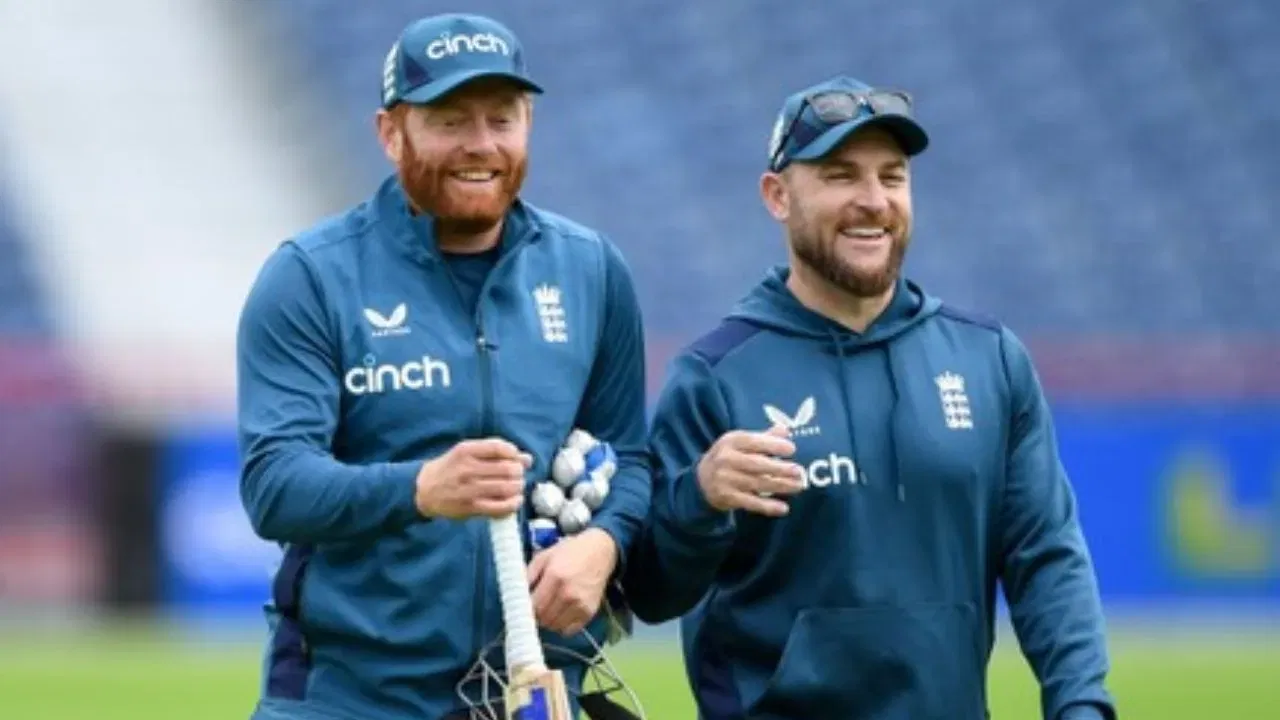
Jonny Bairstow blasts Brendon McCullum, Ben Stokes over Mark Wood’s injury struggles
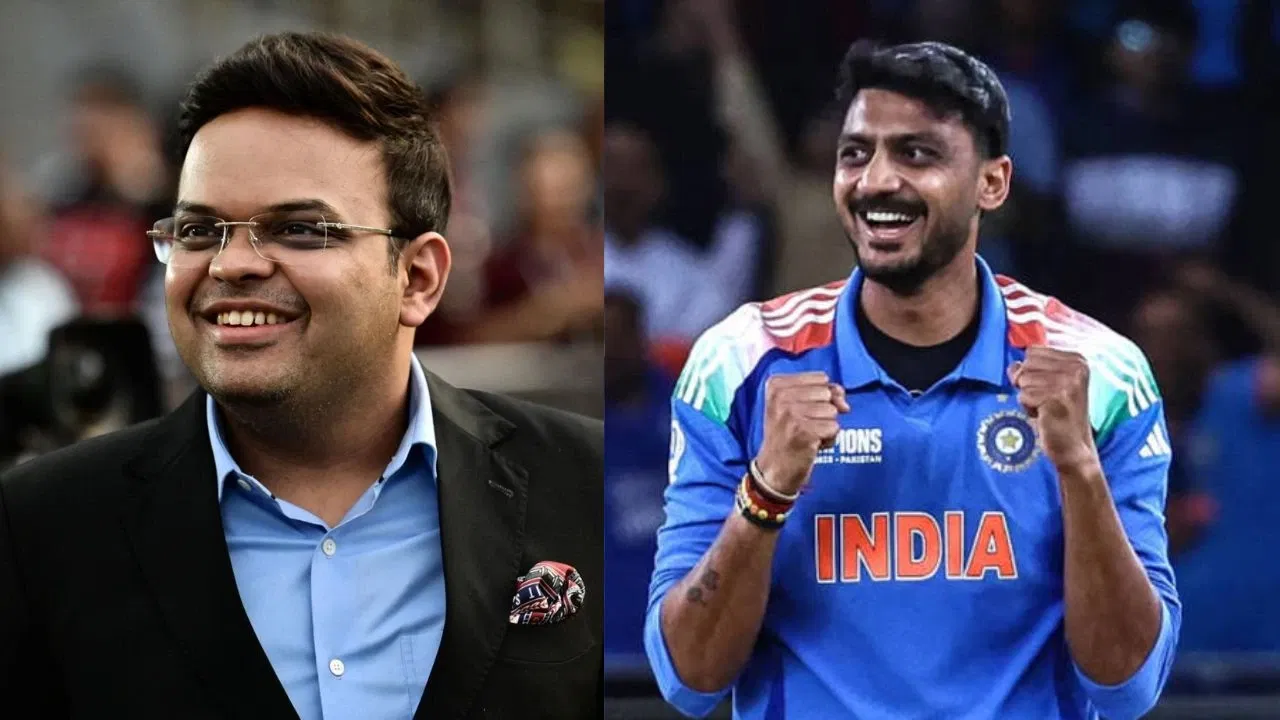
“Winning prize is great”: Axar Patel praises Jay Shah, highlights BCCI’s financial support
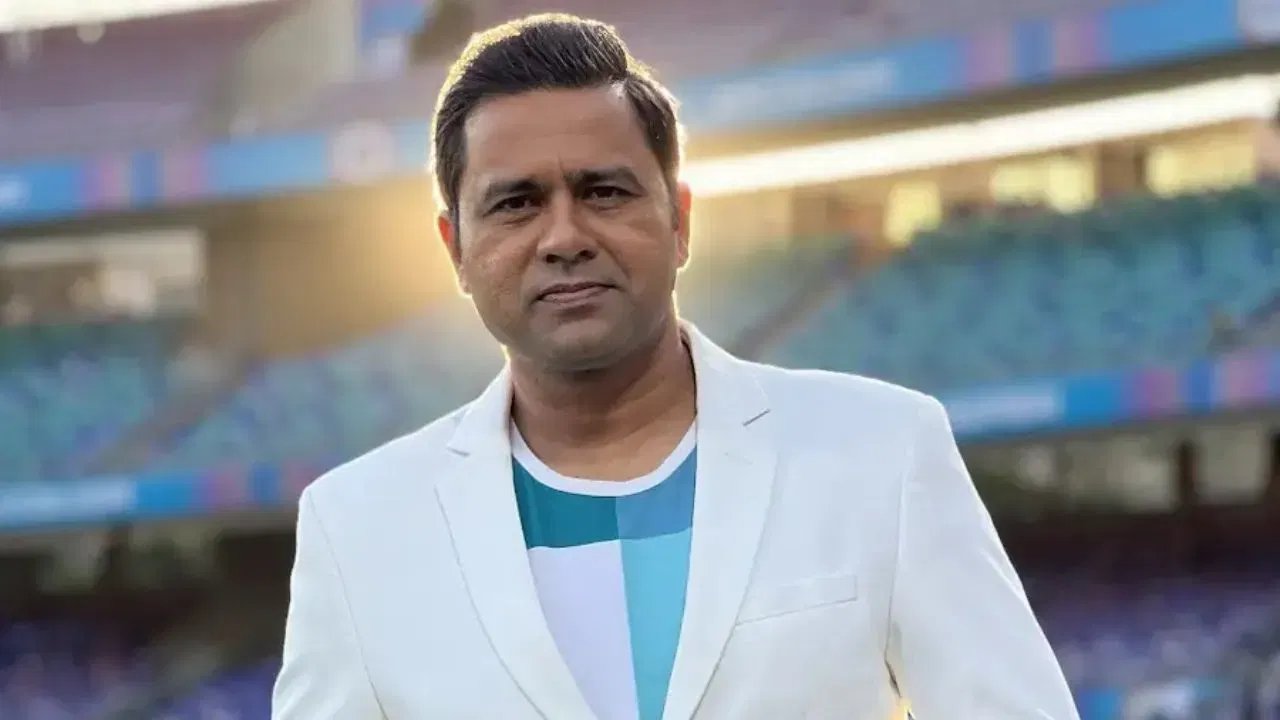
‘IPL teams might start cancelling young English players’: Aakash Chopra on Ben Duckett controversy

Virat Kohli takes up new role for RCB ahead of IPL 2026
“0.5% could change everything” – Paul Van Meekeren reacts to RCB sale, urges IPL owners to support Netherlands
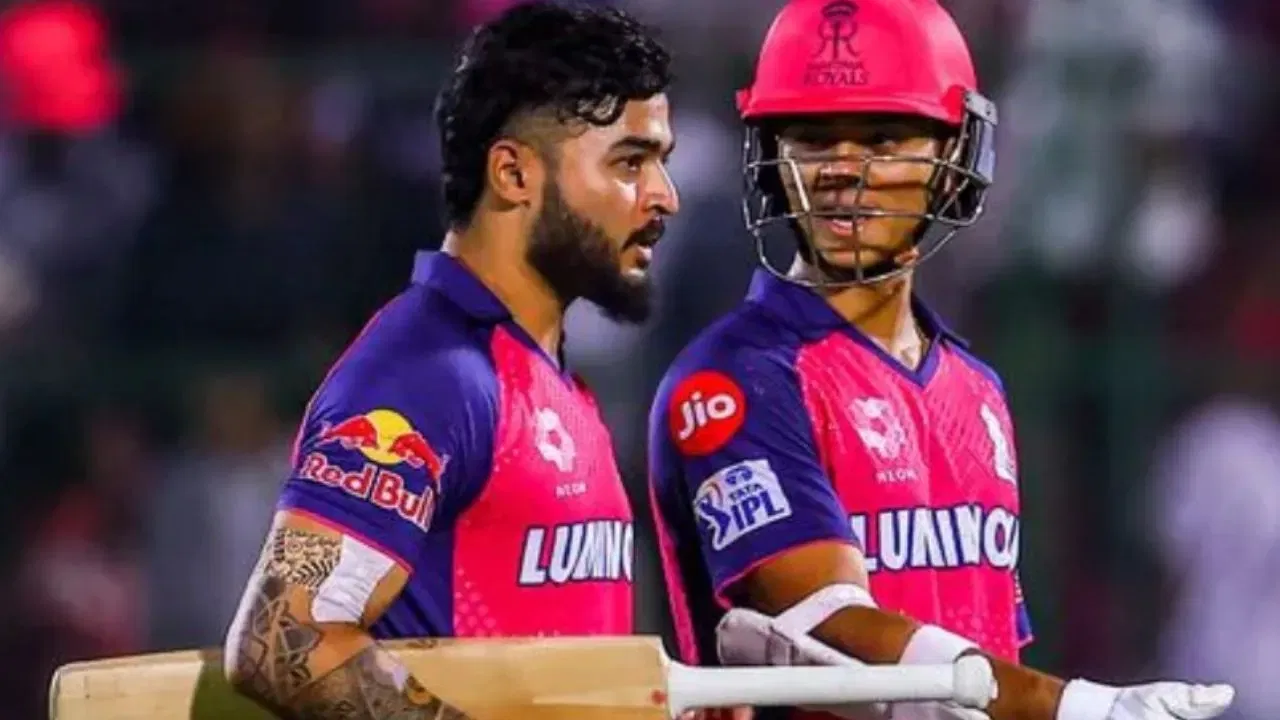
New Rajasthan Royals owners want Yashasvi Jaiswal as captain over Riyan Parag? Here’s the truth
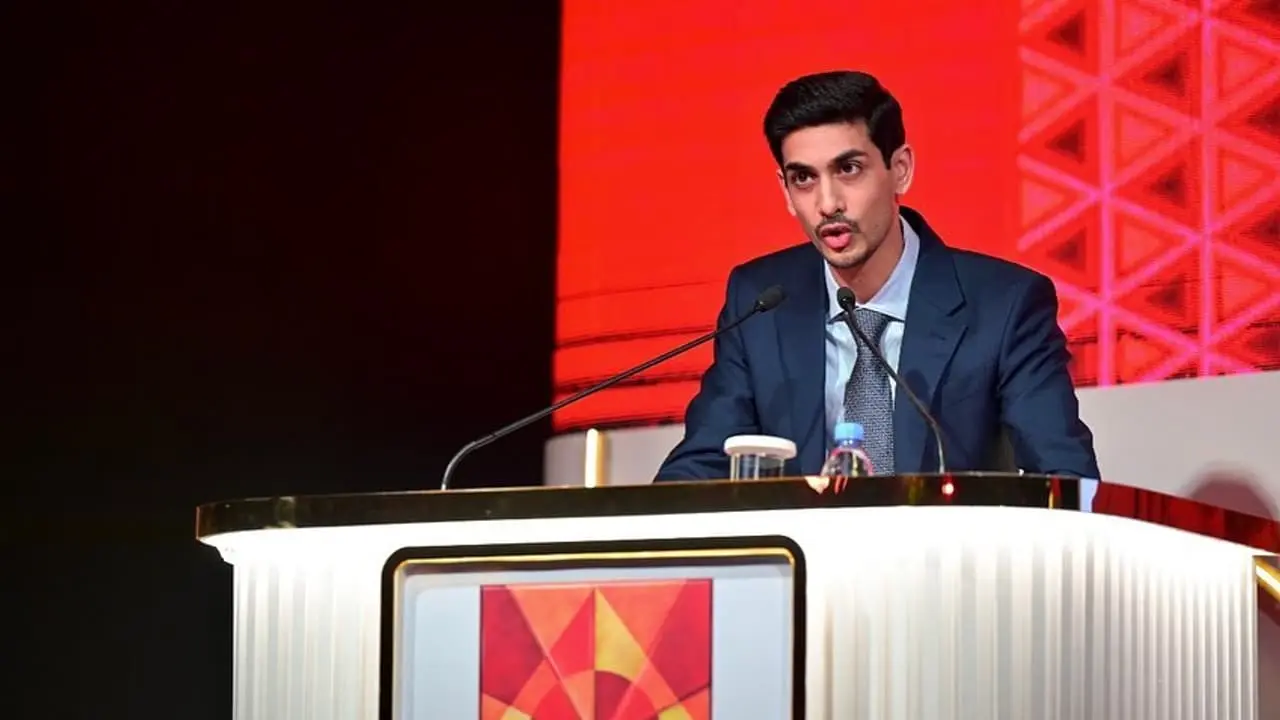
Who is Aryaman Birla? From Rajasthan Royals player to RCB chairman in blockbuster deal
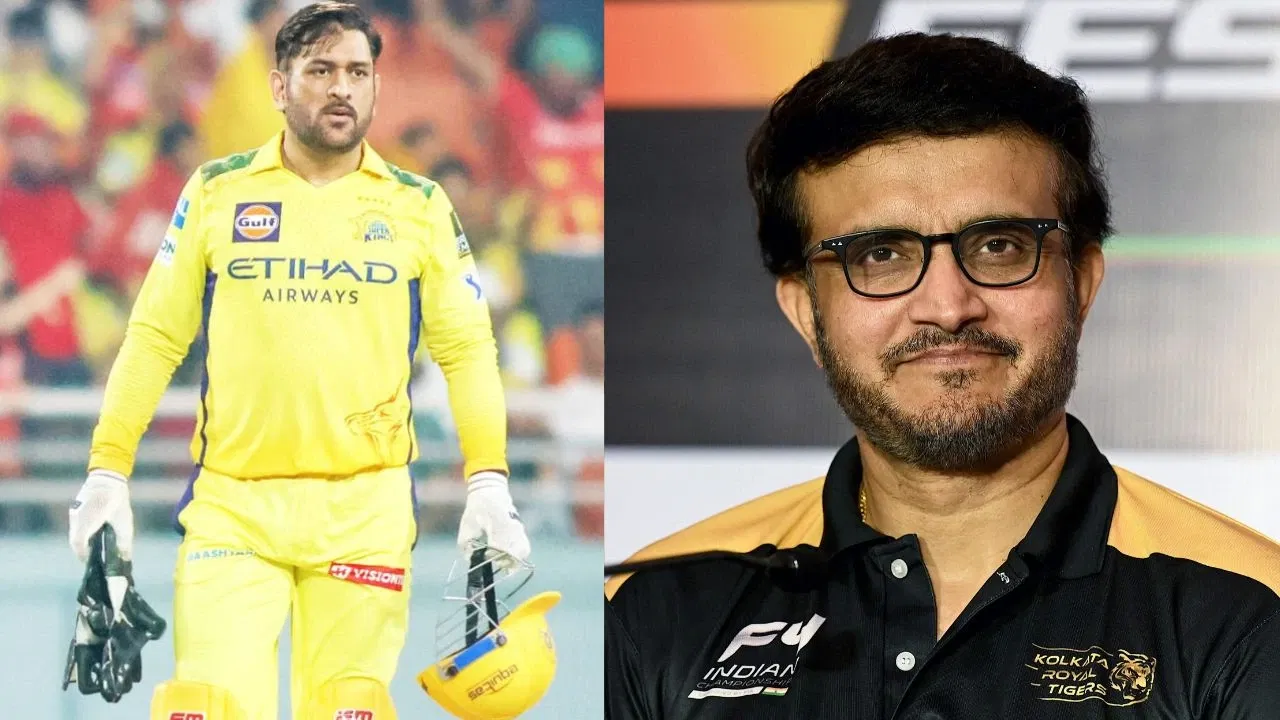
“I will tell MS Dhoni what to do”: Sourav Ganguly on retirement talks
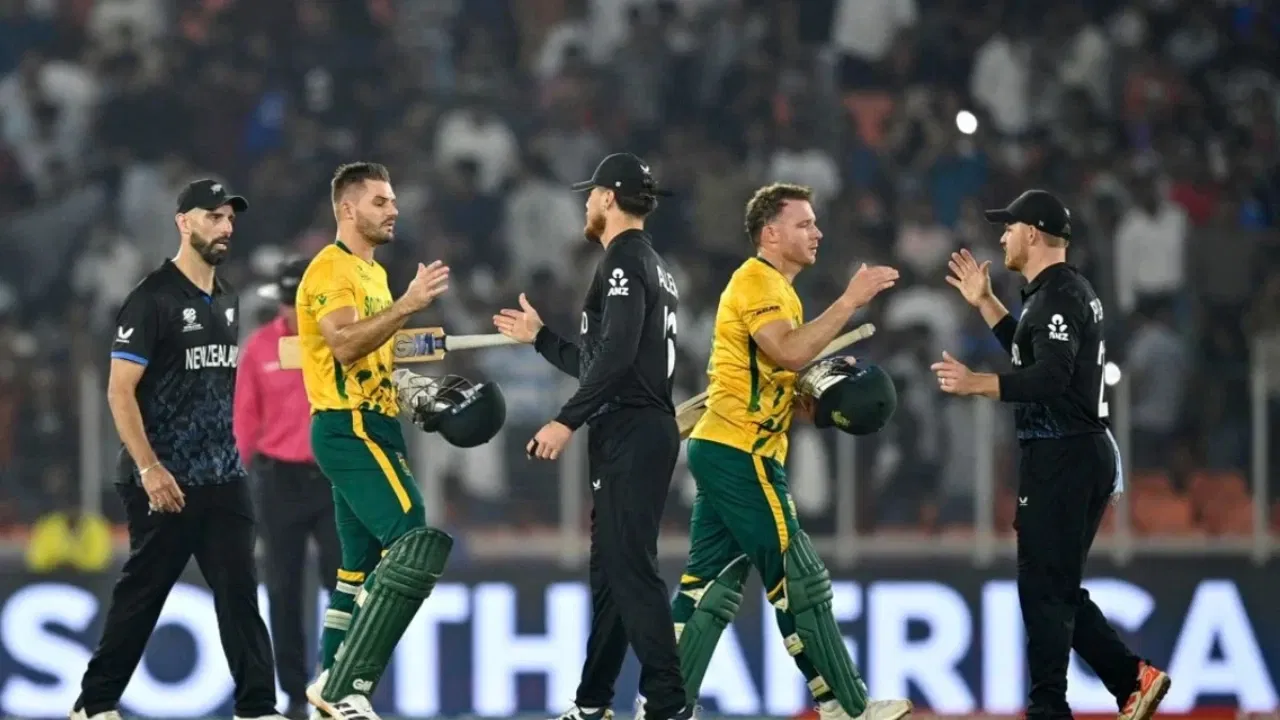
Ben Duckett opts out from IPL 2026, set to face ban
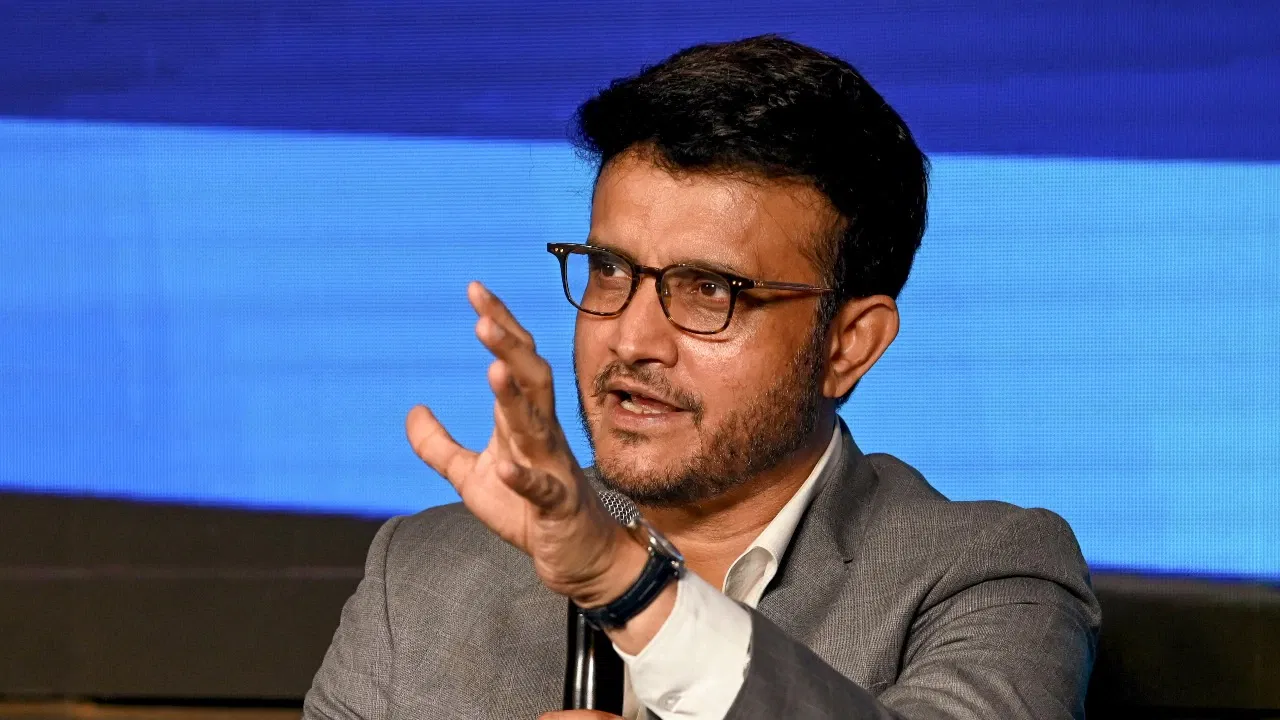
“Players will prevail”: Sourav Ganguly’s drops big verdict on ‘Impact Player’ rule ahead of IPL 2026
“Players will prevail”: Sourav Ganguly’s drops big verdict on ‘Impact Player’ rule ahead of IPL 2026
3 LSG players who could struggle in IPL 2026 – ft Rishabh Pant