16 Sri Lanka players quit Pakistan tour midway after terrorist attack, Mohsin Naqvi EMBARRASSED

Sri Lankan Players Abandon Pakistan Tour After Terror Attack
Following a devastating suicide bombing incident in Islamabad, a total of 16 Sri Lankan players have made the difficult decision to abandon their tour of Pakistan midway. This unexpected turn of events has left the Pakistan Cricket Board (PCB) and its chief, Mohsin Naqvi, in a state of embarrassment and dismay.
Escalating Tensions
The tragic suicide bombing took place near the Rawalpindi Cricket Stadium, where the two teams were scheduled to play the first ODI of a three-match series. Despite the harrowing attack, the match proceeded as planned, with Pakistan ultimately emerging victorious by a narrow margin of 6 runs.
After the match, Mohsin Naqvi personally met with the Sri Lankan players and team management to offer reassurance and guarantee enhanced security measures for the remainder of their tour. This incident has reignited fears stemming from the 2009 terrorist attack on the Sri Lankan team, which led to the suspension of international cricket in Pakistan for a decade.
Unexpected Departure
Reports began to surface indicating that the Sri Lankan players were hesitant to continue with the tour due to safety concerns. Despite efforts from both the PCB and Sri Lanka Cricket officials to alleviate their fears, the majority of the playing contingent opted to return home, disrupting the remaining schedule of the series.
In response to this unprecedented situation, Sri Lanka Cricket has announced plans to assemble a replacement team to fulfill the remaining fixtures of the tour in Pakistan. However, the board faces the challenge of convincing new players to embark on the tour given the recent security threats in the region.
Impact on International Cricket
The abrupt cancellation of the Sri Lankan tour has cast a shadow of uncertainty over the future of international cricket in Pakistan. This incident comes at a time when tensions between India and Pakistan have already strained diplomatic relations and sporting engagements.
Earlier conflicts between the two nations following terror attacks and cricket matches have further complicated the situation. The recent abandonment of the tour by the Sri Lankan team not only reflects poorly on the PCB but also underscores the challenges of hosting international cricket events in a volatile geopolitical landscape.
As stakeholders work to address the fallout from this unfortunate turn of events, the cricketing community remains hopeful for a resolution that prioritizes the safety and security of players and fans alike.
Security Concerns in International Cricket
The decision of the Sri Lankan players to abandon their tour of Pakistan highlights the ongoing security concerns that plague international cricket. In an era where sporting events are increasingly targeted by extremist groups, players and officials face the daunting task of balancing their passion for the game with the need for personal safety.
While cricket has the power to unite nations and bring joy to millions of fans worldwide, the specter of terrorism looms large over the sport. The 2009 attack on the Sri Lankan team bus in Lahore served as a stark reminder of the risks involved in hosting international matches in regions prone to political instability and violence.
Impact on Player Mental Health
The decision of the Sri Lankan players to cut short their tour of Pakistan also sheds light on the mental health challenges faced by athletes in high-pressure situations. The traumatic experience of being caught up in a terrorist attack can have lasting effects on players, both physically and emotionally.
It is crucial for sports organizations and governing bodies to prioritize the well-being of their athletes and provide support systems to help them cope with the aftermath of such traumatic events. The mental health of players should be a paramount concern, and steps must be taken to ensure that they feel safe and supported in their professional endeavors.
Geopolitical Implications in Cricket
The abandonment of the Sri Lankan tour has wider implications for the geopolitical landscape of cricket-playing nations. The strained relations between India and Pakistan, two cricketing powerhouses in the region, have often spilled over into the realm of sports, creating additional challenges for international cricketing events.
The recent incident serves as a stark reminder of the complex web of politics, security concerns, and historical tensions that impact the world of cricket. As cricket continues to serve as a cultural touchstone for nations across the globe, it is imperative for stakeholders to navigate these challenges with diplomacy and foresight.
Looking Ahead
As the cricketing community grapples with the fallout from the Sri Lankan team’s departure from Pakistan, there is an opportunity to reassess the security protocols and risk mitigation strategies in place for international matches. Collaborative efforts between cricket boards, government agencies, and security experts are essential to ensure the safety of players, officials, and spectators.
Moreover, the incident underscores the need for ongoing dialogue and cooperation between cricket-playing nations to address security concerns and promote a safe environment for the sport to thrive. While challenges persist, the resilience of the cricketing community and its commitment to overcoming obstacles bodes well for the future of the game.
Ultimately, the events surrounding the Sri Lankan players’ decision to abandon their tour of Pakistan serve as a sobering reminder of the fragility of international cricket in the face of security threats. By addressing these issues head-on and fostering a culture of solidarity and resilience, the cricketing world can emerge stronger and more united in its pursuit of excellence on and off the field.
Latest News
Watch: Tristan Stubbs vs Prince Yadav altercation video goes viral in IPL 2026
LSG take disgusting dig at KL Rahul, DC fire back with savage post as IPL 2026 heats up

Virat Kohli teases RCB teammate Romario Shepherd by imitating him in a hilarious fashion
Rassie van der Dussen announces retirement after South Africa contract snub
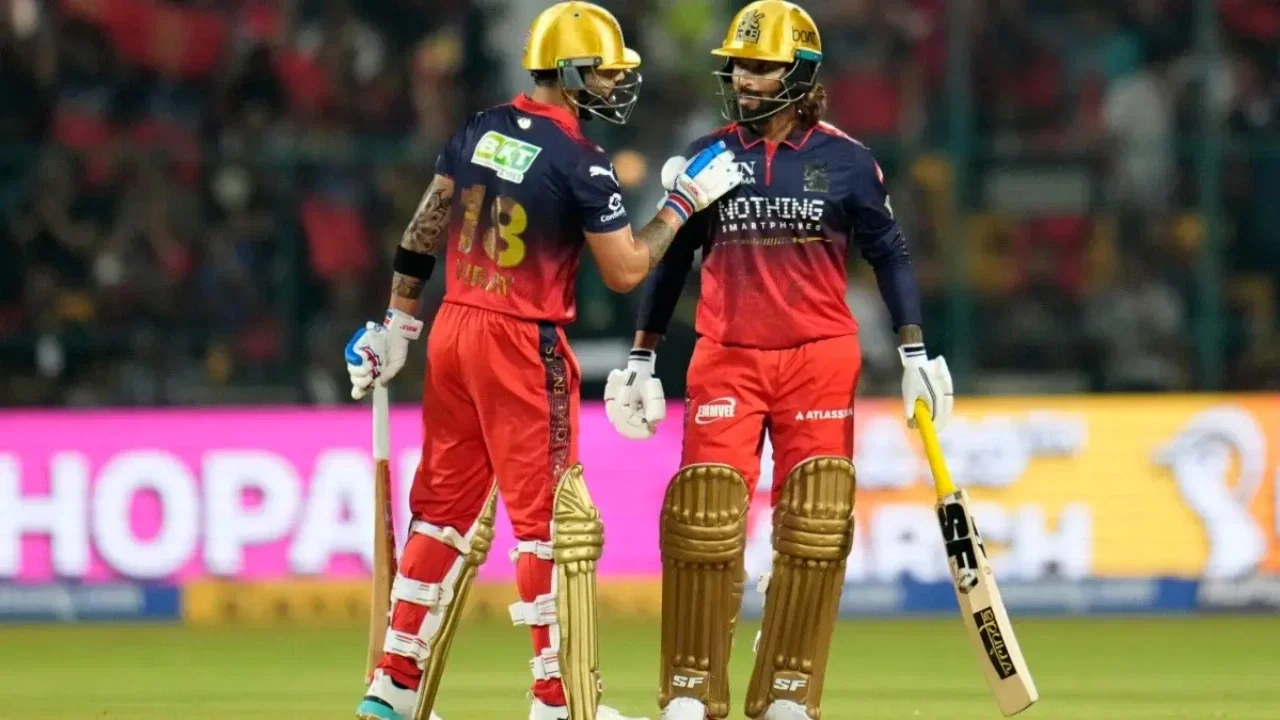
Rajat Patidar ignores MS Dhoni, Virat Kohli as he names best IPL captain
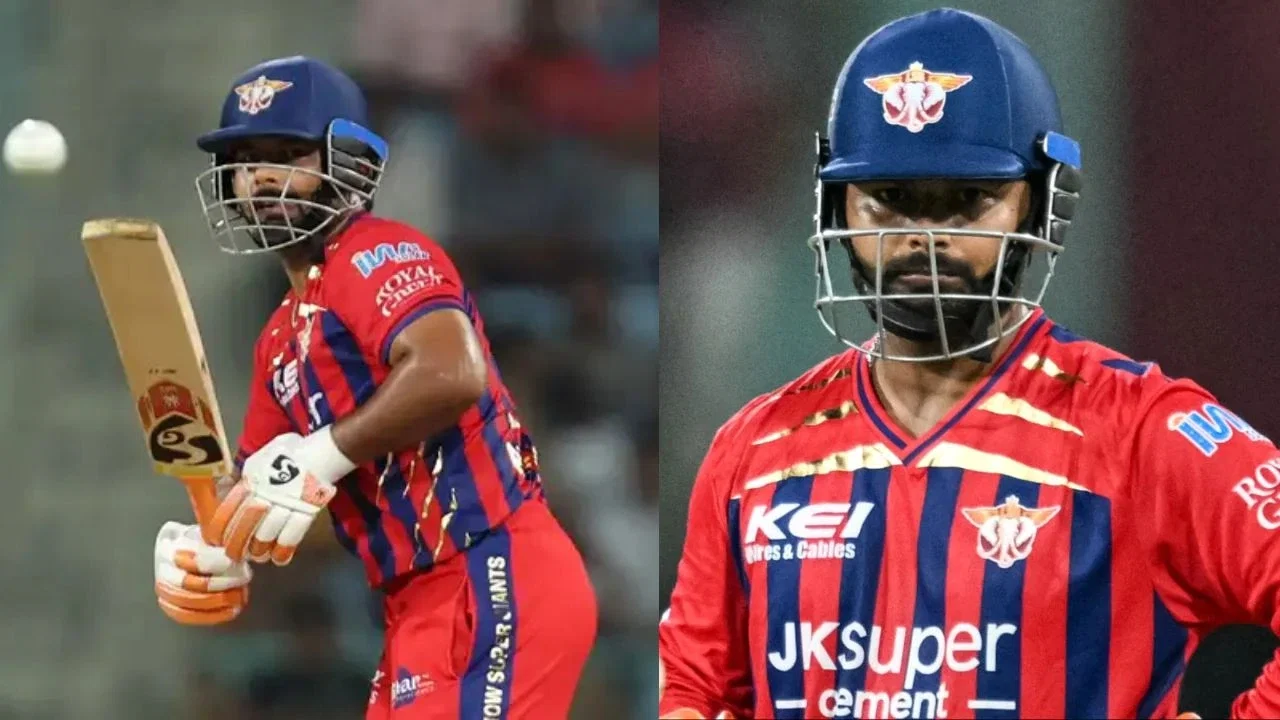
Yuvraj Singh name-dropped as ex-LSG coach gives honest verdict on Rishabh Pant’s T20 game

Abhishek Nayar urges Cameron Green to become Andre Russell 2.0 for KKR
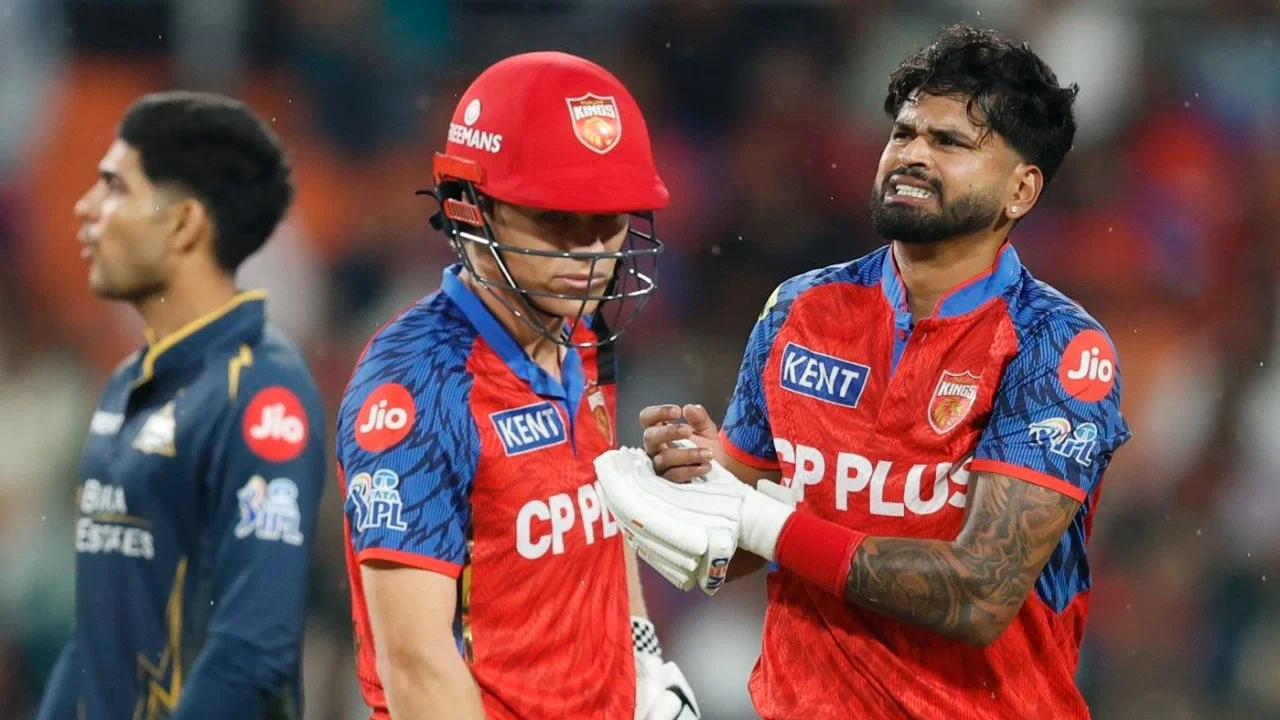
Shreyas Iyer fully fit for Punjab Kings’ IPL 2026 clash against CSK
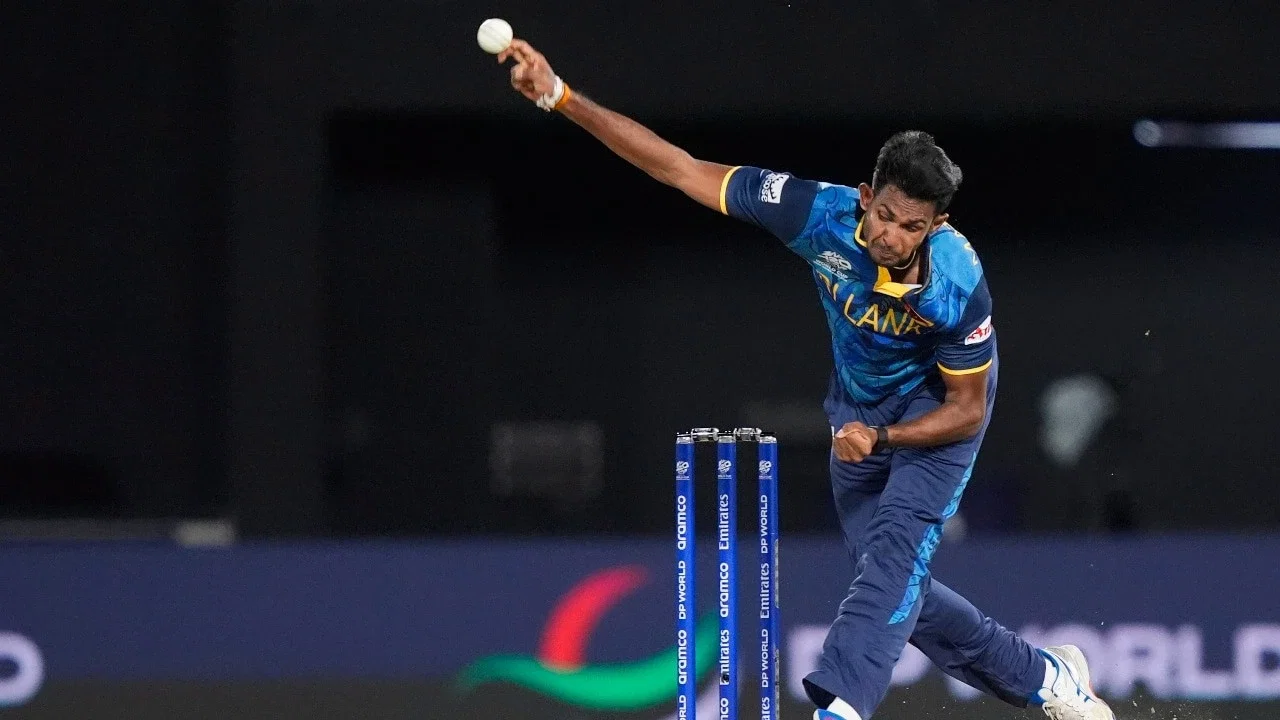
Matheesha Pathirana’s NOC delayed by SLC, KKR’s woes heighten in IPL 2026
Matheesha Pathirana’s NOC delayed by SLC, KKR’s woes heighten in IPL 2026
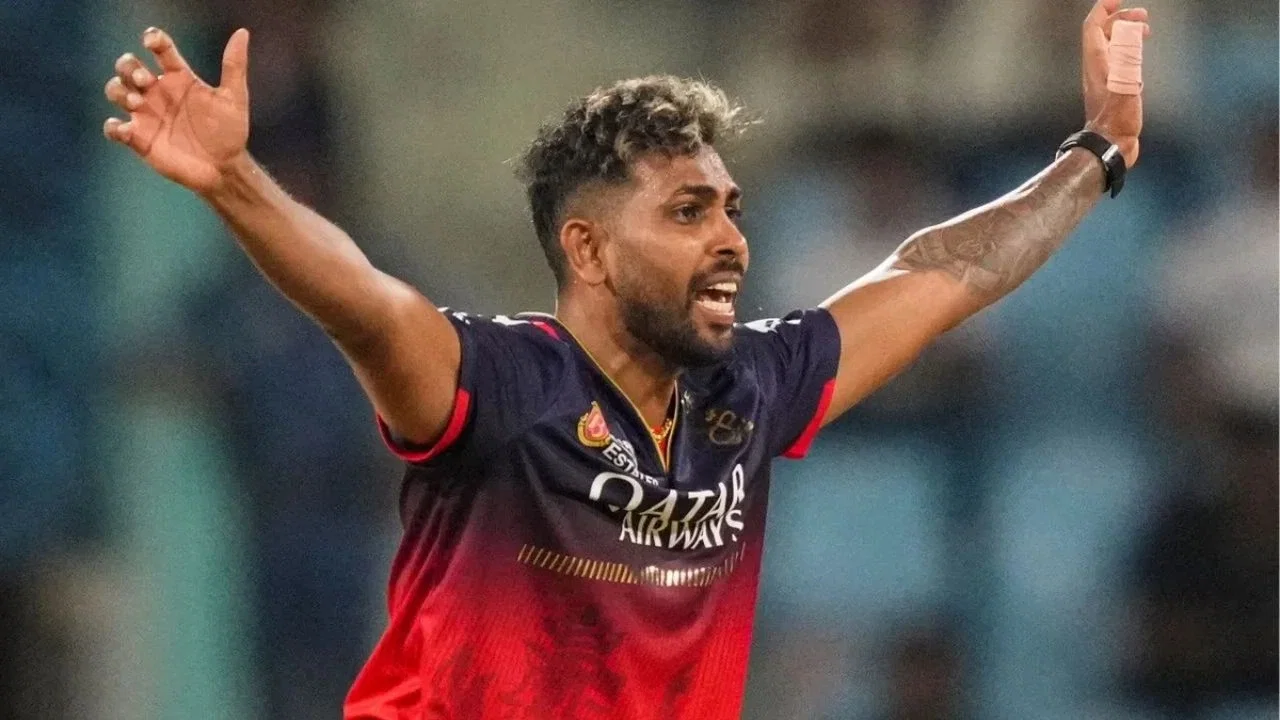
Nuwan Thushara takes legal action against SLC to secure RCB move for IPL 2026
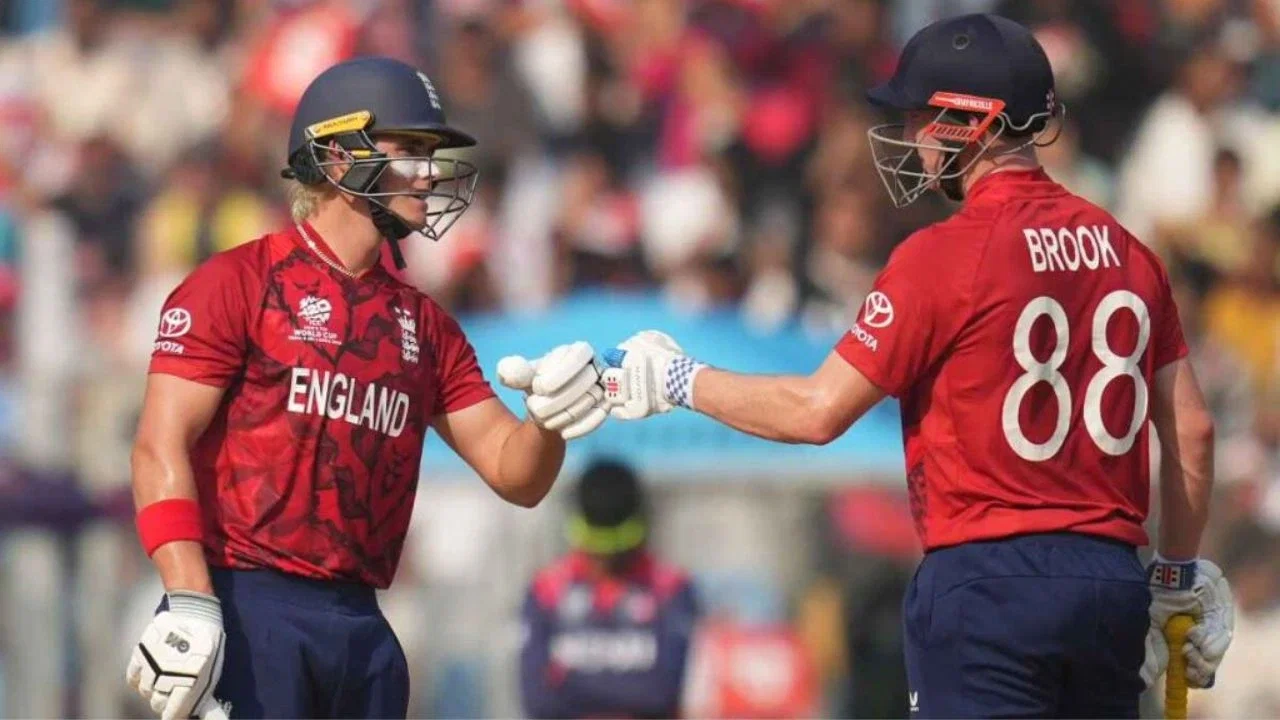
Harry Brook and Jacob Bethell punished after conduct probe by cricket regulator
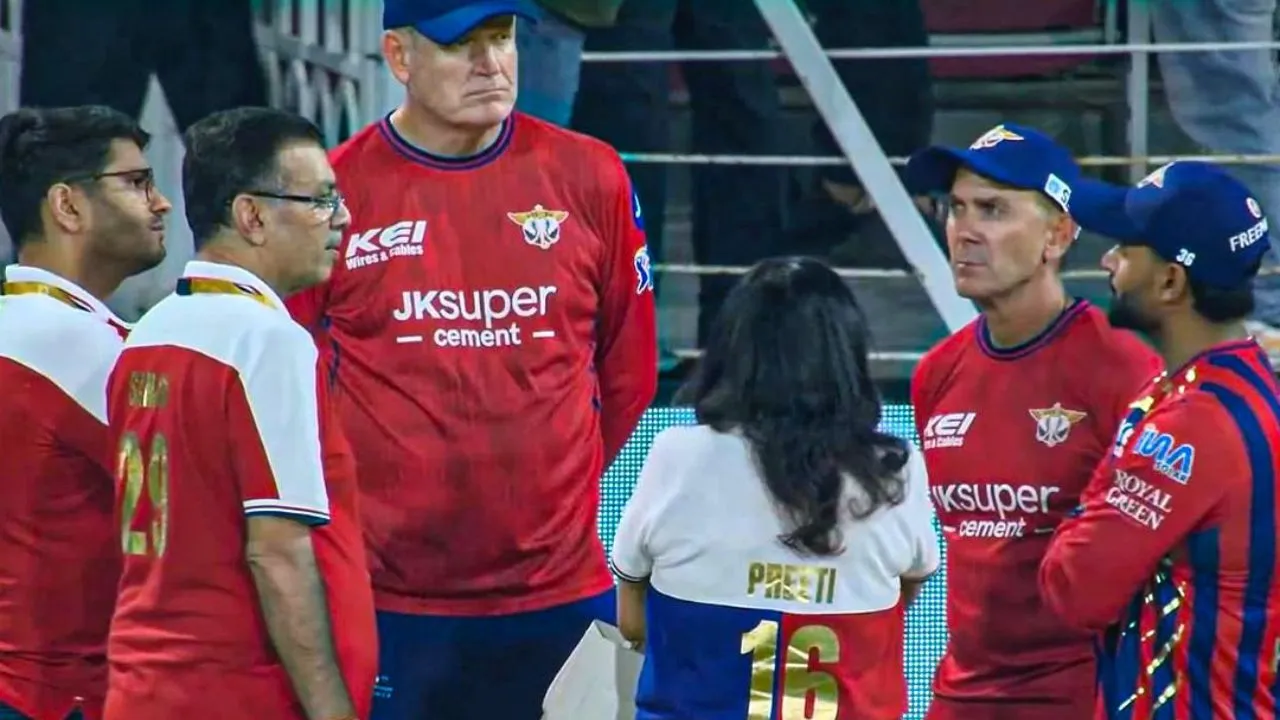
Sanjiv Goenka engages in heated chat with LSG coaches after loss to DC
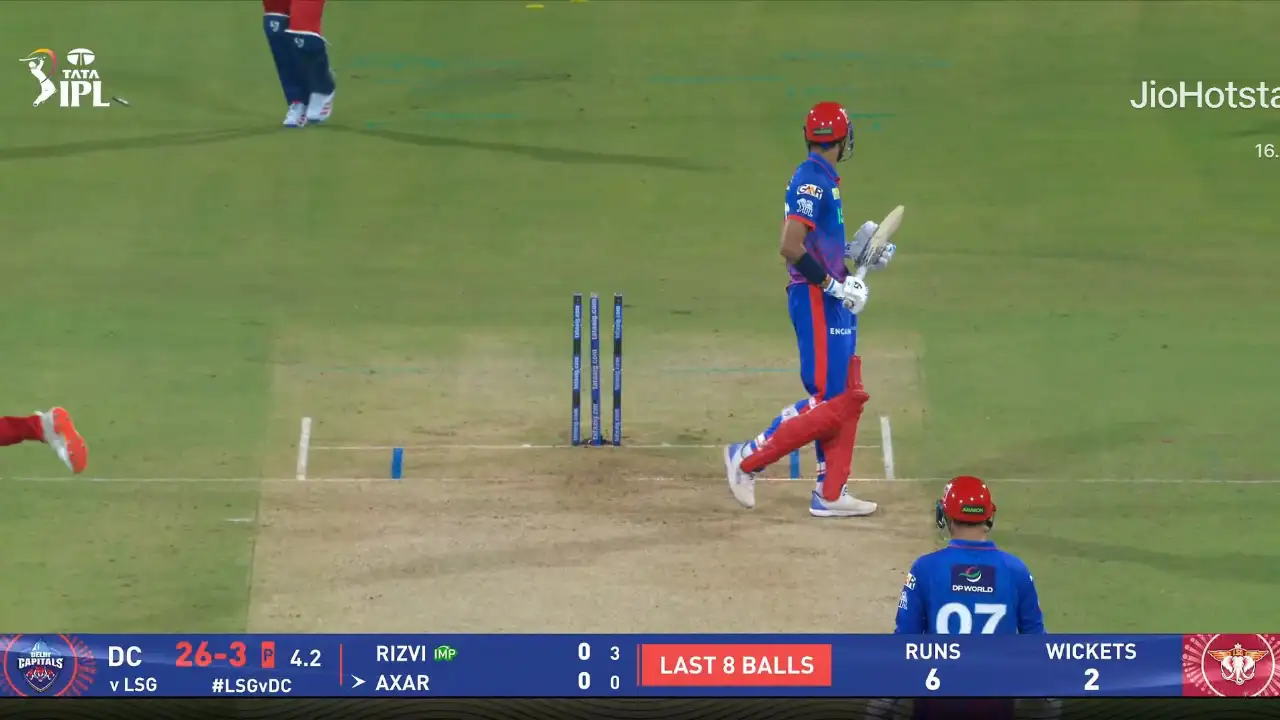
Axar Patel dismissed on ‘Golden Duck’ by Prince Yadav in LSG vs DC IPL 2026 clash