2,62,144- India loses 18th consecutive toss, Shubman Gill gets shaken up by Gautam Gambhir’a aid
India’s Unfortunate Toss Streak Continues in ODI Series Against Australia
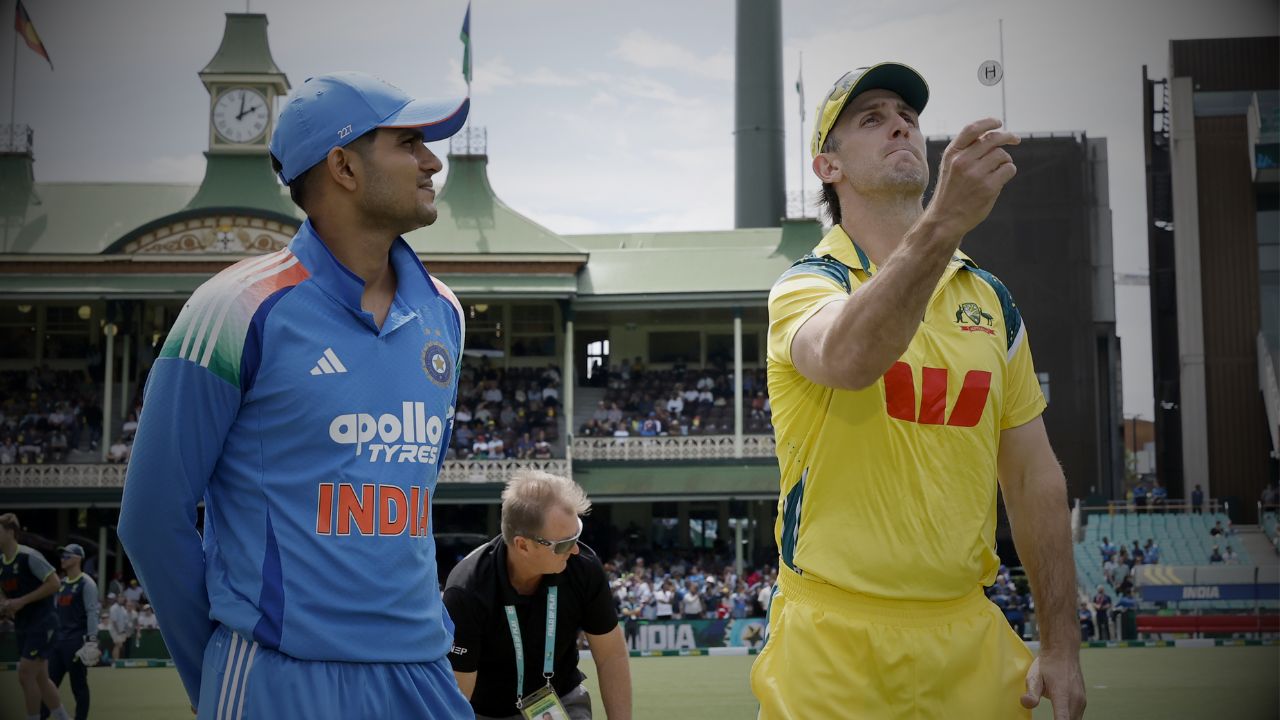
India’s streak of bad luck at the toss continued on Saturday during the third ODI against Australia at the Sydney Cricket Ground. This marks the 18th consecutive toss that India has lost in ODIs, further extending their world-record streak that began back in 2023. This unfortunate streak started when former captain Rohit Sharma lost the toss during the World Cup final against Australia.
The Unlucky Captains
Since then, the Men in Blue have faced a series of toss losses, with stand-in captain KL Rahul losing the toss in all three matches of the ODI series in South Africa. Even when Rohit Sharma returned to lead the team in Sri Lanka, the streak persisted with toss losses throughout the series. The trend continued during the home series against England as well. Despite leading India to victory in the Champions Trophy earlier this year, Rohit also lost the toss in all five matches.
Overall, Rohit Sharma has now lost 12 consecutive tosses, equaling the world record previously held by former West Indies captain Brian Lara. Despite India’s change in captaincy, with Shubman Gill taking over from Rohit Sharma, the luck at the toss hasn’t changed, as Gill has also lost the toss in all three matches of the ongoing series against Australia.
Breaking Records and Making Unwanted History
India’s streak of 18 consecutive toss losses in ODIs has broken the previous record held by the Netherlands, who endured 11 toss losses in a row between 2011 and 2013. This unprecedented streak has left fans and experts astonished at the statistical anomaly, with the probability of such an event occurring being incredibly low at 1 in 262,144 (0.000381%).
What’s Next for India and Australia?
While Australia has already sealed the series by winning the first two matches, they opted to bat first in the third ODI, aiming for a whitewash against India. On the other hand, India will be eager to bounce back and salvage some pride by winning the final match of the series to avoid further embarrassment.
As the rivalry between India and Australia intensifies on the field, the toss outcome will continue to be closely watched by fans and experts alike, hoping for a change in fortune for the Men in Blue in the upcoming matches.
The Psychological Impact of Losing the Toss
While the toss may seem like a trivial aspect of the game, the psychological impact of losing it repeatedly cannot be underestimated. For the Indian team, the constant streak of bad luck at the toss can start to play on the minds of the players, affecting their confidence and morale before the match even begins. The feeling of always starting on the back foot can create a sense of helplessness and frustration, which may inadvertently impact their performance on the field.
On the flip side, the Australian team may be gaining a psychological advantage from consistently winning the toss. Winning the toss not only allows them to choose their preferred batting or bowling option but also gives them a sense of control and momentum right from the start. This psychological edge can bolster their confidence and mindset, influencing their gameplay positively.
The Role of Luck versus Skill in Cricket
The streak of toss losses for India raises an interesting debate about the role of luck versus skill in cricket. While winning the toss is largely considered a matter of luck, as it is a simple coin toss, the consistent nature of India’s losses brings into question whether there are underlying factors at play. Some may argue that luck evens out over time and that statistical anomalies like this are bound to occur eventually.
However, others may speculate about the psychological or even superstitious reasons behind the streak. It is not uncommon for athletes and teams to develop rituals or routines to break streaks of bad luck, and it will be interesting to see if the Indian team adopts any such measures to change their fortunes at the toss.
Implications for Team Strategy and Selection
While the toss may seem like a minor detail, it can have significant implications for team strategy and selection, especially in limited-overs formats like ODIs. The team winning the toss often has the advantage of setting the tone of the match by choosing whether to bat or bowl first, depending on the conditions and their strengths.
For India, the continuous streak of toss losses may have forced them to adapt their game plan and approach matches differently. It may have influenced their team selection, especially in terms of choosing bowlers or batsmen suited to chasing or defending a target. The pressure of consistently playing catch-up due to losing the toss could also impact their decision-making during crucial moments in the match.
The Ongoing Narrative of India-Australia Rivalry
The ongoing streak of toss losses for India adds an intriguing subplot to the already intense rivalry between India and Australia. While the outcome of the toss may not directly determine the result of the match, it adds an element of drama and anticipation to each encounter between the two cricketing powerhouses.
As the series progresses and both teams vie for supremacy on the field, the toss will continue to be a focal point of discussion among fans and pundits. Whether India can break the streak and turn their fortunes around remains to be seen, but it undoubtedly adds an extra layer of excitement and narrative to the contests between these two competitive teams.
Ultimately, while the toss streak may seem like a stroke of bad luck for India, it also serves as a reminder of the unpredictable and captivating nature of cricket, where even the smallest details can have a significant impact on the outcome of a match.
Latest News
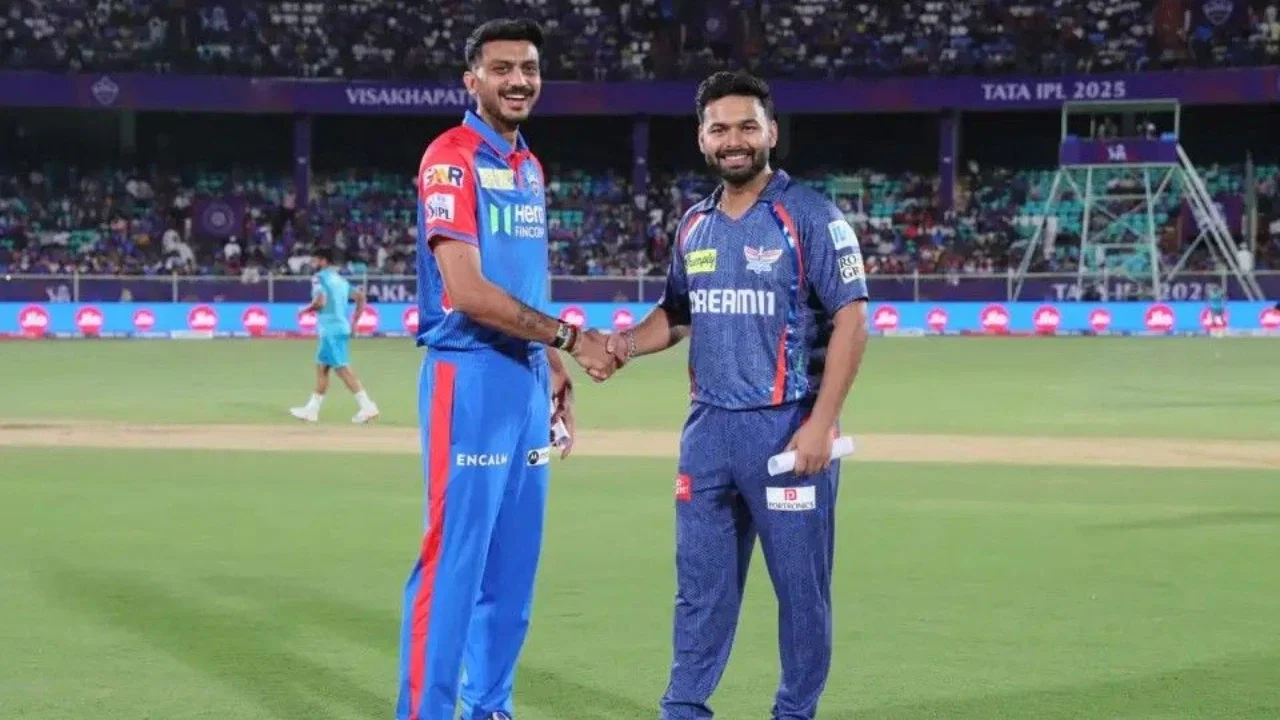
LSG vs DC Match No. 5 Preview: Free Live Streaming, Pitch & Weather Report, Head-to-Head | IPL 2026

LSG vs DC Match Prediction – Who Will Win Match No.5? | IPL 2026
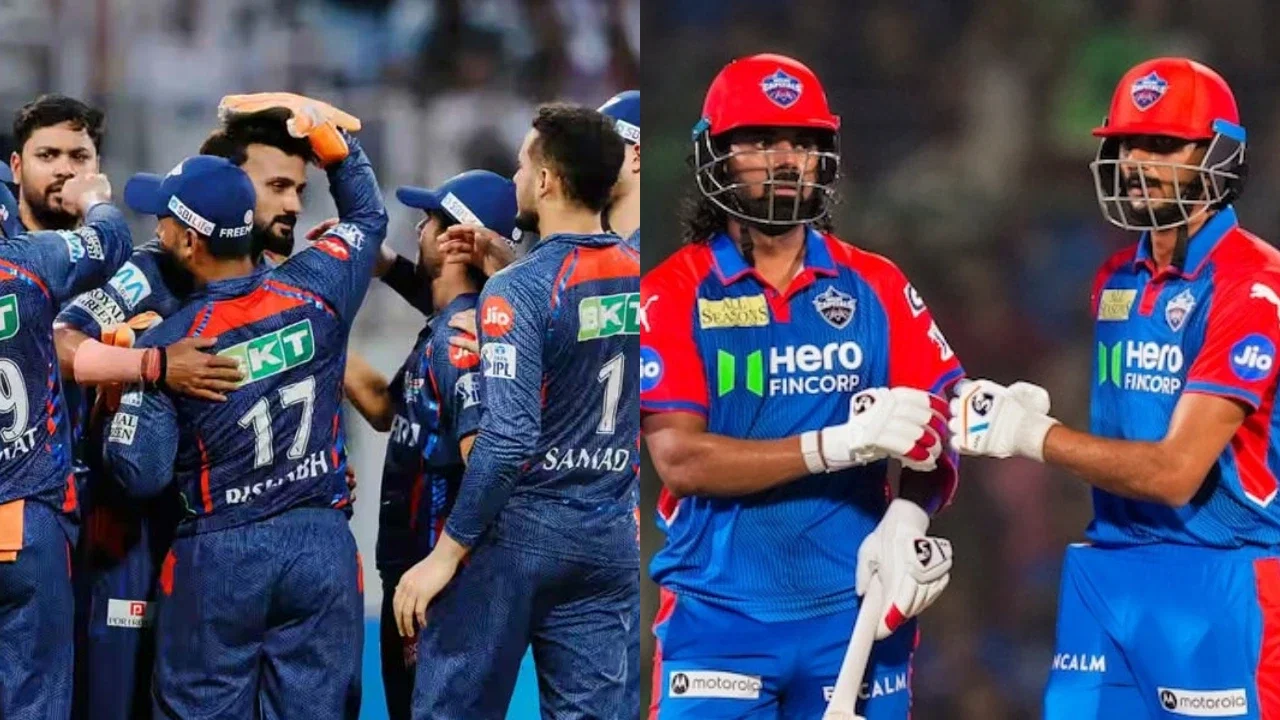
LSG Playing XI vs DC Playing XI – Match No. 5 | IPL 2026
Krunal Pandya breaks silence on India snub, opens up on Virat Kohli

Mohsin Naqvi enforces new social media rules for Pakistan players following Naseem Shah incident
Fakhar Zaman officially handed cricket ban after PSL 2026 ball-tampering controversy
Pat Cummins forces Cricket Australia to slash central contracts list to secure premium deal
CSK’s big promise to players revealed amid IPL 2026: “Whatever BCCI offers, we’ll double it”
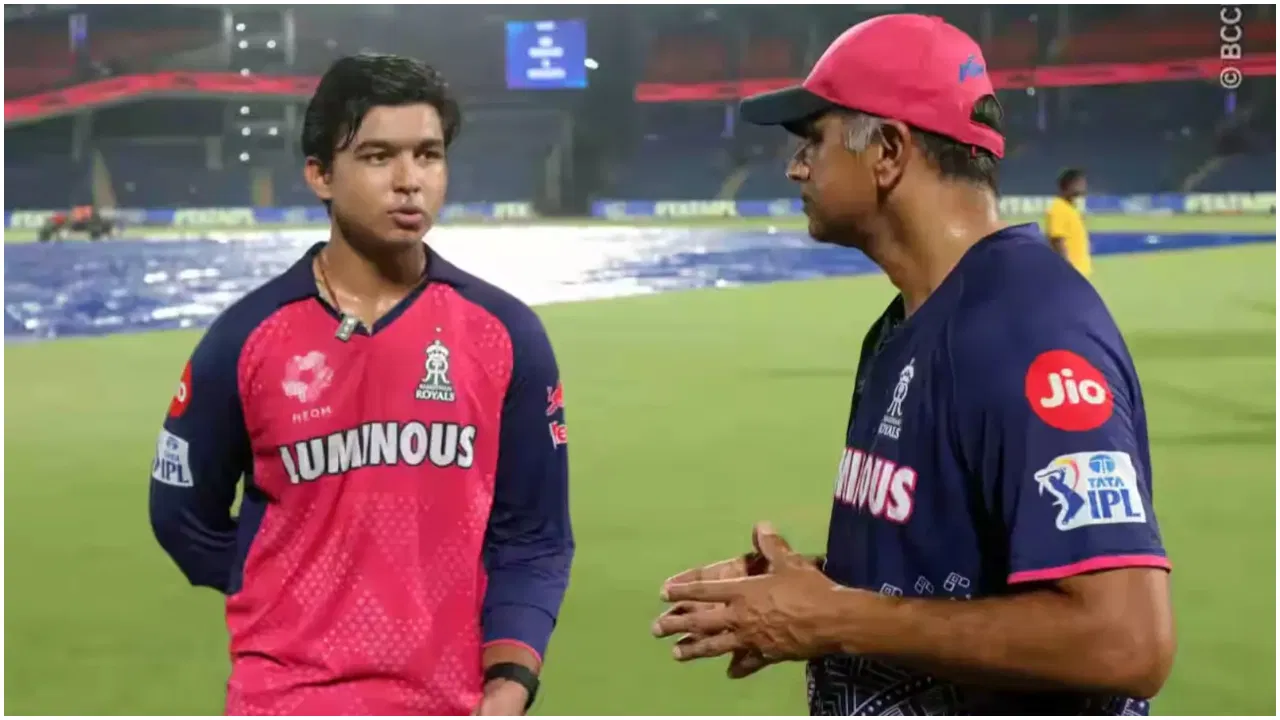
Ravichandran Ashwin rules out Vaibhav Sooryavanshi’s India call-up

Rashid Latif claims PSL ball-tampering row was deliberately created for attention amid IPL rivalry

Mohammed Shami breaks silence on retirement buzz after India snub; has special message for LSG

Mohammed Shami reveals IPL 2026 Top 4, leaves out five-time champions
Mohammed Shami hits back at Ravichandran Ashwin over LSG’s poor IPL 2026 prediction
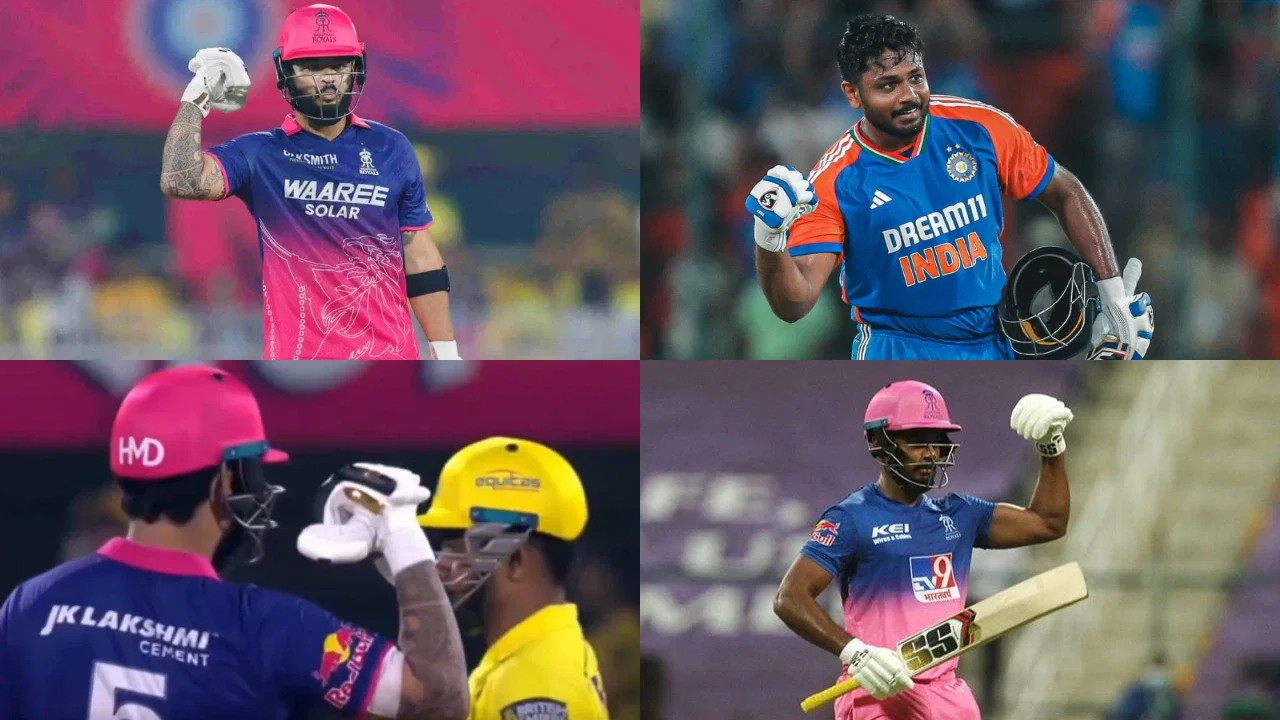
Riyan Parag mocked Sanju Samson? Batter’s muscle-flex celebration after sensational 6 vs CSK goes viral