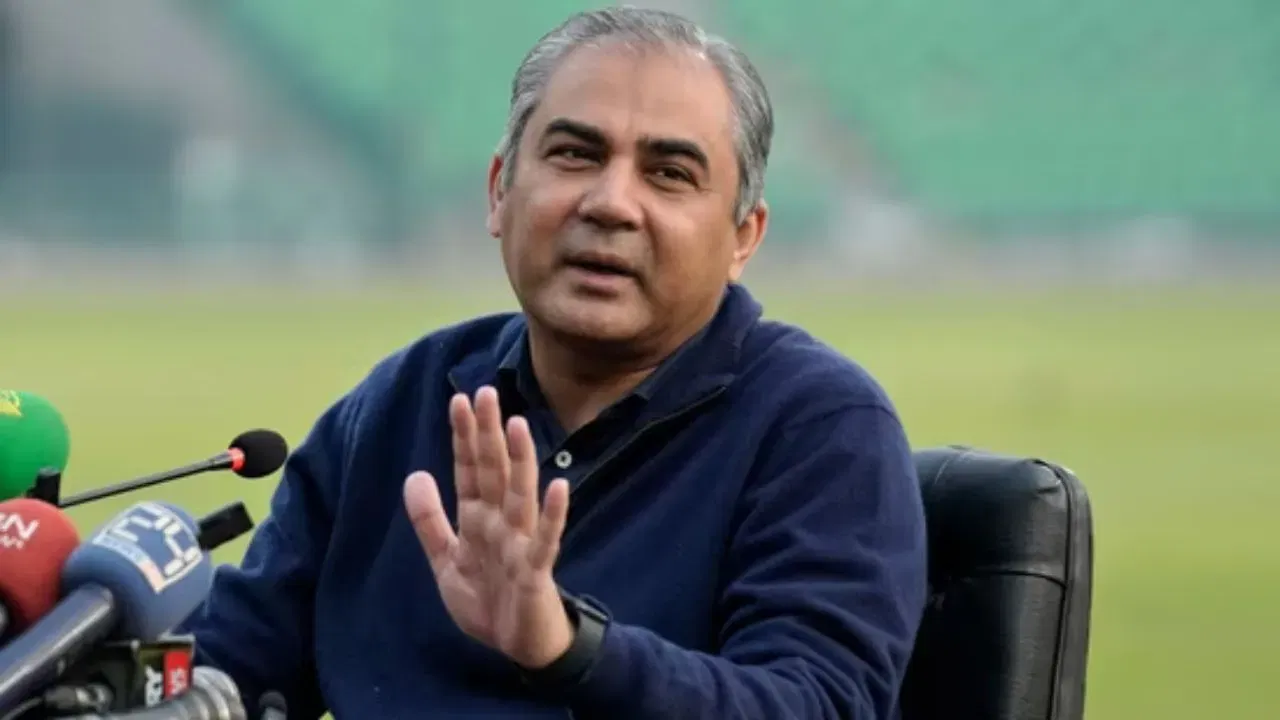
30-Match ban imposed on Suryakumar Yadav after Haris Rauf’s punishment
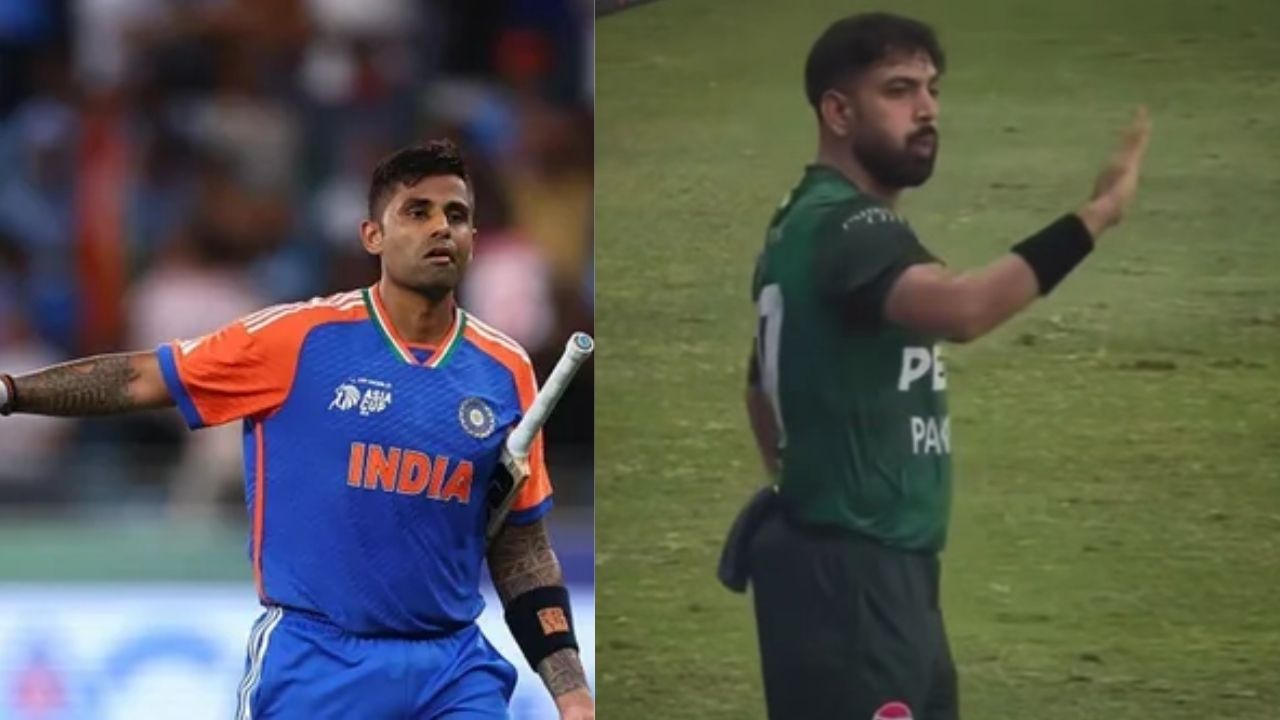
Controversy Surrounding Indian Skipper Suryakumar Yadav and Pakistani Player Haris Rauf
Recently, the Asia Cup 2025 witnessed some controversial moments involving Indian skipper Suryakumar Yadav and Pakistani player Haris Rauf. While Yadav escaped any serious punishment, Rauf faced a two-match ban for his actions. The tournament stirred up heated debates, with a former Pakistan player even calling for a 30-match ban on Yadav.
Incident Involving Suryakumar Yadav
During a press conference, Suryakumar Yadav made a statement suggesting that the matches between India and Pakistan were no longer considered a rivalry due to the one-sided outcomes in recent times. This comment sparked outrage, especially when he mentioned the attacks on the Pahalgam valley. As a result, Yadav was fined 30% of his match fees by the ICC.
Haris Rauf’s Suspension
On the other hand, Haris Rauf found himself in hot water for committing a similar offense twice within 24 months. As a result, he received two suspension points leading to a two-match ban during the ongoing ODI series against South Africa. Despite the ICC’s decision, former cricketer Tanveer Ahmed voiced his opinion, suggesting that a similar ban should have been imposed on Yadav.
Accusations Against ICC Chairman Jay Shah
Tanveer Ahmed, a former Pakistan cricketer, took things a step further by accusing ICC Chairman Jay Shah of political bias within the organization. Ahmed claimed that Shah’s influence has led to unfair treatment of Pakistani players compared to their Indian counterparts. He mentioned that under Shah’s leadership, the ICC has lost its credibility and integrity.
BCCI’s Plan to Address Trophy Dispute
Amidst the ongoing controversy, the Board of Control for Cricket in India (BCCI) has hinted at escalating the Asia Cup trophy row during the upcoming ICC meeting. The BCCI had previously warned the ACC Chairman, Mohsin Naqvi, about their intentions to bring up the matter. The trophy, currently held at the ACC headquarters in Dubai, awaits a final decision to be made during the ICC board meeting.
As the cricketing world awaits further developments in these controversies, fans and experts alike are closely monitoring the situation. The clash between India and Pakistan extends beyond the field, raising questions about fairness, sportsmanship, and the role of governing bodies in maintaining the integrity of the sport.
Analysis and Predictions for Future Controversies
Looking ahead, it is inevitable that controversies will continue to arise in the world of cricket, especially when it comes to high-stakes matches involving fierce rivals like India and Pakistan. The incident involving Suryakumar Yadav and Haris Rauf is just a glimpse of the tensions that can surface during competitive tournaments.
One prediction is that the rivalry between India and Pakistan will remain a hot topic in the cricketing world, fueling emotions and opinions on both sides. As players express their thoughts and emotions, there will always be a risk of sparking controversy, whether through statements in press conferences or actions on the field.
Moreover, with the increasing influence of social media, players’ statements and behaviors are amplified, leading to quicker reactions and debates among fans and experts. This digital landscape adds a new dimension to how controversies unfold and escalate, making it crucial for cricket boards and governing bodies to navigate such situations carefully.
The Role of ICC and BCCI in Managing Controversies
Both the International Cricket Council (ICC) and the Board of Control for Cricket in India (BCCI) play pivotal roles in managing and addressing controversies within the sport. The ICC’s decisions on disciplinary actions set precedents for player conduct and uphold the integrity of the game. On the other hand, the BCCI represents the interests of Indian cricket and its players, often advocating for fair treatment and justice.
As these organizations navigate through controversies like the one involving Suryakumar Yadav and Haris Rauf, they must strike a balance between enforcing rules and regulations while ensuring transparency and fairness. The spotlight on such incidents also highlights the need for clear communication and accountability from both players and officials.
Impact on Players and the Cricketing Community
Controversies like the one between Yadav and Rauf not only affect the players involved but also have broader implications for the cricketing community. It can strain relations between teams, fan bases, and even governing bodies, creating rifts that take time to heal. The emotional investment in cricket, particularly in matches between India and Pakistan, adds an extra layer of intensity to these controversies.
For players, facing bans or fines due to controversial statements or actions can impact their careers and reputations. It underscores the importance of maintaining professionalism and respect both on and off the field. Additionally, controversies can spark important conversations about sportsmanship, ethics, and the values that underpin the game of cricket.
Conclusion
As the cricketing world continues to evolve and face new challenges, controversies like the one involving Suryakumar Yadav and Haris Rauf serve as reminders of the complexities and nuances of the sport. While rivalry and passion are integral to cricket, it is essential for players, officials, and fans to navigate disagreements and conflicts with maturity and respect.
By addressing controversies transparently, enforcing fair disciplinary measures, and promoting sportsmanship, cricket can uphold its status as a gentleman’s game while adapting to the modern demands of a global audience. As we await the outcomes of these recent incidents, it is a chance for reflection and growth within the cricketing community.
Latest News
Mohsin Naqvi enforces new social media rules for Pakistan players following Naseem Shah incident
Fakhar Zaman officially handed cricket ban after PSL 2026 ball-tampering controversy
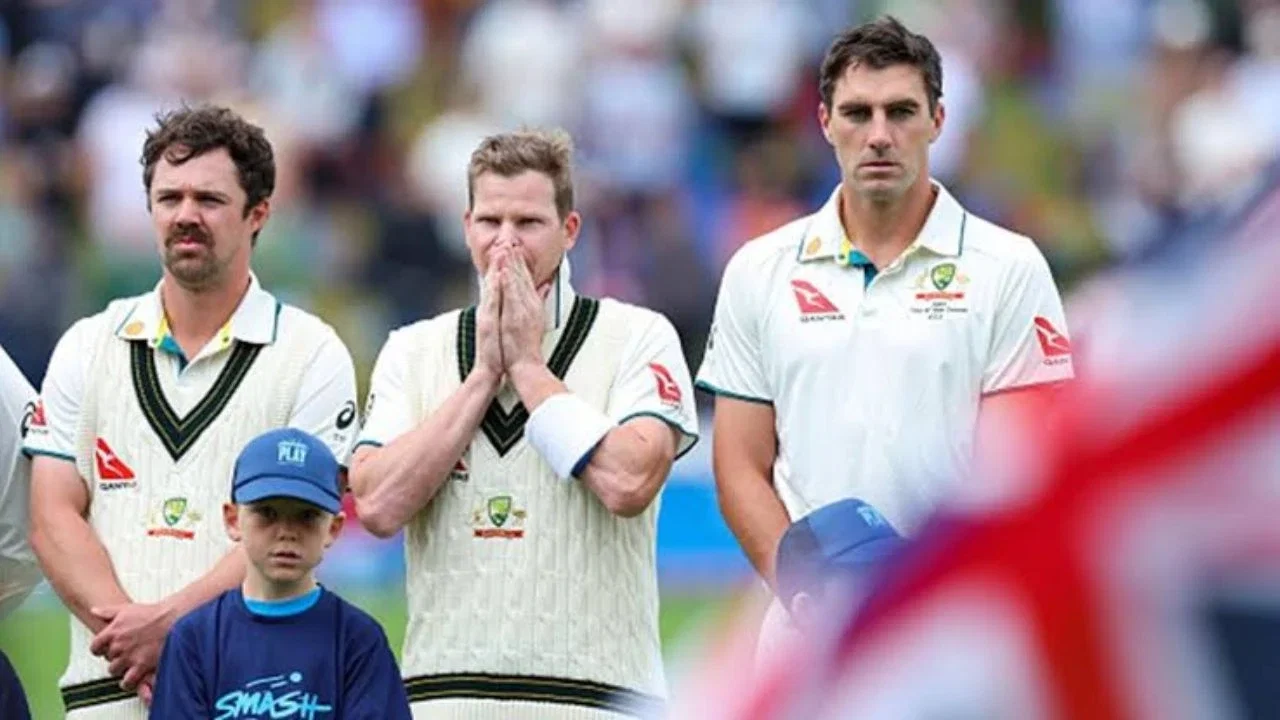
Pat Cummins forces Cricket Australia to slash central contracts list to secure premium deal
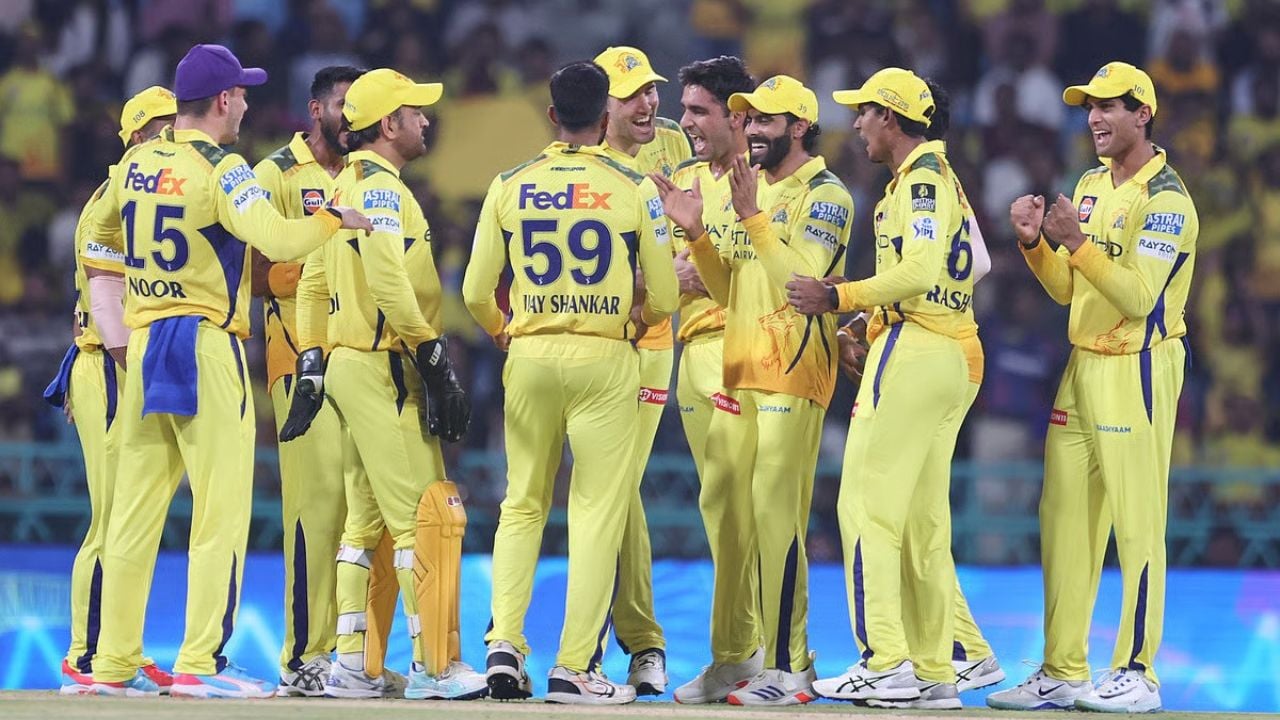
CSK’s big promise to players revealed amid IPL 2026: “Whatever BCCI offers, we’ll double it”
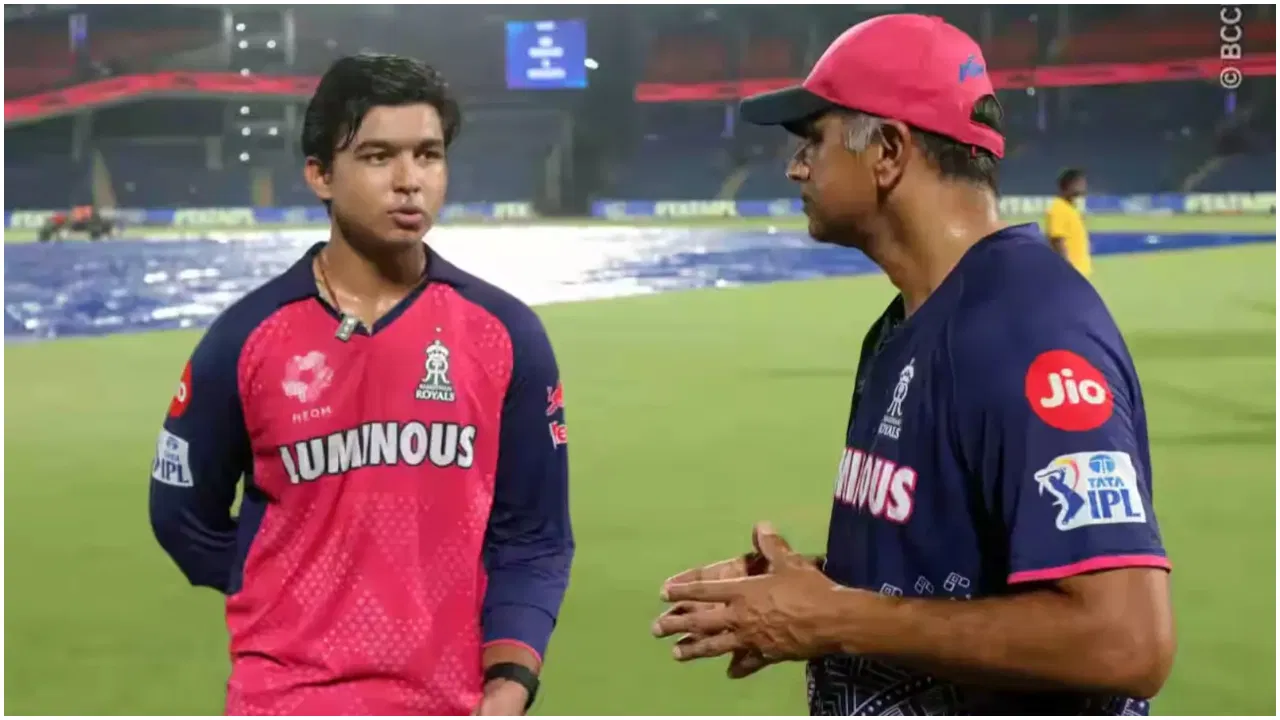
Ravichandran Ashwin rules out Vaibhav Sooryavanshi’s India call-up
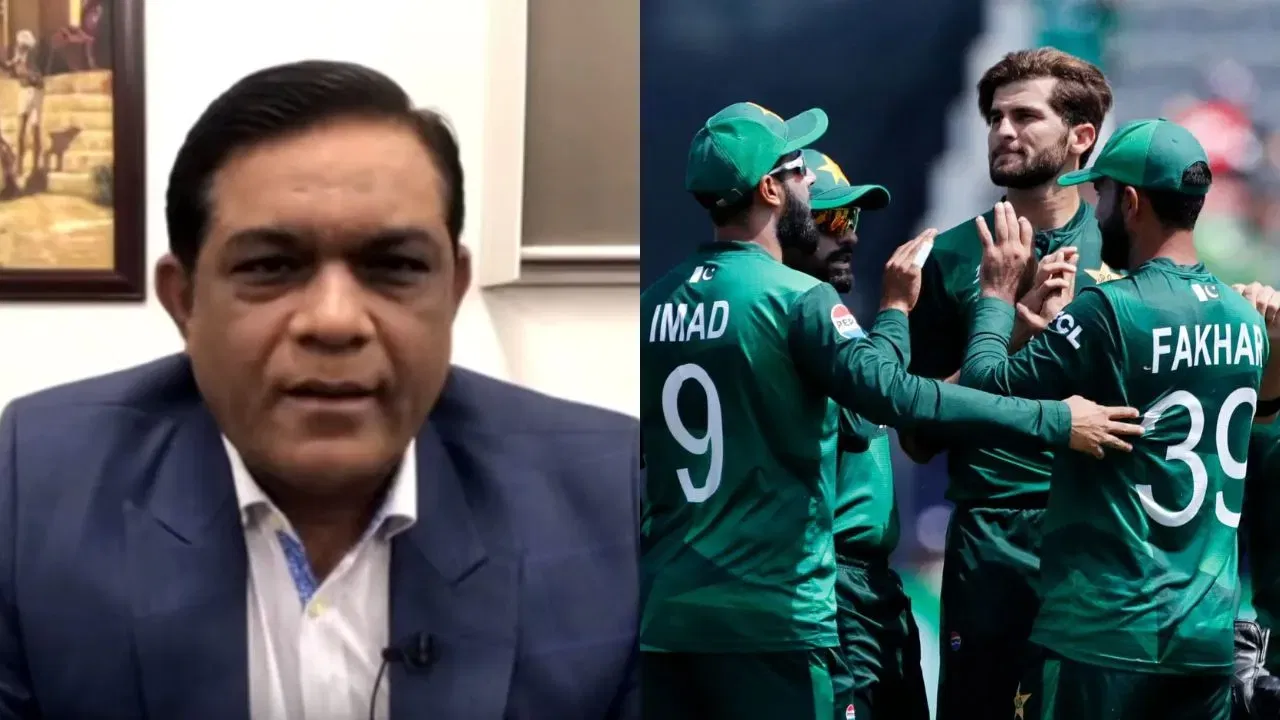
Rashid Latif claims PSL ball-tampering row was deliberately created for attention amid IPL rivalry
Mohammed Shami breaks silence on retirement buzz after India snub; has special message for LSG
Mohammed Shami reveals IPL 2026 Top 4, leaves out five-time champions
Mohammed Shami hits back at Ravichandran Ashwin over LSG’s poor IPL 2026 prediction
Riyan Parag mocked Sanju Samson? Batter’s muscle-flex celebration after sensational 6 vs CSK goes viral
IPL 2026 hit by tragedy! British broadcast engineer dies in Mumbai hotel room
Brad Haddin reveals reality of Shreyas Iyer as captain
Jos Buttler set to dominate IPL 2026, thanks to Ashish Nehra
Ravindra Jadeja says he had no conversation with MS Dhoni after RR move