

30-Match ban imposed on Suryakumar Yadav after Haris Rauf’s punishment
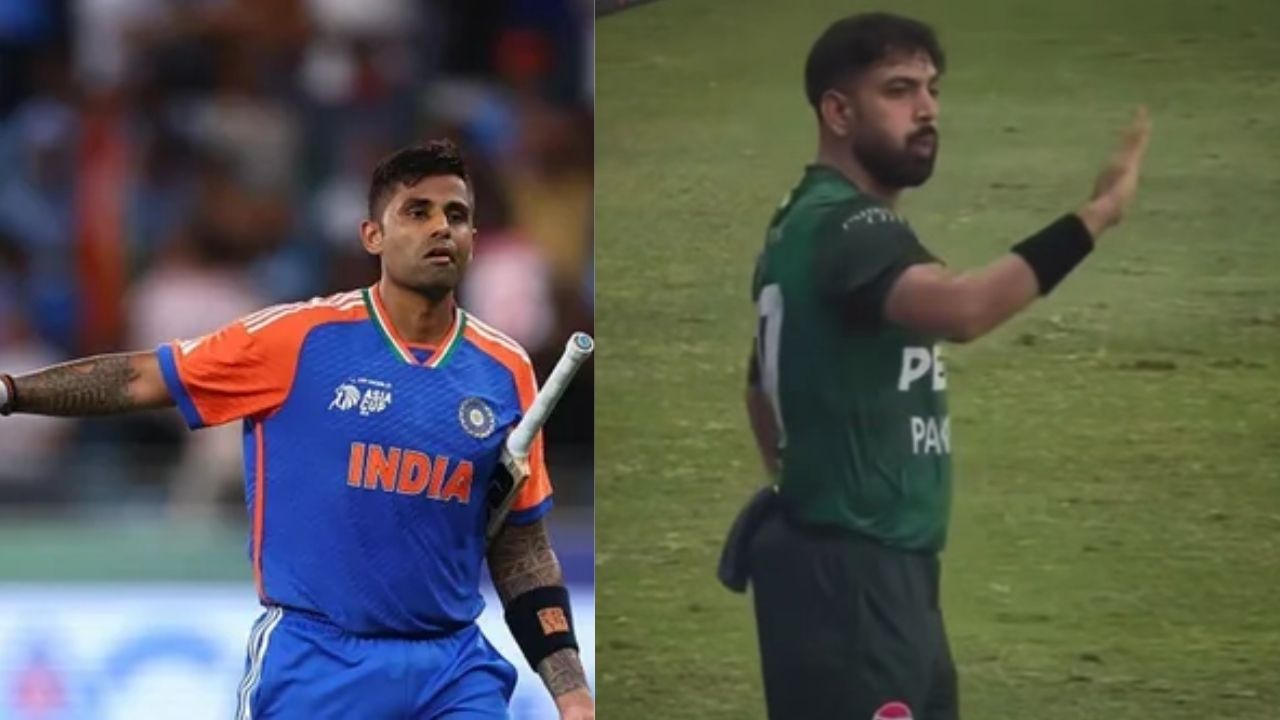
Controversy in Asia Cup 2025: Suryakumar Yadav and Haris Rauf
Indian skipper Suryakumar Yadav and Pakistani player Haris Rauf have found themselves in the midst of controversy during the Asia Cup 2025. While Yadav faced criticism for his comments regarding the India vs Pakistan rivalry, Rauf received a two-match ban for his actions. The incident has sparked debates and differing opinions from former cricketers on the appropriate punishments.
Suryakumar Yadav’s Comments
During a press conference, Suryakumar Yadav made a controversial statement suggesting that the India vs Pakistan games were no longer a rivalry due to recent one-sided outcomes. His remarks sparked outrage among fans and led to political backlash, resulting in a fine from the ICC. Former Pakistan cricketer Tanveer Ahmed went as far as to suggest a 30-match ban for Yadav’s statements.
Haris Rauf’s Suspension
On the other hand, Haris Rauf faced a two-match ban after being found guilty of a repeated offense within a 24-month period. This suspension came during the ongoing ODI series against South Africa. Despite the ICC’s decision aligning with regulations, Tanveer Ahmed criticized the leniency towards Yadav compared to the punishment Rauf received.
Accusations Against ICC Chairman Jay Shah
Tanveer Ahmed, a former Pakistan cricketer, made scathing remarks against ICC Chairman Jay Shah, accusing him of political bias and unfair treatment of Pakistani players. Ahmed claimed that Shah and other Indian officials have influenced decisions within the ICC, leading to disparities in punishments between Indian and Pakistani players. He suggested that if the roles were reversed, Pakistani players would face harsher penalties.
BCCI’s Response
The Board of Control for Cricket in India (BCCI) has vowed to address the controversy surrounding the Asia Cup trophy during the ICC meeting. The trophy, currently held at the Asian Cricket Council headquarters in Dubai, has become a focal point of contention between the BCCI and ACC Chairman Mohsin Naqvi. The BCCI plans to escalate the issue during the upcoming ICC board meeting on November 7th.
In conclusion, the Asia Cup 2025 has been marred by controversies involving players from India and Pakistan, leading to debates on appropriate punishments and accusations of bias within the ICC. The differing opinions from former cricketers and the involvement of the BCCI in escalating the matter highlight the complex dynamics at play in international cricket.
Asia Cup 2025: The Aftermath and Future Implications
The controversies surrounding Suryakumar Yadav and Haris Rauf in the Asia Cup 2025 have not only sparked debates but also raised important questions about sportsmanship, rivalry, and the role of governing bodies in cricket. While Yadav’s comments and Rauf’s suspension have dominated headlines, it is essential to delve deeper into the implications of these incidents on the future of cricket in the region.
Impact on India-Pakistan Cricketing Relations
The longstanding rivalry between India and Pakistan on the cricket field has always been a point of intense emotions for fans and players alike. Yadav’s comments questioning the intensity of this rivalry may have inadvertently stirred up more passion and fervor among supporters of both teams. While some argue that his remarks were a reflection of recent one-sided outcomes, others view them as disrespectful towards a historic and deeply rooted rivalry.
On the other hand, Rauf’s suspension for a repeated offense raises questions about the consistency of disciplinary actions in international cricket. While the ICC’s decision to ban him for two matches aligns with regulations, the comparison to Yadav’s fine has led to accusations of bias and favoritism. This disparity in punishments has the potential to strain relations between the two cricketing nations further.
Transparency and Fair Play in Cricket Governance
The accusations leveled against ICC Chairman Jay Shah by Tanveer Ahmed shed light on the need for transparency and fairness in cricket governance. The perception of political bias and unfair treatment towards Pakistani players can erode trust in the governing body and undermine the integrity of the sport. As cricket continues to evolve as a global phenomenon, it is imperative for the ICC to uphold principles of impartiality and equity in all its decisions.
Role of BCCI in Resolving Controversies
The involvement of the Board of Control for Cricket in India (BCCI) in addressing the Asia Cup trophy controversy highlights the influence of powerful cricket boards in shaping the future of the sport. By escalating the issue to the ICC board meeting, the BCCI is demonstrating its commitment to upholding the interests of Indian cricket while engaging in constructive dialogue with other stakeholders in the region.
As the BCCI navigates the complexities of international cricket politics, its role in mediating disputes and advocating for fair play will be crucial in maintaining the spirit of the game. Collaboration between cricket boards, players, and governing bodies is essential in fostering a healthy and competitive environment for the sport to thrive.
Looking Ahead: Lessons Learned and Paths Forward
The controversies surrounding Suryakumar Yadav and Haris Rauf in the Asia Cup 2025 serve as a reminder of the delicate balance between sportsmanship, competition, and governance in cricket. While debates and disagreements are inevitable in a sport as passionate as cricket, it is essential for all stakeholders to prioritize respect, integrity, and fairness in their actions.
As the cricketing world reflects on these incidents and their repercussions, it is an opportunity to learn valuable lessons on conflict resolution, disciplinary measures, and the importance of upholding the values of the game. By addressing these controversies with transparency, accountability, and a commitment to mutual respect, cricket can emerge stronger and more united in its pursuit of excellence.
In conclusion, the controversies in the Asia Cup 2025 have shed light on the complexities and challenges inherent in international cricket. By engaging in open dialogue, promoting fairness, and upholding the spirit of the game, stakeholders can navigate through disputes and controversies while fostering a climate of sportsmanship and camaraderie in the cricketing community.
Latest News
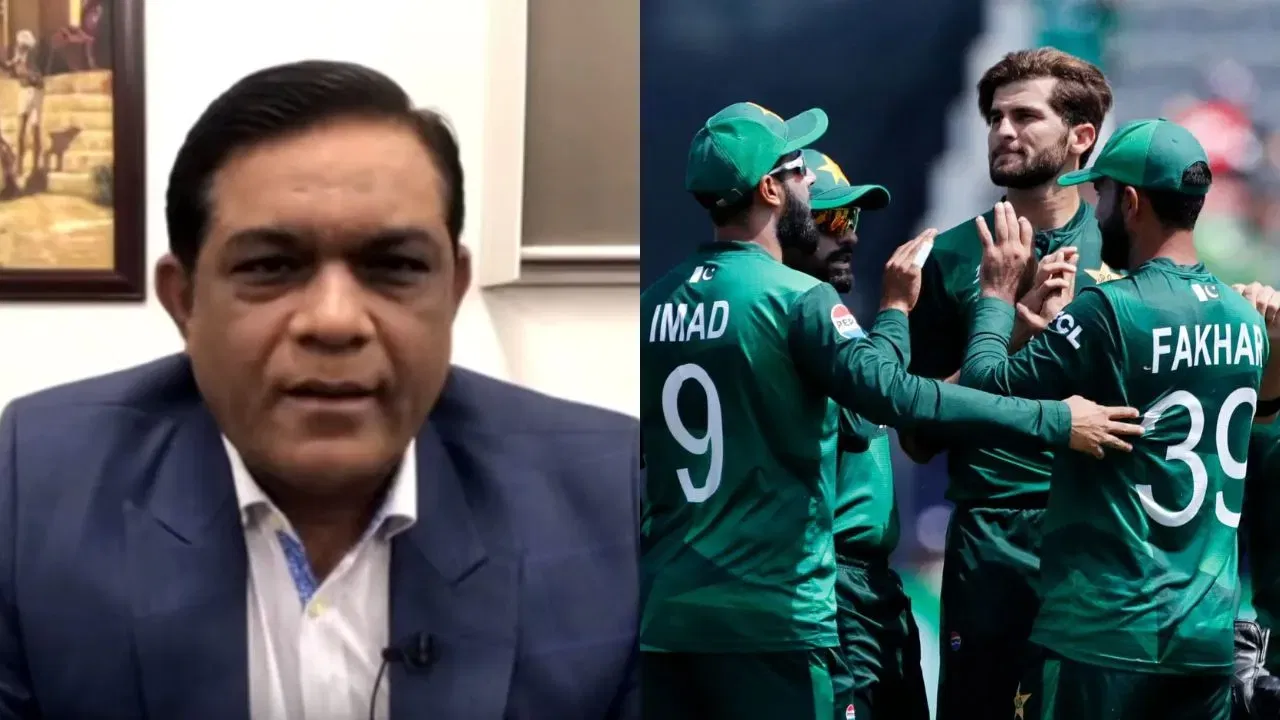
Rashid Latif claims PSL ball-tampering row was deliberately created for attention amid IPL rivalry
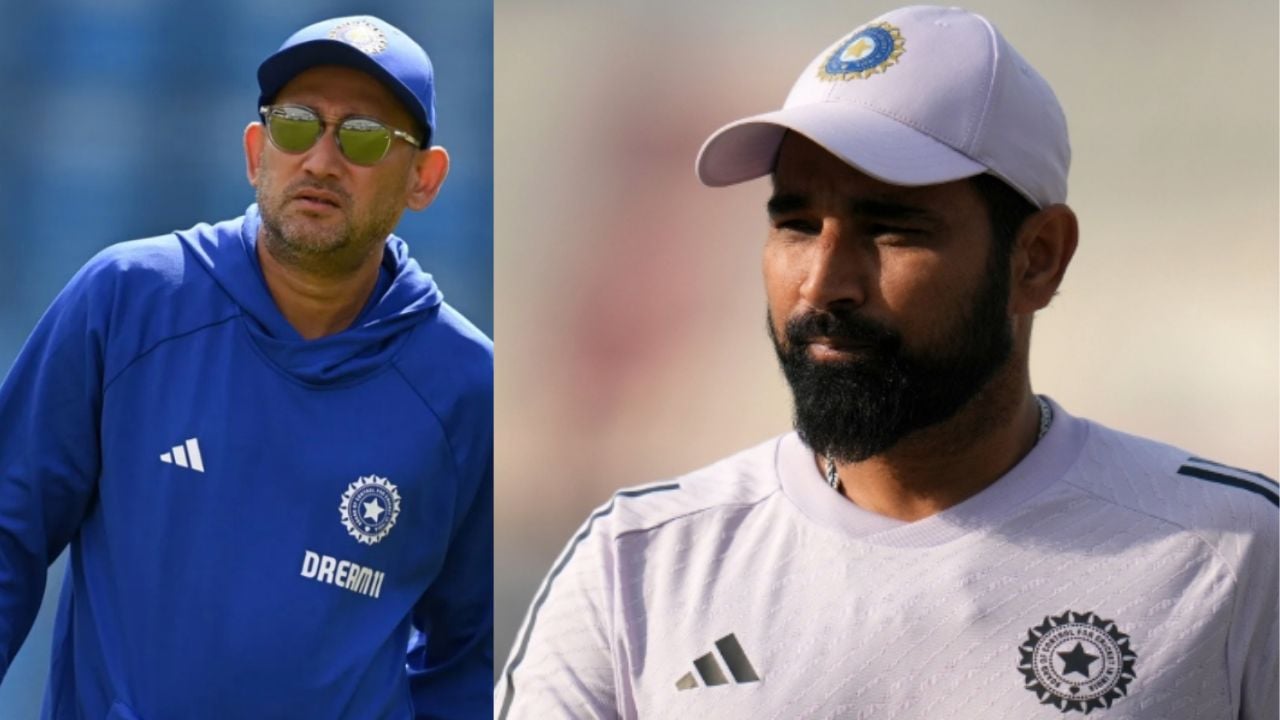
Mohammed Shami breaks silence on retirement buzz after India snub; has special message for LSG

Mohammed Shami reveals IPL 2026 Top 4, leaves out five-time champions
Mohammed Shami hits back at Ravichandran Ashwin over LSG’s poor IPL 2026 prediction
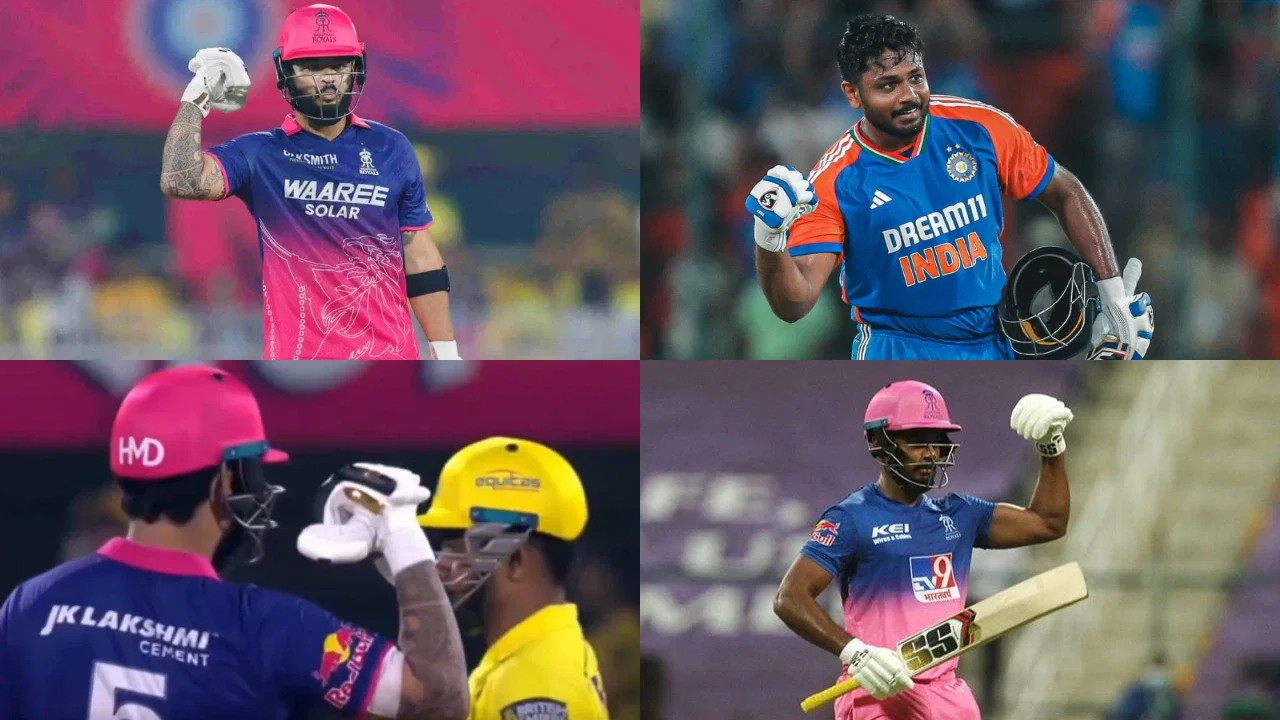
Riyan Parag mocked Sanju Samson? Batter’s muscle-flex celebration after sensational 6 vs CSK goes viral
IPL 2026 hit by tragedy! British broadcast engineer dies in Mumbai hotel room
Brad Haddin reveals reality of Shreyas Iyer as captain

Jos Buttler set to dominate IPL 2026, thanks to Ashish Nehra
Ravindra Jadeja says he had no conversation with MS Dhoni after RR move
Mohsin Naqvi totally angry and stressed as PSL 2026 controversies escalate
Mohsin Naqvi saves Naseem Shah from two-year ban, shocking claim emerges after controversy
Michael Vaughan claims Vaibhav Sooryavanshi’s India call-up for England tour is confirmed
Ravindra Jadeja’s teary-eyed reaction goes viral after RR demolish CSK in IPL 2026 clash

New Zealand ODI and T20I squads for Bangladesh tour officially announced

