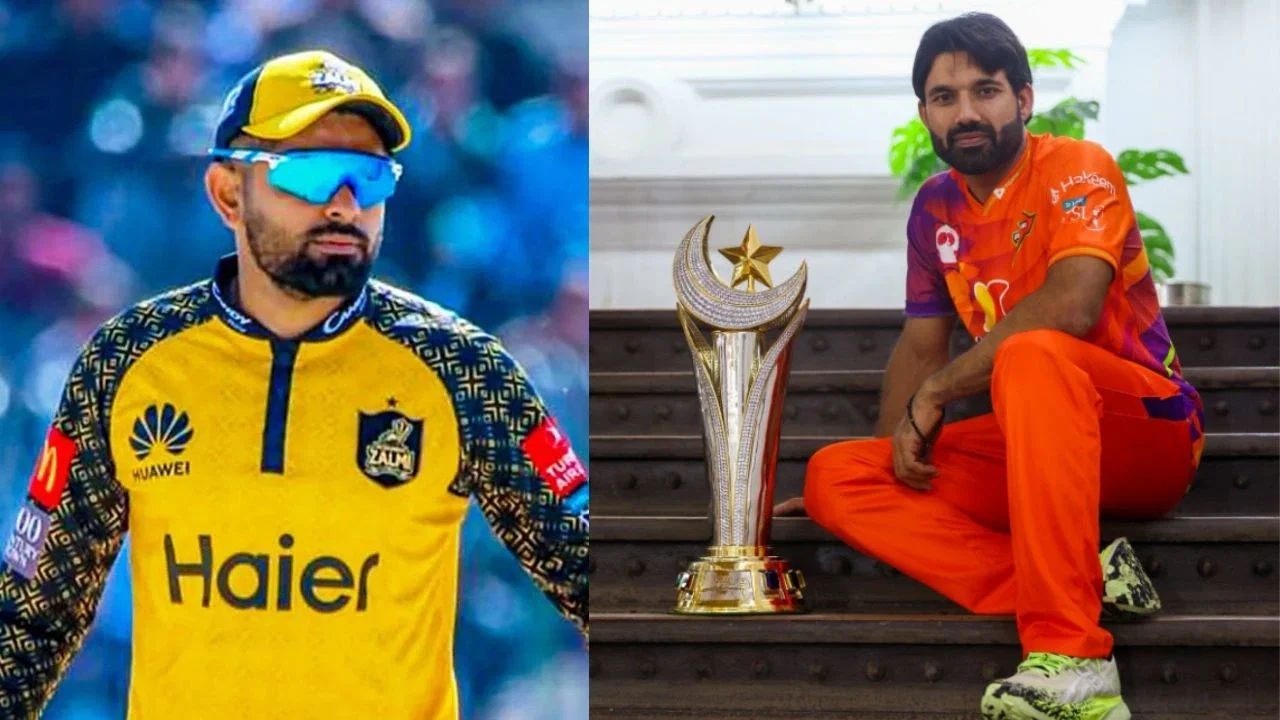
Aakash Chopra exposes England and Australia’s hypocrisy on ‘custodians of cricket’ claim

Australia’s Hopes Dwindle in 2026 T20 World Cup
Australia’s journey in the 2026 T20 World Cup has hit a major roadblock after suffering a defeat against Sri Lanka by 8 wickets on Monday. This loss has put their qualification for the knockout stages in jeopardy.
The Challenge for Australia
The Australian team has faced numerous challenges in this World Cup campaign, especially after losing key fast bowlers like Josh Hazelwood and Pat Cummins due to injuries. The absence of these premier players has significantly impacted their performance on the field.
After an earlier defeat against Zimbabwe, Australia’s path to the knockout stages became even more difficult. The team has struggled to secure victories in the T20 World Cup format, especially against Zimbabwe, losing both encounters in the past.
Criticism from Aakash Chopra
Former India opener Aakash Chopra has raised questions about Australia and England’s roles as the “custodians of cricket.” Chopra highlighted the lack of engagement from these nations with associate nations and the limited number of matches played outside of ICC events.
Chopra criticized Australia and England for not actively participating in matches against associate nations like Zimbabwe, Afghanistan, and Ireland. He pointed out that Australia had only played a total of six matches in ODIs and T20s outside of ICC events in the last five years, which he deemed insufficient for the growth of the sport.
England’s Role in Growing Cricket
Chopra also underscored England’s limited engagement with associate nations, citing only nine matches played outside of ICC events in the last five years. He emphasized the need for full member nations to do more to promote and grow the game globally.
Comparatively, Chopra praised India’s efforts in playing a total of 36 matches in the same period, with a significant number of games against associate nations. He highlighted India’s proactive approach in supporting the growth of cricket worldwide.
Australia and England’s Current Situation
As the T20 World Cup progresses, Australia faces a challenging path to the Super 8s. Their upcoming match against Oman will be crucial, and their fate also depends on the results of Zimbabwe’s remaining matches.
England, on the other hand, has secured a spot in the next rounds but faces tough competition in the Super 8s matches in Sri Lanka, known for its spin-friendly pitches. The team will need to perform at their best to advance further in the tournament.
In conclusion, Australia’s defeat against Sri Lanka has put their qualification in jeopardy, while questions about the role of full member nations in promoting cricket globally continue to be raised by experts like Aakash Chopra. It remains to be seen how Australia and England will respond to these criticisms and challenges in the world of cricket.
Australia’s Struggles and the Importance of Team Depth
Australia’s defeat against Sri Lanka in the 2026 T20 World Cup has highlighted the importance of team depth in international cricket tournaments. The absence of key players like Josh Hazelwood and Pat Cummins due to injuries has exposed the limitations of Australia’s fast bowling resources. This situation underscores the need for teams to have a strong bench strength to navigate through challenges and maintain their competitive edge in major tournaments.
Despite the setbacks, Australia still has talented players like David Warner, Steve Smith, and Glenn Maxwell who have the potential to turn the team’s fortunes around. However, the team will need to regroup, strategize effectively, and make the most of their remaining matches to keep their hopes alive in the competition.
The Impact of Strategic Partnerships in Cricket Development
While Aakash Chopra’s criticism of Australia and England’s limited engagement with associate nations raises valid points, it also underscores the importance of strategic partnerships in cricket development. Full member nations have a responsibility to support the growth of cricket globally by engaging with associate nations, providing opportunities for competitive matches, and sharing knowledge and resources.
Collaborations between cricket boards, international organizations, and sponsors can play a significant role in promoting the sport in emerging cricketing nations. By fostering these partnerships, cricket can reach new markets, attract a wider fan base, and create more opportunities for players from diverse backgrounds to showcase their talent on the international stage.
The Evolution of T20 Cricket and Adaptation Strategies
As the T20 World Cup unfolds, teams like Australia and England must adapt to the changing dynamics of the game, especially in light of evolving pitch conditions and playing styles. In a format known for its fast-paced nature and high-scoring games, teams need to be agile, innovative, and strategic in their approach to succeed.
Australia’s upcoming match against Oman presents an opportunity for the team to reassess their tactics, make necessary adjustments, and deliver a strong performance to stay in contention for the knockout stages. Similarly, England’s challenge in facing spin-friendly pitches in Sri Lanka underscores the importance of adaptability and versatility in modern-day cricket.
The Future of Cricket and Global Expansion
As cricket continues to grow as a global sport, there is a need for full member nations to take proactive steps in promoting inclusivity, diversity, and sustainability in the game. Initiatives like the ICC’s development programs, talent scouting networks, and grassroots cricket initiatives are essential in nurturing the next generation of cricketers and expanding the sport’s reach to new audiences.
By embracing a collaborative and forward-thinking approach, cricket can transcend boundaries, bridge cultural divides, and unite fans from all corners of the world in celebrating the spirit of sportsmanship and camaraderie. The challenges faced by teams like Australia and England in the 2026 T20 World Cup serve as reminders of the evolving landscape of cricket and the need for continuous innovation and adaptation to thrive in the ever-changing world of sports.
As the tournament progresses, it will be intriguing to see how teams overcome their obstacles, showcase their resilience, and contribute to the rich tapestry of cricketing history.
Latest News

Naseem Shah charged with central contract violation during PSL 2026
MS Dhoni out of IPL 2026, has not recovered from calf strain
Jasprit Bumrah set to lead MI attack in blockbuster IPL 2026 clash vs KKR
Mitchell Starc to miss IPL 2026, wife Alyssa Healy drops massive update on injury

Nick Knight rejects PSL to join IPL commentary panel
MS vs ISU Match Prediction, Pitch & Weather Report, Playing XIs, Head-to-Head, Free Live Streaming – PSL 2026 Match 4
“MS Dhoni doesn’t attend team discussions” – Ruturaj Gaikwad makes stunning revelationtaincy Role

Ben Duckett breaks silence on Noosa Clip scandal, calls it ‘Worst’ moment in cricketing career
“IPL players are grossly underpaid”: Ex-CSK star calls out BCCI
Ahmed Shehzad summoned as former Pakistan skipper takes legal action over serious allegations
CSK to feature without their legendary duo MS Dhoni and Suresh Raina for the first time
Ishan Kishan set to create history as SRH captain in IPL 2026 opener against RCB

RCB Playing XI vs SRH Playing XI – Match No. 1 | IPL 2026
Delhi Capitals IPL 2026 Full Schedule: DC Fixtures, Dates, Timings and Venues | Squad and Coaches