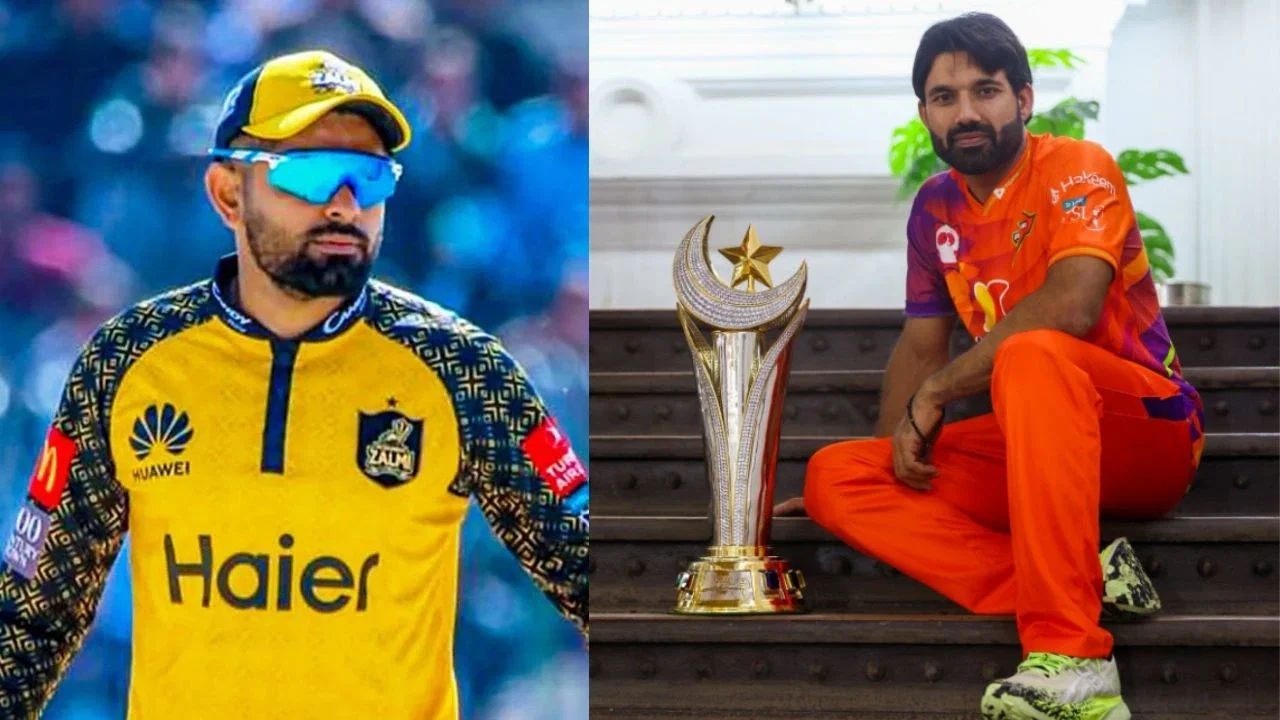
Aaqib Javed takes responsibility for Pakistan’s CT 2025 disaster, makes big statement on Babar Azam
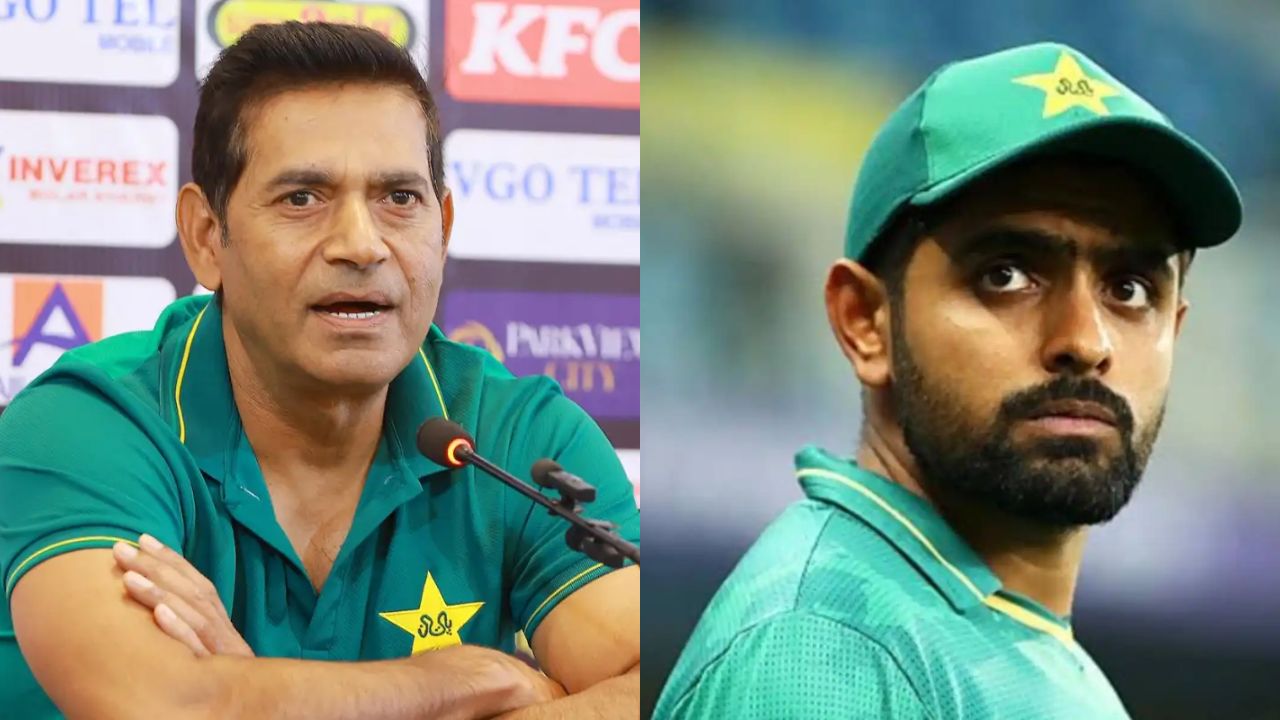
Aaqib Javed Takes Responsibility for Pakistan’s Disappointing Performance in Champions Trophy
Pakistan’s interim head coach, Aaqib Javed, has stepped up to take responsibility for the team’s lackluster performance in the ongoing Champions Trophy. The team suffered defeats in their first two games against New Zealand and India, ultimately leading to their elimination from the tournament.
Defending Star Players
Javed defended his team’s star cricketers, including Babar Azam and the pace trio of Shaheen Afridi, Naseem Shah, and Haris Rauf, despite their recent ordinary performances. He stood firm in his belief that these players are among the best in the world, despite their recent setbacks.
Addressing Tough Questions
During a press conference before the final match against Bangladesh, Javed faced tough questions from journalists. He acknowledged that the team’s defeat was a bitter pill to swallow, stating, “It’s my responsibility – whatever happens, it’s on me.” This display of accountability from the coach showcases his commitment to the team’s success.
No Immediate Revamp
When questioned about potential changes in the team following the losses, Javed dismissed the notion of a complete overhaul. He emphasized that one defeat should not warrant wholesale changes, stating, “We can’t change the whole team and play an Under-19 side just because the team has lost.”
Comparing with Team India
Javed also addressed the disparity in experience between Pakistan and India, noting that the Indian team has significantly more ODI matches under its belt. He highlighted the importance of experience in high-pressure games, acknowledging the challenges faced by the less experienced Pakistani side.
Sticking with Squad Selection
Despite scrutiny over the squad selection, Javed stood by his decision, asserting that every player was chosen based on their performances. He defended the exclusion of left-arm wrist-spinner Sufiyan Muqeem, citing his lack of international experience as a key factor in the decision-making process.
Looking Ahead
As Pakistan prepares to face Bangladesh in the final match of the Champions Trophy, the team aims to end their campaign on a positive note. While they may be out of contention for the semi-finals, the players are motivated to put on a strong performance and redeem themselves after a challenging tournament.
Overall, Aaqib Javed’s willingness to take responsibility and defend his players underscores his dedication to the team’s success. As Pakistan looks towards future competitions, they will undoubtedly draw upon these experiences to grow and improve as a unit.
Analysing the Root of Pakistan’s Underperformance
While Aaqib Javed may have taken responsibility for Pakistan’s disappointing performance in the Champions Trophy, there are broader factors at play that have contributed to the team’s lackluster showing. One key aspect to consider is the team’s inconsistent batting lineup, which has struggled to put up competitive totals in crucial matches. The overreliance on a few key players like Babar Azam has left the team vulnerable when these players fail to deliver.
Additionally, Pakistan’s bowling attack, which was once considered their strength, has also faltered in critical moments. The pace trio of Shaheen Afridi, Naseem Shah, and Haris Rauf, touted as the future of Pakistani fast bowling, has struggled to maintain consistency and pick up wickets when needed the most. This has put added pressure on the team’s batsmen to perform, creating a cycle of underperformance.
Strategic Adjustments for Future Success
As Pakistan looks ahead to future tournaments, including the upcoming World Cup, it will be crucial for the coaching staff to address these underlying issues. Aaqib Javed and his team will need to work on developing a more balanced and resilient team that can withstand the pressures of top-tier international cricket. This may involve investing in emerging talents, diversifying the batting lineup, and providing additional support to the bowlers to help them regain their form.
Strategic changes in tactics and game plans will also be essential for Pakistan to compete at the highest level. The coaching staff will need to analyze the strengths and weaknesses of their opponents more effectively, make proactive in-game adjustments, and instill a sense of resilience and adaptability in the players to overcome challenging situations.
The Importance of Mental Strength
Another crucial aspect that Pakistan will need to focus on is the mental aspect of the game. Building mental resilience and fortitude in the players will be key to ensuring they perform consistently under pressure. This may involve working with sports psychologists, implementing mindfulness techniques, and fostering a culture of support and camaraderie within the team to help players cope with the demands of international cricket.
Learning from the Best
Looking to teams like India, England, and Australia, who have consistently performed well in international tournaments, can provide valuable lessons for Pakistan. Studying their strategies, team dynamics, and approaches to player development can help Pakistan emulate their success and establish themselves as a force to be reckoned with in world cricket.
By taking a holistic approach to team development, focusing on both technical skills and mental resilience, Pakistan can position themselves for success in future competitions. While the Champions Trophy may have been a disappointment, it can serve as a learning experience and a catalyst for positive change within the team.
As Aaqib Javed and his coaching staff reflect on the team’s performance and plan for the future, there is an opportunity for Pakistan to regroup, re-strategize, and emerge stronger than ever on the international cricket stage.
Latest News
Naseem Shah charged with central contract violation during PSL 2026
MS Dhoni out of IPL 2026, has not recovered from calf strain
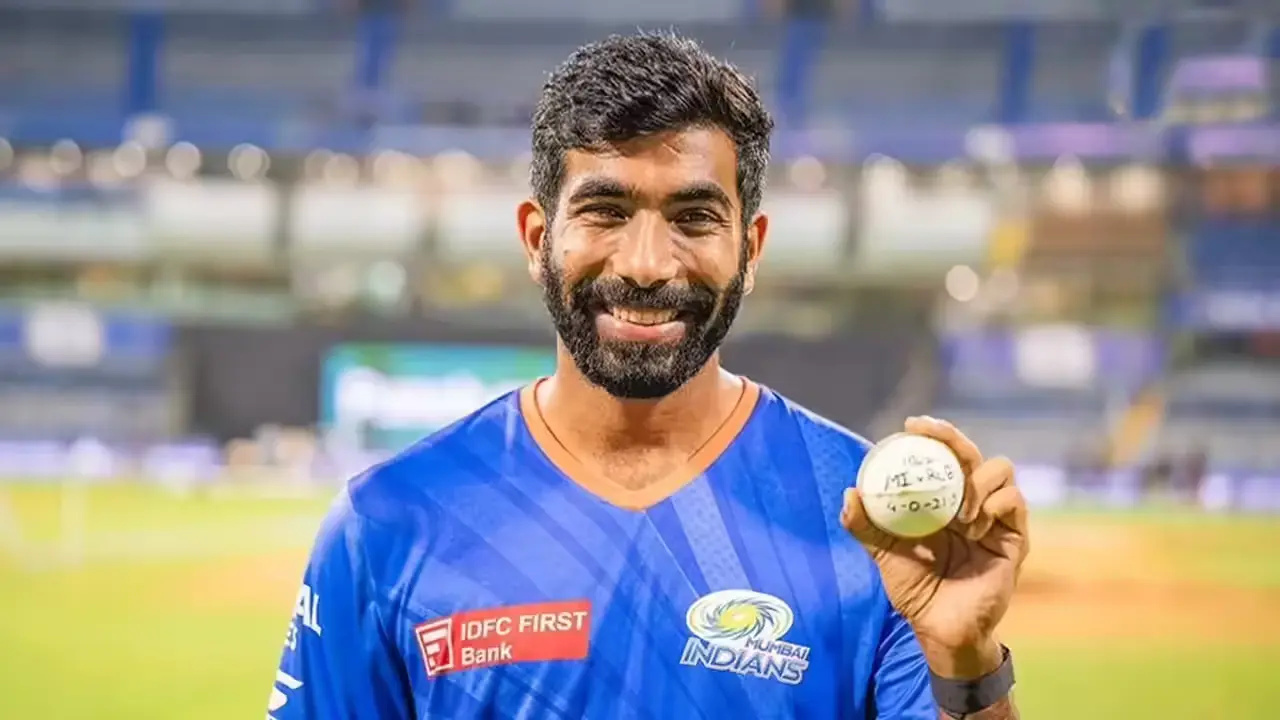
Jasprit Bumrah set to lead MI attack in blockbuster IPL 2026 clash vs KKR
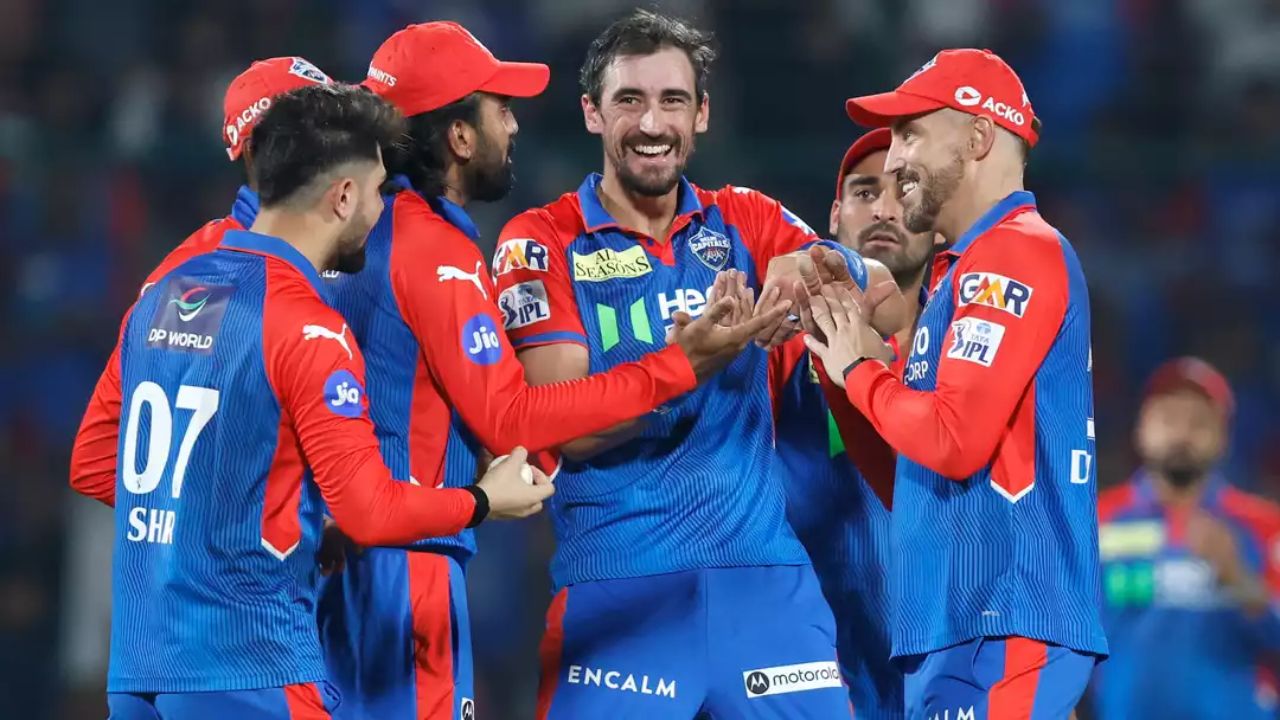
Mitchell Starc to miss IPL 2026, wife Alyssa Healy drops massive update on injury

Nick Knight rejects PSL to join IPL commentary panel

MS vs ISU Match Prediction, Pitch & Weather Report, Playing XIs, Head-to-Head, Free Live Streaming – PSL 2026 Match 4
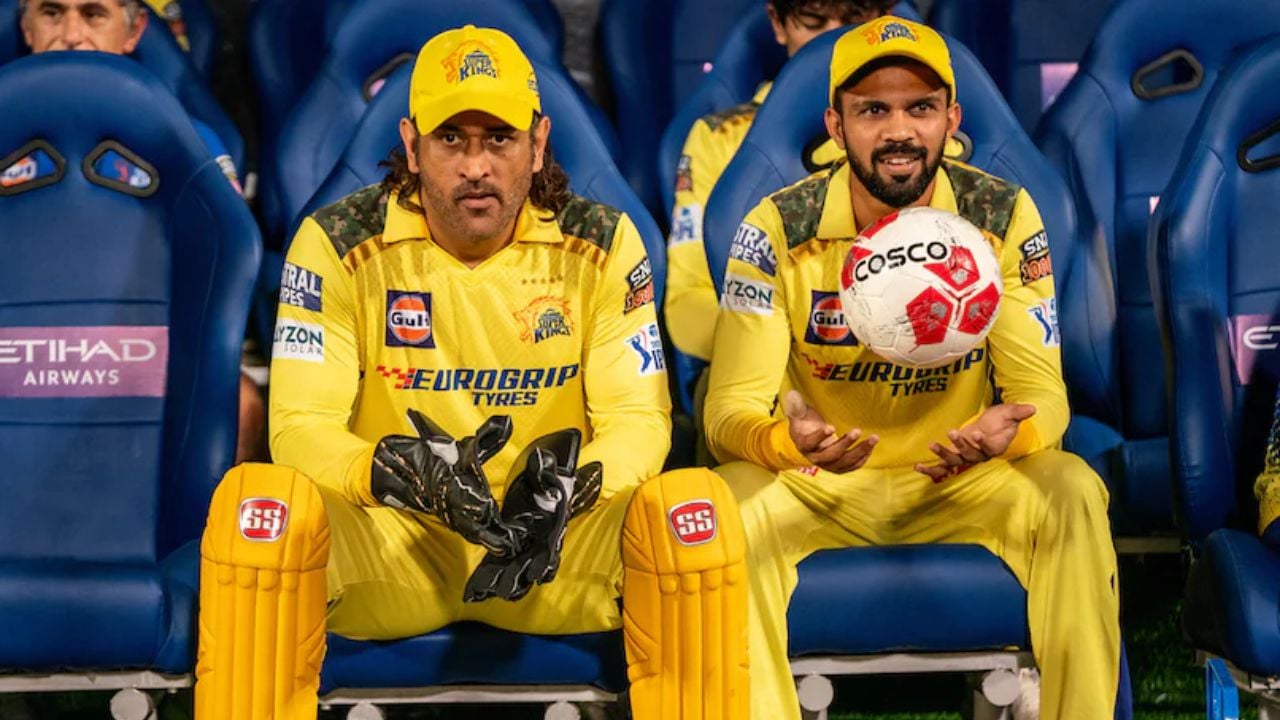
“MS Dhoni doesn’t attend team discussions” – Ruturaj Gaikwad makes stunning revelationtaincy Role

Ben Duckett breaks silence on Noosa Clip scandal, calls it ‘Worst’ moment in cricketing career
“IPL players are grossly underpaid”: Ex-CSK star calls out BCCI
Ahmed Shehzad summoned as former Pakistan skipper takes legal action over serious allegations
CSK to feature without their legendary duo MS Dhoni and Suresh Raina for the first time
Ishan Kishan set to create history as SRH captain in IPL 2026 opener against RCB

RCB Playing XI vs SRH Playing XI – Match No. 1 | IPL 2026
Delhi Capitals IPL 2026 Full Schedule: DC Fixtures, Dates, Timings and Venues | Squad and Coaches