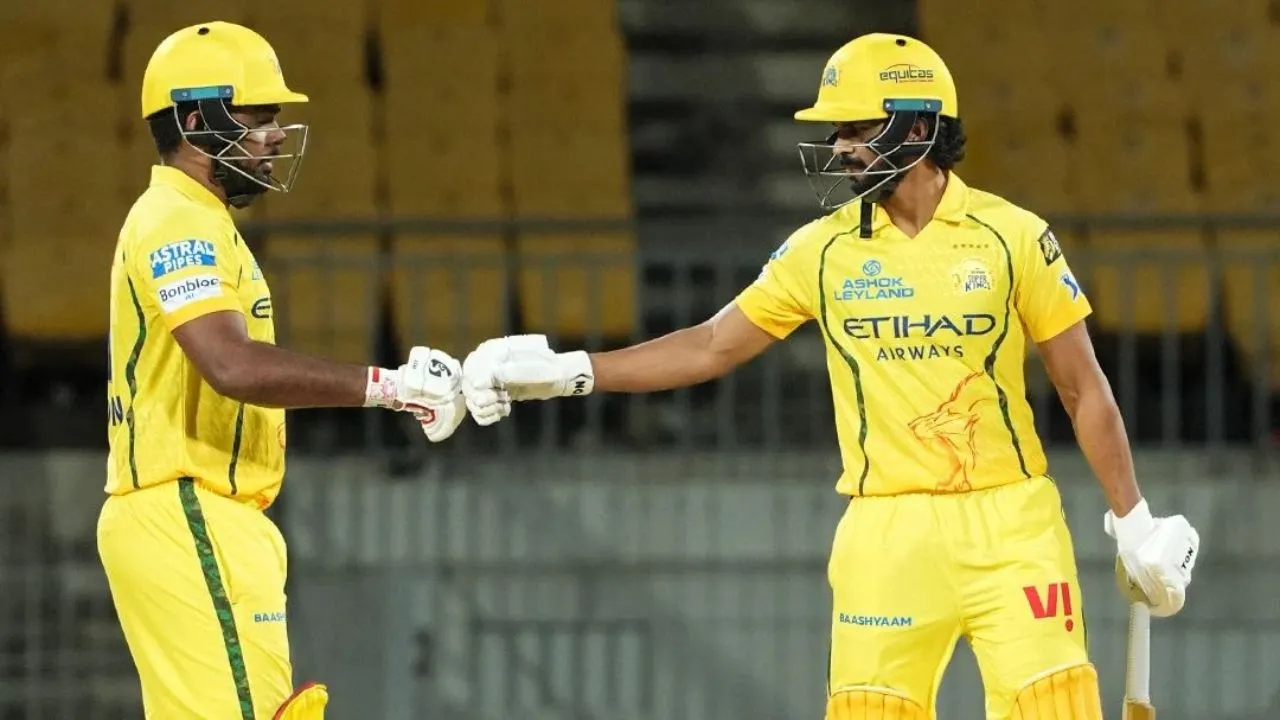
AB de Villiers caught vaping Live on TV, panics after realising he’s on camera during SA20 match

Pretoria Capitals Defeat MI Cape Town as AB de Villiers Sparks Controversy
In a surprising turn of events during the SA20 2025-26 season, former South Africa captain AB de Villiers found himself at the center of controversy when he was caught on camera vaping in the dressing room while watching the Pretoria Capitals take on MI Cape Town. The incident quickly garnered attention on social media, with fans sharing and discussing the footage.
Pretoria Capitals Clinch Victory and Claim Top Spot
The match itself saw Pretoria Capitals deliver a commanding performance, securing a 53-run victory over MI Cape Town on Monday, January 12. This win propelled them to the top of the SA20 standings with a total of 20 points, surpassing Sunrisers Eastern Cape who dropped to second place with 19 points.
During Pretoria Capitals’ innings, a camera captured de Villiers vaping in the stands after the eighth over. Although the broadcast quickly cut away, the moment did not go unnoticed by sharp-eyed viewers, sparking discussions about smoking habits among cricketers.
De Villiers Joins a List of Cricketers Linked to Smoking During Matches
AB de Villiers is not the first cricketer to be associated with smoking during a game. Players like Brendon McCullum and Ben Stokes have also admitted to smoking in high-pressure situations. McCullum famously revealed that he smoked in the dressing room toilets during New Zealand’s 2015 World Cup semi-final, while Stokes confessed to smoking a cigarette before the super over in the 2019 World Cup final.
AB de Villiers’ Remarkable Career Statistics
Despite the vaping controversy, de Villiers’ cricketing career boasts impressive numbers across formats. In ODIs, he amassed 9,577 runs at an average of 53.50 and a strike rate exceeding 101, showcasing his ability to dominate bowling attacks. His Test record is equally impressive, with 8,765 runs in 114 matches at an average of nearly 51, including 22 centuries.
While his T20I numbers may be lower compared to other formats, de Villiers excelled in overall T20 cricket, scoring 9,424 runs in 340 matches at an average of 37.24 and a strike rate above 150. He holds the record for the most Player of the Match awards in the IPL, underscoring his consistency and impact in the shortest format.
Pretoria Capitals’ Dominant Performance Against MI Cape Town
On the field, Sherfane Rutherford starred for Pretoria Capitals, scoring a rapid 53 off 27 balls with three fours and five sixes. His partnership with Dewald Brevis, who contributed 69 runs in 34 balls, helped push the team’s total to 185/6.
MI Cape Town faced challenges during the death overs, dropping crucial catches and losing wickets in quick succession. Despite Reeza Hendricks’ resilient 68 not out, they could only manage 132/7 in their chase, falling short against a relentless Pretoria Capitals bowling attack led by Gideon Peters.
In conclusion, while AB de Villiers’ vaping incident may have sparked controversy, Pretoria Capitals’ emphatic victory over MI Cape Town showcased their strength as a team and their determination to dominate the SA20 league. With de Villiers’ legacy and the team’s current form, cricket fans can expect more thrilling performances in the seasons to come.
AB de Villiers’ Impact Beyond Statistics
Despite the focus on AB de Villiers’ controversial vaping incident, his influence on the game extends far beyond mere statistics. Known for his innovative stroke play, astonishing athleticism, and unmatched versatility, de Villiers redefined the role of a modern cricketer. His ability to adapt to various situations and formats made him a valuable asset to any team he represented.
De Villiers’ unconventional shot selection and 360-degree batting style revolutionized the way batsmen approached the game. His audacious scoops, reverse sweeps, and ability to clear the boundaries effortlessly made him a fan favorite worldwide. Beyond his on-field exploits, de Villiers’ leadership qualities and sportsmanship earned him respect from teammates and opponents alike.
The Evolution of Smoking in Cricket
The revelation of cricketers using smoking as a coping mechanism during high-pressure matches sheds light on the mental challenges athletes face amidst intense competition. While smoking is generally discouraged due to its detrimental health effects, some players have admitted to turning to it as a stress-relief tactic in critical moments. The discussion around smoking in cricket highlights the need for comprehensive mental health support for players to manage performance anxiety effectively.
Strategies for Enhancing Player Wellness in Cricket
As the spotlight on cricketers’ mental health intensifies, cricket boards and governing bodies are increasingly recognizing the importance of prioritizing player well-being. Implementing mental health awareness programs, providing access to counseling services, and creating safe spaces for open discussions about mental health challenges can help athletes navigate the pressures of professional sport more effectively.
Encouraging players to adopt healthy coping mechanisms, such as mindfulness practices, relaxation techniques, and seeking professional help when needed, can contribute to a more supportive environment for cricketers to thrive both on and off the field. By addressing mental health concerns proactively, cricket organizations can promote a culture of holistic wellness among their players.
The Future of Cricket: Balancing Performance and Well-Being
As cricket continues to evolve, striking a balance between on-field performance and player well-being remains a crucial aspect of the game’s sustainability. Emphasizing the importance of mental wellness alongside physical fitness and skill development can lead to healthier, more resilient athletes who can perform at their peak consistently.
By fostering a culture of understanding, empathy, and support within the cricketing community, players like AB de Villiers can feel empowered to prioritize their mental health without fear of judgment. As the sport progresses, embracing a holistic approach to player development that values mental well-being as much as physical prowess will be essential in shaping the future of cricket.
Conclusion
In conclusion, while AB de Villiers’ vaping incident may have sparked controversy, it has opened up important conversations around mental health and coping mechanisms in cricket. The Pretoria Capitals’ victory over MI Cape Town not only showcased their dominance on the field but also highlighted the complexities of being a professional athlete. As the cricketing world navigates the intersection of performance and well-being, the legacy of players like de Villiers serves as a reminder of the multifaceted nature of the sport and the need for comprehensive support systems to nurture athletes’ holistic development.
Latest News
Ben Stokes return date revealed after injury layoff, set to miss start of season
Mitchell Starc issues official statement on his IPL 2026 availability
Matheesha Pathirana IPL return date revealed, set to miss two matches

Living Like Prince: Shubman Gill Buys a Massive ₹20.7 Cr Luxury Home in Juhu.
Not Vaibhav Sooryavanshi! Shashank Singh points out the most exciting young batter in IPL 2026
Rohit Sharma will perform better than Virat Kohli in IPL 2026, claims South Africa GOAT
Ravichandran Ashwin set to team up with Haris Rauf for San Francisco Unicorns in MLC
Jasprit Bumrah, Matheesha Pathirana injury updates: MI, KKR coaches issue official medical bulletin
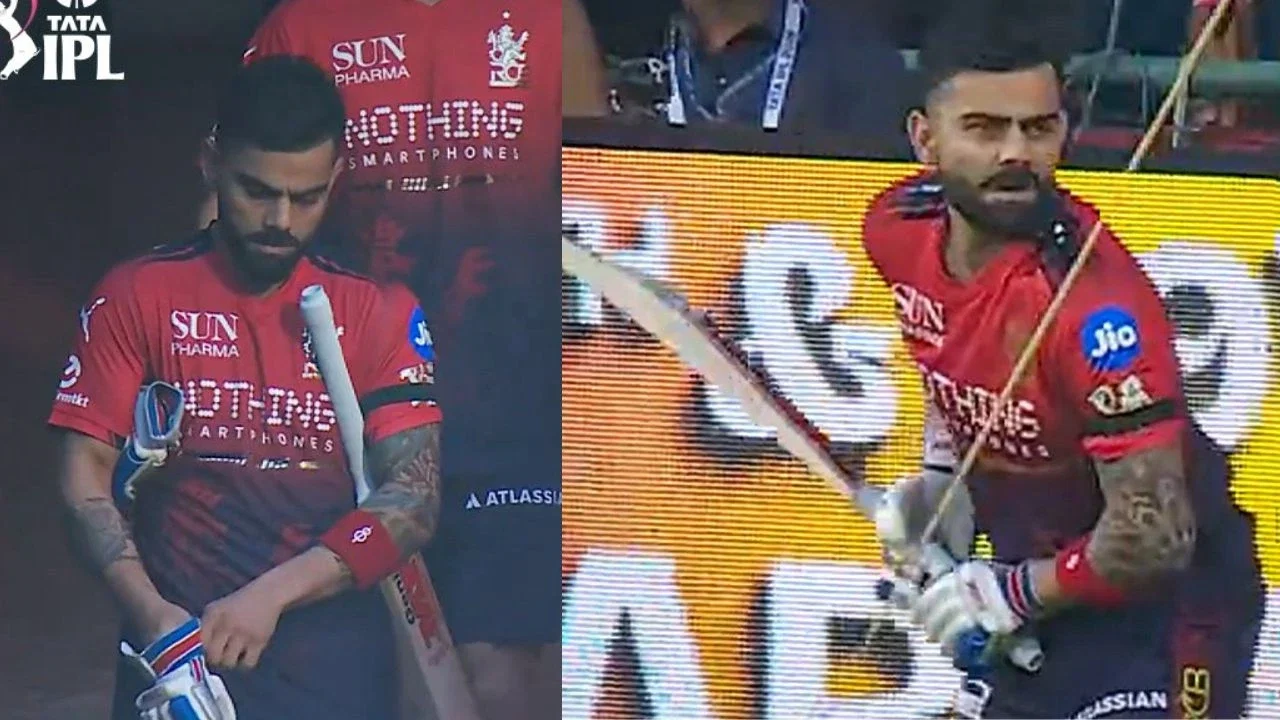
Why are RCB players wearing black armbands today vs SRH in IPL 2026 Match 1?
RCB vs SRH Impact Players Today: Toss Report, Playing XIs, Latest Updates IPL 2026 Match 1
Yograj Singh makes blunt remark at Virat Kohli and Rohit Sharma over early retirement calls
Bhuvneshwar Kumar on brink of IPL history, needs two wickets for massive milestone
IPL to be broadcasted? Bangladesh government drops massive update on IPL broadcast ban
SRH fans to boycott IPL? Former India cricketer shares insights on social media drama around Abrar Ahmed