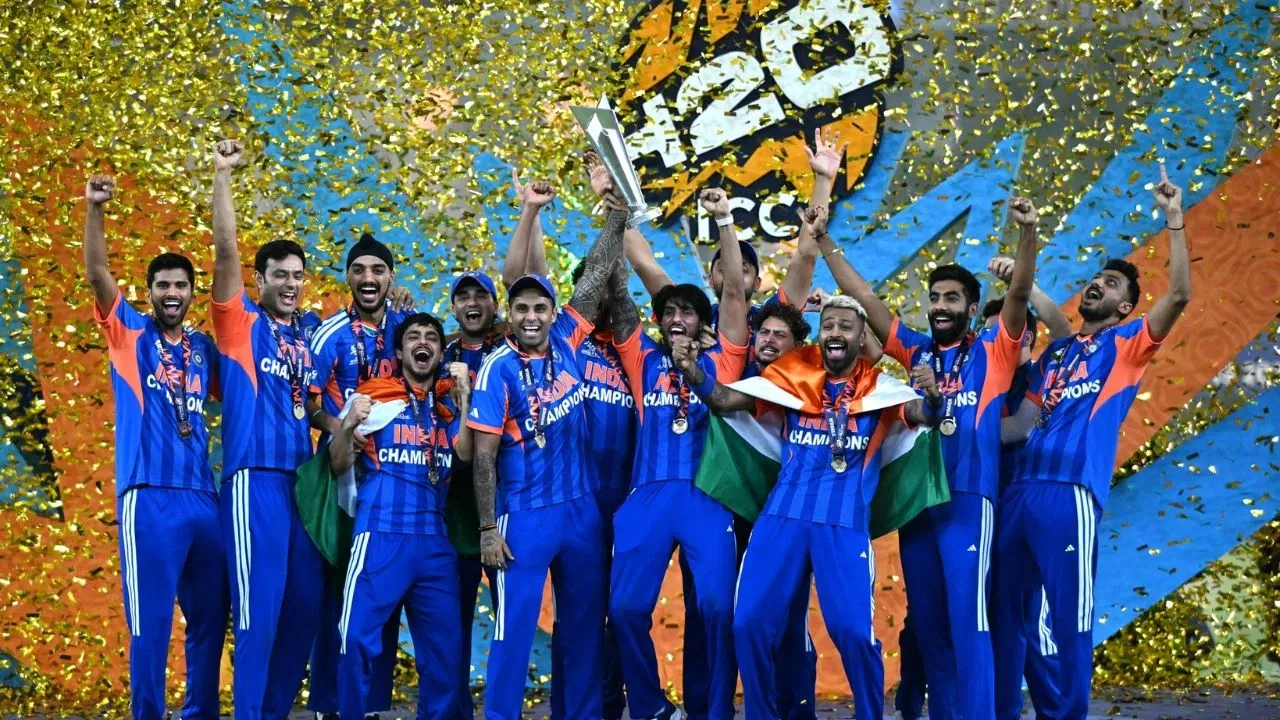
Abhishek Sharma punches his bat in anger after dismissal in T20 World Cup 2026 final
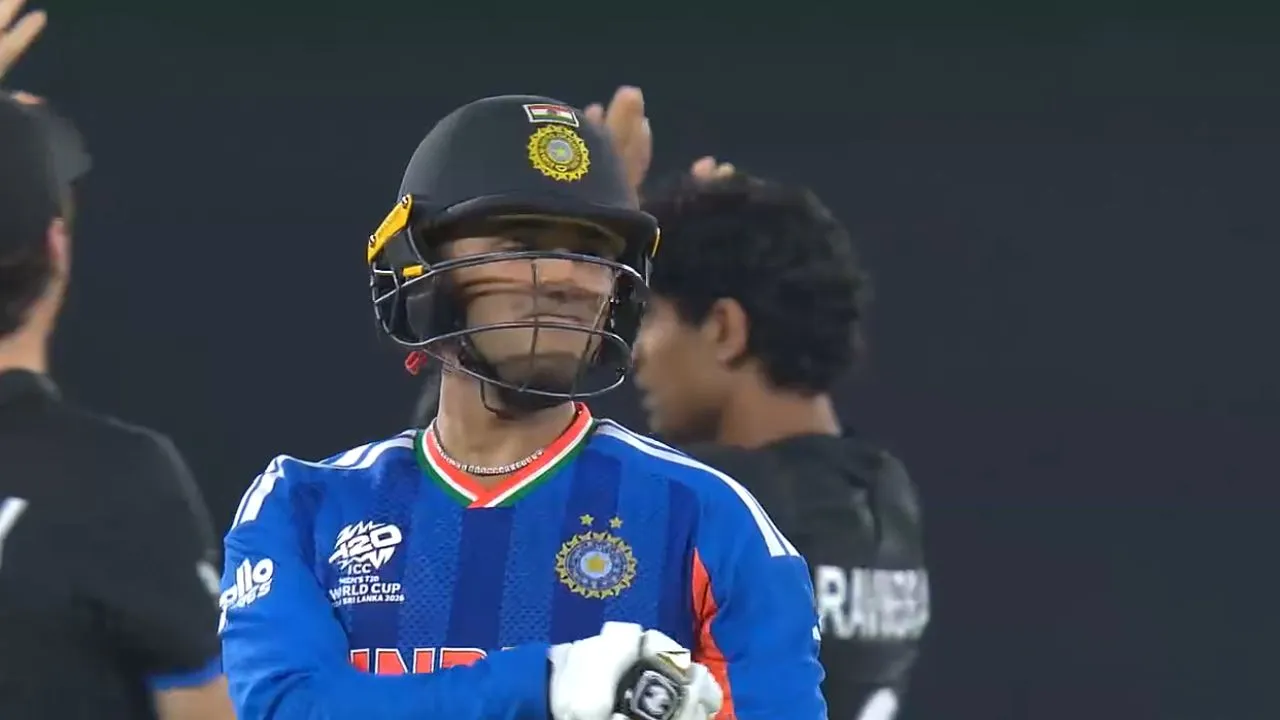
New Zealand Cricket Team Successfully Removes Abhishek Sharma in T20 World Cup Final
During a thrilling T20 World Cup final match held at the Narendra Modi Stadium in Ahmedabad, the New Zealand cricket team managed to dismiss the dangerous Abhishek Sharma, much to their delight. Sharma, who had been struggling with his batting form before the final, showcased a remarkable comeback by scoring a stormy half-century. His innings of 52 off 21 balls included six boundaries and three sixes, resulting in an impressive strike rate of 247.62.
Key Moment in the Match
As Sharma was looking to continue his aggressive batting, he unfortunately lost his balance while facing a delivery from spinner Rachin Ravindra. The ball took a slight edge off Sharma’s bat, leading to his dismissal. Tim Seifert, the wicketkeeper for New Zealand, made no mistake in collecting the ball and securing the crucial wicket.
Sharma’s departure was a stroke of luck for the Blackcaps, as the talented batsman’s unbalanced shot resulted in his downfall. Despite his disappointment at the manner of his dismissal, Sharma’s contribution to the Indian team’s total was significant.
India Sets Record for Fastest 100 in T20 World Cup Knockouts
Following Sharma’s aggressive knock, the Indian team reached the 100-run mark in just 7.2 overs, setting a new record for the fastest century in T20 World Cup knockout matches. With Sanju Samson leading the charge with his 89 runs and contributions from Ishan Kishan, India posted a formidable total of 255 runs in their 20 overs, losing 5 wickets in the process.
Despite a slight stumble in the middle order, a quickfire innings by Shivam Dube helped India surpass the 250-run mark. Samson’s innings of 89 runs became the highest individual score in a T20 World Cup final, surpassing previous records set by Marlon Samuels and Kane Williamson. The Indian team collectively hit 37 boundaries during their innings, showcasing their dominance with the bat.
New Zealand’s Challenging Task Ahead
With India posting a formidable total, New Zealand now faces a daunting task of chasing down the target. The Kiwi team will need to put up a strong batting performance to overcome India’s imposing total and emerge victorious in the T20 World Cup final.
As the match progresses, the world is watching eagerly to see if New Zealand can mount a successful run chase against the Indian team’s imposing target. The T20 World Cup final promises to be a thrilling contest filled with excitement and tension until the final delivery is bowled.
Abhishek Sharma’s Performance in the T20 World Cup Final
Abhishek Sharma’s innings in the T20 World Cup final was a testament to his talent and ability to perform under pressure. Despite his struggles with form leading up to the final, he managed to showcase his aggressive batting style and make a significant impact on the game. His quickfire half-century not only helped India set a strong total but also put the New Zealand team on notice with his explosive stroke play.
Sharma’s aggressive approach to batting was a key factor in India’s fast start, allowing them to set a record for the fastest century in T20 World Cup knockout matches. His ability to find the boundaries consistently and clear the ropes with ease demonstrated his potential as a match-winner for the Indian team.
Impact of Sharma’s Dismissal on the Match
While Sharma’s dismissal was a crucial moment in the match, it also highlighted the unpredictability of cricket and the fine margins that can determine the outcome of a game. His unbalanced shot and subsequent dismissal served as a stark reminder of the importance of concentration and technique in high-pressure situations.
For the New Zealand team, Sharma’s wicket provided a much-needed breakthrough and shifted the momentum in their favor. It also showcased the importance of seizing opportunities when they arise and capitalizing on the mistakes of the opposition.
New Zealand’s Bowling Strategy
Following Sharma’s dismissal, the New Zealand bowlers regrouped and implemented a strategic bowling plan to contain the Indian batsmen and restrict the flow of runs. Captain Kane Williamson’s astute captaincy and field placements played a crucial role in building pressure on the Indian team and taking wickets at regular intervals.
Bowlers like Trent Boult, Tim Southee, and Ish Sodhi utilized their variations effectively to keep the Indian batsmen in check and prevent any substantial partnerships from forming. The disciplined bowling performance by the Blackcaps highlighted their ability to adapt to different situations and execute their plans with precision.
New Zealand’s Run Chase
With a formidable target set by India, the New Zealand team faced a challenging task in their run chase. The pressure was on their top order batsmen to lay a solid foundation and build partnerships to keep up with the required run rate.
Players like Martin Guptill, Devon Conway, and Kane Williamson needed to anchor the innings and ensure they capitalized on scoring opportunities while keeping wickets in hand. The middle order, consisting of players like Glenn Phillips and Jimmy Neesham, would then be responsible for accelerating the run rate and finishing the innings strongly.
Conclusion
The T20 World Cup final between India and New Zealand promises to be a thrilling contest that showcases the unpredictable nature of cricket. With both teams displaying strong performances in different aspects of the game, it will ultimately come down to executing under pressure and making the right decisions at critical moments.
As the match unfolds, cricket fans around the world will be eagerly watching to see which team emerges victorious and lifts the prestigious T20 World Cup trophy. The competitive spirit, skill, and determination of both teams make this final a must-watch event for cricket enthusiasts everywhere.
Latest News
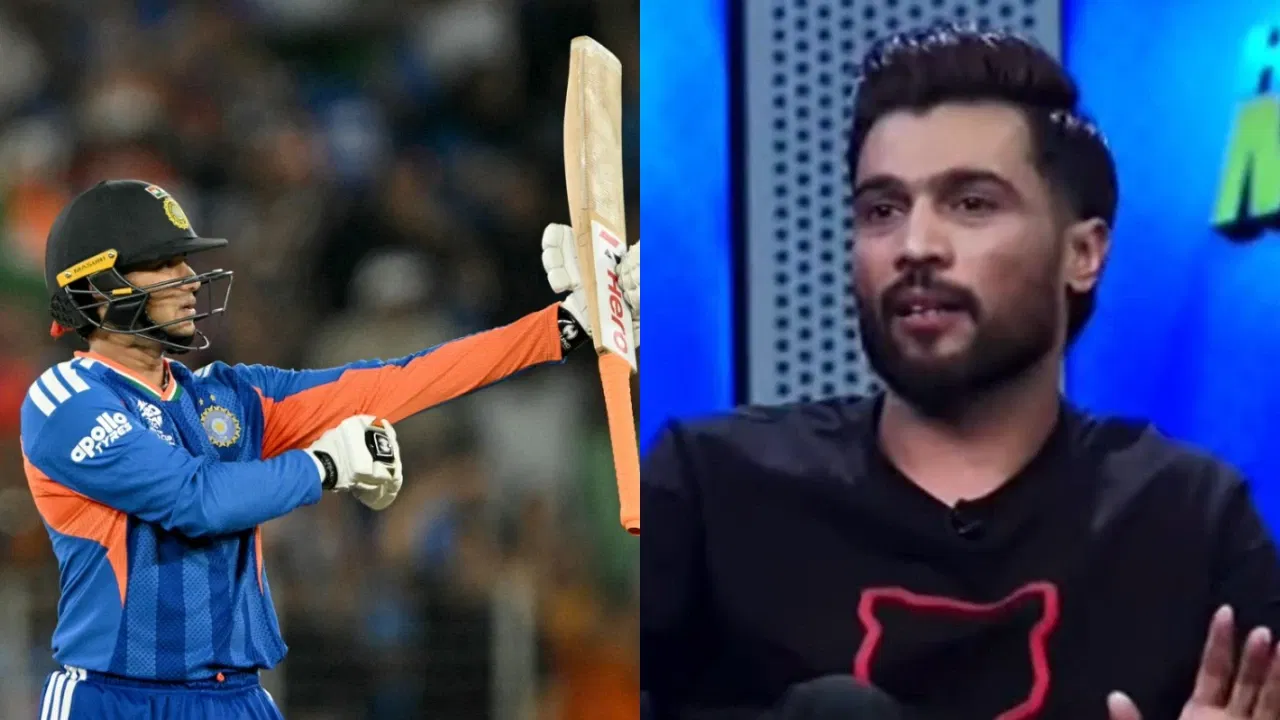
Mohammad Amir breaks silence after Abhishek Sharma slaps him in the face with T20 WC final heroics
24-year-old Pakistan cricketer announces retirement after T20 World Cup 2026 disaster
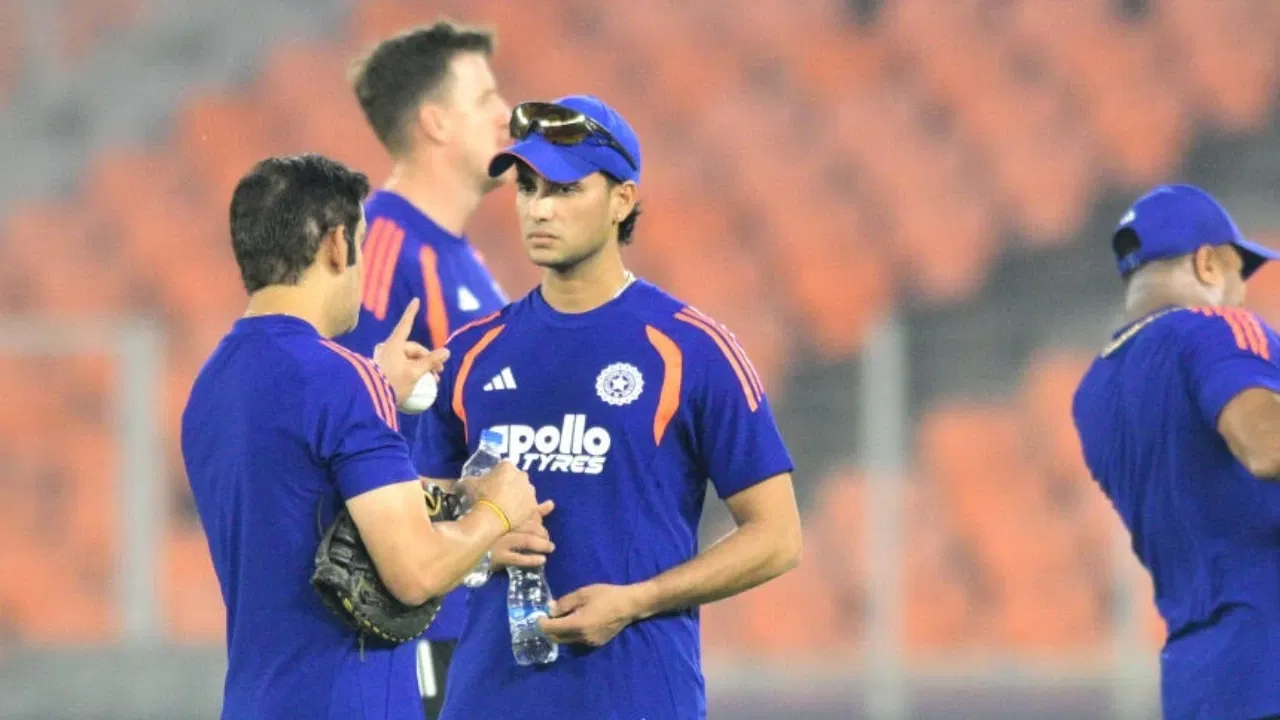
Yuvraj Singh pressure? Gautam Gambhir reveals why Abhishek Sharma wasn’t dropped despite horrible form
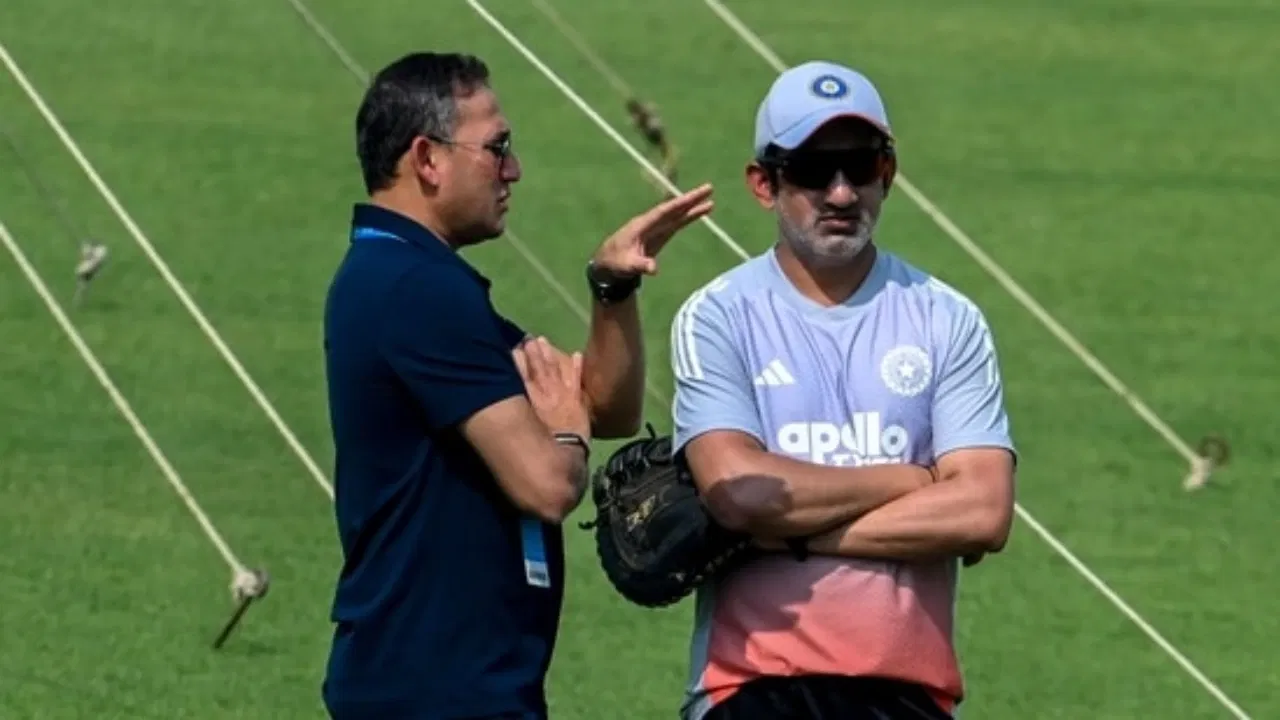
Gautam Gambhir drops big update on India’s 2027 World Cup plans
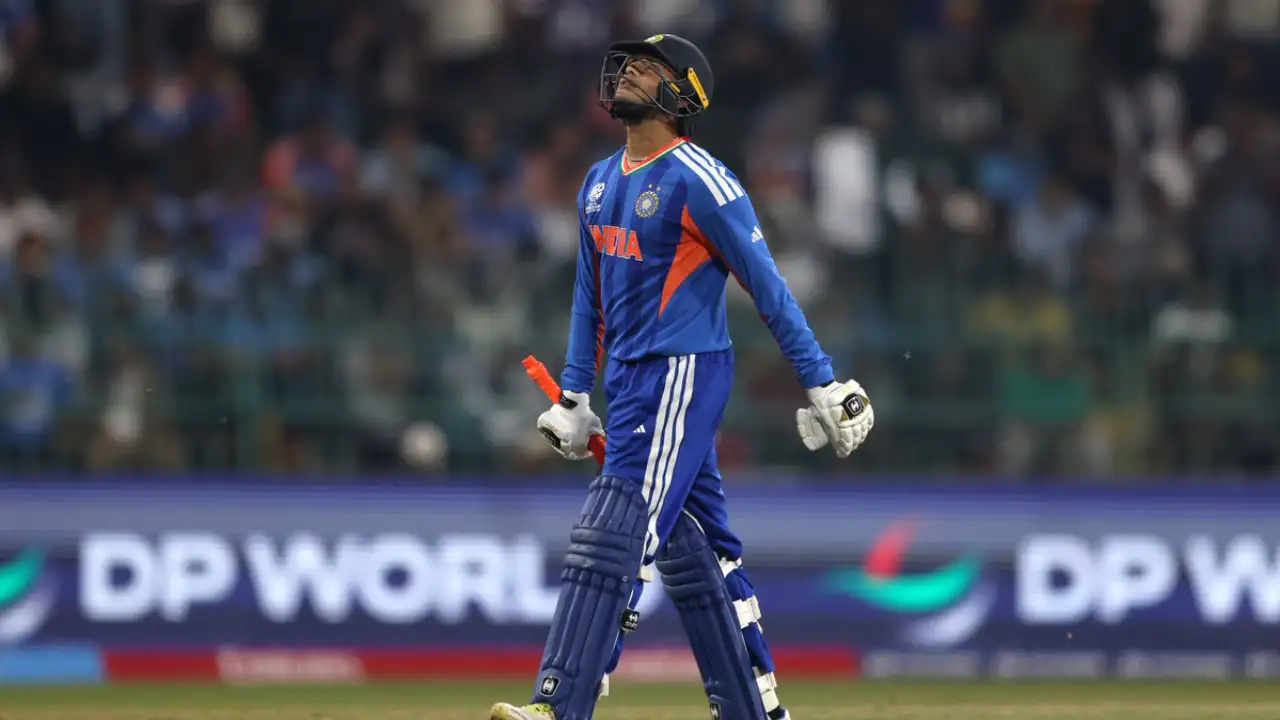
Abhishek Sharma at No.2: India’s worst performers at T20 World Cup 2026
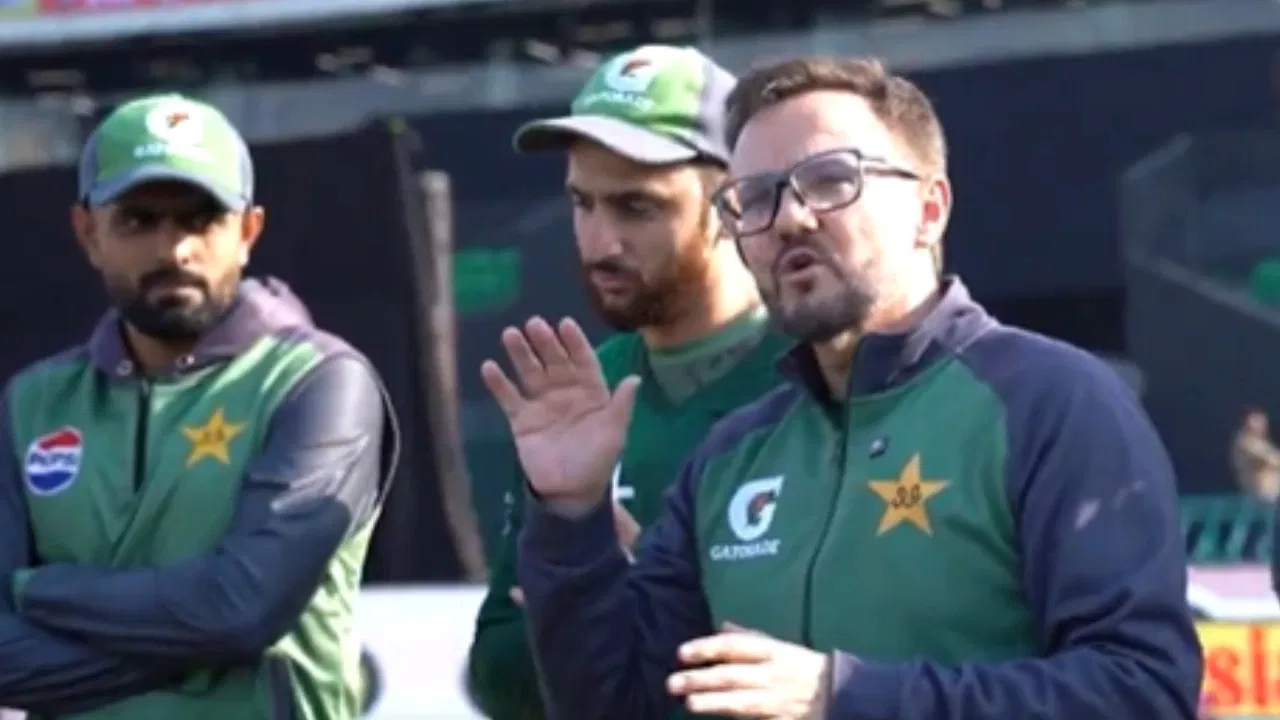
Mike Hesson’s blunt take on Pakistan stars’ snub for Bangladesh tour
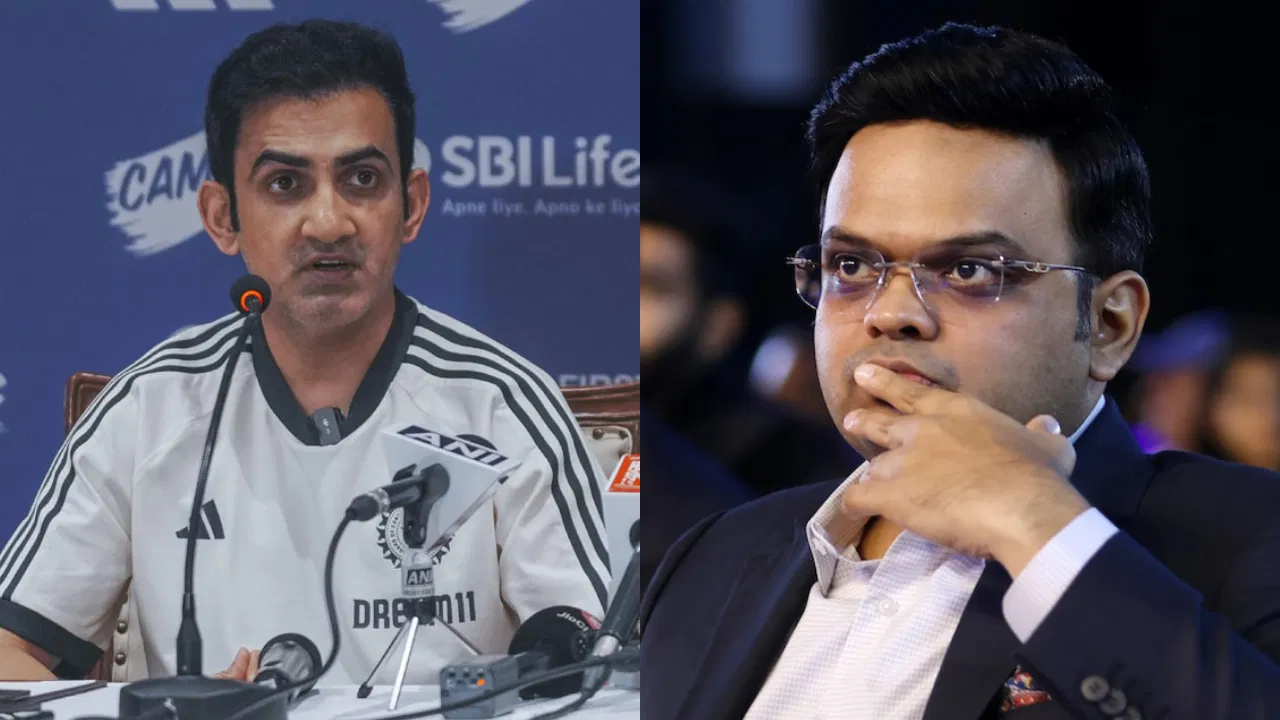
Gautam Gambhir finally reveals Jay Shah’s role in making him India head coach
Gautam Gambhir finally reveals Jay Shah’s role in making him India head coach

We had players like Abhishek Sharma- Ex-Pakistan head coach Hits Back at Mohammad Amir over ‘slogger’ remark
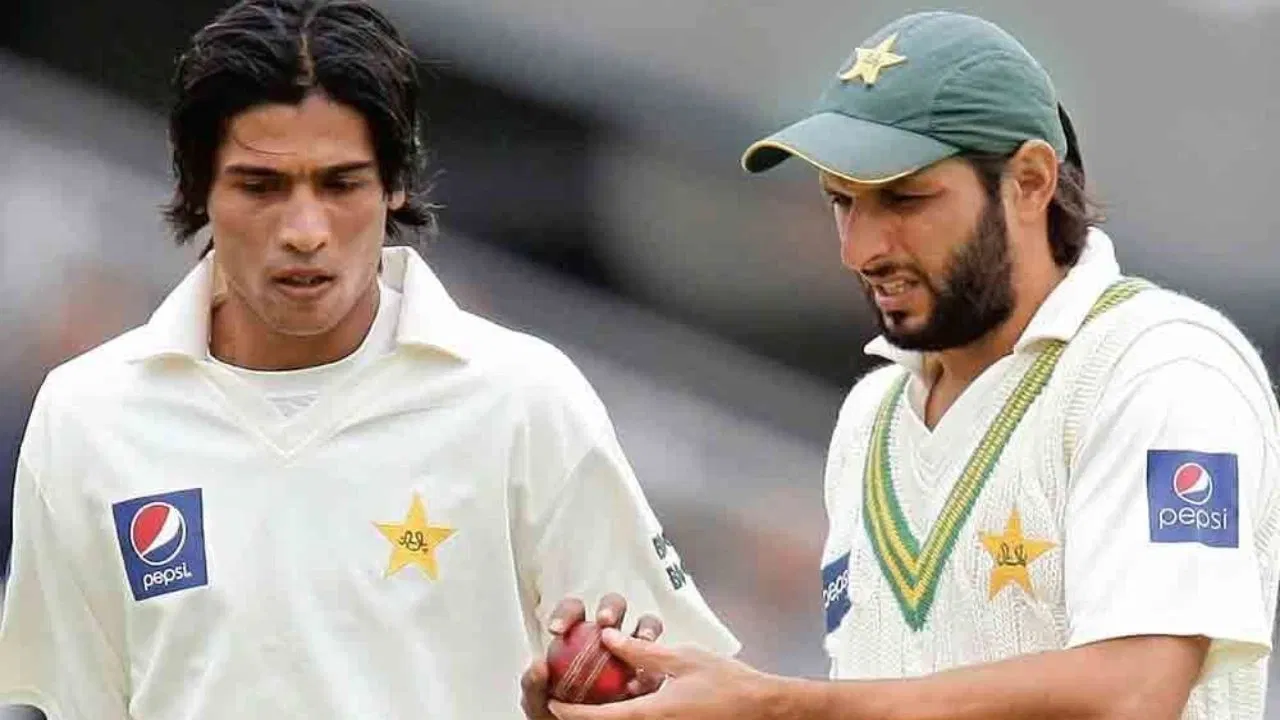
I heard a loud slap: Abdul Razaq reveals shocking fight incident involving Mohammad Amir
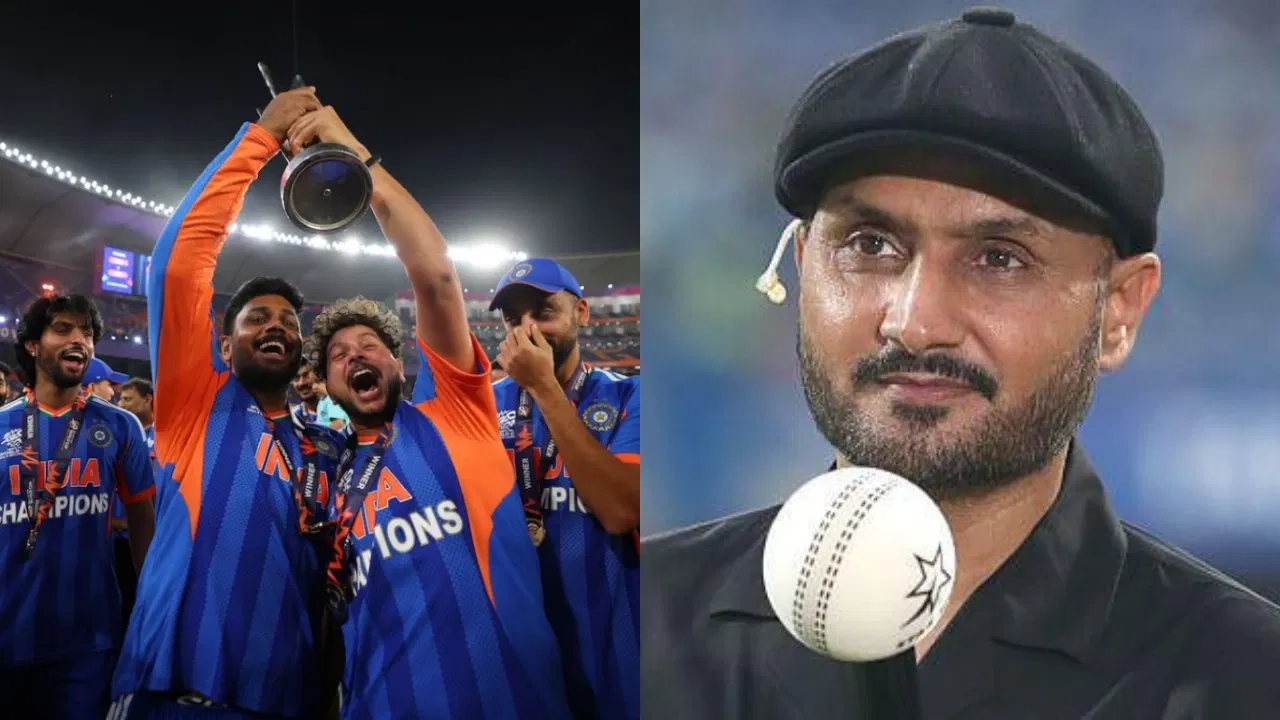
Harbhajan Singh destroys ‘Ahmedabad Curse’ myth after India’s T20 World Cup 2026 glory

ICC breaks silence on England’s early departure as West Indies, South Africa remain stranded in India

Watch: Rohit Sharma credits ‘script writer’ Jay Shah for India’s T20 World Cup win
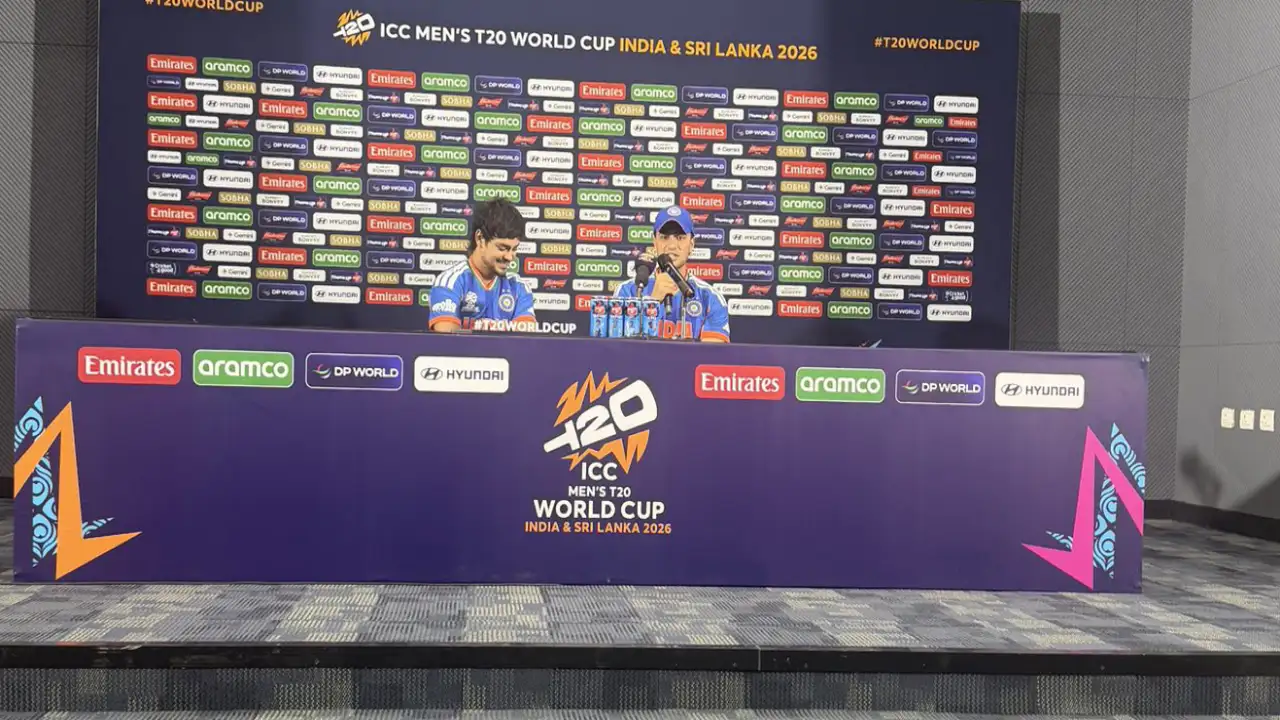
Ishan Kishan fires shots at Ajit Agarkar for punishing him after T20 World Cup triumph