Afghanistan men’s cricketers banned by Taliban from….
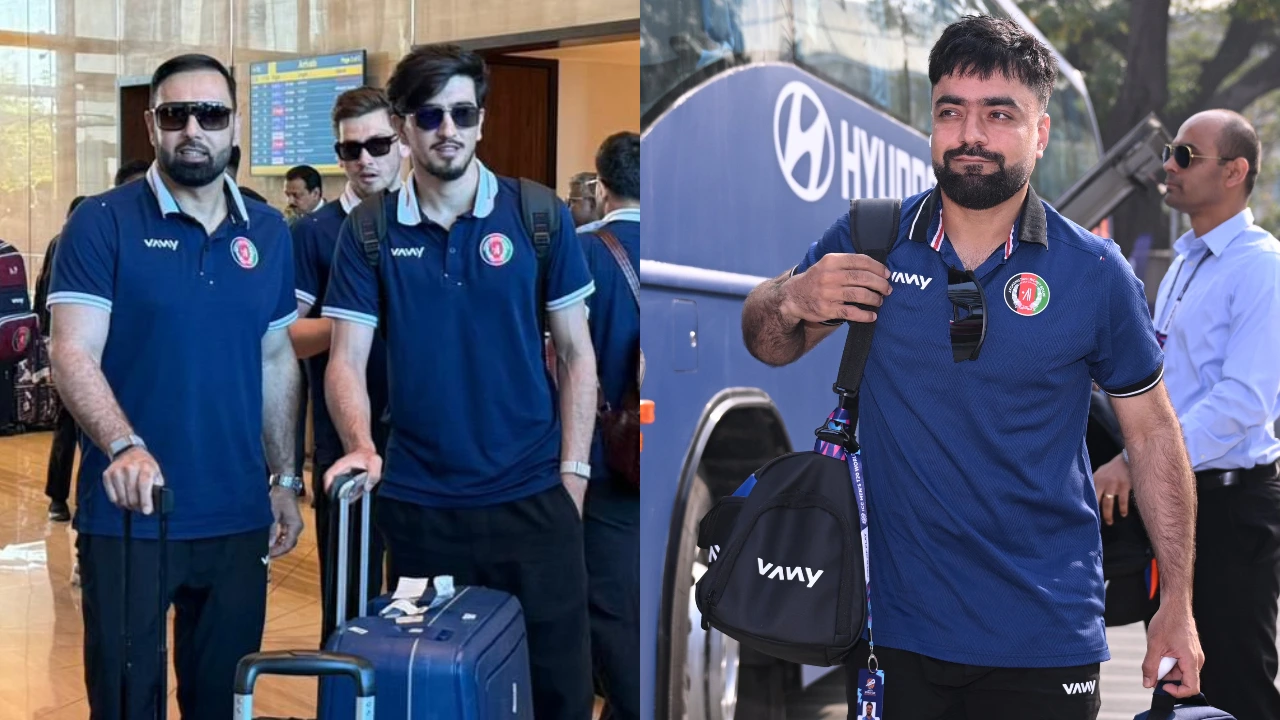
Afghanistan Cricketers Barred from Participating in Pakistan Super League 2026
Amid escalating tensions between Afghanistan and Pakistan, the Afghan government, led by the Taliban, has decided not to grant No Objection Certificates (NOC) to its players to participate in this year’s Pakistan Super League (PSL) 2026. This decision has further strained the already fragile relationship between the two neighboring Asian countries.
Impact on Players
One of Afghanistan’s talented cricketers, Rahmanullah Gurbaz, recently announced his withdrawal from the PSL 2026 after being signed by Peshawar Zalmi. While Gurbaz cited personal reasons and scheduling conflicts for his decision, reports indicate that the ongoing border tensions between Afghanistan and Pakistan played a significant role in his choice.
Gurbaz, a seasoned player in various franchise leagues worldwide, including the IPL, BPL, CPL, SA20, and ILT20, expressed his regret at not being able to participate in the PSL this season. He mentioned on Instagram that he would focus on his foundation work in Afghanistan after the World Cup.
Cross-Border Tension in Cricket
The strained relations between Afghanistan and Pakistan in the realm of cricket have been evident in recent events. Last year, Afghanistan withdrew from the Tri-Nation T20 series in Pakistan following the deaths of three local players in air strikes. The Afghanistan Cricket Board mourned the loss of the young players and criticized Pakistan’s actions, leading to further discord between the two nations.
Pakistan defended the strikes, claiming they targeted a terrorist hideout based on intelligence and not civilians or players. Despite attempts at dialogue, tensions have persisted, affecting the participation of Afghan players in international leagues like the PSL.
Changes in the Pakistan Super League
The PSL has expanded this year with the introduction of a player auction and an increased salary cap for teams. Two new teams, Hyderabad and Sialkot, have been added for the 11th edition of the league, set to commence on March 26. Each team will have the opportunity to retain four players before the auction on February 11.
Opportunities in Other Leagues
While Afghanistan cricketers are unable to compete in the PSL this year, they will continue to participate in other prestigious leagues, including the Indian Premier League (IPL). Star players from Afghanistan, such as Rashid Khan, Noor Ahmed, AM Ghazanfar, and Azmatullah Omarzai, are set to feature in the upcoming IPL 2026, showcasing their talent on a global stage.
In conclusion, the exclusion of Afghanistan cricketers from the PSL due to political tensions underscores the impact of geopolitics on sports and highlights the challenges faced by players navigating diplomatic complexities in the cricketing world.
This detailed news article provides insight into the recent developments surrounding Afghanistan’s participation in the Pakistan Super League and sheds light on the broader implications for cricket diplomacy in the region.
Impact on Cricket Diplomacy
The decision by the Afghan government not to grant NOCs to its players for the PSL 2026 not only affects the individual players but also has wider implications on cricket diplomacy between the two nations. Cricket has often been seen as a tool for fostering goodwill and building bridges between countries, but in this case, it has become a victim of political tensions. The exclusion of Afghan players from the PSL highlights how sports can be caught in the crossfire of geopolitical conflicts, affecting not only the players but also the fans and the spirit of the game.
Emerging Talent and Missed Opportunities
With players like Rahmanullah Gurbaz missing out on the opportunity to showcase their talent in the PSL, it raises concerns about the impact on the development of cricket in Afghanistan. The exposure and experience gained by playing in top leagues like the PSL are invaluable for young cricketers looking to enhance their skills and make a mark on the international stage. The absence of Afghan players from the PSL could potentially hinder the growth and recognition of emerging talent from Afghanistan.
Future of Afghan-Pakistani Cricket Relations
The strained relations between Afghanistan and Pakistan in cricket reflect a broader political rift between the two nations. While sports have the power to transcend borders and promote unity, they can also be influenced by political dynamics. Moving forward, efforts to improve diplomatic ties and resolve conflicts between Afghanistan and Pakistan could pave the way for greater collaboration in cricket and other sports. The exclusion of Afghan players from the PSL serves as a reminder of the complex interplay between sports, politics, and diplomacy.
Global Significance of Cricket
Cricket is a sport that holds immense significance in many countries, serving as a source of national pride and identity. The participation of players from diverse backgrounds in international leagues like the PSL not only enriches the competition but also promotes cultural exchange and mutual respect. The exclusion of Afghan cricketers from the PSL highlights the challenges faced by athletes navigating political tensions and underscores the need for sports to remain a neutral ground for fostering connections and understanding.
Looking Ahead
As the PSL 2026 approaches with its expanded format and new teams, the absence of Afghan players will undoubtedly be felt. However, this setback presents an opportunity for the cricketing community to reflect on the impact of political decisions on the sports world and advocate for the inclusion of all players, regardless of nationality. By promoting inclusivity and unity in cricket, stakeholders can work towards overcoming barriers and building a more cohesive and harmonious sporting environment for players and fans alike.
In the ever-evolving landscape of international cricket, the exclusion of Afghanistan cricketers from the PSL serves as a poignant reminder of the intricate relationship between sports, politics, and diplomacy. It underscores the challenges faced by athletes in navigating geopolitical tensions and highlights the broader implications for the spirit of the game and the promotion of sportsmanship on a global scale.
Latest News
Border-Gavaskar Trophy 2027 schedule announced; Ahmedabad among five venues selected
BCCI announces India’s 2026-27 international home season schedule; series vs AUS, WI, SL, ZIM finalized
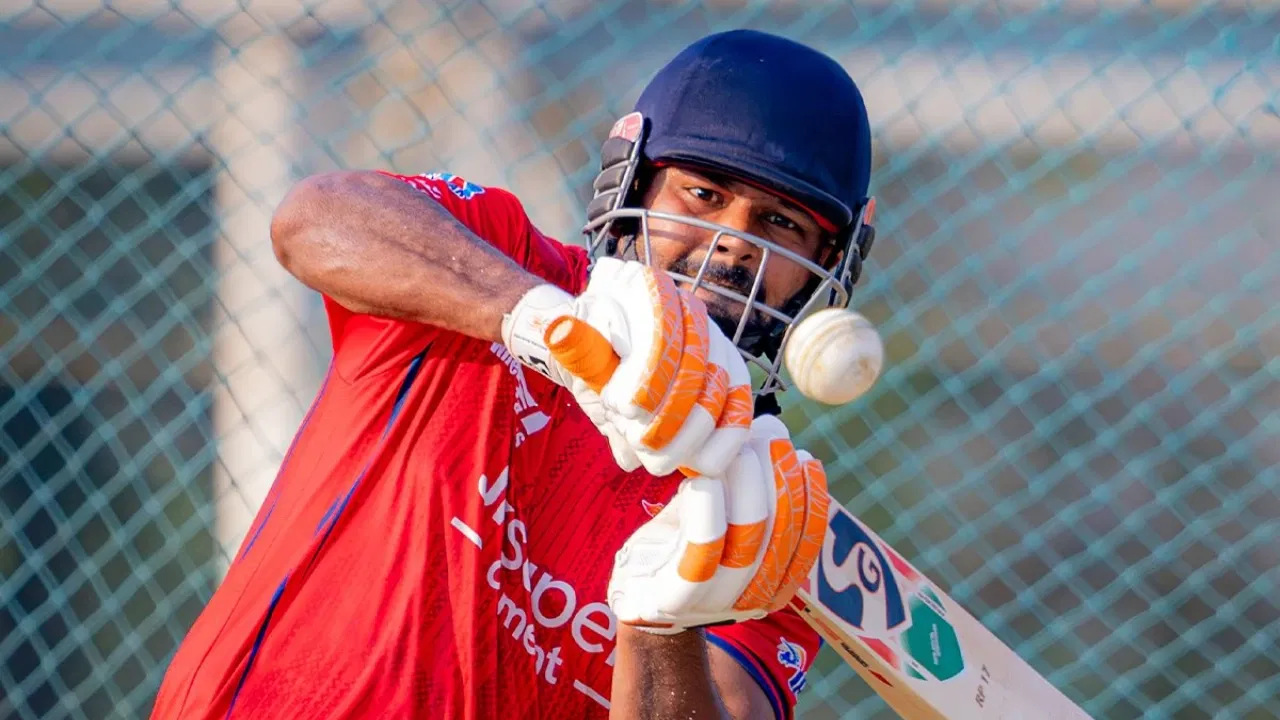
Irfan Pathan reveals Yuvraj Singh’s secret method to train Rishabh Pant ahead of IPL 2026
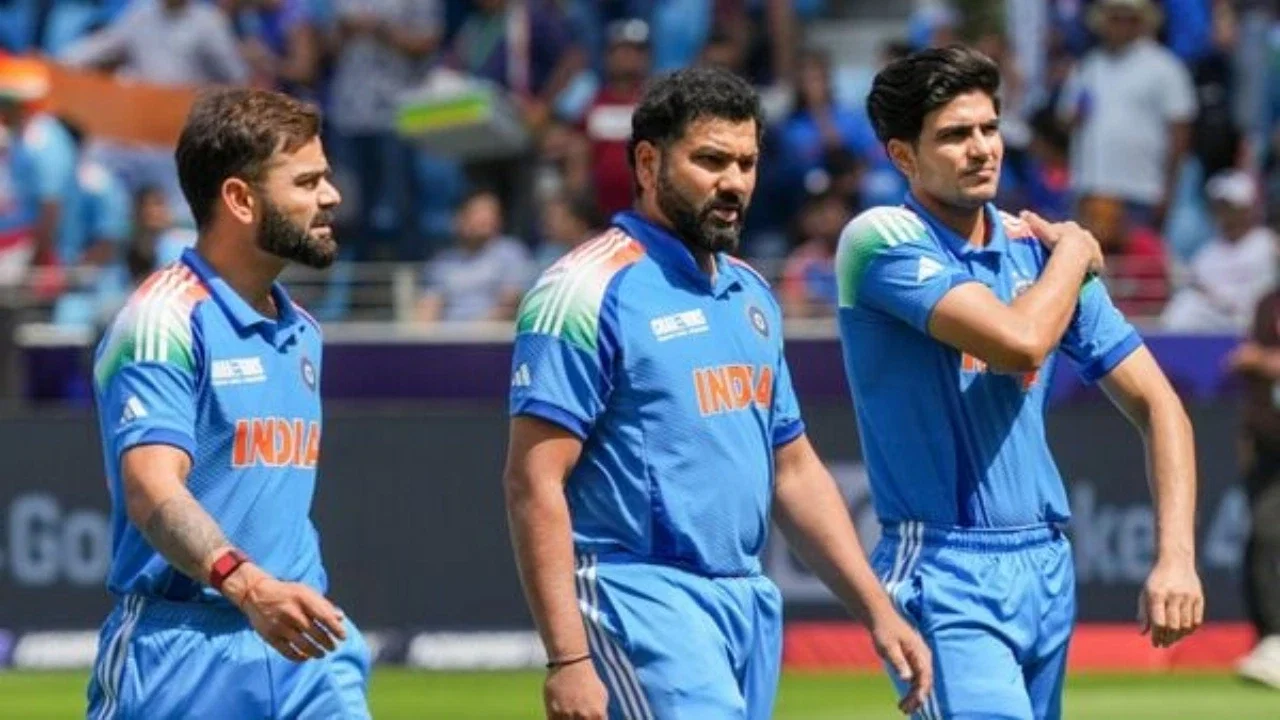
Virat Kohli, Rohit Sharma ODI schedule: Full list of matches they will play in India’s 2026-27 home season
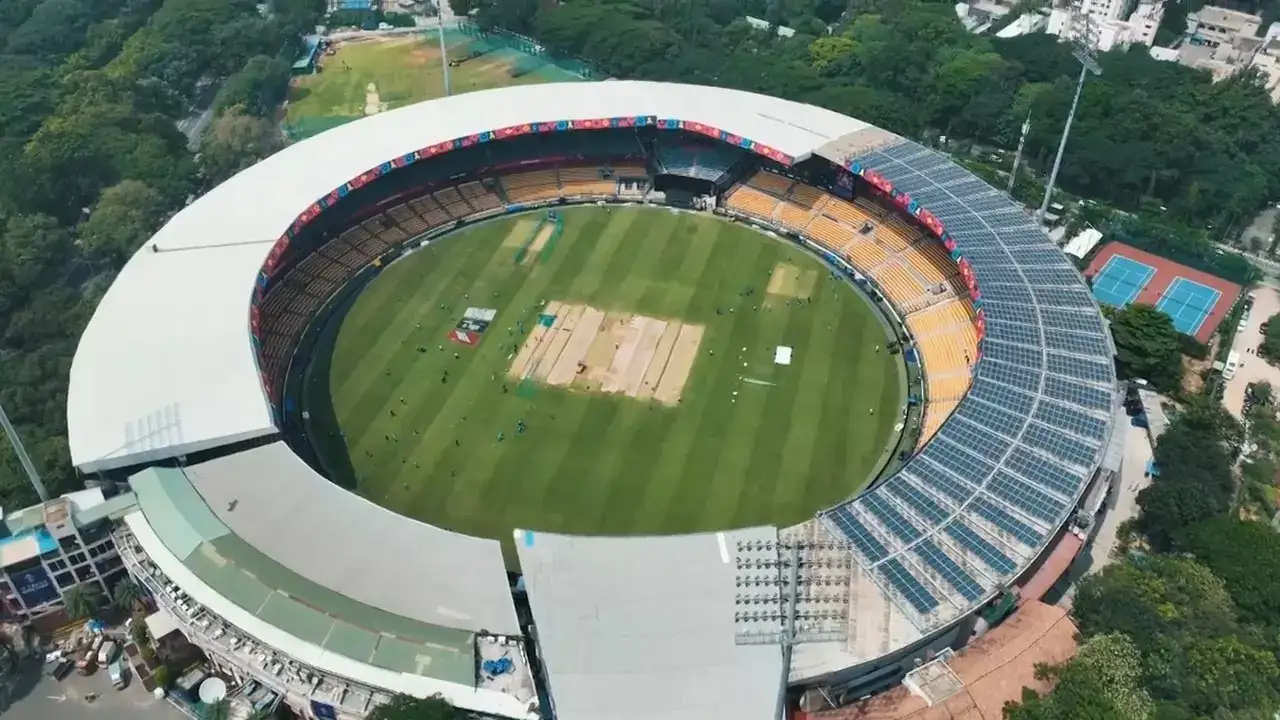
Days before RCB vs SRH IPL 2026 match, M. Chinnaswamy Stadium looks like a ‘construction side’
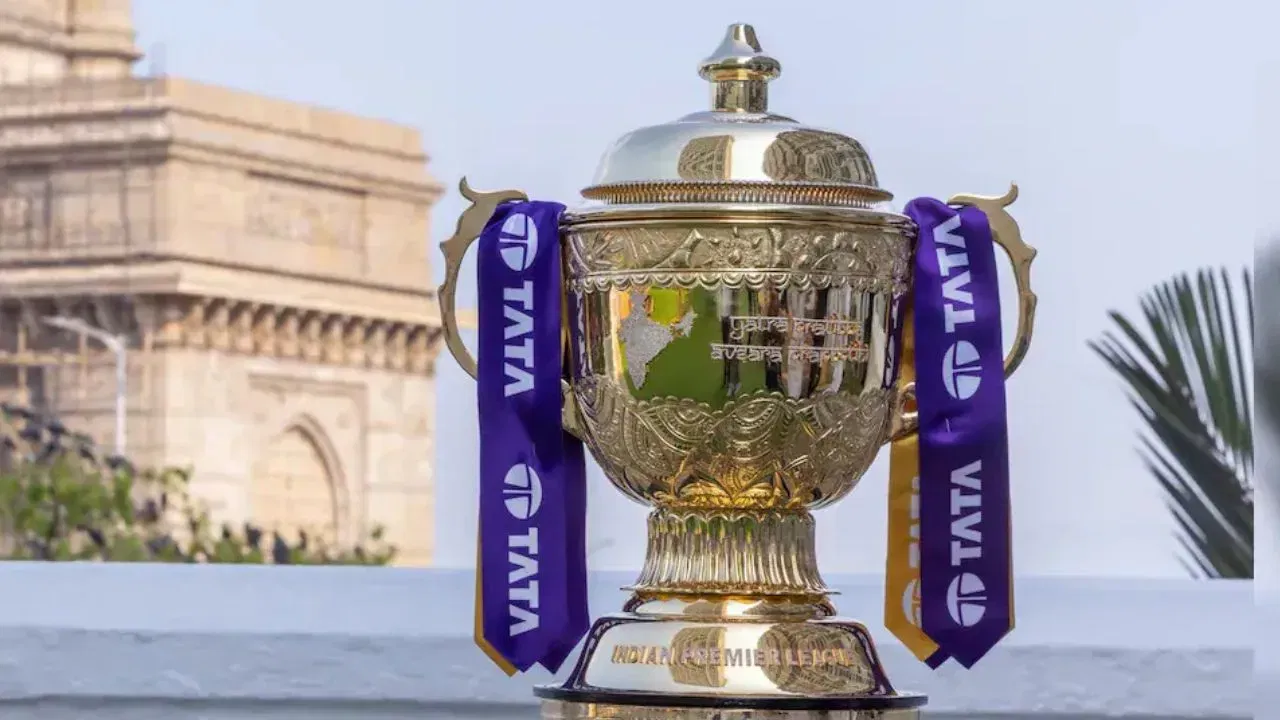
IPL 2026 second-half schedule announcement date revealed by BCCI secretary
LHQ vs HYDK Match Prediction, Pitch & Weather Report, Playing XIs, Head-to-Head, Free Live Streaming – PSL 2026 Match 1
Aditya Birla Group confirms NO NAME CHANGE plans after RCB takeover
Virat Kohli will win Orange Cap: Jitesh Sharma makes bold IPL 2026 predictions
David Warner tears into Shaheen Afridi and Mohammad Rizwan at PSL captains’ press conference
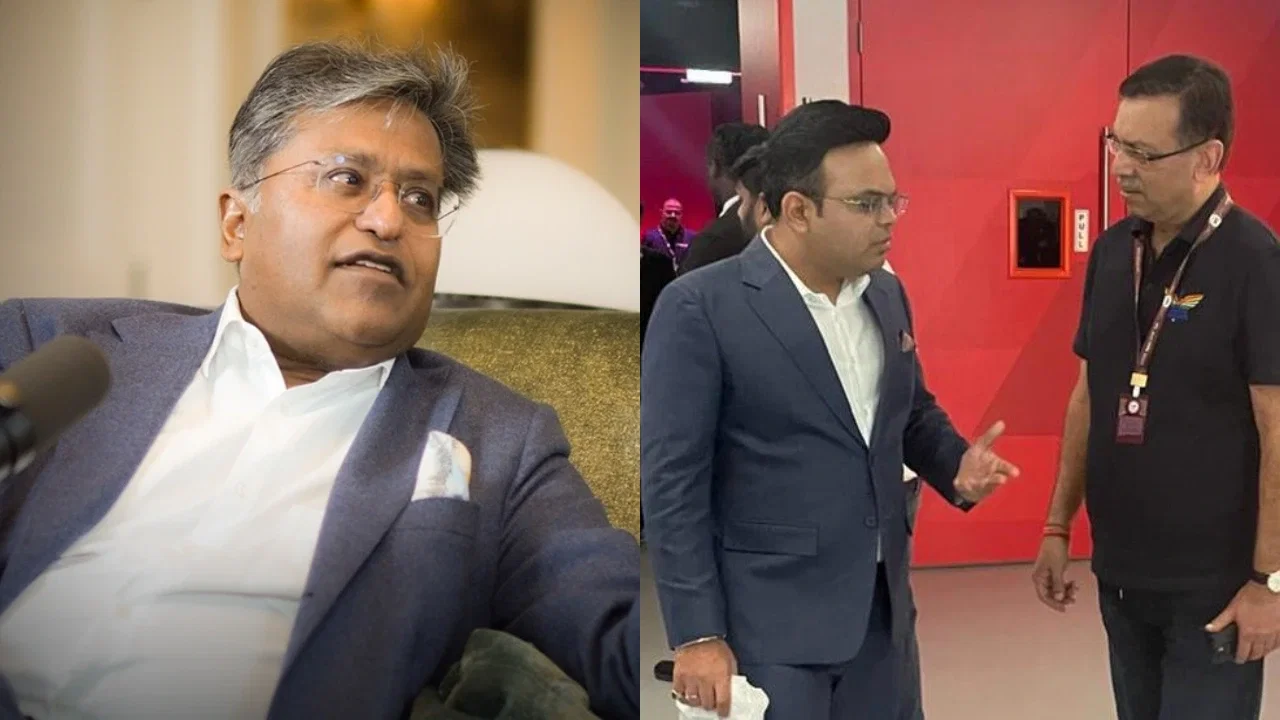
“Joker and Clueless”: Lalit Modi’s fiery attack on Sanjiv Goenka for his Jay Shah remark after RR–RCB mega sale
IPL 2026: BCCI scraps opening ceremony! Virat Kohli’s RCB linked to shocking decision
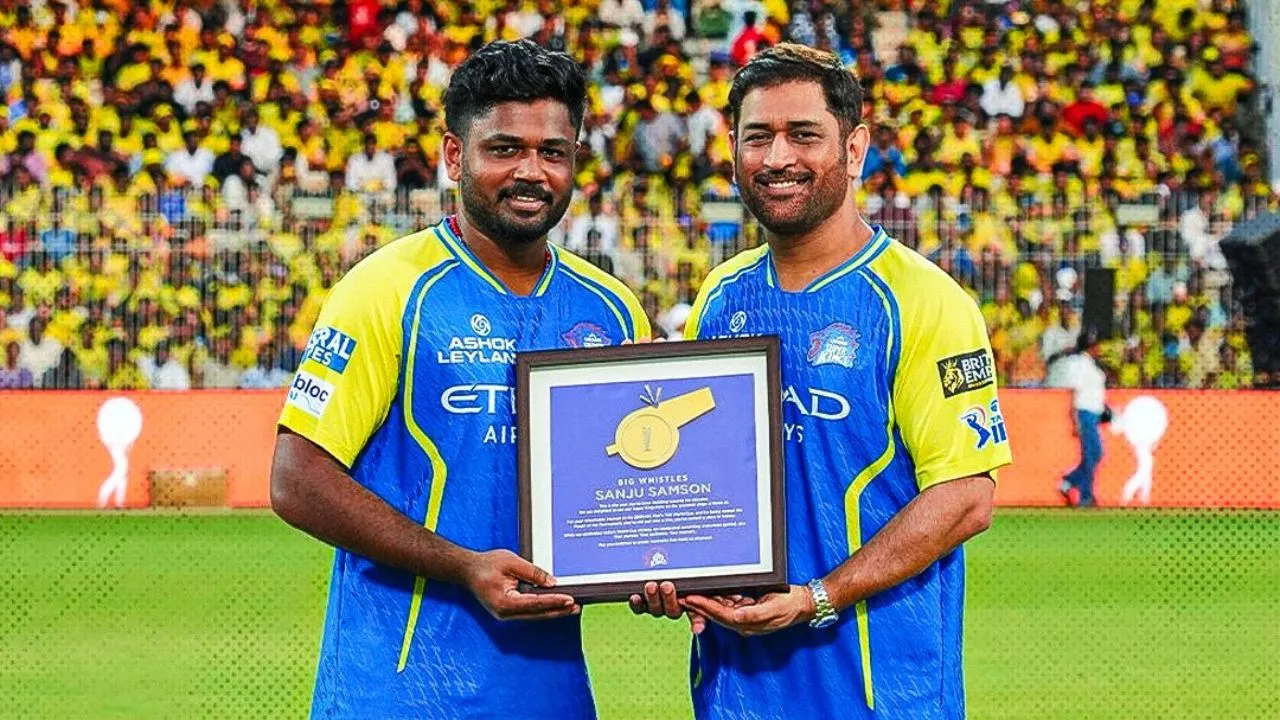
Sanju Samson gets huge role as Ruturaj Gaikwad confirms CSK openers for IPL 2026
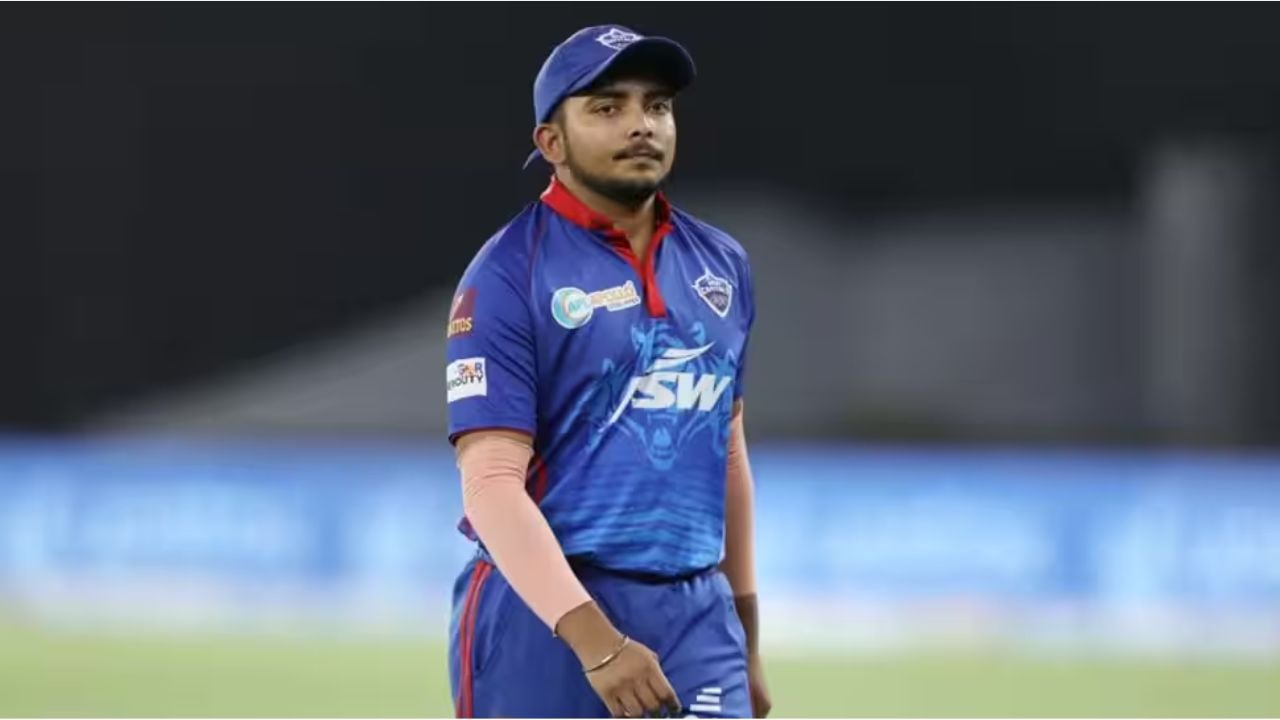
Prithvi Shaw declares his mission to return to team India begins from IPL 2026