

Afghanistan players boycott PSL 2026 amid T20 World Cup 2026
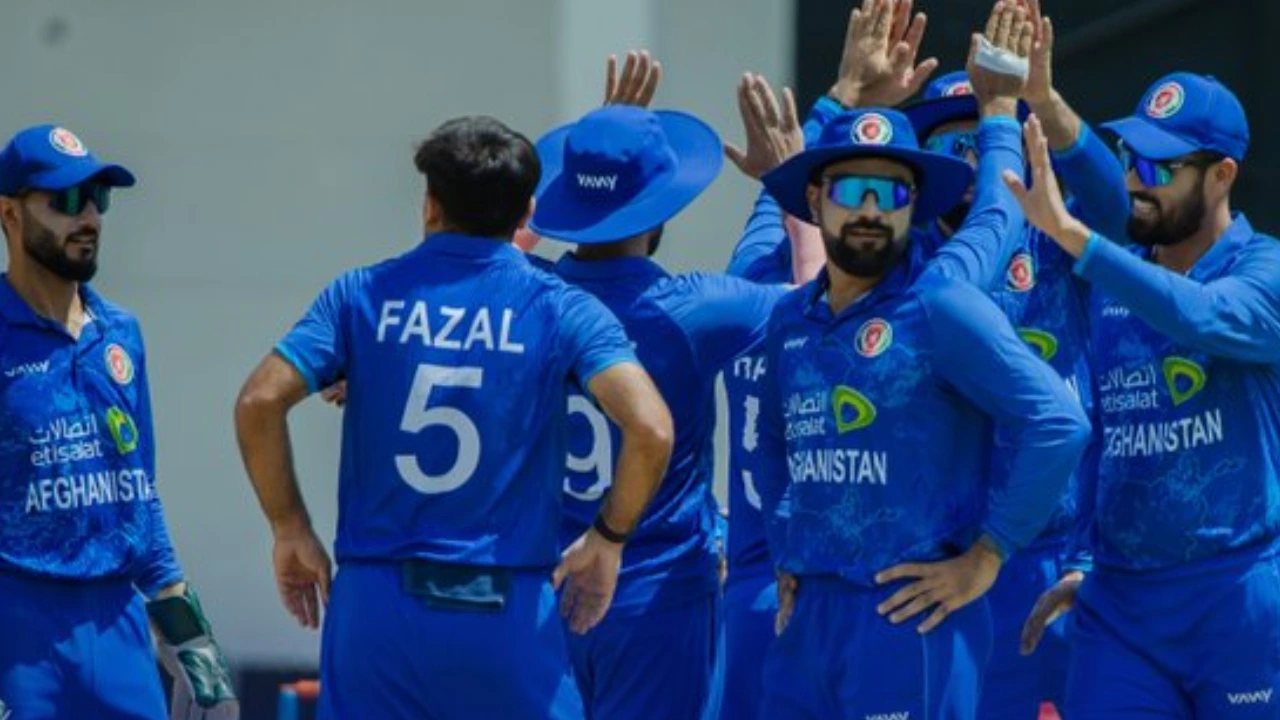
The Pakistan Super League Faces Star Power Loss Ahead of PSL 2026
The highly-anticipated Pakistan Super League (PSL) is gearing up for its 2026 edition with a significant blow to its star power, as renowned cricketers from Afghanistan opted to stay away from the first Players’ Auction for the upcoming season. This decision has sparked speculation and curiosity among fans and experts alike.
Reasons Behind Afghanistan Players Avoiding PSL 2026
Days leading up to the PSL 2026 Players’ Auction, it was widely rumored that Afghan players might distance themselves from the tournament due to escalating diplomatic tensions between the two nations. However, another key factor has emerged as a driving force behind their absence.
Notable players such as Mujeeb ur Rehman, Seddiqullah Atal, Muhammad Nabi, Waqar Salamkheil, and Fazal Haq Farooqi initially registered for the auction held in Lahore. Despite their initial participation, all players later withdrew their names from the event, leaving fans and officials puzzled.
The Impact of Rahmanullah Gurbaz’s Signing
One crucial aspect that contributed to the Afghan players’ decision to skip the PSL 2026 is the signing of Rahmanullah Gurbaz, an Afghanistan opener who has previously competed in three PSL seasons. Gurbaz’s signing with the PSL franchise Peshawar Zalmi raised eyebrows and stirred discontent among the Afghan cricketers.
During his stints with Multan Sultans and Islamabad United in previous seasons, Gurbaz showcased his talent by scoring 318 runs in 15 matches at an impressive strike rate of 159.79, including a notable half-century. The swift signing of Gurbaz by Peshawar Zalmi left other Afghan players on the auction list without any responses from the franchises, further fueling the discontent.
Official Confirmation and Insights from PSL CEO
PSL CEO Salman Naseer addressed the situation, acknowledging the political tensions between Afghanistan and Pakistan as a contributing factor to the Afghan players’ withdrawal from the league. The direct signing of Gurbaz by Peshawar Zalmi triggered a backlash, leading to a chain reaction resulting in the absence of other Afghan cricketers from the competition.
Naseer elaborated, “There was a severe backlash after Zalmi signed Gurbaz because of the fractured relations between Pakistan and Afghanistan, and after Gurbaz pulled himself out of the PSL. So, the other players also decided it was better to avoid backlash.”
Strained Relations and Ongoing Developments
The strained relations between Pakistan and Afghanistan have been a point of contention since a controversial airstrike conducted by the Pakistan Air Force last year. The incident, which claimed the lives of civilians, including local cricketers, sparked outrage among Afghan players, further deteriorating the already delicate relationship between the two nations.
As the PSL 2026 approaches, the absence of Afghan star cricketers due to political and strategic reasons adds a layer of complexity to the tournament dynamics. The league organizers are now faced with the challenge of navigating through these challenging circumstances while striving to maintain the excitement and competitiveness of the upcoming season.
The Impact of Afghanistan’s Cricket Development on PSL
Over the years, Afghanistan has emerged as a cricketing powerhouse, producing talented players who have made a mark in various domestic and international leagues. The absence of Afghan players in the PSL 2026 not only impacts the star power of the league but also raises questions about the future collaborations and exchanges between Afghan and Pakistani cricket.
Players like Rashid Khan, Mohammad Nabi, and Mujeeb ur Rehman have been instrumental in the success of their respective teams in T20 leagues worldwide. Their absence from the PSL deprives fans of witnessing their skills and expertise on the field, thus affecting the overall excitement and competitiveness of the tournament.
Furthermore, the decision of Afghan players to skip the PSL raises concerns about the diplomatic relations between the two neighboring countries. Cricket has often been a bridge between nations, fostering goodwill and sportsmanship. The strained relations between Pakistan and Afghanistan not only impact cricketing events but also have broader implications for cultural exchanges and people-to-people interactions.
PSL Franchises’ Strategy and Response
With the sudden withdrawal of Afghan players from the PSL 2026, franchise owners and team management are now faced with the challenge of reshaping their strategies and team compositions. The absence of key players from Afghanistan may prompt franchises to explore new talent pools and scouting opportunities to fill the void left by the star cricketers.
Franchises may need to adapt quickly to the changing dynamics of the league and adjust their playing XI to accommodate the absence of Afghan players. This shift in team dynamics could lead to exciting opportunities for emerging players to showcase their skills and make a mark in the highly competitive environment of the PSL.
Future Prospects and Reconciliation Efforts
As the PSL 2026 unfolds without the presence of Afghan players, there is a glimmer of hope for future collaborations and reconciliation efforts between the cricketing boards of Pakistan and Afghanistan. Both nations have a rich cricketing heritage and a passionate fan base that transcends boundaries.
Efforts to mend diplomatic ties and foster a spirit of sportsmanship could pave the way for renewed partnerships in the realm of cricket. Initiatives such as friendly matches, exchange programs, and joint training sessions could serve as catalysts for building bridges and promoting mutual understanding between the cricketing communities of Pakistan and Afghanistan.
While the absence of Afghan players may cast a shadow over the PSL 2026, it also presents an opportunity for reflection, dialogue, and collaboration to ensure that cricket remains a unifying force in the region. The future of cricket in South Asia hinges on the collective efforts of all stakeholders to promote harmony, respect, and camaraderie on and off the field.
By exploring the wider implications of the Afghan players’ absence, the expanded content sheds light on the ripple effects of geopolitical tensions in the realm of sports and emphasizes the importance of fostering unity and reconciliation through cricket.
Latest News
Punjab Kings penalised! Shreyas Iyer punished after win vs Gujarat Titans in IPL 2026
Shreyas Iyer injury update: Punjab Kings captain ruled out of IPL 2026?
LSG vs DC Match No. 5 Preview: Free Live Streaming, Pitch & Weather Report, Head-to-Head | IPL 2026

LSG vs DC Match Prediction – Who Will Win Match No.5? | IPL 2026
LSG Playing XI vs DC Playing XI – Match No. 5 | IPL 2026
Krunal Pandya breaks silence on India snub, opens up on Virat Kohli
Mohsin Naqvi enforces new social media rules for Pakistan players following Naseem Shah incident
Fakhar Zaman officially handed cricket ban after PSL 2026 ball-tampering controversy
Pat Cummins forces Cricket Australia to slash central contracts list to secure premium deal
CSK’s big promise to players revealed amid IPL 2026: “Whatever BCCI offers, we’ll double it”
Ravichandran Ashwin rules out Vaibhav Sooryavanshi’s India call-up
Rashid Latif claims PSL ball-tampering row was deliberately created for attention amid IPL rivalry
Mohammed Shami breaks silence on retirement buzz after India snub; has special message for LSG
Mohammed Shami reveals IPL 2026 Top 4, leaves out five-time champions

