Afghanistan shockingly ditch Pakistan tri-series; ‘Humiliated’ Mohsin Naqvi begs ICC for replacement team
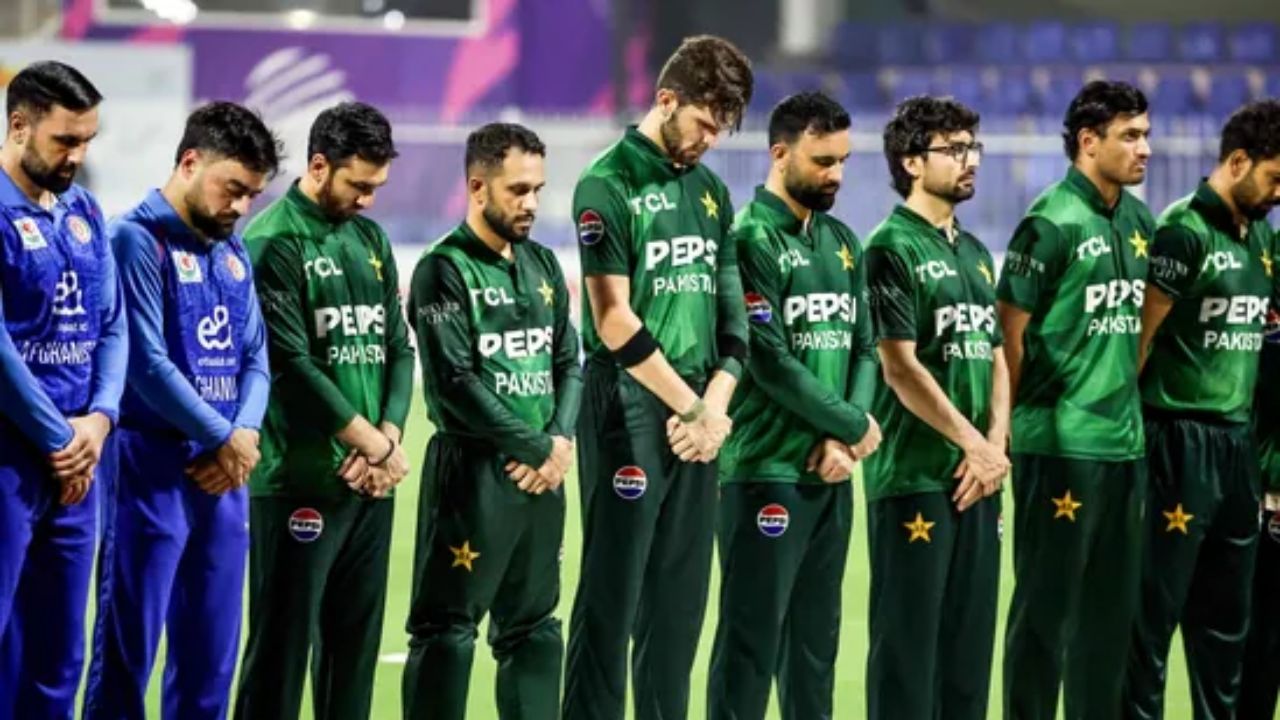
Afghanistan Cricket Board Confirms Non-Participation in T20 Tri-Series in Pakistan
In a recent turn of events, the Afghanistan Cricket Board (ACB) officials have made it clear that Afghanistan will not be participating in the upcoming T20 Tri-Series in Pakistan. The decision comes amidst escalating military tensions between the two neighboring countries, creating uncertainty over the scheduled tournament.
Alternative Plans Being Considered by Pakistan Cricket Board
With Afghanistan pulling out of the Tri-Series, the Pakistan Cricket Board (PCB) is now exploring alternative options to ensure the tournament proceeds as planned. PCB chairman Mohsin Naqvi has reportedly reached out to the International Cricket Council (ICC) to devise contingency plans for the event.
“The PCB chairman, Mohsin Naqvi, has asked the International Cricket Council to start working on an alternate plan as he wants the Tri-Series to go ahead,” a source stated.
The T20 Tri-Series was set to feature matches between Pakistan, Sri Lanka, and Afghanistan from November 17 to 29. However, recent clashes along the Pakistan-Afghanistan border have raised concerns, prompting Afghanistan’s decision to withdraw from the tournament.
Sri Lanka Invited for Pre-Tri-Series T20Is
In light of Afghanistan’s absence, the PCB has extended an invitation to Sri Lanka to play a series of three T20 internationals from November 11 to 15, ahead of the Tri-Series. Discussions are also underway between the PCB and Sri Lankan cricket board for a potential three-match T20 series in Colombo in January.
If the series with Sri Lanka materializes in January, it could potentially clash with the Big Bash League (BBL) in Australia, where several Pakistani players have already signed contracts with franchises. Players like Babar Azam, Mohammad Rizwan, and Shaheen Shah Afridi are set to make their BBL debuts, posing a dilemma for the PCB.
Cricket Australia Expresses Concerns Over NOC Suspension
Following the PCB’s decision to suspend all No Objection Certificates (NOCs) for players participating in overseas leagues, Cricket Australia (CA) has reached out to address the issue. CA officials have emphasized the investments made by their franchises in promoting Pakistani players for the upcoming BBL.
Meanwhile, the Desert Vipers franchise in the Emirates International League has secured the services of three Pakistani players for the upcoming season, highlighting the international demand for Pakistani talent in cricket.
Upcoming Series with Australia
Pakistan’s next major white-ball series is scheduled for January when Australia is set to tour the country for three ODIs and three T20 internationals. This series will serve as crucial preparation for Pakistan ahead of the ICC World T20 Cup.
As the cricket landscape continues to evolve, the PCB faces challenges in navigating international commitments while balancing the interests of players and participating teams. The coming months will be crucial in shaping the future of Pakistani cricket on the global stage.
Impact of Afghanistan’s Non-Participation on the T20 Tri-Series
The decision of the Afghanistan Cricket Board to withdraw from the T20 Tri-Series in Pakistan has significant implications for the tournament. Afghanistan’s absence not only alters the competitive dynamics of the series but also raises questions about the future of cricketing relations between the two nations. The escalating military tensions have cast a shadow over the sporting ties that have historically brought both countries together on the cricket field.
Furthermore, the PCB’s efforts to salvage the Tri-Series by reaching out to the ICC and inviting Sri Lanka for pre-series T20Is highlight the importance of maintaining a robust cricketing calendar amidst geopolitical challenges. The evolving situation underscores the need for flexibility and adaptability in organizing international cricket events, especially in regions prone to political volatility.
Challenges Posed by Scheduling Conflicts and NOC Suspensions
The scheduling conflicts arising from the potential clash between the proposed series with Sri Lanka in January and the Big Bash League in Australia present a dilemma for the PCB. Balancing the interests of players, franchises, and international commitments becomes a delicate task, requiring careful negotiation and strategic planning.
Additionally, the suspension of NOCs by the PCB for players participating in overseas leagues has drawn concerns from cricket boards like Cricket Australia. The issue highlights the complexities of managing player contracts, league engagements, and national team responsibilities in a globalized cricketing landscape. Finding a harmonious balance between domestic leagues, international series, and player welfare remains a continuous challenge for cricketing authorities.
Preparations for the Series Against Australia
Looking ahead to the upcoming series against Australia, Pakistan’s focus on white-ball cricket in preparation for the ICC World T20 Cup is paramount. The series against Australia will serve as a crucial litmus test for Pakistan’s team composition, strategy, and form leading up to the prestigious tournament.
The series against Australia also represents an opportunity for Pakistani players to showcase their skills on the international stage and gain valuable experience against a formidable opponent. The outcomes of these matches will not only shape Pakistan’s standing in the global cricketing community but also provide valuable insights for the team’s future development and success.
Future Prospects and Challenges for Pakistani Cricket
As the PCB navigates through a complex web of international commitments, player engagements, and geopolitical influences, the future of Pakistani cricket hangs in a delicate balance. The coming months will test the resilience and adaptability of cricketing authorities in addressing emerging challenges and seizing opportunities for growth and development.
Amidst the uncertainties and intricacies of the modern cricketing landscape, Pakistan’s ability to foster talent, manage resources effectively, and navigate geopolitical tensions will be critical in shaping its trajectory on the global stage. The evolving dynamics of international cricket demand strategic foresight, innovation, and collaboration to ensure Pakistan’s continued presence and success in the sport.
By exploring new avenues for engagement, enhancing strategic partnerships, and prioritizing player welfare and development, Pakistani cricket can overcome the hurdles posed by geopolitical tensions and scheduling conflicts, emerging stronger and more resilient in the face of adversity.
Latest News

New Zealand suffer blow as William O’Rourke misses India ODIs and Tests

Top 10 highest run-chases in T20 cricket history, ft. West Indies’ Ranchi win vs India

Aaryavir Sehwag and Anvay Dravid set to make headlines at U19 Asia Cup 2026

Longest ducks in Test cricket history ft. Nic Maddinson, Shoaib Akhtar

ECB to offer 39 central contracts to England players after Ben Stokes, Mark Wood’s retirement

Steve Smith surpasses Steve Waugh in all-time Test run-scorers’ list

Shane Watson identifies Gautam Gambhir’s biggest problem as India struggle for consistency

Is Bhuvneshwar Kumar in India’s 2027 World Cup plans? Ajinkya Rahane makes revelation
BCCI’s big ₹127 Crore move after injury crisis raises concerns over Team India

Parthiv Patel reveals RCB ignored his Jasprit Bumrah recommendation in IPL 2014 Auction
“Never spoke ill of any faith”: Irfan Pathan hits back at fake news using his name
Nic Maddinson bags 33-ball duck on Test comeback, disappoints George Bailey

Imran Tahir predicts 2027 ICC ODI World Cup Semi-Finalists, snubs India for title

Australia create unwanted history with first all-30-plus Test XI