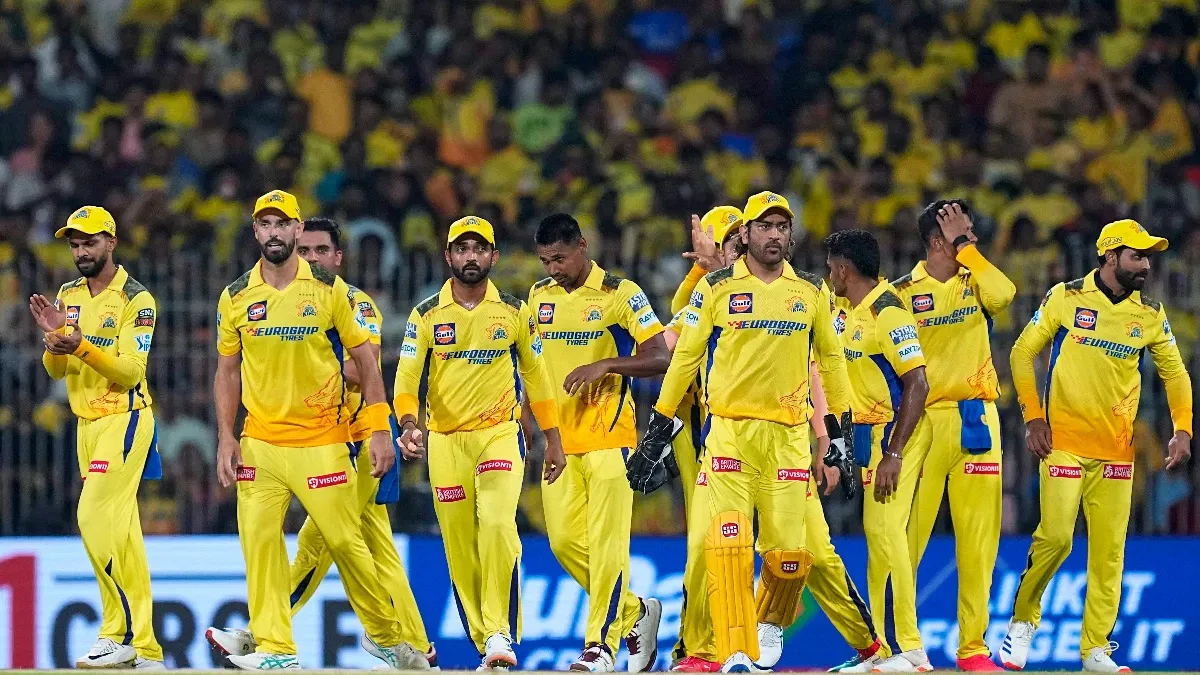
Afghanistan vs Sri Lanka series cancelled due to Middle East conflict
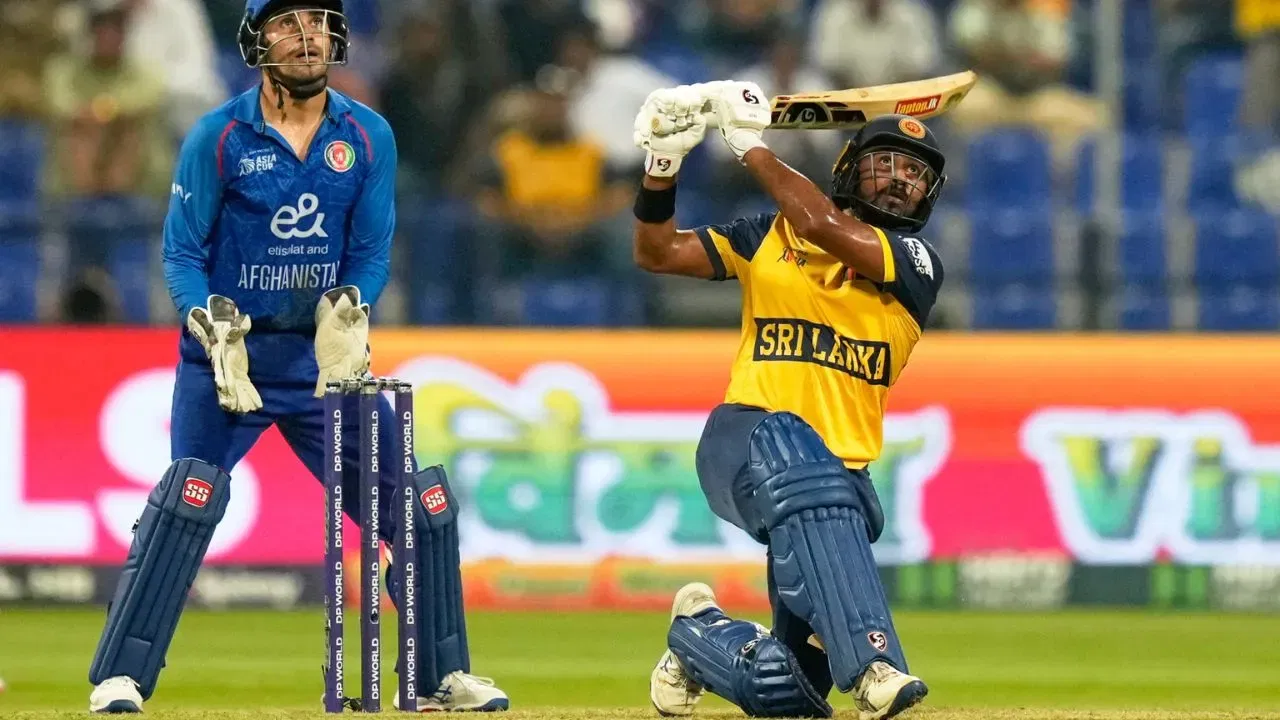
Sri Lanka vs Afghanistan White-Ball Series Postponed Due to Middle East Conflict
Sri Lanka Cricket (SLC) and the Afghanistan Cricket Board (ACB) had plans to play a white-ball series in the UAE, but due to the escalating conflict in the Middle East involving missile exchanges between the USA, Israel, Iran, and other countries, the series has been postponed. The UAE, usually a popular venue for hosting cricket series, has become a challenging location for cricket matches.
Postponement of Sri Lanka vs Afghanistan Series
The series between Sri Lanka and Afghanistan has been postponed as confirmed by Sri Lanka Cricket. This series would have marked the first time Afghanistan would host Sri Lanka for a white-ball series. The teams were scheduled to play three T20Is in Sharjah from March 13 to 17, followed by three ODIs in Dubai from March 20 to 25. However, due to the current conflict in the Middle East, the boards are discussing either delaying the series or moving the matches to Sri Lanka.
“Sri Lanka Cricket (SLC) has decided to postpone the upcoming T20 and ODI series against Afghanistan which was scheduled to be played in the United Arab Emirates (UAE),” sources revealed.
Impact on Cricket Tours
The conflict in the Middle East has disrupted several cricket events, leading to airspace closures across West Asia. This has caused travel and logistical challenges for teams participating in the ongoing ICC Men’s T20 World Cup 2026. Teams like the West Indies and Zimbabwe are currently stranded in India after their flights via Dubai were canceled. The England Lions tour in Abu Dhabi was also canceled due to security concerns, as well as a training camp for the England Women’s team.
Future Plans for Sri Lanka Cricket
If the bilateral series between Sri Lanka and Afghanistan is completely canceled, the Sri Lankan team will have a break from international cricket for a few months. Their next scheduled tour is to the West Indies in June or July this year. The tour will include two Test matches for the ICC World Test Championship, followed by ODIs and T20Is.
Players like Dasun Shanaka, Rashid Khan, Kusal Perera, and Noor Ahmad were expected to participate in the Sri Lanka vs Afghanistan series before joining their franchise teams for leagues like the Indian Premier League (IPL) and Pakistan Super League (PSL).
As the cricket world navigates through challenges posed by conflicts and logistical issues, the focus remains on ensuring the safety and well-being of players and stakeholders. Sri Lanka Cricket and other boards are working towards alternative solutions to continue providing quality cricket entertainment for fans worldwide.
Challenges Faced by Cricket Boards
The conflict in the Middle East has not only impacted the Sri Lanka vs Afghanistan series but has also created challenges for various cricket boards around the world. With airspace closures and security concerns in the region, boards are forced to rethink their schedules and travel arrangements. The safety of players, officials, and support staff is of utmost importance, leading to difficult decisions regarding the staging of matches and tours.
Additionally, the uncertainty surrounding the situation in the Middle East makes it difficult for cricket boards to plan future events with confidence. The fluid nature of the conflict requires constant monitoring and adaptability, adding a layer of complexity to an already intricate process of organizing international cricket tournaments and series.
Resilience of the Cricket Community
Despite the challenges posed by geopolitical conflicts and logistical issues, the cricket community has shown resilience and unity in navigating through these turbulent times. Boards have come together to support each other, sharing information and resources to ensure the smooth operation of cricket events amidst adversity.
Players, too, have demonstrated flexibility and understanding as they adjust to changing circumstances and uncertainties. Their willingness to adapt to new schedules, venues, and protocols reflects their commitment to the sport and its fans, even in the face of challenging external factors.
Looking Ahead: Adaptability and Innovation in Cricket
As the cricket world continues to grapple with external disruptions, there is a growing emphasis on adaptability and innovation within the sport. Cricket boards are exploring alternative venues, formats, and scheduling options to ensure continuity in the face of unforeseen circumstances.
Virtual press conferences, biosecure bubbles, and remote training sessions have become common features in the cricket landscape, allowing teams to stay connected and engaged despite physical distances and travel restrictions. These innovations not only ensure the safety of stakeholders but also pave the way for a more flexible and resilient cricket ecosystem in the long run.
Conclusion
While the postponement of the Sri Lanka vs Afghanistan series is a setback for both teams and cricket fans, it also highlights the unpredictable nature of the current global landscape. As cricket boards and players navigate through challenges brought about by conflicts and logistical disruptions, their resilience and adaptability shine through, underscoring the enduring spirit of the sport.
With a focus on safety, innovation, and solidarity, the cricket community continues to forge ahead, determined to overcome obstacles and deliver thrilling cricket action to audiences worldwide. As the situation in the Middle East evolves, cricket remains a symbol of unity and perseverance, embodying the spirit of resilience in the face of adversity.
Latest News
Rinku Singh replaces Abhishek Sharma for T20 World Cup final as Gautam Gambhir handed big suggestion
Afghanistan vs Sri Lanka series cancelled due to Middle East conflict

India vs New Zealand: Sourav Ganguly announces T20 World Cup final result a day before match

IND vs NZ Final Preview: Free Live Streaming, Pitch & Weather Report, Head-to-Head, Playing XIs | T20 World Cup 2026

India Playing XI vs New Zealand Playing XI – Final | ICC T20 World Cup 2026
IND vs NZ Match Prediction – Who Will Win Final? | ICC T20 World Cup 2026

T20 World Cup 2026 teams get big relief as Iran-Israel-USA tensions hit ICC hard

Anil Kumble warns Varun Chakravarthy could ruin India’s T20 World Cup dream

Ellyse Perry reaches historic milestone, joins Steve Smith, David Warner in legendary list
Suryakumar Yadav labelled minnow basher by ex-KKR star before T20 World Cup final

Mitchell Santner issues Pat Cummins-like ‘breaking billion hearts’ warning ahead of T20 WC 2026 final

Mitchell Santner admits fear of Jasprit Bumrah and Varun Chakravarthy before T20 World Cup final

Viral claim: Mitchell Santner clicked Ahmedabad pitch photo like Pat Cummins before final – Fact Check
Narendra Modi Stadium curse scares Gautam Gambhir, BCCI makes explosive move before IND-NZ final