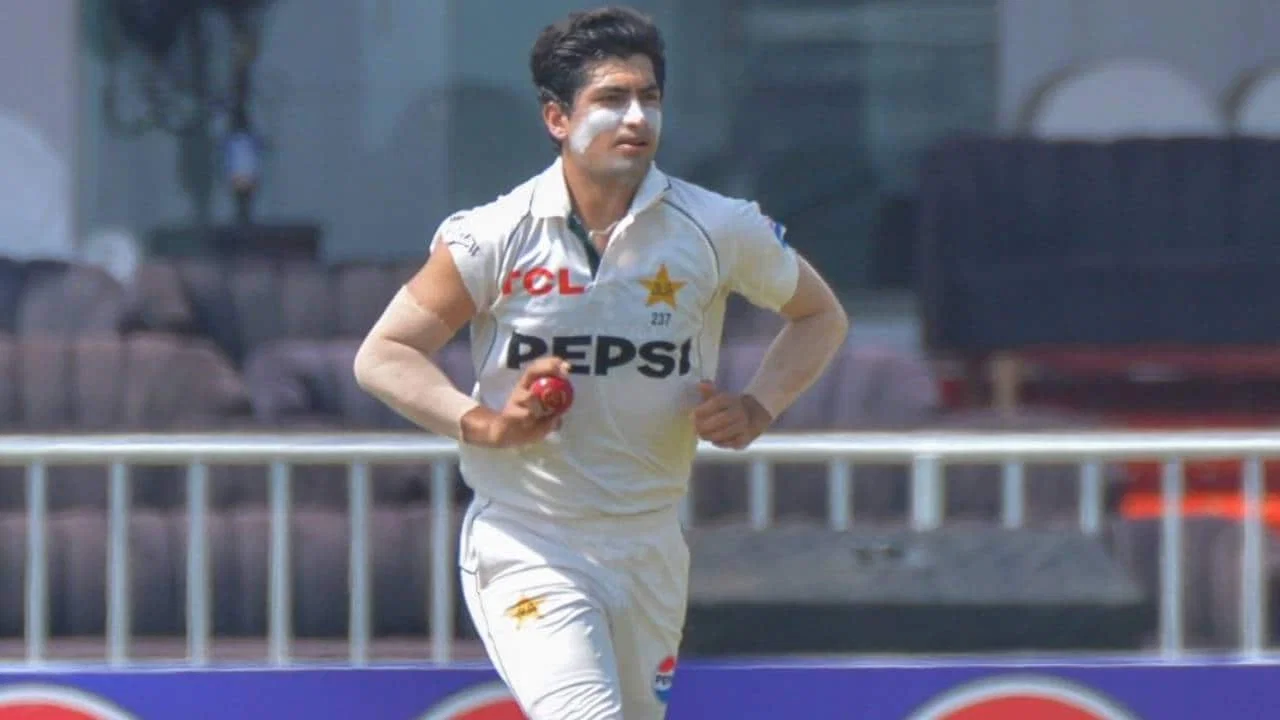
After being embarrassed on Andy Pycroft, PCB now asks ICC to investigate India vs Pakistan match
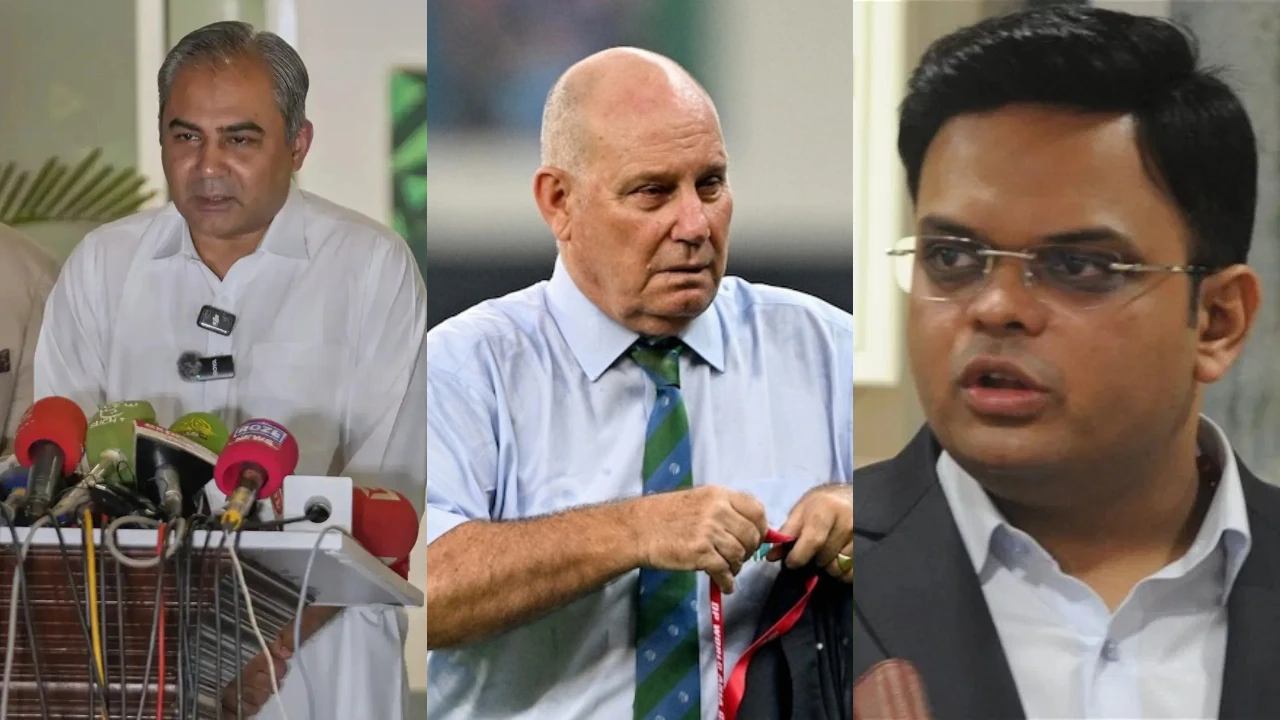
ICC Dismisses PCB’s Allegations in Asia Cup 2025 “Handshake” Controversy
The Pakistan Cricket Board (PCB) has found itself in an embarrassing situation once again as the International Cricket Council (ICC) has dismissed all allegations related to match referee Andy Pycroft over the “handshake” controversy in the ongoing Asia Cup 2025. The controversy arose when India’s team, led by Suryakumar Yadav, chose not to exchange handshakes with Pakistan during the tournament.
PCB’s Reaction and Demands
The lack of a handshake gesture from the Indian team left the PCB camp fuming, prompting them to launch a series of complaints to the ICC and the Asian Cricket Council (ACC). The PCB demanded the sacking of match referee Andy Pycroft, claiming that his conduct was a breach of the Code of Conduct and Spirit of Cricket. The PCB even threatened to walk out of the Asia Cup 2025 if their demands were not met.
ICC’s Response and Review
The ICC wasted no time in launching a full review of the incident. After careful examination, the ICC declared that Pycroft had done nothing wrong. The match official had followed instructions from tournament organizers to ensure a smooth toss without any on-field awkward moments. The ICC commended Pycroft for handling the tense situation professionally and preventing unnecessary embarrassment on live television.
PCB’s Persistence and ICC’s Stance
Despite the ICC’s decision, the PCB refused to back down from their demands for Pycroft’s removal as the match referee for their Asia Cup 2025 matches. The drama escalated further when the ACC supported PCB’s request for Pycroft’s exclusion. However, the ICC stood firm in their support of Pycroft, emphasizing that changing the referee would set a dangerous precedent for the future of the sport.
Continued Dispute and Lack of Evidence
Even after the ICC’s ruling, the PCB continued to push for a full inquiry into what they claimed were Code of Conduct breaches during the India vs. Pakistan match and the subsequent drama involving Pycroft. The ICC demanded concrete evidence to support PCB’s claims, stating that without proof of wrongdoing, no further action would be taken on the controversy in the Asia Cup 2025.
Conclusion
The ongoing dispute between the PCB and the ICC has put a spotlight on the tensions surrounding the Asia Cup 2025. Despite the PCB’s efforts to address the “handshake” controversy and seek Pycroft’s removal, the ICC has stood by its decision and emphasized the importance of upholding the integrity of the game. As the tournament progresses, it remains to be seen how the relationship between the PCB and the ICC will evolve in the aftermath of this incident.
Impact of the Controversy on India-Pakistan Relations
One important aspect to consider in the aftermath of the “handshake” controversy is the impact it may have on the already tense relations between India and Pakistan. Cricket matches between the two countries have always been closely watched and emotionally charged events. The refusal of the Indian team to shake hands with their Pakistani counterparts added another layer of complexity to an already delicate situation.
While sports have the power to bring people together, they can also be a reflection of broader political tensions. The lack of a handshake gesture may have been interpreted by some as a symbol of the strained relations between the two nations. In this context, the PCB’s strong reaction and demands for action against the match referee can be seen as a response to more than just a sporting incident.
Code of Conduct in International Cricket
The controversy surrounding the Asia Cup 2025 highlights the importance of the Code of Conduct in international cricket. The Code of Conduct sets the standards of behavior expected from players, officials, and governing bodies, emphasizing the spirit of fair play and respect for the game. In this case, the PCB’s allegations against the match referee and their demands for his removal were based on perceived violations of this Code.
By holding the ICC accountable for upholding the Code of Conduct, the PCB sought to ensure that the integrity of the game was maintained. However, the ICC’s decision to dismiss the allegations and support the match referee reinforces the importance of evidence-based decision-making in such matters. Without concrete proof of wrongdoing, it becomes challenging to take disciplinary action against individuals involved in on-field incidents.
Future Implications for Cricket Officiating
The “handshake” controversy in the Asia Cup 2025 raises important questions about the role of match officials and their responsibilities in managing sensitive situations on the field. Match referees play a crucial role in ensuring that games are conducted in a fair and respectful manner, often making quick decisions under pressure. In this case, Andy Pycroft’s handling of the situation was scrutinized by both the PCB and the ICC.
Moving forward, the incident may lead to a reevaluation of the protocols and guidelines followed by match officials during international tournaments. Clear communication between tournament organizers, match referees, and teams can help prevent misunderstandings and conflicts like the one that occurred during the Asia Cup 2025. By learning from this experience, cricketing authorities can strengthen the mechanisms in place for resolving disputes and upholding the principles of the game.
Resolution and Reflection
As the Asia Cup 2025 continues, the “handshake” controversy serves as a reminder of the complexities involved in international cricket and the need for effective communication and transparency. While the PCB’s initial reaction to the incident was driven by a desire to address what they saw as a breach of the Code of Conduct, the ICC’s decision to dismiss the allegations underscores the importance of evidence and due process in resolving disputes.
Ultimately, the incident presents an opportunity for reflection and dialogue within the cricketing community on how to handle similar situations in the future. By engaging in constructive conversations and learning from past experiences, stakeholders can work together to ensure that the spirit of cricket is upheld and that the game continues to inspire fans around the world.
Latest News
Mohsin Naqvi totally angry and stressed as PSL 2026 controversies escalate
Mohsin Naqvi saves Naseem Shah from two-year ban, shocking claim emerges after controversy
Michael Vaughan claims Vaibhav Sooryavanshi’s India call-up for England tour is confirmed
Ravindra Jadeja’s teary-eyed reaction goes viral after RR demolish CSK in IPL 2026 clash

New Zealand ODI and T20I squads for Bangladesh tour officially announced
Naseem Shah breaks silence on PCB punishment, issues public apology following massive controversy
Australia coach drops big hint on Cameron Green’s Test future amid IPL 2026 drama
Ajit Agarkar told to fast-track Vaibhav Sooryavanshi into Indian Team
CSK declared useless without MS Dhoni by Ex-England captain
Shocking! Fakhar Zaman tampered with ball vs USA in T20 World Cup, ICC did not act
“Don’t get banned”: Digvesh Rathi reveals Sanjiv Goenka and Rishabh Pant’s warning over fiery celebrations

MS vs HYDK Match Prediction, Pitch & Weather Report, Playing XIs, Head-to-Head, Free Live Streaming – PSL 2026 Match 8
ISU vs PSZ Match Prediction, Pitch & Weather Report, Playing XIs, Head-to-Head, Free Live Streaming – PSL 2026 Match 7
Ravindra Jadeja breaks silence on fiery send-off to Shivam Dube in RR vs CSK IPL 2026 clash