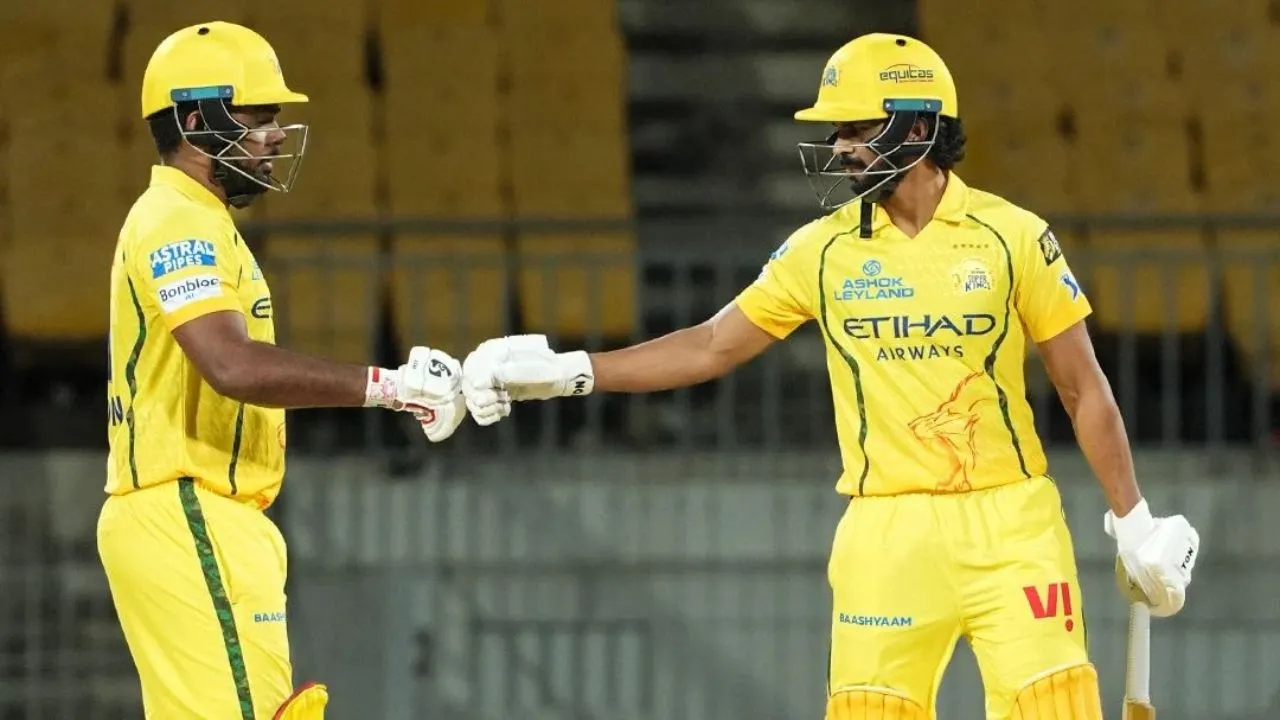
After Harshit Rana, Kris Srikkanth launches fresh attack on another Gautam Gambhir favourite
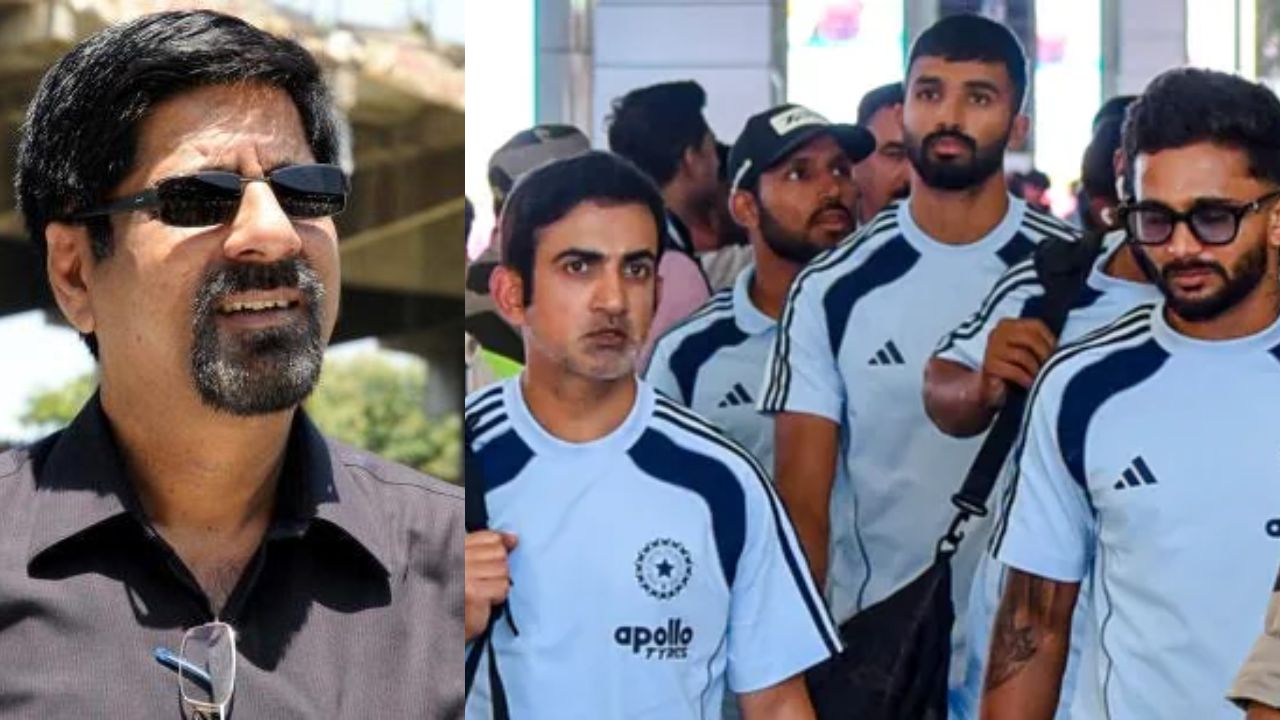
Kris Srikkanth Criticizes India’s Selection of Nitish Kumar Reddy for New Zealand ODIs
Former Indian selector Kris Srikkanth, known for his outspoken nature, has once again found fault with the Indian team’s selection process, this time targeting all-rounder Nitish Kumar Reddy for the upcoming ODI series against New Zealand. Srikkanth, who had previously criticized the selection of Harshit Rana across formats but later praised his performances, is now questioning the rationale behind Reddy’s inclusion in the squad.
Srikkanth’s Disapproval of Reddy’s Selection
Srikkanth expressed his doubts about Reddy’s capabilities, particularly as an all-rounder, questioning whether he can truly fill the void left by the rested Hardik Pandya. The former World Cup winner raised concerns about Reddy’s bowling abilities, stating that teams would easily target him if given the ball. He also questioned the logic behind Reddy’s selection over other deserving players like Axar Patel, who has proven himself as a reliable all-rounder for India in the past.
“I am not sure what Nitish Kumar Reddy has done. How is he looked at as an all-rounder? He won’t be given the ball at all as teams will smash him everywhere. I don’t understand the logic behind this. How’s he a replacement for Hardik Pandya? Hardik Pandya can play in the 11 only as a bowler or a batter and as a fielder too,” said Srikkanth.
Questioning Axar Patel’s Exclusion
In addition to criticizing Reddy’s selection, Srikkanth also raised questions about the omission of Axar Patel from the ODI squad. Patel, who had played a crucial role for India in limited-overs cricket, was suddenly left out of the team, much to Srikkanth’s dismay. The former selector pointed out Patel’s consistent performances and questioned why he was overlooked in favor of Reddy.
“I don’t know how they keep pushing him as an all-rounder. I am not even sure his track record in domestic cricket is that good. Instead of Nitish Kumar Reddy, they could have picked Axar Patel. He’s also an all-rounder and is the vice-captain in T20Is. What mistake did Axar Patel make? He has been very good and consistent. Suddenly, you’ve left him out of the squad,” said Srikkanth.
India’s All-Rounder Dilemma
The selection of three all-rounders for the New Zealand ODIs has raised eyebrows, particularly with Reddy’s inclusion alongside established players like Ravindra Jadeja and Washington Sundar. While Jadeja is a proven veteran, and Sundar provides spin-bowling options, Reddy’s lackluster performances in his short ODI career have left many questioning his place in the team.
Reddy’s underwhelming numbers in both domestic and international cricket have fueled the debate over his selection, with Srikkanth leading the charge in criticizing the team management’s decisions. As India prepares to take on New Zealand in the upcoming series, all eyes will be on Reddy to prove his detractors wrong and justify his place in the squad.
Overall, Srikkanth’s vocal disapproval of Reddy’s selection adds another layer of intrigue to India’s ODI team composition, setting the stage for a compelling contest against New Zealand.
The Importance of All-Rounders in Modern Cricket
In the context of modern-day cricket, the role of all-rounders has become increasingly crucial. All-rounders offer balance to the team by contributing both with the bat and ball. They provide flexibility in team selection, allowing for strategic adjustments based on the match conditions. India, like many other cricketing nations, values the presence of all-rounders in their squad to enhance their chances of success in different situations.
With the absence of a premier all-rounder like Hardik Pandya due to rest or injury, the selection of a suitable replacement becomes a topic of intense scrutiny. The competition for these coveted spots in the team is fierce, with talented players vying for the opportunity to showcase their skills on the international stage.
The Evolution of Selection Criteria
The criteria for selecting players for international matches have evolved over the years. Apart from considering individual performances, selectors now take into account a player’s adaptability, versatility, and potential impact on the game. The ability to excel under pressure, deliver consistent performances, and contribute in multiple facets of the game are all factors that weigh heavily in the selection process.
While statistics and track record play a significant role in evaluating a player’s suitability for the team, intangible qualities such as temperament, work ethic, and team dynamics also influence selection decisions. The challenge for selectors lies in striking the right balance between proven performers and promising talents, ensuring a mix of experience and youth in the squad.
The Unpredictability of Cricket
One of the aspects that make cricket such a captivating sport is its unpredictability. On any given day, a relatively unknown player can rise to the occasion and deliver a match-winning performance, defying expectations and silencing critics. The element of surprise is inherent in cricket, adding to its charm and excitement for fans around the world.
While Srikkanth’s criticism of Reddy’s selection raises valid points about the rationale behind certain decisions, it is essential to remember that cricket is a game of uncertainties. Players have the opportunity to prove their worth on the field, and their performances will ultimately determine their place in the team. As India gears up to face New Zealand in the upcoming ODIs, the spotlight will be on Reddy and his fellow teammates to showcase their skills and make a compelling case for their inclusion in the side.
Conclusion
In conclusion, the debate surrounding Nitish Kumar Reddy’s selection for the New Zealand ODIs highlights the complexities involved in team selection and the varied opinions within the cricketing fraternity. As fans eagerly await the series between India and New Zealand, the performance of players like Reddy will be closely monitored, with their on-field contributions shaping the narrative of the matches.
Ultimately, cricket is a game of uncertainties, where predictions and criticisms are part and parcel of the sport. While Srikkanth’s critiques provide valuable insights into the selection process, only time will tell how Reddy and the Indian team fare in the upcoming series, adding another layer of anticipation and excitement for cricket enthusiasts worldwide.
Latest News
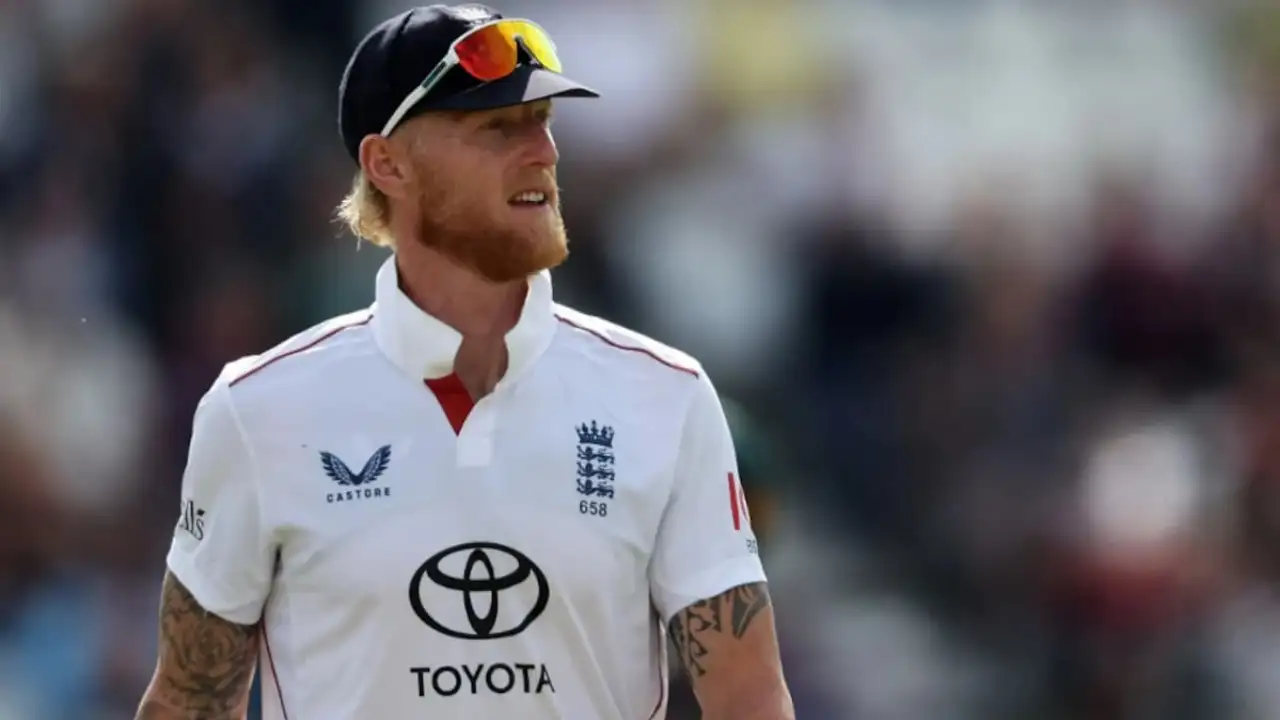
Ben Stokes return date revealed after injury layoff, set to miss start of season

Mitchell Starc issues official statement on his IPL 2026 availability
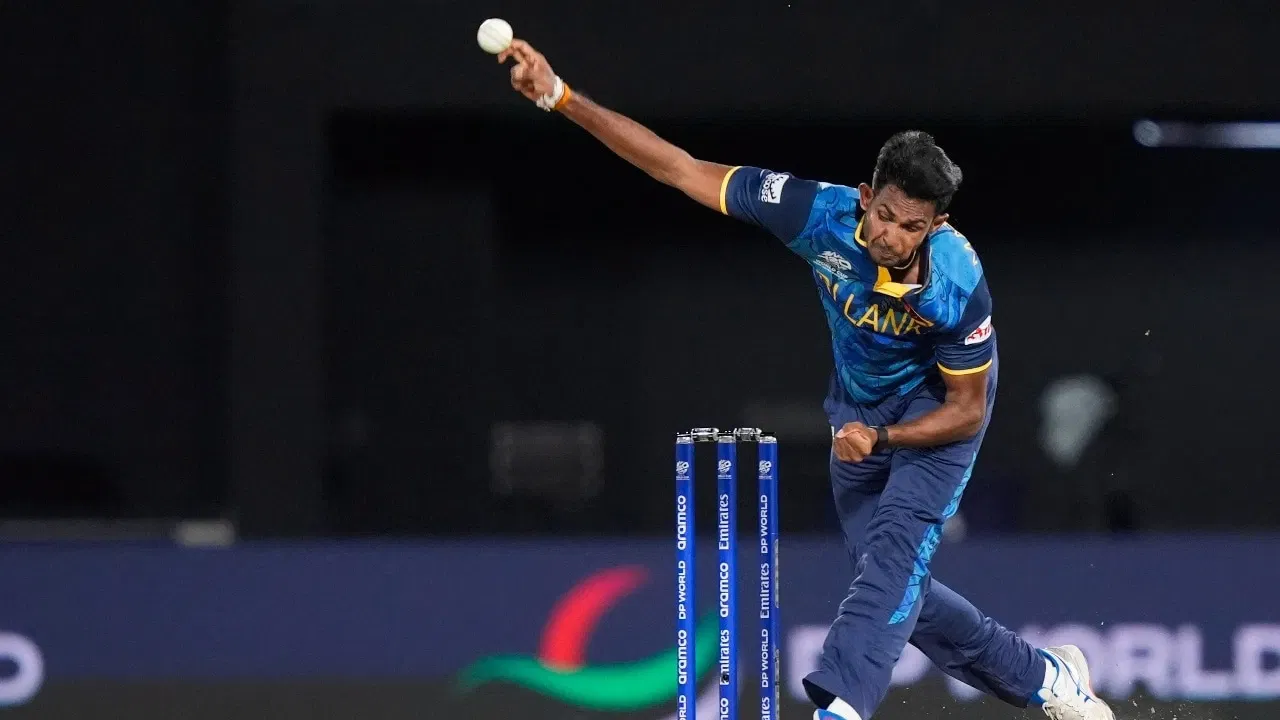
Matheesha Pathirana IPL return date revealed, set to miss two matches

Living Like Prince: Shubman Gill Buys a Massive ₹20.7 Cr Luxury Home in Juhu.
Not Vaibhav Sooryavanshi! Shashank Singh points out the most exciting young batter in IPL 2026
Rohit Sharma will perform better than Virat Kohli in IPL 2026, claims South Africa GOAT
Ravichandran Ashwin set to team up with Haris Rauf for San Francisco Unicorns in MLC
Jasprit Bumrah, Matheesha Pathirana injury updates: MI, KKR coaches issue official medical bulletin
Why are RCB players wearing black armbands today vs SRH in IPL 2026 Match 1?
RCB vs SRH Impact Players Today: Toss Report, Playing XIs, Latest Updates IPL 2026 Match 1
Yograj Singh makes blunt remark at Virat Kohli and Rohit Sharma over early retirement calls
Bhuvneshwar Kumar on brink of IPL history, needs two wickets for massive milestone
IPL to be broadcasted? Bangladesh government drops massive update on IPL broadcast ban

SRH fans to boycott IPL? Former India cricketer shares insights on social media drama around Abrar Ahmed