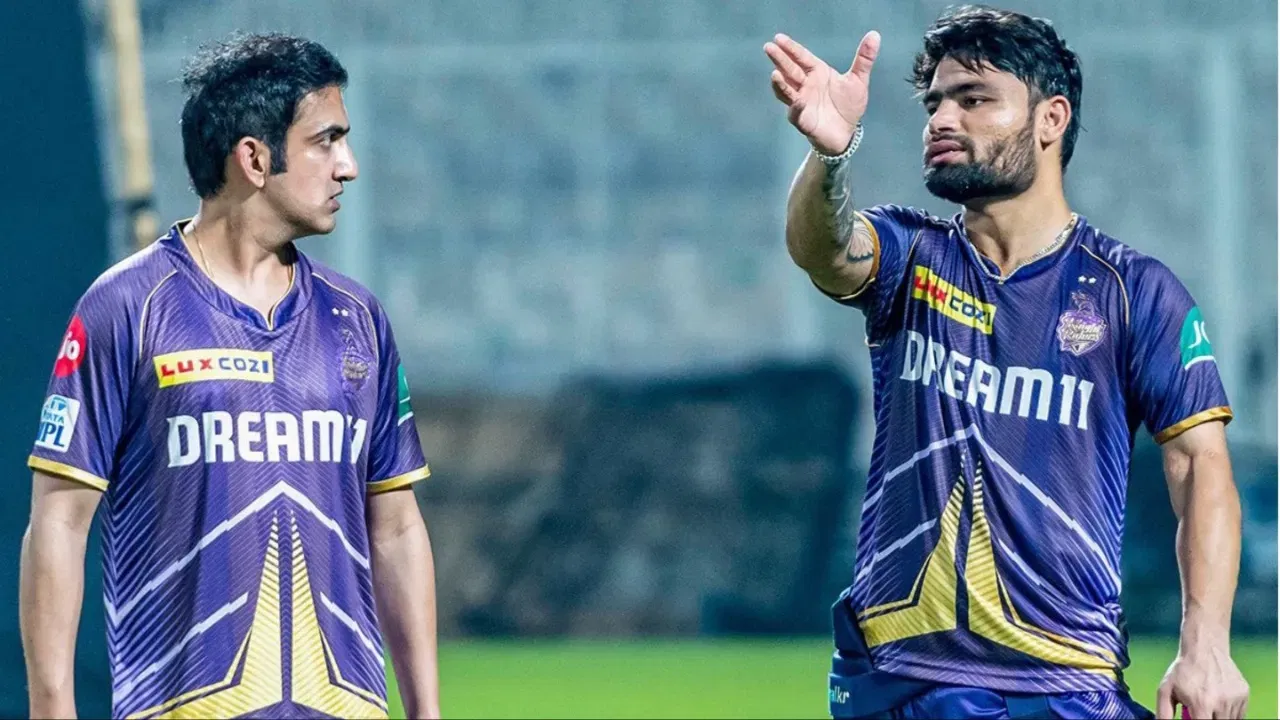
After Liam Livingstone, Tabraiz Shamsi detonates brutal allegations against BCCI, CSA & global boards
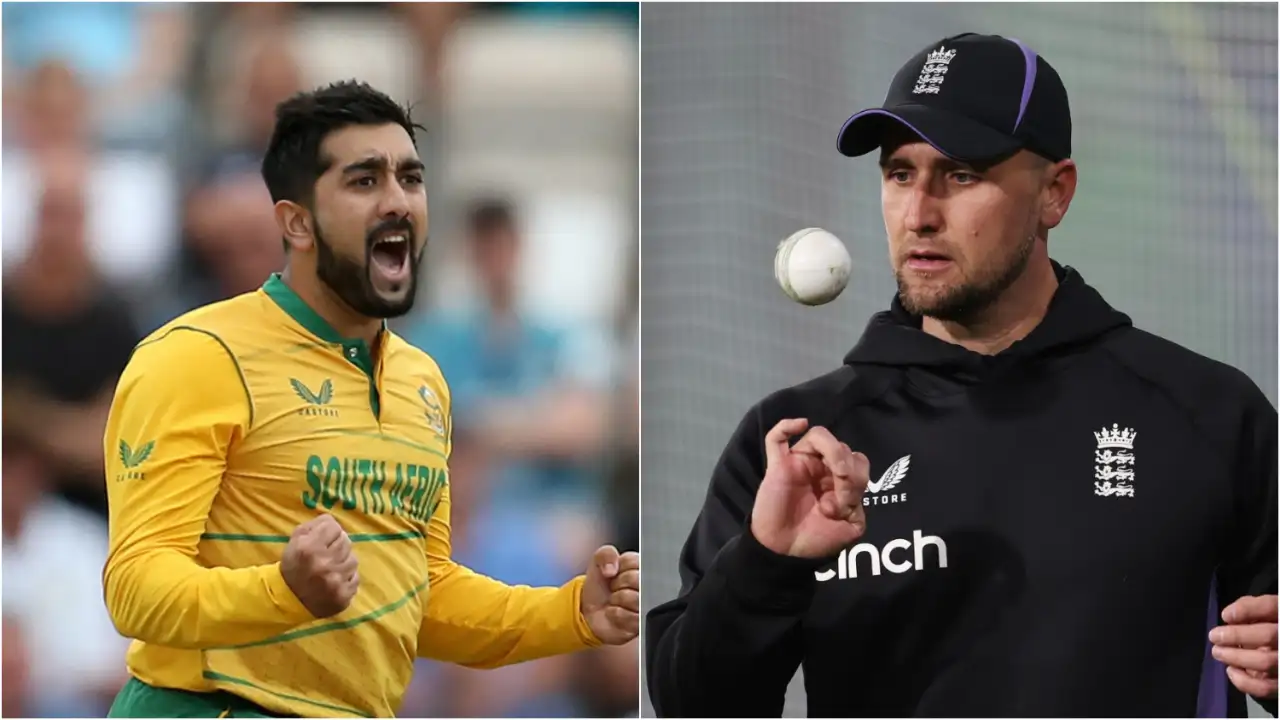
Liam Livingston Speaks Out Against England Cricket Board
The cricket world was shaken by England all-rounder Liam Livingston’s recent interview, where he revealed shocking details about his exclusion from the national team. This revelation has sparked a discussion in the cricketing community, with South African spinner Tabraiz Shamsi also sharing his thoughts on the matter. Could this speaking out process lead to a broader movement within the sport?
Liam Livingston’s Bombshell
Liam Livingston, a prominent player in England’s limited-over formats, expressed his surprise and disappointment at the lack of communication from the England and Wales Cricket Board (ECB) regarding his exclusion from the national team. With an impressive record of 60 T20 Internationals, 39 ODIs, and one test match for England, Livingston found himself dropped from the squad without a clear explanation.
Livingston recounted how he was informed of his exclusion by head coach Brendon McCullum over a brief phone call, leaving him with more questions than answers. Despite his contributions to the team, Livingston felt neglected and overlooked by the management, with minimal communication about his status within the squad.
“I asked why; they said they wanted to try someone else. That was off Baz (McCullum). Brooky (Harry Brook) sent me a text. Keysy (Director of Cricket Rob Key) said nothing, saying, ‘I’ll speak to you in the summer.’ I actually rang him one day, and he said he was busy at a test camp at Loughborough, and then I didn’t hear from him until the end of September,” Livingston revealed in an interview with ESPNcricinfo.
South African Spinner Tabraiz Shamsi Echoes Concerns
Tabraiz Shamsi, a prominent spinner from South Africa, also weighed in on the issue of player communication within cricket boards. Shamsi took to social media to express his thoughts on the lack of transparency and clarity in player selections, citing his own experiences with Cricket South Africa.
Shamsi highlighted the universal nature of this problem, with players around the world facing similar challenges in understanding the reasons behind their exclusion from national squads. His comments shed light on a broader issue within the sport, where players often retire without receiving the clarity they deserve.
“It’s sad that this is even a topic of discussion! It’s wild that it’s the same ALL OVER THE WORLD. I think our kids’ kids will also retire asking for clarity without getting it lol. I seriously wonder who is gonna be the first person in power that will actually get this right!” Shamsi shared on social media.
This recent development has sparked conversations within the cricketing community about the need for better communication and transparency between players, coaches, and cricket boards. As the sport continues to evolve, the voices of players like Livingston and Shamsi will play a crucial role in shaping the future of cricket administration.
Impact of Player Communication in Cricket
The issue raised by Liam Livingston and echoed by Tabraiz Shamsi sheds light on the importance of effective player communication within cricket boards. Beyond the individual experiences of these players, this conversation invites a broader discussion on the relationship between players and governing bodies in international cricket. The lack of transparency and clarity in player selection processes can have far-reaching consequences, not only on the affected individuals but also on the overall morale and integrity of the sport.
One of the key aspects of effective player communication is trust. When players feel that they are valued, respected, and informed about their position within the team, it can lead to a more positive and productive environment. Open lines of communication can also help prevent misunderstandings, build stronger team dynamics, and ultimately improve performance on the field. By neglecting to communicate clearly with players, cricket boards risk alienating valuable assets and creating an atmosphere of uncertainty and distrust.
Challenges in Modern Cricket Administration
The evolving landscape of cricket, with its increasing commercialization and global reach, presents unique challenges for cricket administrators. The pressure to perform on the international stage, coupled with the demands of a packed cricketing calendar, can sometimes overshadow the human element of the sport. In this fast-paced environment, it becomes crucial for cricket boards to prioritize communication with players, ensuring that they feel heard and understood amidst the chaos of modern cricket administration.
Furthermore, the power dynamics within cricket boards can sometimes contribute to a lack of transparency in player selections. Decisions made by coaches, selectors, and other officials can have a significant impact on a player’s career and future prospects. By fostering a culture of open dialogue and accountability, cricket boards can empower players to take ownership of their careers and make informed decisions about their professional paths.
Towards a Player-Centric Approach
As the cricketing community reflects on the revelations made by Livingston and Shamsi, there is an opportunity to shift towards a more player-centric approach in cricket administration. By prioritizing the well-being and communication needs of players, cricket boards can build stronger relationships with their athletes and create a more inclusive and transparent environment for all stakeholders.
Implementing clear communication channels, providing feedback to players, and involving them in decision-making processes can go a long way in fostering trust and mutual respect within the cricketing ecosystem. By listening to the voices of players and addressing their concerns, cricket boards can not only improve the player experience but also enhance the overall quality of the sport.
Conclusion
The candid revelations by Liam Livingston and Tabraiz Shamsi have sparked a much-needed conversation about player communication within cricket boards. By addressing the challenges and shortcomings in this area, the cricketing community has an opportunity to create a more player-centric and transparent environment for athletes around the world. As the sport continues to evolve, prioritizing effective communication with players will be essential in shaping a sustainable and inclusive future for cricket.
Latest News
MS Dhoni without No.7 jersey in IPL 2026? Official Facebook post triggers chaos

Virat Kohli labelled ‘torchbearer of Test cricket’ as Gautam Gambhir’s reality exposed by R Ashwin
AB de Villiers betrays Virat Kohli and Chris Gayle while naming all time best T20 player
Shocking! Marnus Labuschagne officially named Hyderabad captain ahead of 2026 season
“Very important player for RR” – Ex-CSK player backs Ravindra Jadeja ahead of IPL 2026
IPL 2026 Injury Updates Live: Full List of Injured Players, Replacements and Latest News
Salman Ali Agha was NOT OUT? MCC breaks silence on run-out controversy involving Mehidy Hasan Miraz
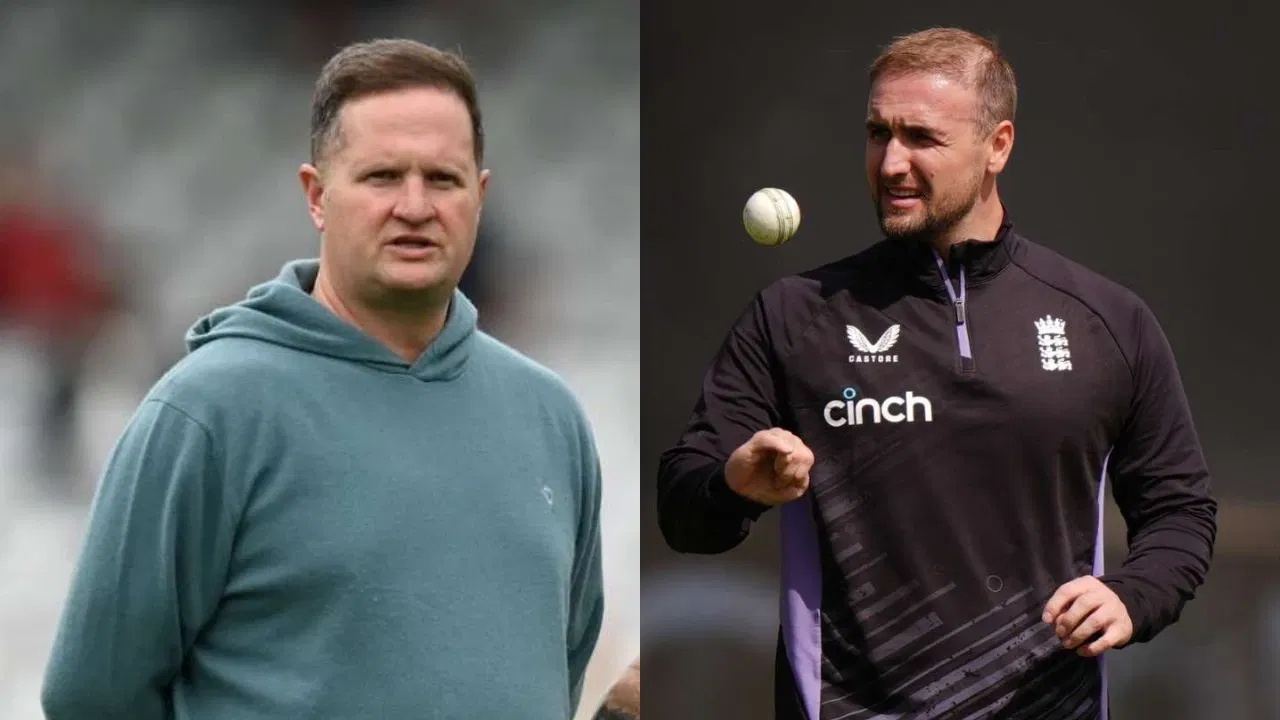
Liam Livingstone exposes Rob Key, Brendon McCullum over communication breakdown and cold treatment
Bangladesh cricket to be banned? Government intervention sparks total chaos
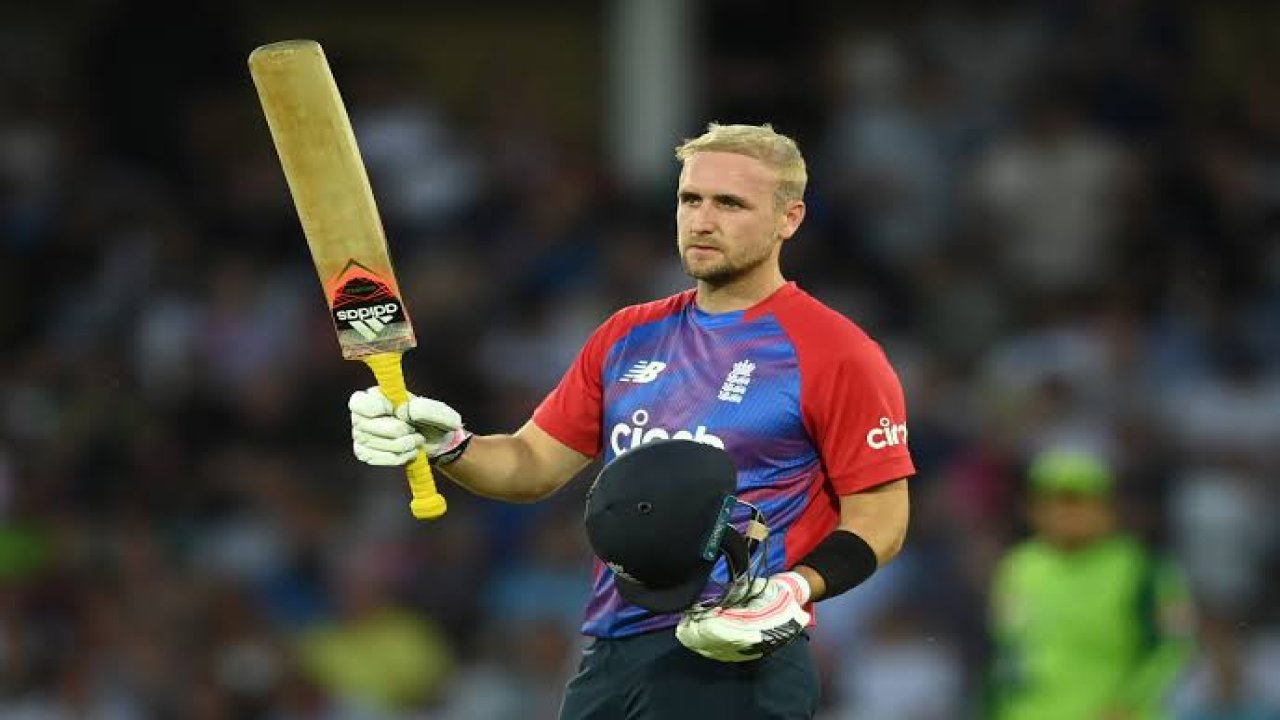
“I was asking for help…” – Liam Livingstone reveals frustration with England setup after CT 2025
CSK go full attack mode on Kavya Maran’s Sun TV after shocking court drama before IPL 2026
Josh Hazlewood, Pat Cummins out of IPL 2026; Australia stars rattled by Pakistan security concerns before PSL
After Liam Livingstone, Tabraiz Shamsi detonates brutal allegations against BCCI, CSA & global boards

Yuzvendra Chahal reignites Dhanashree Verma controversy, drags Kuldeep Yadav-Vanshika Chadha marriage into spotlight