Ahmed Shehzad exposes ‘evil’ Misbah-ul-Haq for stopping salary of Babar Azam’s teammate
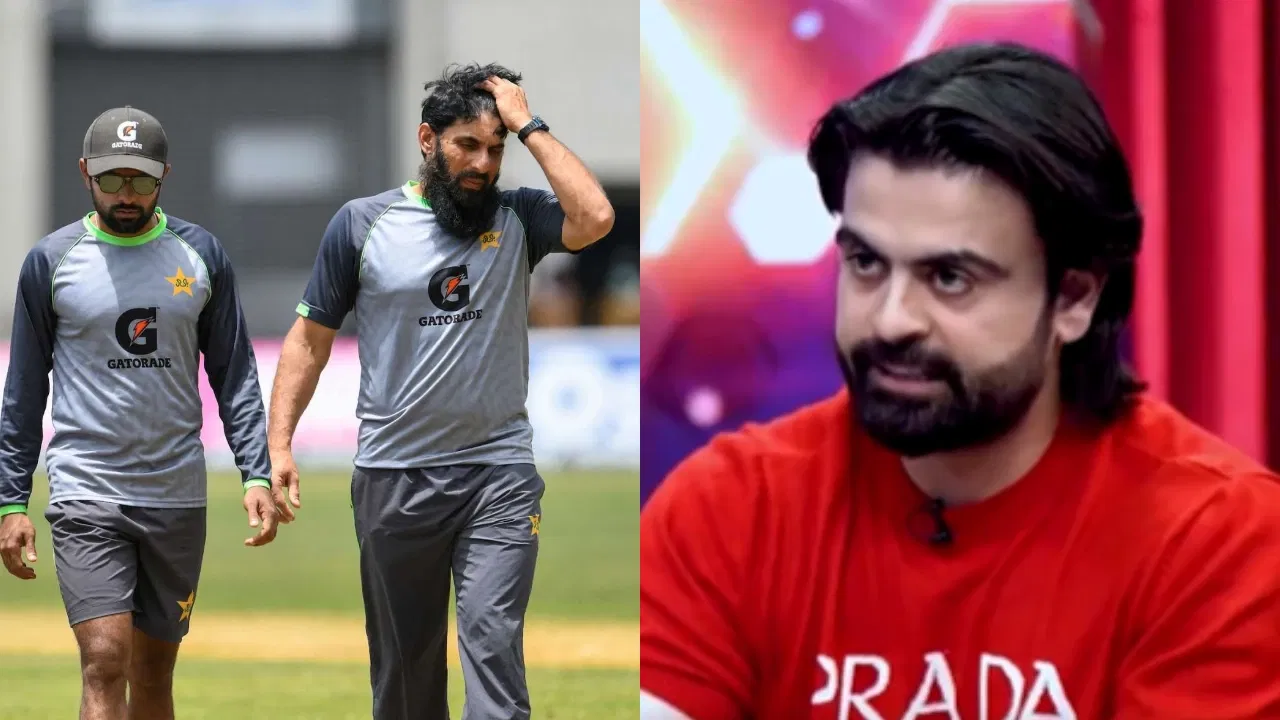
Pakistan Cricket Team Embroiled in Controversy as Ahmed Shehzad Makes Shocking Claims Against Misbah-ul-Haq
In a surprising turn of events, the Pakistan National Cricket Team finds itself mired in controversy once again as young player Ahmed Shehzad comes forward with disturbing revelations about the treatment of fellow cricketer Haseebullah Khan within the system. The accusations target former Pakistan captain Misbah-ul-Haq, raising serious questions about the decision-making process within the country’s cricket structure.
Shehzad’s Allegations
During a discussion on Geo News, Shehzad alleged that Haseebullah Khan, a promising wicketkeeper-batter, was being unfairly overlooked despite his strong performances in domestic cricket and for Pakistan Shaheens. Shehzad claimed that when Haseebullah questioned why he was not given opportunities, this seemed to upset Misbah-ul-Haq, leading to the young player being sidelined for an entire season. Moreover, Shehzad stated that Haseebullah’s salary had been withheld for several months, raising concerns about the treatment of players within the system.
Selection Controversy
According to Shehzad, the squad selection for the Bangladesh tour was influenced by a group that included Khurram Niazi, the director of domestic cricket, chief selector Aqib Javed, coach Mike Hesson, and advisor Misbah-ul-Haq. Shehzad criticized the decision-making process, highlighting the lack of transparency and accountability, especially when it comes to the treatment of young players like Haseebullah Khan.
Shehzad’s claims also shed light on a conversation between Haseebullah and Mike Hesson regarding the player’s omission from the squad. Hesson reportedly cited disciplinary issues and attitude problems as the reasons behind Haseebullah’s exclusion, a statement that Shehzad vehemently rejected, accusing Misbah-ul-Haq of unfairly influencing the selection process based on personal biases.
Implications for Young Players
The controversy surrounding Haseebullah Khan’s treatment has raised significant concerns about the future of aspiring cricketers in Pakistan. Shehzad emphasized the need for selection criteria to be based on merit rather than personal preferences, as decisions like these can have long-lasting effects on the careers of young players.
Shehzad’s bold accusations against a former cricketing legend like Misbah-ul-Haq have sparked a debate within the cricketing community, with many calling for greater transparency and accountability in the selection process to ensure fair treatment for all players.
Conclusion
As the Pakistan National Cricket Team grapples with yet another controversy, the allegations made by Ahmed Shehzad have shone a spotlight on the inner workings of the cricketing system in the country. The need for a more transparent and merit-based selection process has become evident, as players like Haseebullah Khan continue to face challenges in their quest for recognition and success in the sport.
It remains to be seen how these revelations will impact the future of cricket in Pakistan and whether they will lead to reforms that prioritize fairness and equality for all players, regardless of their background or connections within the cricketing hierarchy.
Repercussions in the Cricketing Community
Ahmed Shehzad’s allegations have sent shockwaves through the cricketing community in Pakistan. The rift between senior players and the management has brought to light the underlying power dynamics and favoritism that may exist within the selection process. This controversy has ignited discussions about the need for greater oversight and accountability to ensure that players are chosen based on merit and performance rather than personal biases.
Former cricketers, analysts, and fans have weighed in on the issue, with many expressing concern over the potential impact on the morale and confidence of young players like Haseebullah Khan. The controversy has highlighted the challenges faced by emerging talents in a system where decisions may be influenced by factors other than on-field performance.
Historical Precedents
The controversy surrounding player selection and treatment is not a new phenomenon in Pakistani cricket. The history of the sport in the country is replete with instances of political interference, infighting, and favoritism affecting team dynamics and performance. From disputes between players and coaches to allegations of match-fixing and nepotism, Pakistan cricket has had its fair share of controversies over the years.
These recurring issues have often overshadowed the team’s on-field achievements and hindered the development of a cohesive and successful cricketing culture. The current situation involving Ahmed Shehzad, Misbah-ul-Haq, and Haseebullah Khan is just the latest chapter in a long-standing narrative of discord and distrust within the Pakistan National Cricket Team.
The Way Forward
Amidst the turmoil and discord, there is an opportunity for introspection and reform within the Pakistani cricketing system. The revelations brought to light by Ahmed Shehzad have underscored the urgent need for transparency, fairness, and accountability in the selection and management of players. Addressing issues of favoritism, nepotism, and personal biases is crucial to fostering a culture of meritocracy and professionalism within the team.
It is imperative for the Pakistan Cricket Board (PCB) to conduct a thorough investigation into the allegations raised by Shehzad and ensure that the grievances of players like Haseebullah Khan are addressed promptly and fairly. Implementing clear guidelines for player selection, performance evaluation, and disciplinary measures can help prevent similar controversies in the future and promote a more inclusive and supportive environment for all cricketers.
Conclusion
The saga involving Ahmed Shehzad, Misbah-ul-Haq, and Haseebullah Khan has brought to the forefront the challenges and complexities inherent in the world of cricket in Pakistan. While the controversy has exposed underlying tensions and shortcomings within the system, it also presents an opportunity for reflection and reform.
By learning from past mistakes, promoting transparency and fairness, and prioritizing the well-being and development of players, the Pakistan National Cricket Team can aspire to greater heights of success and unity. It is through addressing internal issues and fostering a culture of mutual respect and professionalism that Pakistani cricket can overcome its obstacles and emerge stronger and more resilient in the global arena.
Latest News

“His bowling is terrible” – Ex-India captain tears into Sam Curran before IND vs ENG semi-final
Abhishek Sharma dropped? India Playing XI for England clash officially revealed hours before match
Ahmed Shehzad exposes ‘evil’ Misbah-ul-Haq for stopping salary of Babar Azam’s teammate
PCB officially backs Salman Agha, Shaheen Afridi for white-ball captaincy; Mike Hesson to continue as head coach
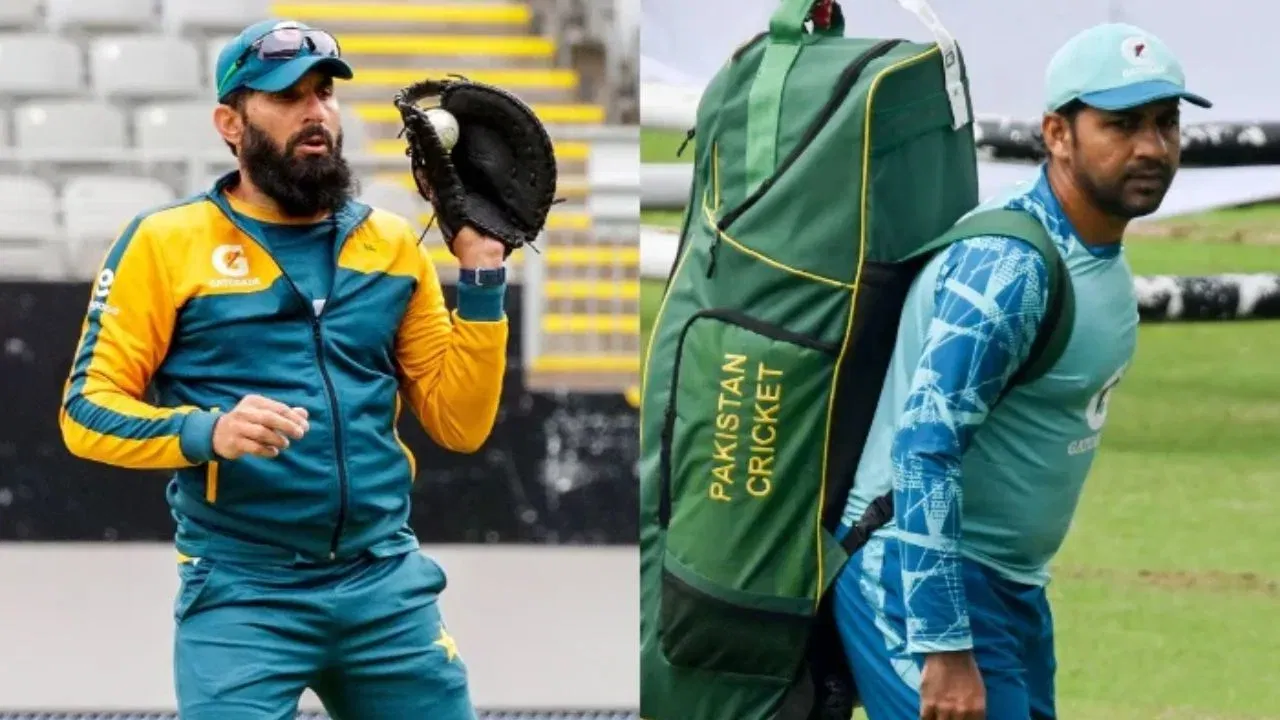
Misbah-ul-Haq, Sarfaraz Ahmed join new Pakistan selection committee after T20 World Cup 2026
Ravichandran Ashwin BURNS down Gautam Gambhir over ‘data’ remarks
Rashid Khan SACKED! Rohit Sharma-Virat Kohli challenger named new Afghanistan captain

West Indies head coach Darren Sammy takes a swipe at Jay Shah after being stranded in Kolkata
Rashid Latif fears death, refuses to say a word against Mohsin Naqvi
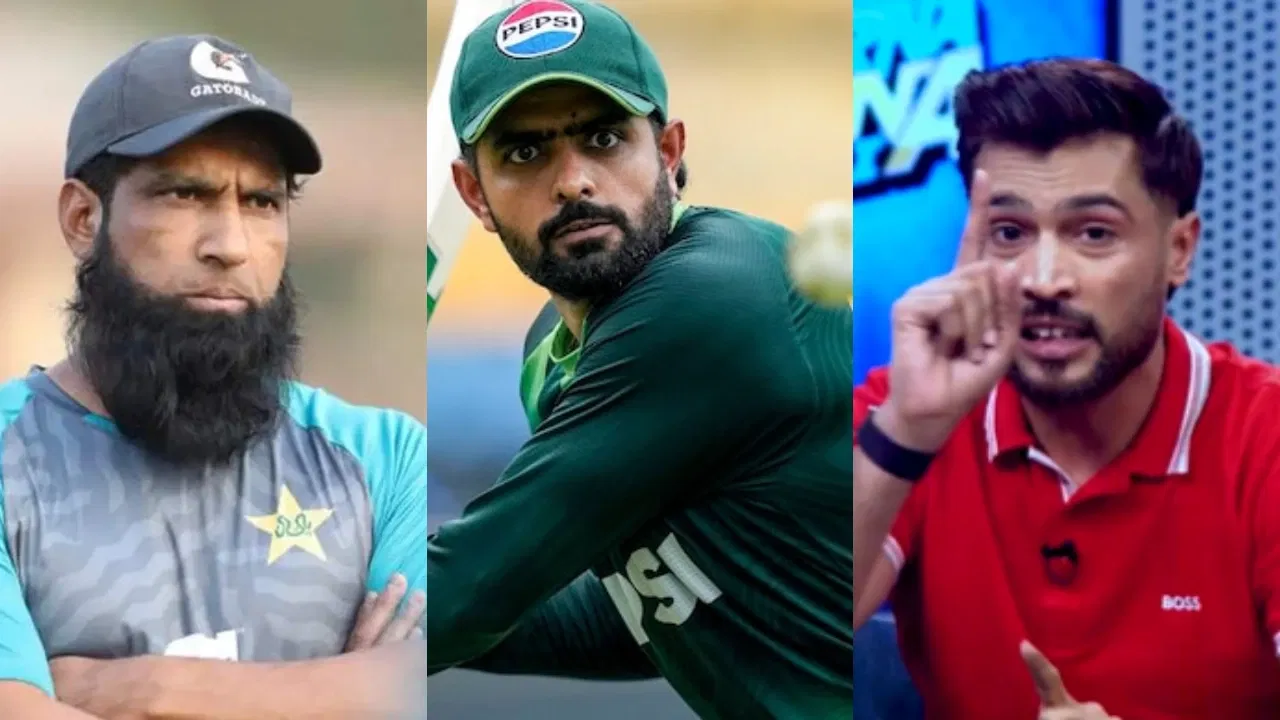
Mohammad Amir, Mohammad Yousuf revolt against Mohsin Naqvi after Babar Azam’s ODI axing
Moeen Ali ignored for The Hundred auction after pro-Pakistan stance against IPL owners
Pakistan star harasses female hotel staff in Sri Lanka; Mohsin Naqvi shamed into taking strong action

Ahmed Shehzad again SLAPS Mohammad Amir with IND vs ENG semi-final prediction

“Doesn’t matter who…”: Finn Allen fires open threat to Suryakumar Yadav & India before T20 WC final