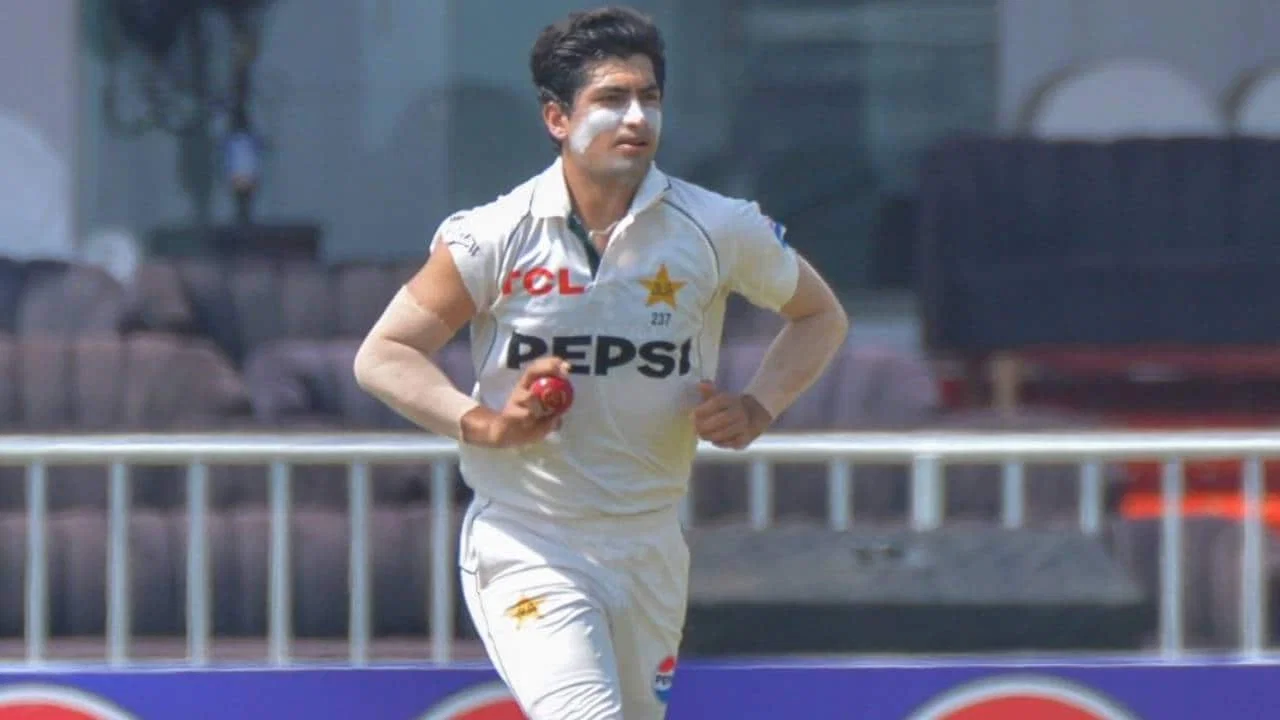
Ajit Agarkar attacked by BCCI selector for sacking Rohit Sharma; ‘one captain for all formats’ theory destroyed
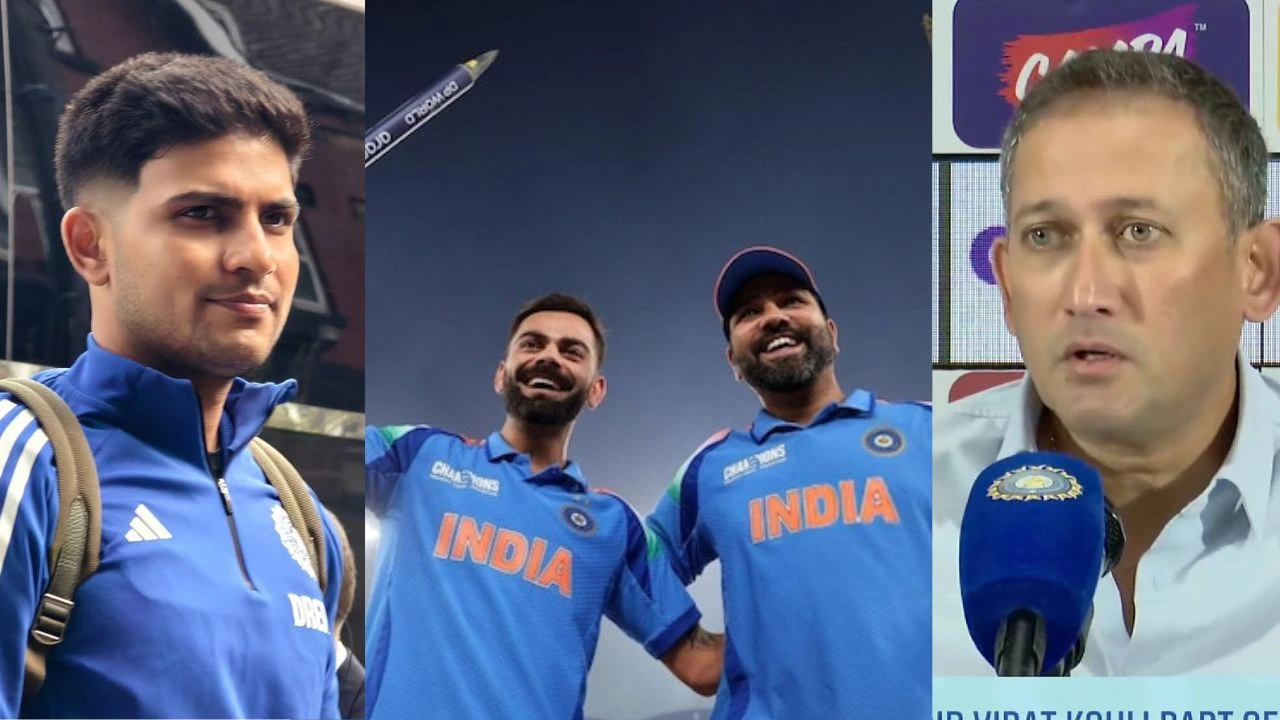
Former BCCI Selector Saba Karim Criticizes Decision to Remove Rohit Sharma as ODI Captain
Former Board of Control for Cricket in India (BCCI) selector Saba Karim has expressed his strong disapproval of the decision made by Ajit Agarkar and the selection committee to remove Rohit Sharma as the ODI captain of the India National Cricket Team.
Saba Karim described the decision as “very abrupt” and stated that there was no valid reason to strip Rohit Sharma of his leadership role and appoint Shubman Gill as the new ODI skipper.
Shocking Decision
The decision to remove the T20 World Cup and ICC Champions Trophy-winning captain Rohit Sharma from his position as the ODI skipper came as a surprise to many cricket fans. Rohit Sharma had already retired from T20I and Test cricket, leaving him solely focused on extending his ODI career.
Despite his decision to step down from the other formats, Rohit Sharma’s abrupt dismissal as the ODI captain raised eyebrows among cricket enthusiasts. The selectors and team management justified the move by stating that they are aiming to build a team for the ICC Men’s Cricket World Cup 2027.
Outrage Among Fans
Saba Karim, in an interview with KADAK, expressed his shock at the manner in which Rohit Sharma was removed from his leadership role. He emphasized Rohit’s track record as a successful captain who led the team to multiple victories, including back-to-back trophies.
Karim stated, “Rohit Sharma played a massive role in building a champion team and continues to be a great captain and batter. His sudden exit from the captaincy position has been extremely shocking.”
Call for Diverse Leadership
While Shubman Gill has been appointed as the new ODI captain with the intention of grooming him for the 2027 World Cup, Karim believes in the importance of having different captains for different formats. He argues that the one-captain-for-all theory is flawed and that India should consider separate leaders for white-ball and red-ball cricket.
According to Karim, maintaining separate captains for each format allows for tailored strategies, approaches, and player preparations that cater to the specific demands of each type of cricket.
In conclusion, the decision to remove Rohit Sharma as the ODI captain has sparked debate and criticism within the cricket community. While the selectors aim to build a strong team for future competitions, the abrupt nature of Rohit’s dismissal has left many questioning the logic behind the move.
Rohit Sharma’s Leadership Qualities
Rohit Sharma, known for his calm demeanor and tactical acumen on the field, has been praised for his ability to lead by example. His astute decision-making and strategic planning have played a significant role in India’s success in limited-overs cricket. Sharma’s knack for nurturing young talent and fostering a positive team environment has been widely acknowledged by players and experts alike.
Under Rohit’s captaincy, several young cricketers have flourished and grown into key contributors for the team. His mentorship and guidance have been instrumental in shaping the careers of budding talents, showcasing his leadership prowess beyond just on-field performances.
Impact on Team Dynamics
The sudden change in leadership within the Indian cricket team can have far-reaching implications on team dynamics and morale. Rohit Sharma’s removal as captain may disrupt the established rapport and communication channels within the squad, potentially affecting player confidence and performance on the field.
The adjustment period under a new captaincy can introduce uncertainties and challenges that may impact the team’s cohesiveness and ability to execute game plans effectively. It will be crucial for the coaching staff and players to adapt swiftly to the leadership transition to ensure a seamless transition and maintain the team’s competitive edge.
Building for the Future
While the decision to groom Shubman Gill as the ODI captain signals a strategic focus on the long-term development of the team, the process of building a cohesive unit for the 2027 World Cup requires careful planning and execution. The selection committee’s emphasis on youth and potential indicates a shift towards investing in emerging talent and nurturing future leaders within the squad.
By aligning team selection and leadership appointments with a futuristic vision, the BCCI aims to create a sustainable framework for sustained success in international cricket. The transition phase under new leadership presents an opportunity for young cricketers to showcase their capabilities and carve out their place in the team’s fabric.
Evolving Leadership Strategies
The evolving landscape of cricket demands adaptive leadership strategies that cater to the specific requirements of different formats. With the emergence of specialized skill sets and strategic nuances in white-ball and red-ball cricket, the role of captains has become increasingly specialized and tailored to distinct formats.
By embracing diversity in leadership roles and recognizing the unique demands of each format, teams can optimize performance and leverage the strengths of individual captains to maximize success across different competitions. The emphasis on strategic flexibility and tactical acumen underscores the importance of dynamic leadership approaches in modern cricket.
In conclusion, the decision to remove Rohit Sharma as the ODI captain reflects a strategic shift towards long-term planning and grooming young talent for future success. While the transition may pose challenges in the short term, the focus on building a robust team structure for upcoming competitions underscores the BCCI’s commitment to fostering a culture of excellence and sustainability in Indian cricket.
Latest News
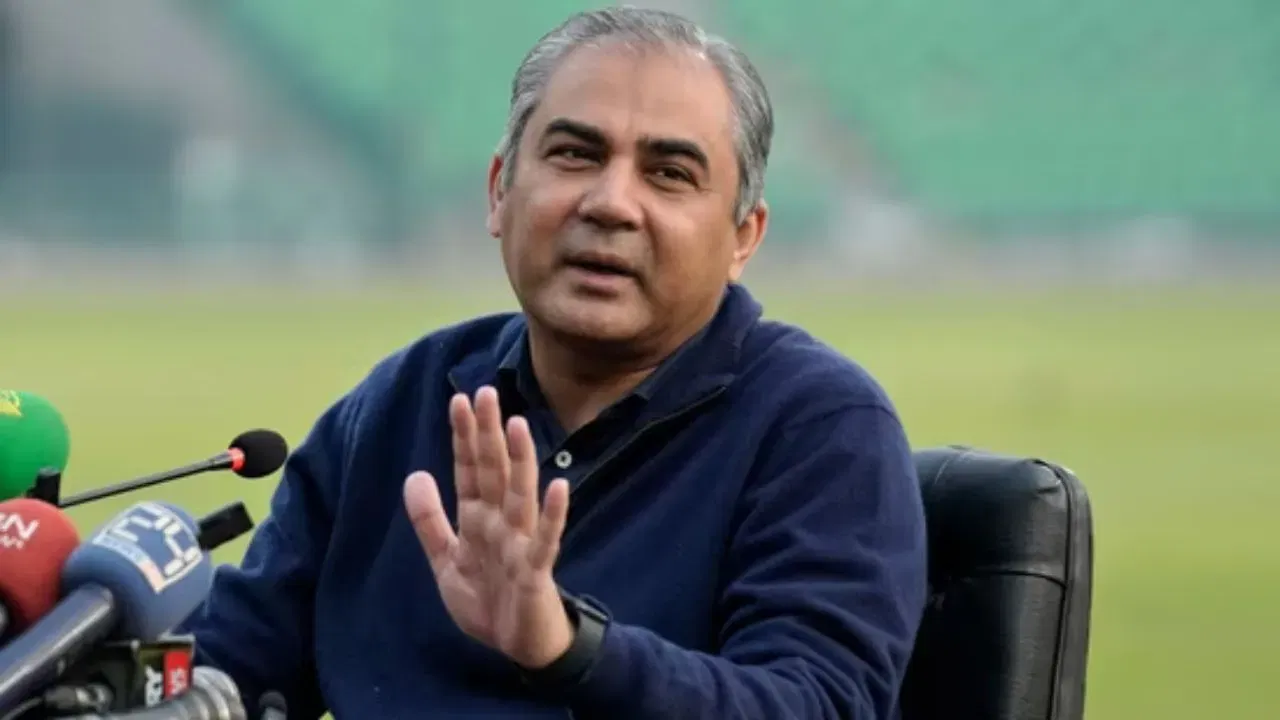
Mohsin Naqvi totally angry and stressed as PSL 2026 controversies escalate
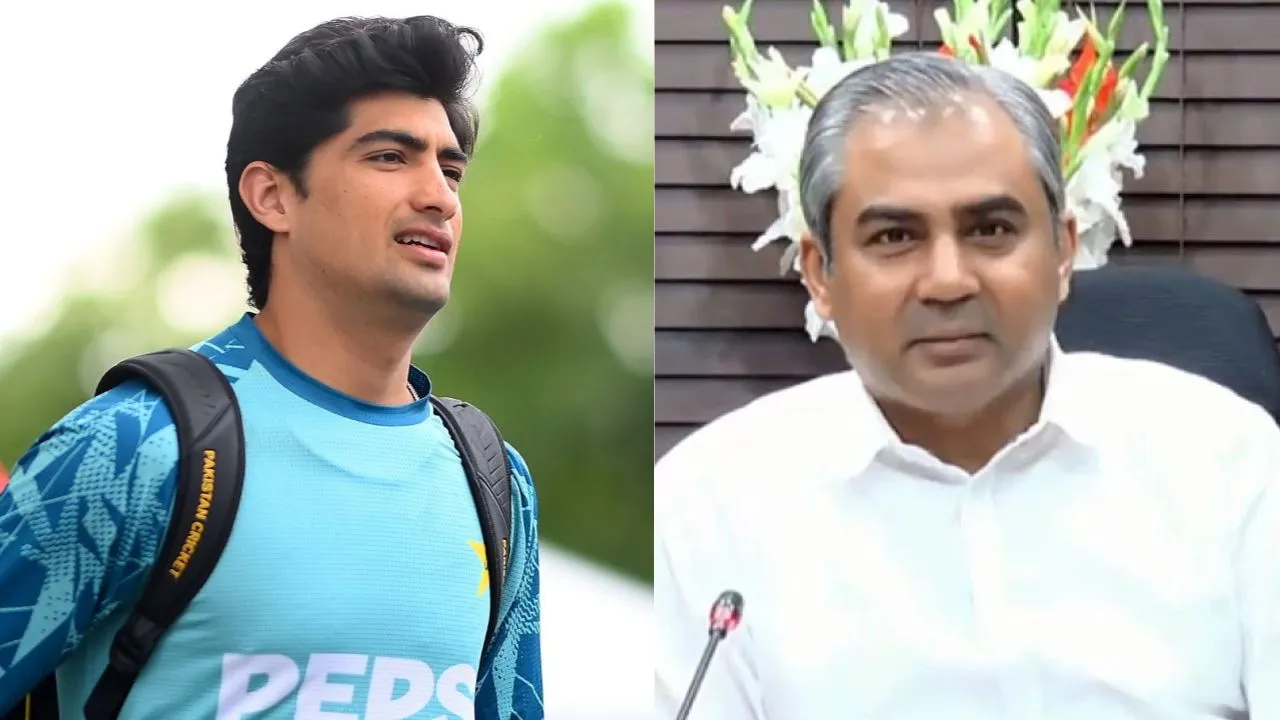
Mohsin Naqvi saves Naseem Shah from two-year ban, shocking claim emerges after controversy
Michael Vaughan claims Vaibhav Sooryavanshi’s India call-up for England tour is confirmed
Ravindra Jadeja’s teary-eyed reaction goes viral after RR demolish CSK in IPL 2026 clash
New Zealand ODI and T20I squads for Bangladesh tour officially announced
Naseem Shah breaks silence on PCB punishment, issues public apology following massive controversy
Australia coach drops big hint on Cameron Green’s Test future amid IPL 2026 drama
Ajit Agarkar told to fast-track Vaibhav Sooryavanshi into Indian Team
CSK declared useless without MS Dhoni by Ex-England captain
Shocking! Fakhar Zaman tampered with ball vs USA in T20 World Cup, ICC did not act
“Don’t get banned”: Digvesh Rathi reveals Sanjiv Goenka and Rishabh Pant’s warning over fiery celebrations
MS vs HYDK Match Prediction, Pitch & Weather Report, Playing XIs, Head-to-Head, Free Live Streaming – PSL 2026 Match 8
ISU vs PSZ Match Prediction, Pitch & Weather Report, Playing XIs, Head-to-Head, Free Live Streaming – PSL 2026 Match 7
Ravindra Jadeja breaks silence on fiery send-off to Shivam Dube in RR vs CSK IPL 2026 clash