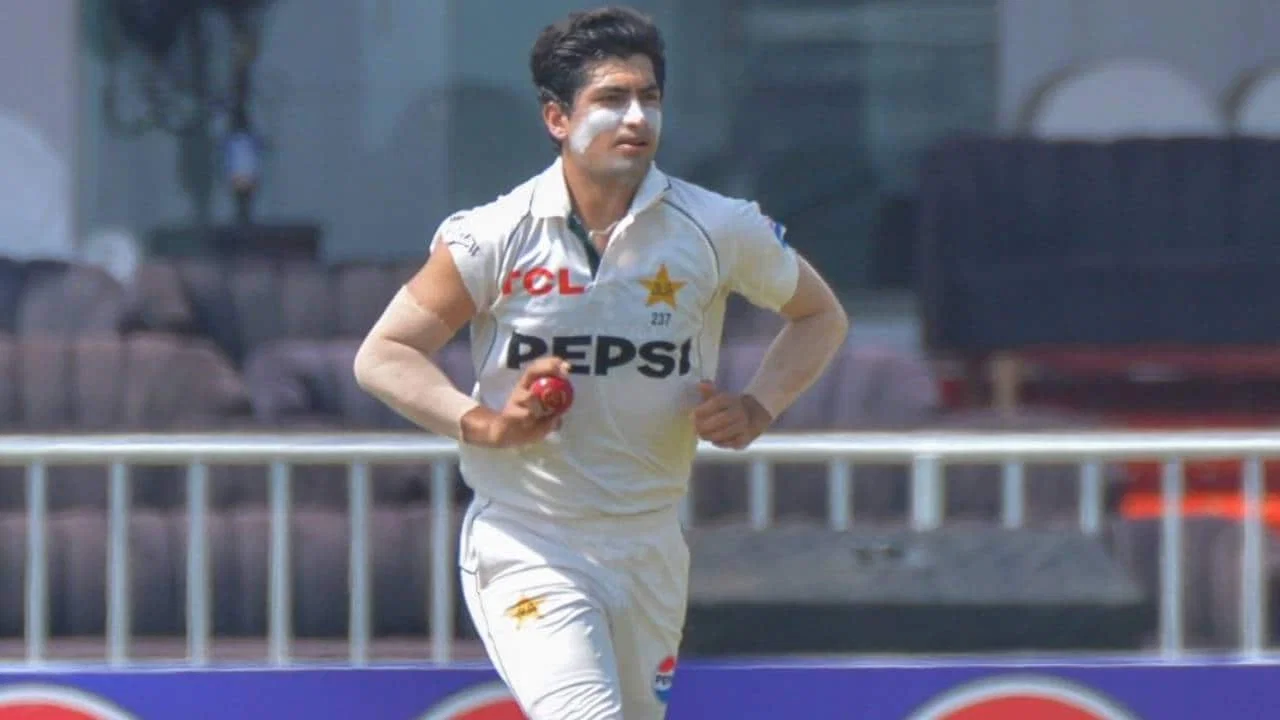
Ajit Agarkar attacked by BCCI selector for sacking Rohit Sharma; ‘one captain for all formats’ theory destroyed
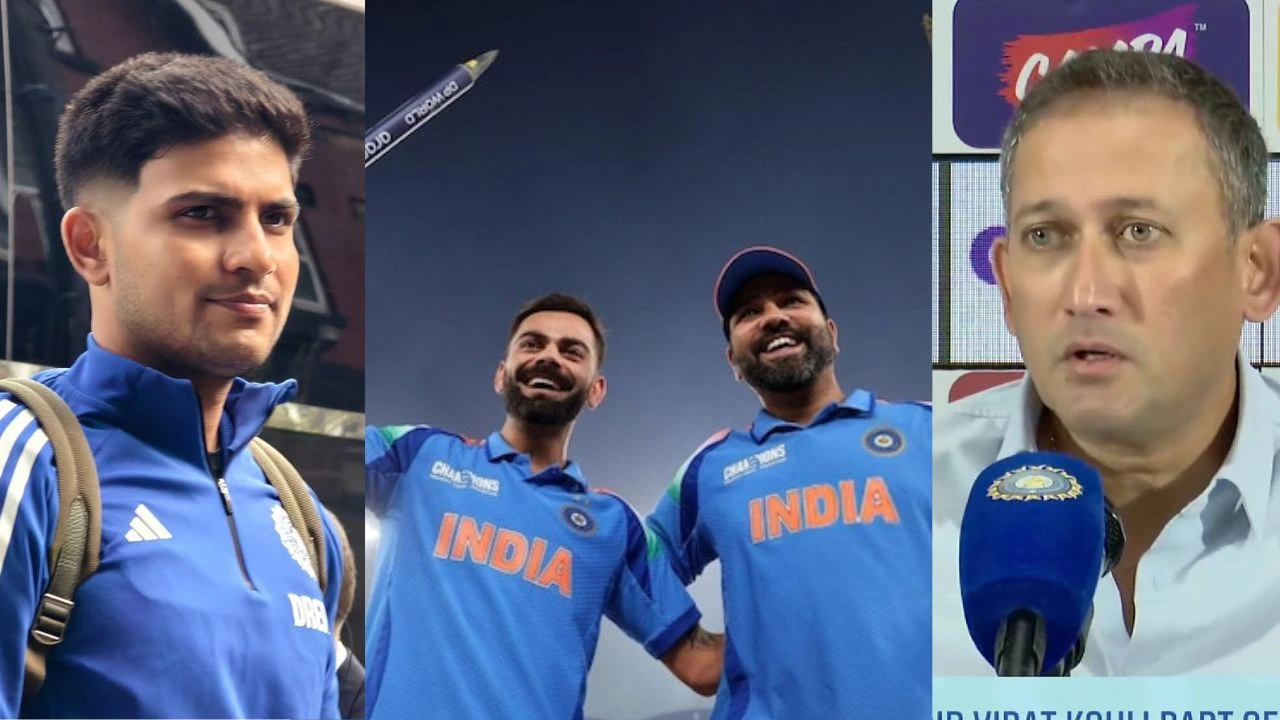
Former BCCI Selector Criticizes Decision to Sack Rohit Sharma as ODI Captain
Former Board of Control for Cricket in India (BCCI) selector Saba Karim has expressed his disappointment with the decision made by Ajit Agarkar and the selection committee to remove Rohit Sharma as the ODI captain of the Indian National Cricket Team. Karim described the move as “very abrupt” and unnecessary, stating that there was no reason to replace Sharma with Shubman Gill.
Rohit Sharma’s Sudden Removal as ODI Skipper
The decision to sack Rohit Sharma as the ODI captain came as a surprise to many cricket fans and experts. Despite his successful stint as the T20 World Cup and ICC Champions Trophy-winning captain, Sharma was stripped of his captaincy ahead of the Australia tour.
Sharma had previously retired from T20I and Test cricket, focusing on extending his ODI career. However, the selectors decided to hand over the captaincy to Shubman Gill in preparation for the ICC Men’s Cricket World Cup 2027. While Sharma will continue to play as a member of the team, his future performances will determine his longevity in the squad.
Saba Karim’s Displeasure with the Decision
Speaking on KADAK, Saba Karim expressed his shock at the manner in which Rohit Sharma was removed from the captaincy. He emphasized Sharma’s leadership qualities and his role in building a successful team, questioning the rush to replace him.
Karim highlighted Sharma’s track record of leading the team to victory in major tournaments and his strategic contributions on the field. He believed that Sharma’s exit as captain was unwarranted and unexpected, given his experience and skills.
Debate Over One Captain for All Formats
As Shubman Gill emerges as a potential all-format captain for India, there is a debate surrounding the concept of having one captain across all formats. While the selection committee led by Ajit Agarkar supports this idea, Saba Karim disagrees.
Karim believes that different formats of the game require different leadership styles and strategies. He argues that having separate captains for white-ball and red-ball cricket would align better with the distinct visions and preparations needed for each format.
Despite the ongoing discussions about captaincy decisions, the cricketing world eagerly awaits to see how the Indian team performs under the new leadership structure and whether Rohit Sharma will continue to shine on the field as a key player for the squad.
Rohit Sharma’s Leadership and Impact on the Indian Cricket Team
Rohit Sharma’s tenure as the ODI captain of the Indian National Cricket Team was marked by numerous successes and milestones. Sharma’s calm demeanor, tactical acumen, and ability to lead from the front made him a popular choice among fans and players alike. Under his captaincy, India achieved remarkable victories in bilateral series, ICC tournaments, and high-pressure matches.
One of Sharma’s most significant contributions as captain was his role in nurturing young talent and building a cohesive team unit. His leadership on and off the field inspired confidence in his players, leading to improved performances and a winning mindset. Sharma’s strategic decisions and tactical acumen often turned the tide in India’s favor, showcasing his ability to read the game situation and make crucial calls under pressure.
Shubman Gill’s Rise as a Potential Captain
As Shubman Gill steps into the role of ODI captain, there is a sense of anticipation surrounding his leadership capabilities and strategic vision for the team. Gill’s impressive performances with the bat and his maturity on the field have earned him recognition as a future leader of the Indian cricket team. His calm demeanor, solid technique, and adaptability make him a promising candidate to lead the team across formats.
Gill’s leadership style is expected to bring a fresh perspective to the team, emphasizing teamwork, discipline, and a focus on consistent performance. As a young captain, Gill will have the opportunity to shape the team according to his vision and implement strategies that align with the team’s goals and aspirations.
The Evolution of Captaincy in Modern Cricket
In the ever-evolving landscape of modern cricket, the role of the captain has undergone significant changes. Captains are no longer just on-field leaders but also strategists, motivators, and ambassadors of the sport. The demands of leading a cricket team have become more complex, requiring captains to possess a blend of tactical acumen, man-management skills, and the ability to adapt to different formats and playing conditions.
The debate over having one captain for all formats versus separate captains for different formats reflects the ongoing evolution of leadership structures in cricket. While a single captain across formats can bring consistency and a unified approach, having specialized captains for white-ball and red-ball cricket allows for a tailored strategy that suits the specific demands of each format.
The Future of Indian Cricket Leadership
As the Indian National Cricket Team transitions to a new era of leadership under Shubman Gill, the cricketing world will be closely watching the team’s performance and dynamics under the young captain. Gill’s appointment signals a shift towards a younger generation of leaders taking the reins of the team and shaping its future trajectory.
With Rohit Sharma’s experience and skill set still integral to the team’s success, his role as a senior player and mentor will be crucial in supporting Gill and guiding the team through challenging moments. The blend of youth and experience in the team’s leadership structure sets the stage for an exciting chapter in Indian cricket, full of promise and potential for continued success on the international stage.
By delving deeper into the leadership qualities of Rohit Sharma, the emergence of Shubman Gill as a potential captain, and the evolving landscape of cricket captaincy, this expanded content provides a comprehensive analysis of the recent captaincy decisions within the Indian National Cricket Team.
Latest News
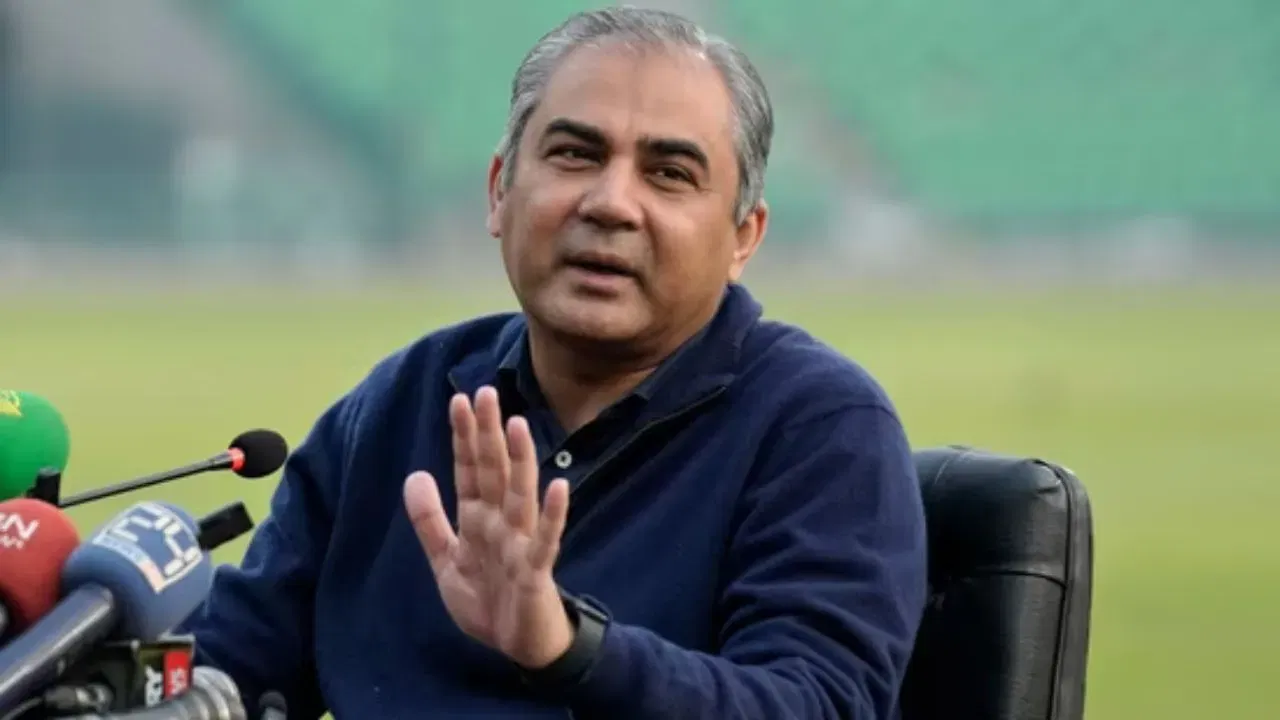
Mohsin Naqvi totally angry and stressed as PSL 2026 controversies escalate
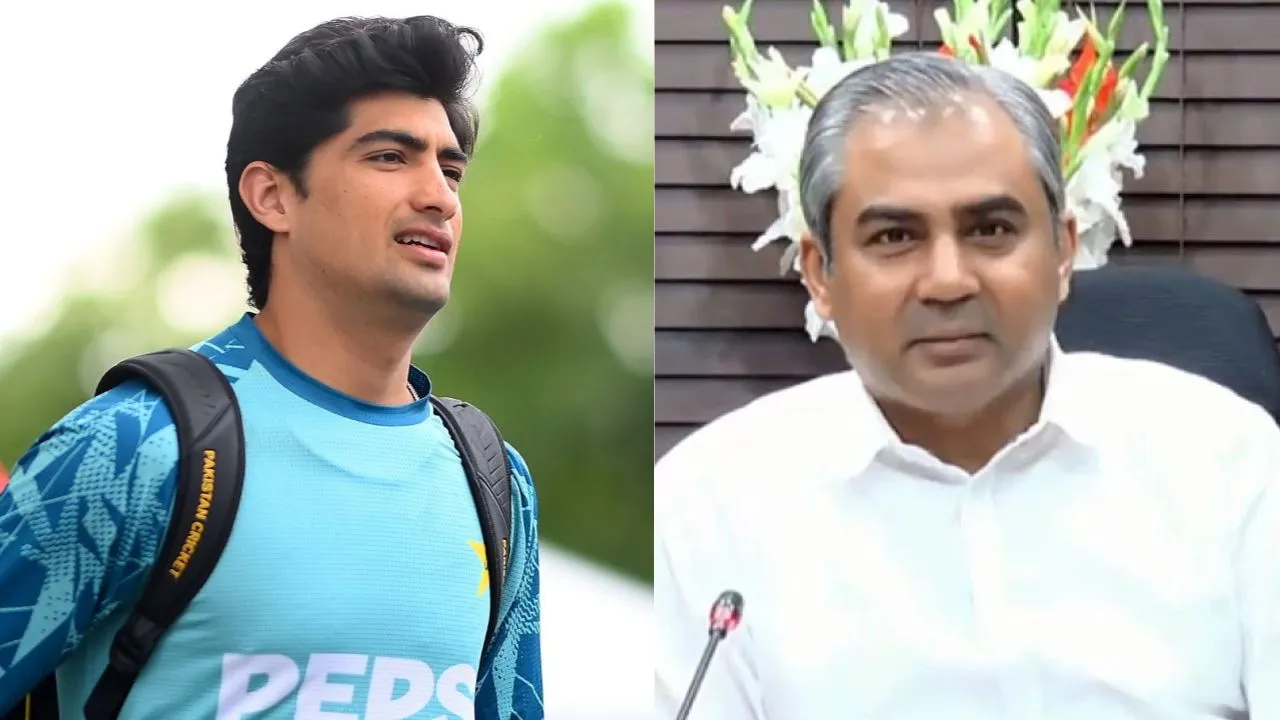
Mohsin Naqvi saves Naseem Shah from two-year ban, shocking claim emerges after controversy
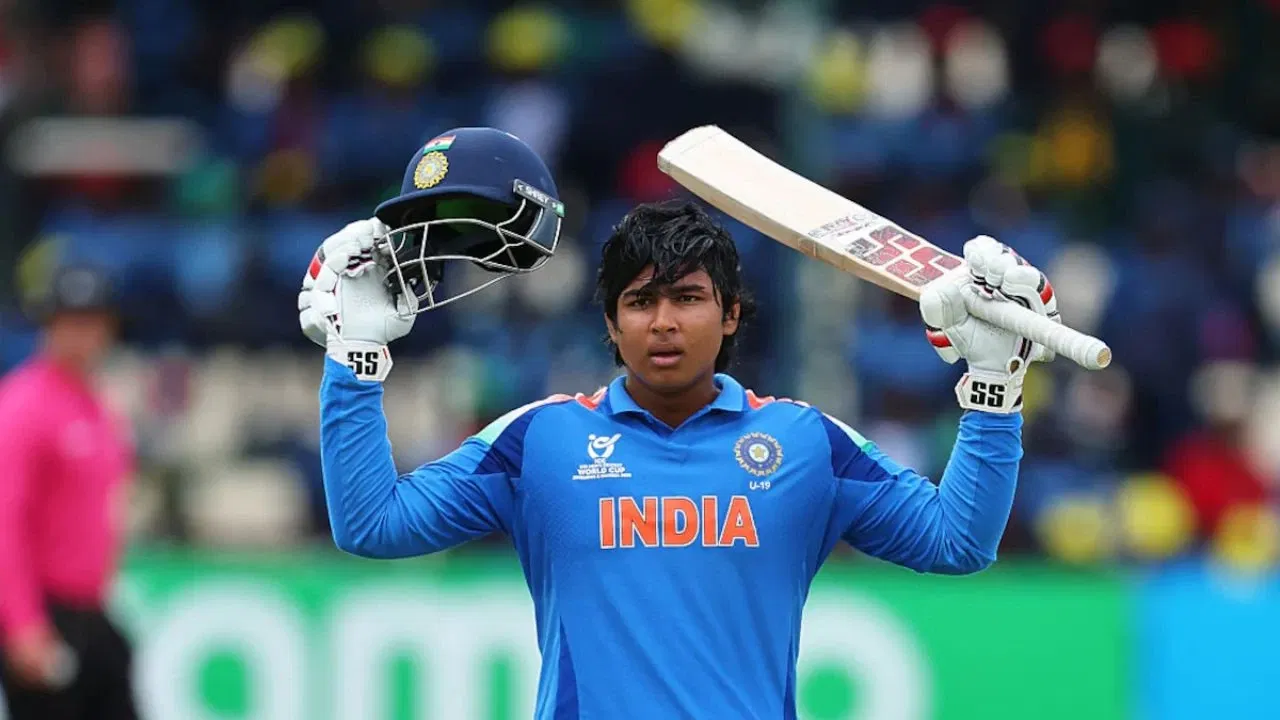
Michael Vaughan claims Vaibhav Sooryavanshi’s India call-up for England tour is confirmed
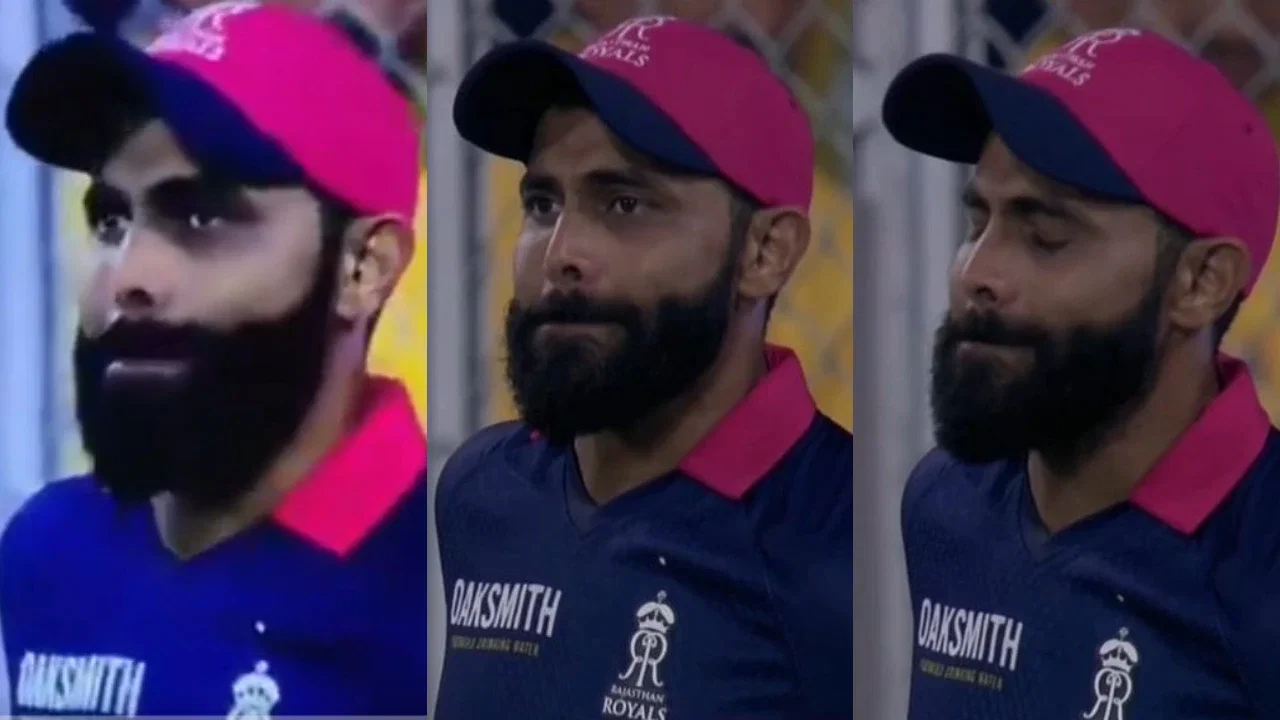
Ravindra Jadeja’s teary-eyed reaction goes viral after RR demolish CSK in IPL 2026 clash
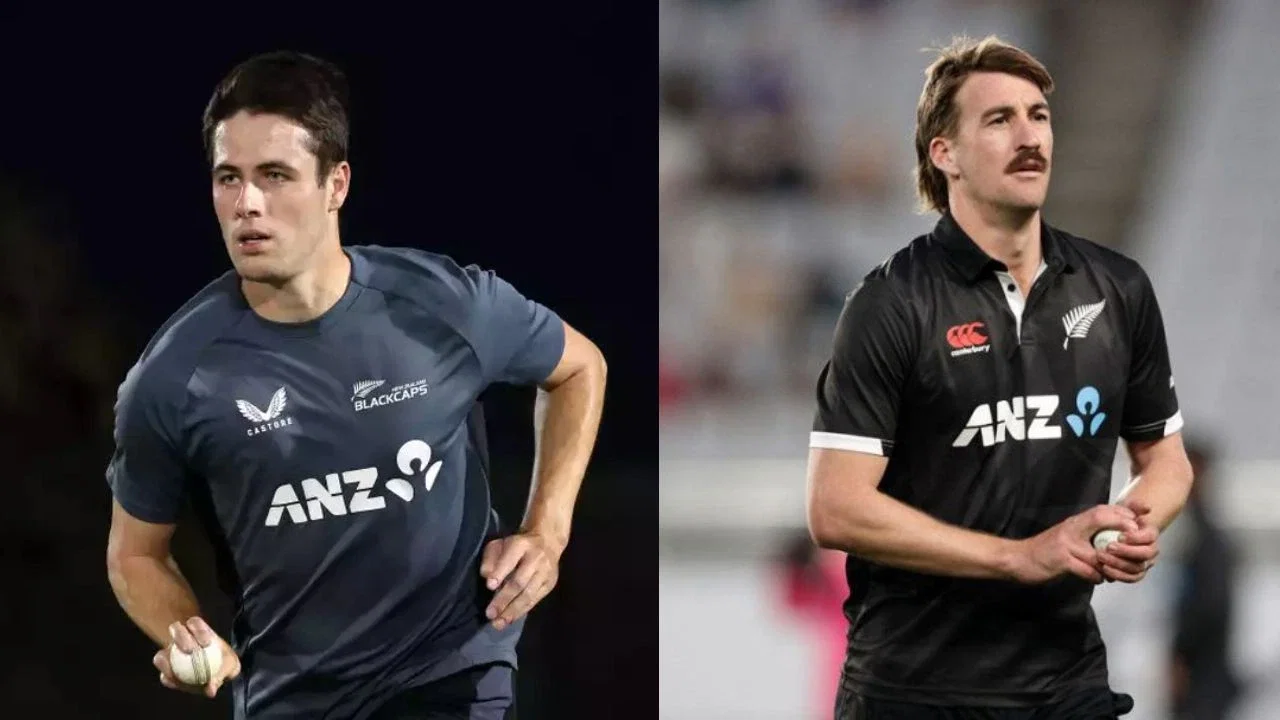
New Zealand ODI and T20I squads for Bangladesh tour officially announced
Naseem Shah breaks silence on PCB punishment, issues public apology following massive controversy
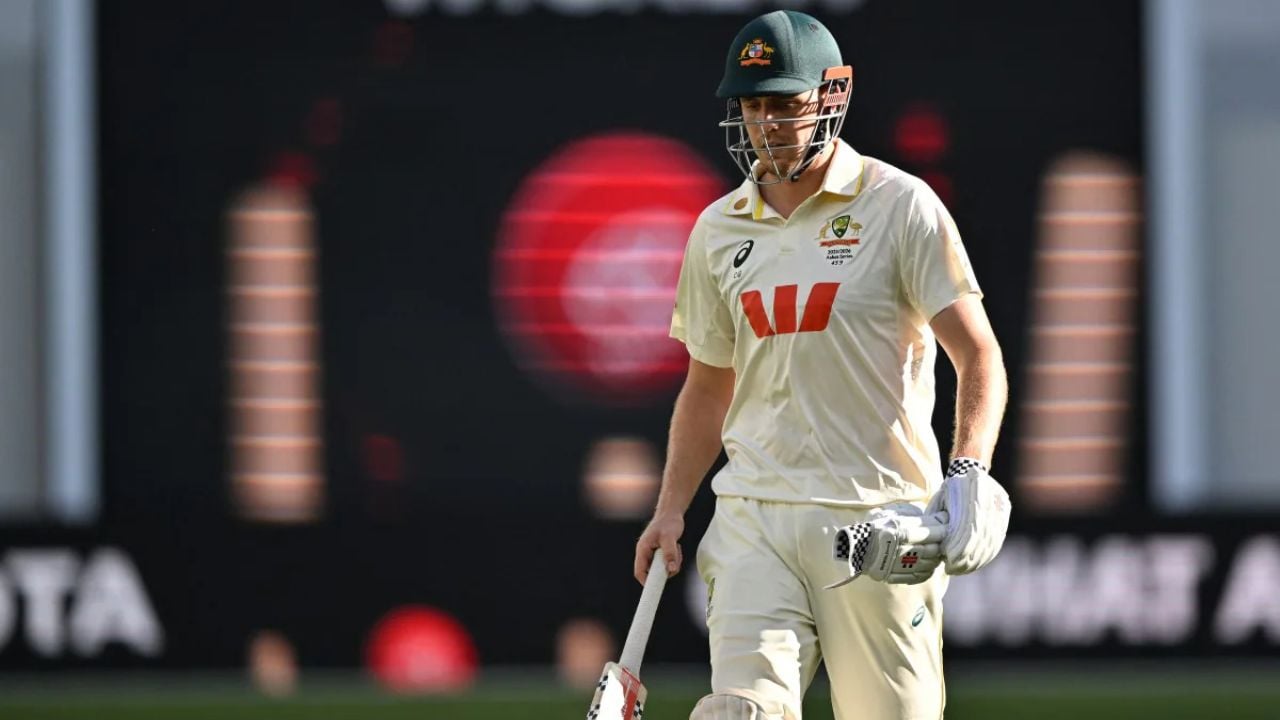
Australia coach drops big hint on Cameron Green’s Test future amid IPL 2026 drama
Ajit Agarkar told to fast-track Vaibhav Sooryavanshi into Indian Team
CSK declared useless without MS Dhoni by Ex-England captain
Shocking! Fakhar Zaman tampered with ball vs USA in T20 World Cup, ICC did not act
“Don’t get banned”: Digvesh Rathi reveals Sanjiv Goenka and Rishabh Pant’s warning over fiery celebrations
MS vs HYDK Match Prediction, Pitch & Weather Report, Playing XIs, Head-to-Head, Free Live Streaming – PSL 2026 Match 8
ISU vs PSZ Match Prediction, Pitch & Weather Report, Playing XIs, Head-to-Head, Free Live Streaming – PSL 2026 Match 7
Ravindra Jadeja breaks silence on fiery send-off to Shivam Dube in RR vs CSK IPL 2026 clash