Ajit Agarkar attacked by BCCI selector for sacking Rohit Sharma; ‘one captain for all formats’ theory destroyed
Former BCCI Selector Criticizes Decision to Sack Rohit Sharma as ODI Captain
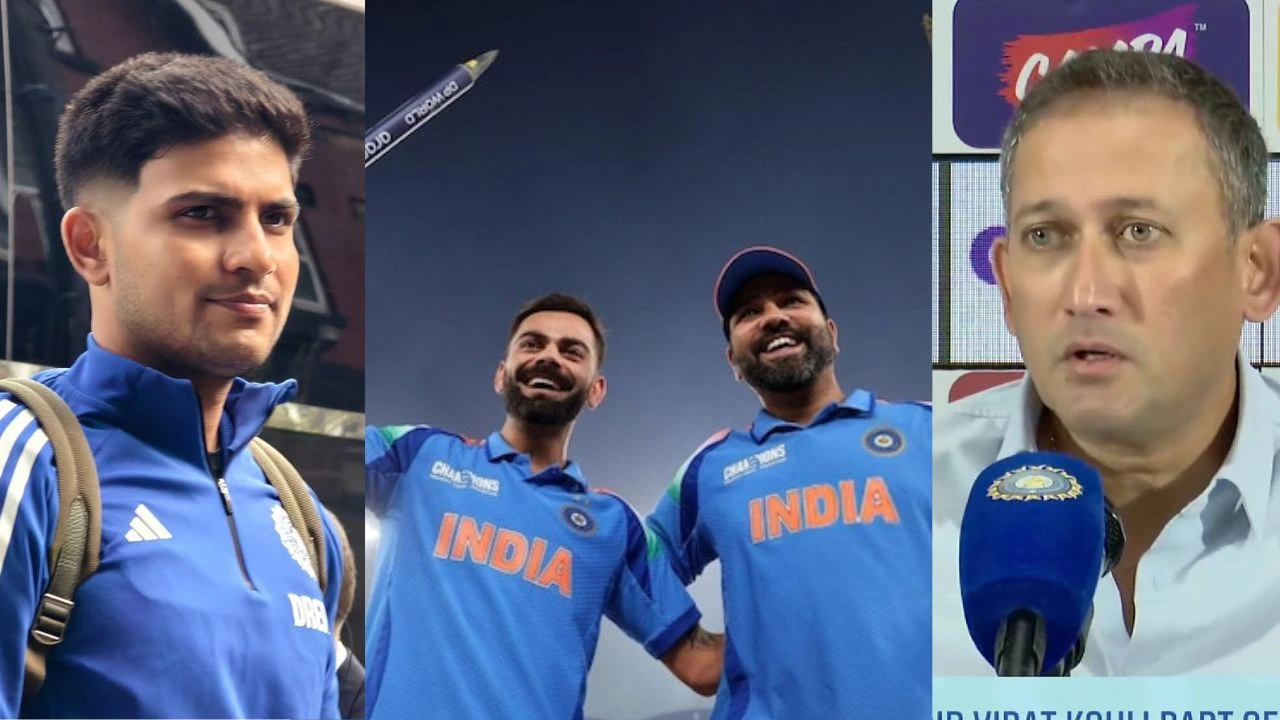
Former Board of Control for Cricket in India (BCCI) selector Saba Karim has expressed his disappointment over the decision to remove Rohit Sharma as the ODI captain of the India National Cricket Team. Karim criticized Ajit Agarkar and the selection committee for what he described as a “very abrupt” decision to replace Sharma with Shubman Gill.
A Shocking Decision
Karim described the move as surprising and shocking, especially considering Rohit Sharma’s successful tenure as the captain of the T20 World Cup and ICC Champions Trophy-winning team. Despite Sharma’s decision to retire from T20I and Test cricket, he had expressed interest in continuing his ODI career and leading the team.
However, the selectors led by Agarkar decided to go in a different direction in preparation for the ICC Men’s Cricket World Cup 2027. They appointed Shubman Gill as the new skipper, citing the need for him to gain experience ahead of the tournament.
Support for Rohit Sharma
Karim emphasized Sharma’s contribution to the team’s success and questioned the need for such a sudden change in leadership. He highlighted Sharma’s leadership skills, batting prowess, and ability to build a championship team. Karim believes that Sharma still has a lot to offer as a player and captain.
As Sharma adjusts to his new role in the team, his performance will likely determine his future with the squad, with young talents like Yashasvi Jaiswal and Abhishek Sharma waiting for their opportunity to shine.
Call for Different Captains for Different Formats
While Shubman Gill is set to lead the team in ODI cricket, Karim expressed his disagreement with the idea of having a single captain for all formats. He believes that India should consider having separate captains for white-ball and red-ball cricket to cater to the different requirements of each format.
Karim’s stance goes against the current trend of appointing all-format captains like Gill, who is also leading the Test team and serving as the deputy in T20Is. He argues that the team management and selectors would benefit from having specialized leaders for each format.
Looking Ahead
As the Indian cricket team undergoes a transition in leadership, the decision to remove Rohit Sharma as the ODI skipper continues to spark debate among fans and experts. While some support the selectors’ move to groom Gill for future challenges, others, like Saba Karim, advocate for a more nuanced approach to captaincy.
Only time will tell how the team performs under Gill’s leadership and whether the selectors’ strategy pays off in the long run. In the ever-evolving landscape of cricket, the debate over the right balance between experience and youth in leadership roles is likely to persist.
Rohit Sharma’s ODI Record
Rohit Sharma’s track record in ODI cricket speaks for itself. As one of the most successful openers in the format, Sharma has amassed numerous records and accolades, including multiple double centuries and a high batting average. His ability to anchor the innings and accelerate when needed has been instrumental in India’s victories over the years.
Sharma’s captaincy during his tenure showcased his strategic acumen and man-management skills, guiding the team to several memorable wins. His calm demeanor under pressure and innovative thinking on the field have earned him respect among teammates and opponents alike. The decision to replace him as ODI captain has raised eyebrows within the cricketing community.
Shubman Gill’s Leadership Potential
On the other hand, Shubman Gill’s appointment as the new ODI captain signifies a shift towards grooming young talent for leadership roles. Gill, known for his elegant stroke play and maturity beyond his years, has shown promise as a future leader. His experience in domestic and international cricket, coupled with his leadership qualities, make him a compelling choice for the role.
As Gill steps into the captaincy, he will face the challenge of earning the trust and respect of the team while also delivering results on the field. His ability to handle pressure situations and make astute decisions will be crucial in shaping India’s ODI fortunes. The selectors’ faith in Gill reflects their confidence in his potential to lead the team to success.
The Debate Over Captaincy
The debate over the selection of captains for different formats is not new in Indian cricket. While some argue for continuity and stability by appointing a single captain across all formats, others advocate for specialization to optimize performance in each format. The contrasting viewpoints underscore the complexity of leadership decisions in modern cricket.
With the emergence of young talents and the evolution of the game, the role of the captain has become more challenging and multifaceted. Captains are not just tacticians on the field but also mentors, motivators, and ambassadors for the team. Finding the right balance between experience and youth, aggression and composure, is a delicate task for selectors and team management.
Conclusion
As Indian cricket navigates through a period of transition, the selection of captains remains a topic of intense scrutiny and discussion. The decision to remove Rohit Sharma as the ODI captain has ignited passionate reactions from fans and experts, reflecting the high stakes involved in leadership appointments.
Whether Shubman Gill can fill the void left by Sharma and lead India to glory in ODI cricket remains to be seen. The success of the team under Gill’s captaincy will not only impact his career but also shape the narrative around the future direction of Indian cricket. As the sport continues to evolve, the art of captaincy will continue to be a focal point of analysis and speculation in the cricketing world.
By delving deeper into the contrasting styles of Rohit Sharma and Shubman Gill, as well as the broader implications of captaincy decisions in Indian cricket, this expanded content provides a comprehensive overview of the complexities involved in leadership transitions in the sport.
Latest News
Mohsin Naqvi totally angry and stressed as PSL 2026 controversies escalate
Mohsin Naqvi saves Naseem Shah from two-year ban, shocking claim emerges after controversy
Michael Vaughan claims Vaibhav Sooryavanshi’s India call-up for England tour is confirmed
Ravindra Jadeja’s teary-eyed reaction goes viral after RR demolish CSK in IPL 2026 clash
New Zealand ODI and T20I squads for Bangladesh tour officially announced
Naseem Shah breaks silence on PCB punishment, issues public apology following massive controversy
Australia coach drops big hint on Cameron Green’s Test future amid IPL 2026 drama
Ajit Agarkar told to fast-track Vaibhav Sooryavanshi into Indian Team
CSK declared useless without MS Dhoni by Ex-England captain
Shocking! Fakhar Zaman tampered with ball vs USA in T20 World Cup, ICC did not act
“Don’t get banned”: Digvesh Rathi reveals Sanjiv Goenka and Rishabh Pant’s warning over fiery celebrations
MS vs HYDK Match Prediction, Pitch & Weather Report, Playing XIs, Head-to-Head, Free Live Streaming – PSL 2026 Match 8
ISU vs PSZ Match Prediction, Pitch & Weather Report, Playing XIs, Head-to-Head, Free Live Streaming – PSL 2026 Match 7
Ravindra Jadeja breaks silence on fiery send-off to Shivam Dube in RR vs CSK IPL 2026 clash