Ajit Agarkar attacked by BCCI selector for sacking Rohit Sharma; ‘one captain for all formats’ theory destroyed
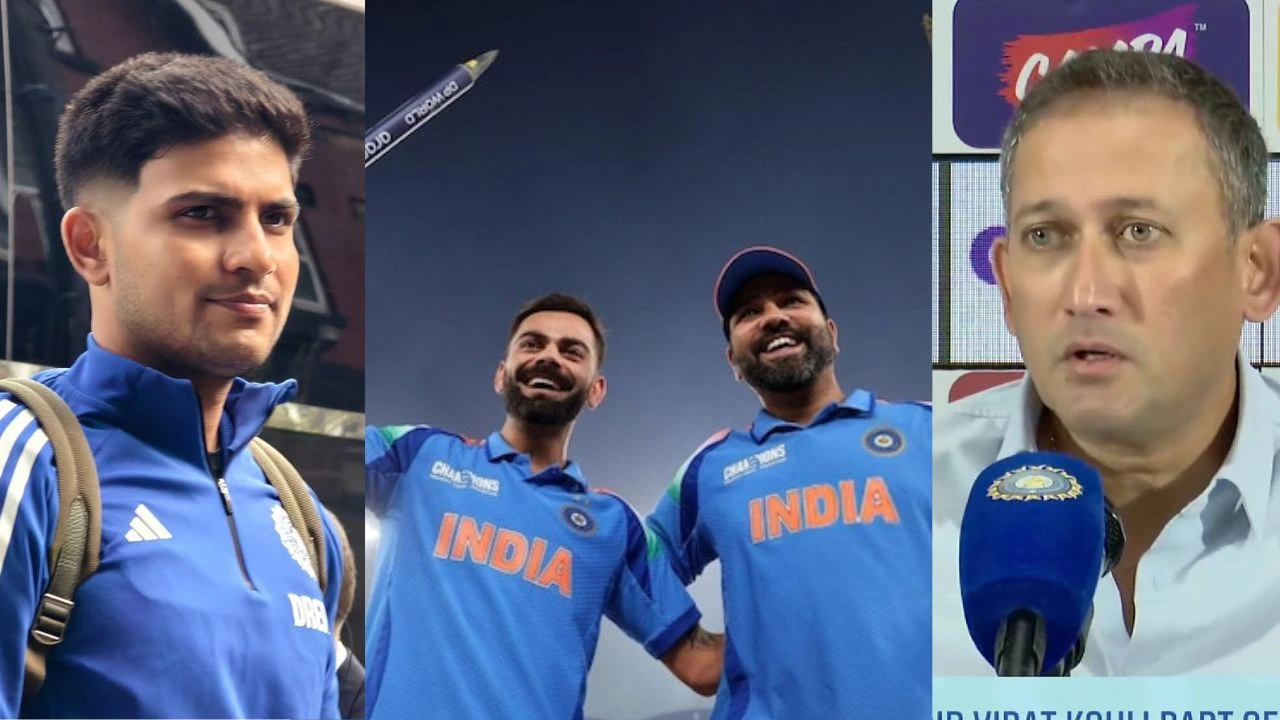
Former BCCI Selector Criticizes Decision to Sack Rohit Sharma as ODI Skipper
Former Board of Control for Cricket in India (BCCI) selector Saba Karim has expressed his disapproval of the decision to remove Rohit Sharma as the ODI skipper of the India National Cricket Team. Karim criticized Ajit Agarkar and the selection committee for what he described as an “abrupt” decision.
A Surprising Move
Karim described the decision to sack Rohit Sharma as both surprising and shocking. Despite Rohit’s successful captaincy record, he was replaced by Shubman Gill as the ODI skipper in preparation for the ICC Men’s Cricket World Cup 2027. Karim emphasized that there was still time for Rohit to continue leading the team and questioned the need for such a sudden change.
“He is a winning captain who has led you to back-to-back trophies, and you have bid him farewell in such a manner. This has been a very surprising and shocking decision for me,” Karim said in an interview.
Rohit Sharma’s Contribution
While Rohit Sharma is no longer the ODI skipper, he will continue to play for the team. Karim highlighted Rohit’s role in building a champion team and emphasized his skills as a captain and batter. He pointed out that Rohit’s leadership played a significant role in the team’s success in various tournaments.
“It’s not like he suddenly forgot how to captain or that he doesn’t know how to lead in this format. Nor is it that he doesn’t know how to score runs in this format,” Karim stated.
Call for Different Captains
As Shubman Gill is set to take over as the all-format captain, Karim expressed his disagreement with the idea of having one captain for all formats. He believes that India should have different captains for different formats or at least separate captains for white-ball and red-ball cricket.
“I believe there is still a need to have different captains for different formats, or at least separate captains for white-ball and red-ball cricket,” Karim said, emphasizing the importance of aligning captains with the specific visions and approaches of each team.
Despite the decision to replace Rohit Sharma as the ODI skipper, the debate surrounding captaincy in Indian cricket continues. The selection committee’s choice to consolidate leadership under one captain for all formats remains a topic of discussion among fans and experts alike.
While Shubman Gill’s appointment brings new opportunities for the team, the legacy left by Rohit Sharma as a successful captain will not be forgotten. As the Indian cricket team navigates through changes in leadership, the upcoming tournaments will provide a platform to assess the impact of these decisions on the team’s performance and dynamics.
The Role of Data Analytics in Captain Selection
When it comes to selecting a captain for a cricket team, data analytics play a crucial role in making informed decisions. In recent years, teams have increasingly relied on statistical analysis to evaluate players’ performance and leadership qualities. By analyzing data such as batting averages, strike rates, and win-loss ratios under a particular captain, selectors can gain valuable insights into a player’s suitability for the role.
With the advancement of technology and the availability of detailed metrics, selectors can delve deeper into a player’s impact on the team’s performance. Factors like decision-making under pressure, strategic acumen, and ability to motivate the team can now be quantified and compared across different candidates. This data-driven approach helps selectors make more objective decisions when it comes to appointing captains for various formats.
The Evolution of Captaincy in Cricket
Over the years, the role of a cricket captain has evolved significantly, with a greater emphasis on strategic leadership, man-management skills, and adaptability. Captains are no longer just on-field tacticians but also off-field ambassadors for their teams. They are expected to inspire their teammates, handle media obligations, and represent the team in various forums.
In the modern era of cricket, captains are under constant scrutiny, with every decision and performance being closely analyzed by fans and experts. This level of scrutiny makes the captaincy role a high-pressure position, requiring individuals with a strong mental fortitude and the ability to handle the demands of the role.
The Impact of Captaincy on Player Performance
Research in the field of sports psychology suggests that the role of a captain can have a significant impact on individual player performance. A captain’s leadership style, communication skills, and decision-making can influence the overall team dynamic and the confidence levels of players. A captain who fosters a positive team culture, sets clear goals, and provides support to teammates can enhance the team’s performance on the field.
On the other hand, a captain who struggles to connect with players, lacks strategic vision, or fails to inspire confidence may see a dip in team morale and individual player performance. Therefore, the selection of a captain is not just about finding the best player but also identifying the individual who can elevate the team’s performance through effective leadership.
Looking Ahead: The Future of Indian Cricket Leadership
As Indian cricket looks towards the future, the decision to appoint Shubman Gill as the all-format captain marks a new chapter in the team’s leadership. While the debate on having separate captains for different formats continues, the success of this decision will ultimately be measured by the team’s performance on the field.
With a rich pool of talent and a strong cricketing legacy, Indian cricket has the potential to excel under the guidance of a dynamic and visionary leader. As Shubman Gill takes on the mantle of captaincy, fans and experts will be watching closely to see how he steers the team towards future success.
Ultimately, the captaincy of the Indian cricket team is a position of immense responsibility and honor, requiring not just exceptional cricketing skills but also strong leadership qualities. The legacy of captains like Rohit Sharma will continue to inspire future leaders and shape the direction of Indian cricket for years to come.
Latest News
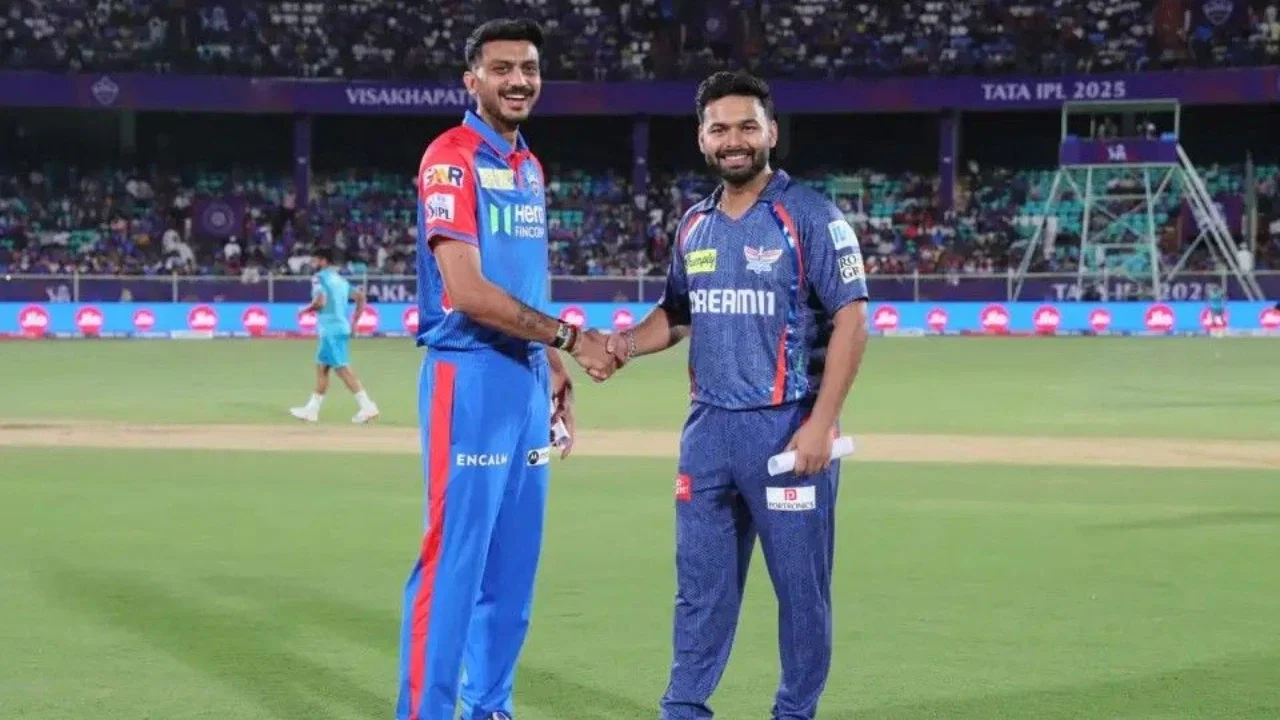
LSG vs DC Match No. 5 Preview: Free Live Streaming, Pitch & Weather Report, Head-to-Head | IPL 2026
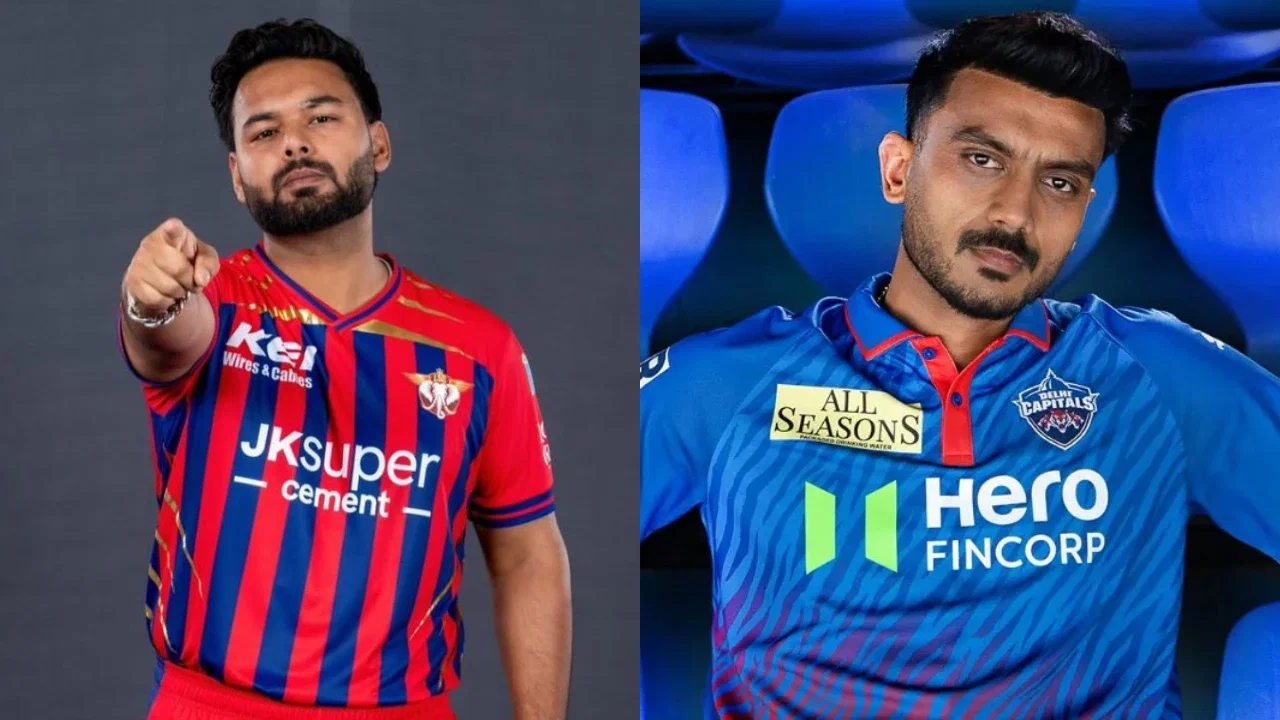
LSG vs DC Match Prediction – Who Will Win Match No.5? | IPL 2026
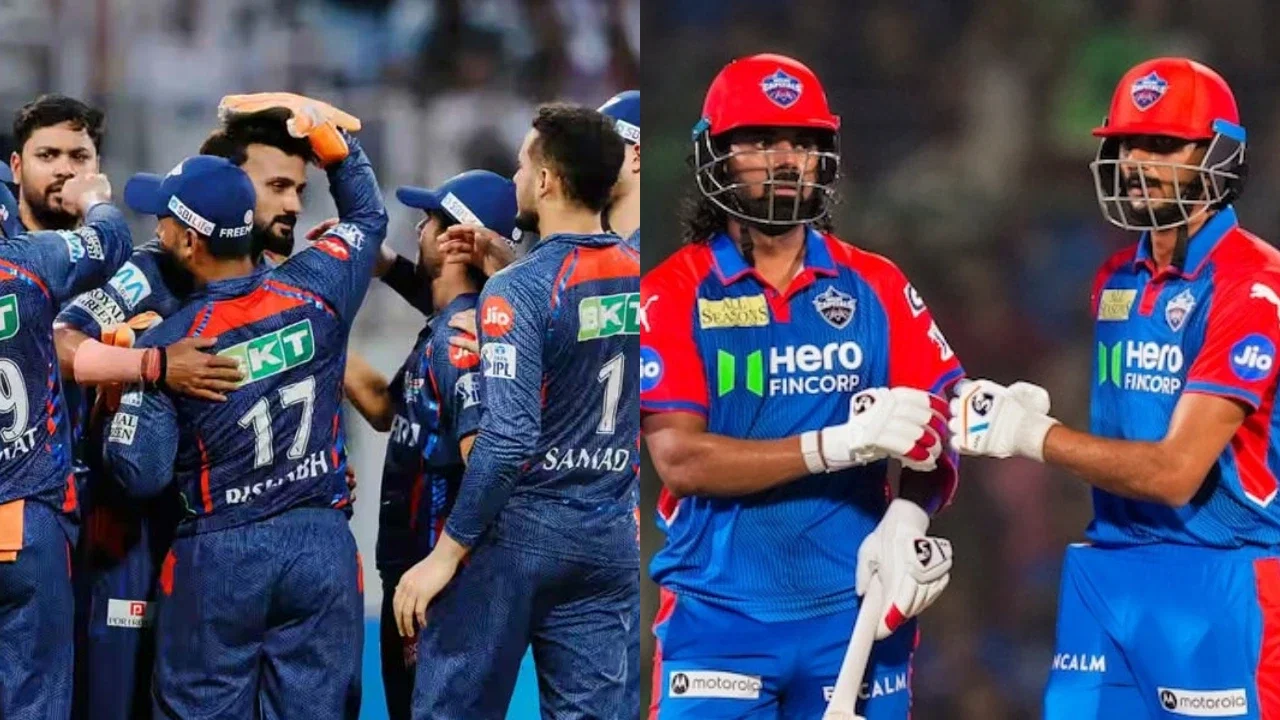
LSG Playing XI vs DC Playing XI – Match No. 5 | IPL 2026
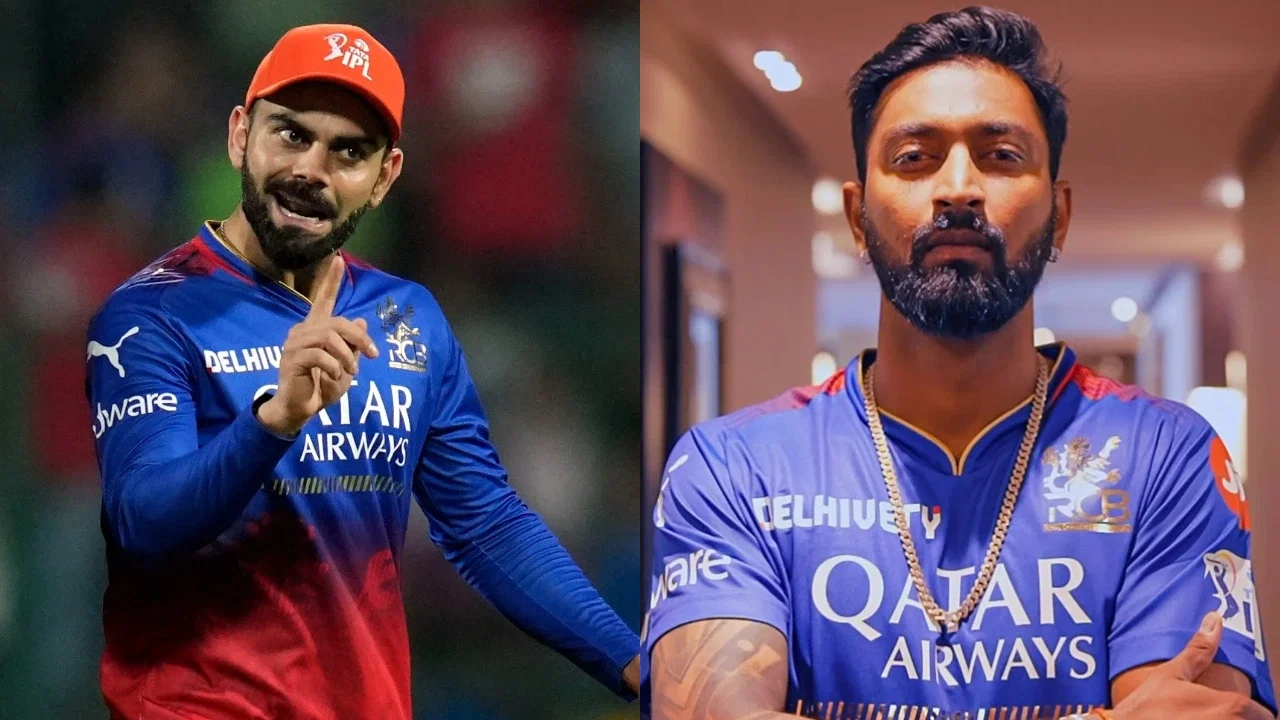
Krunal Pandya breaks silence on India snub, opens up on Virat Kohli
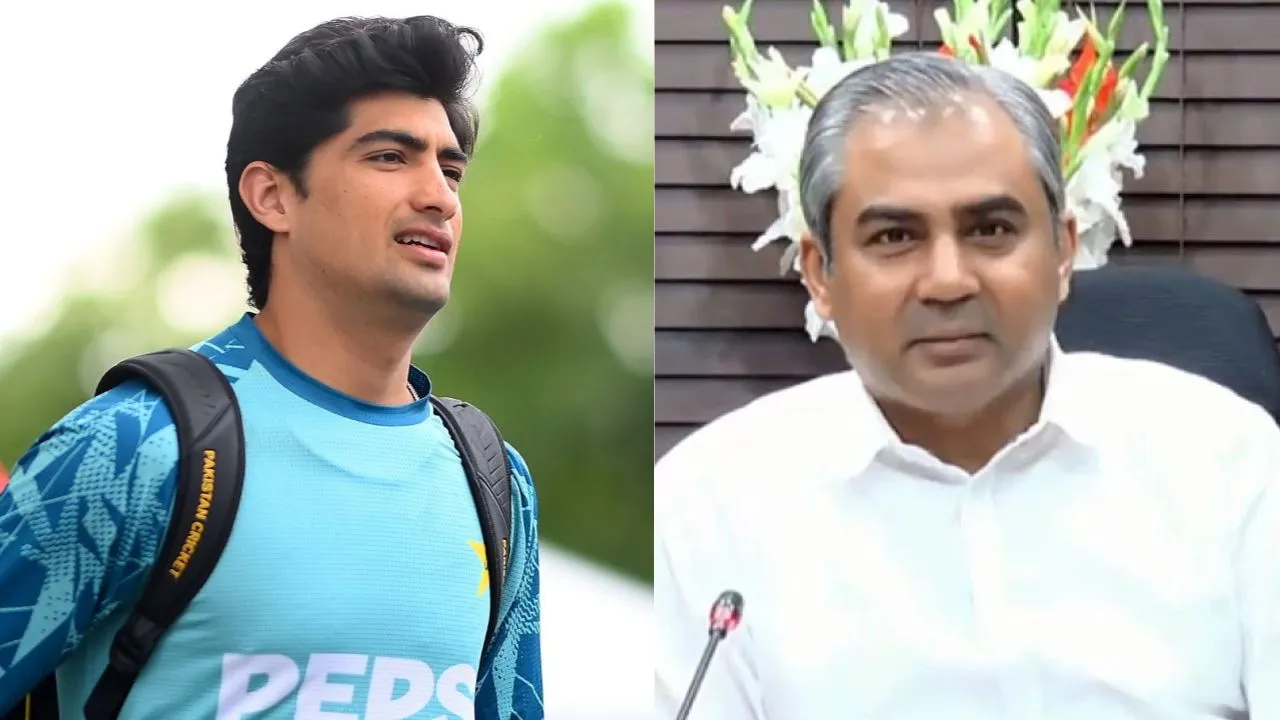
Mohsin Naqvi enforces new social media rules for Pakistan players following Naseem Shah incident
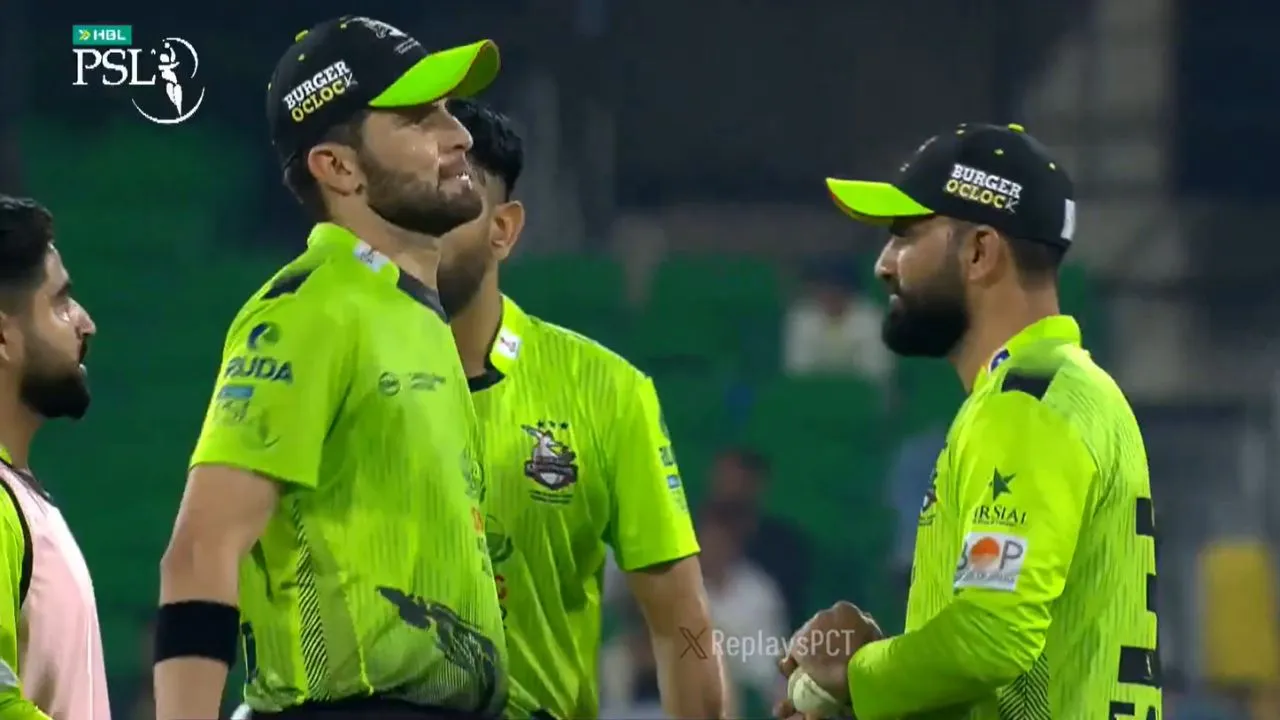
Fakhar Zaman officially handed cricket ban after PSL 2026 ball-tampering controversy
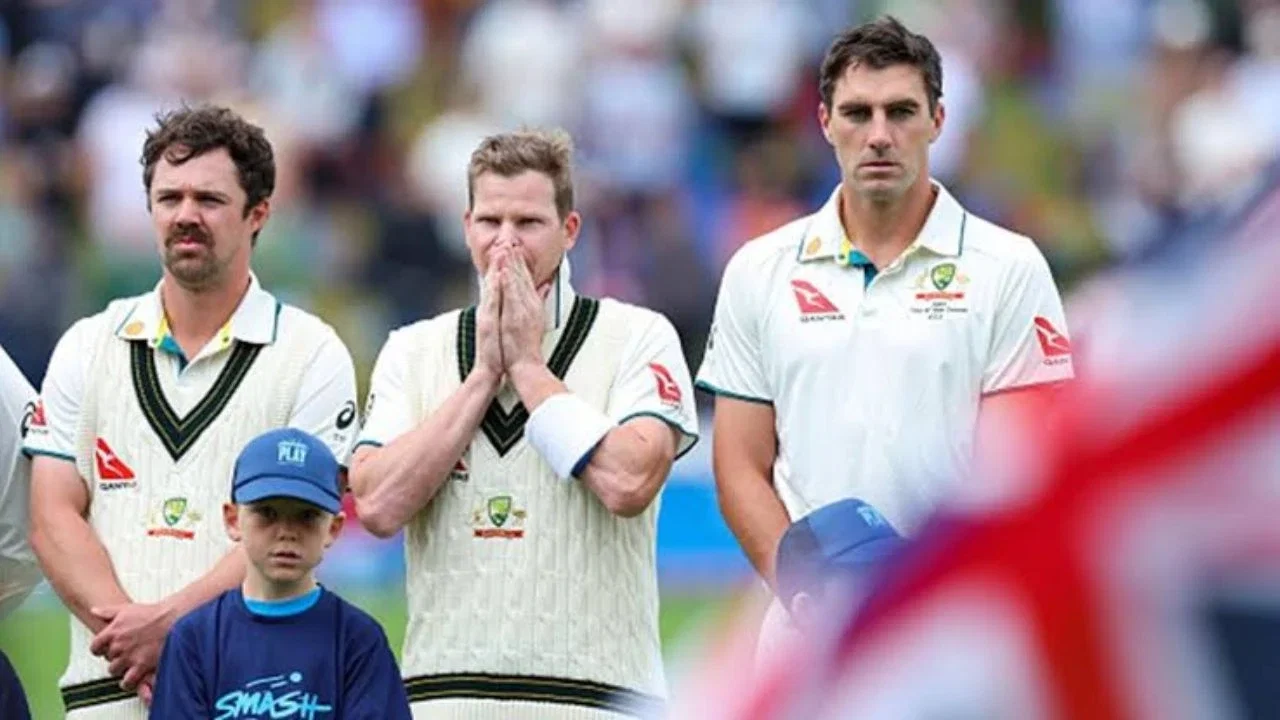
Pat Cummins forces Cricket Australia to slash central contracts list to secure premium deal
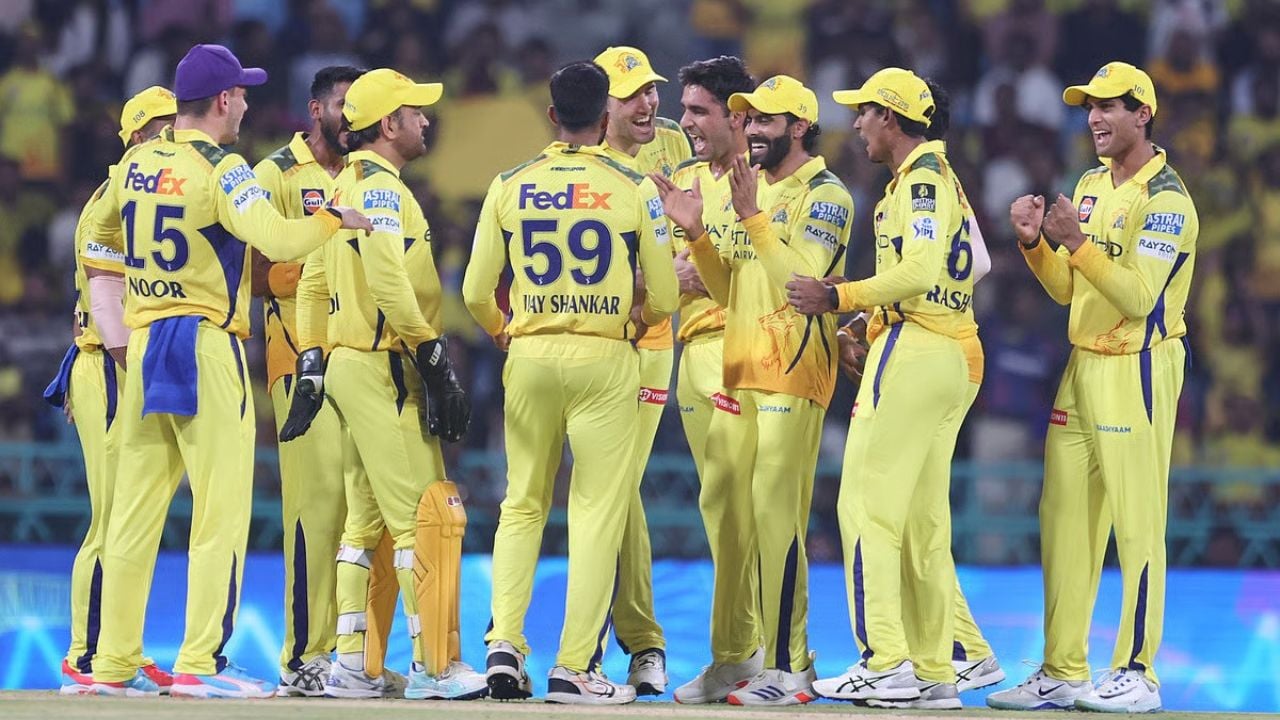
CSK’s big promise to players revealed amid IPL 2026: “Whatever BCCI offers, we’ll double it”
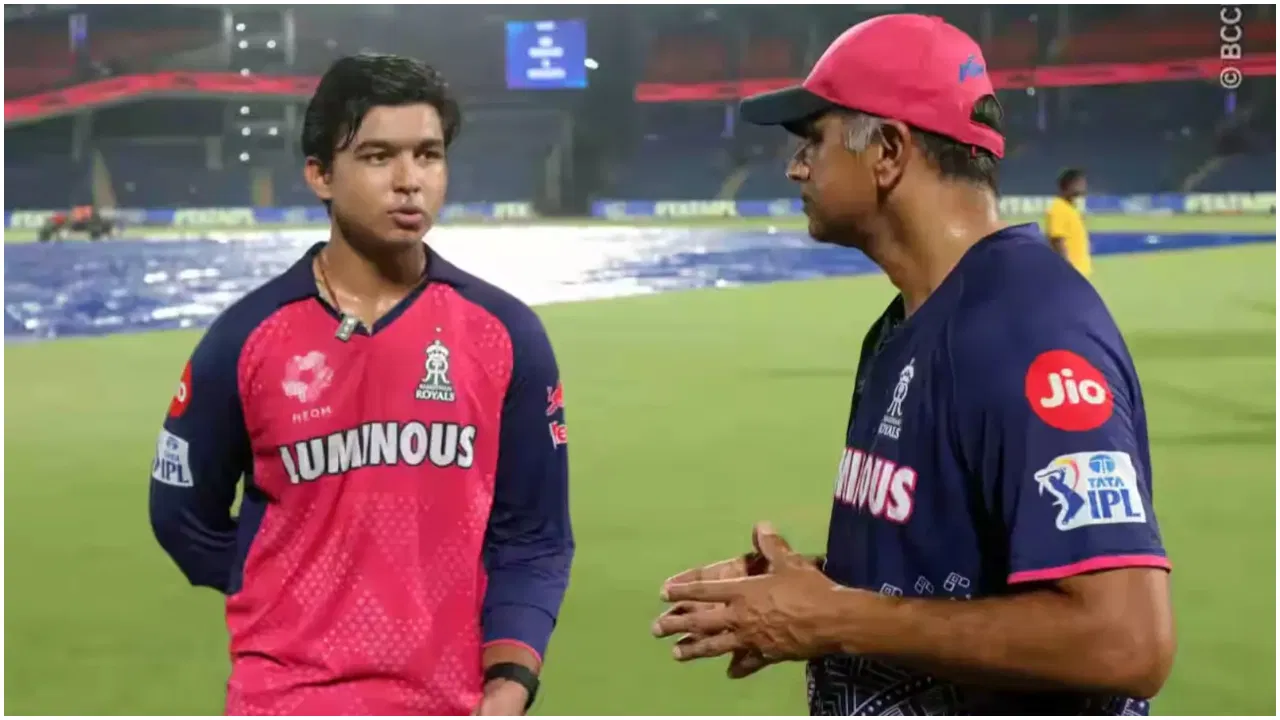
Ravichandran Ashwin rules out Vaibhav Sooryavanshi’s India call-up
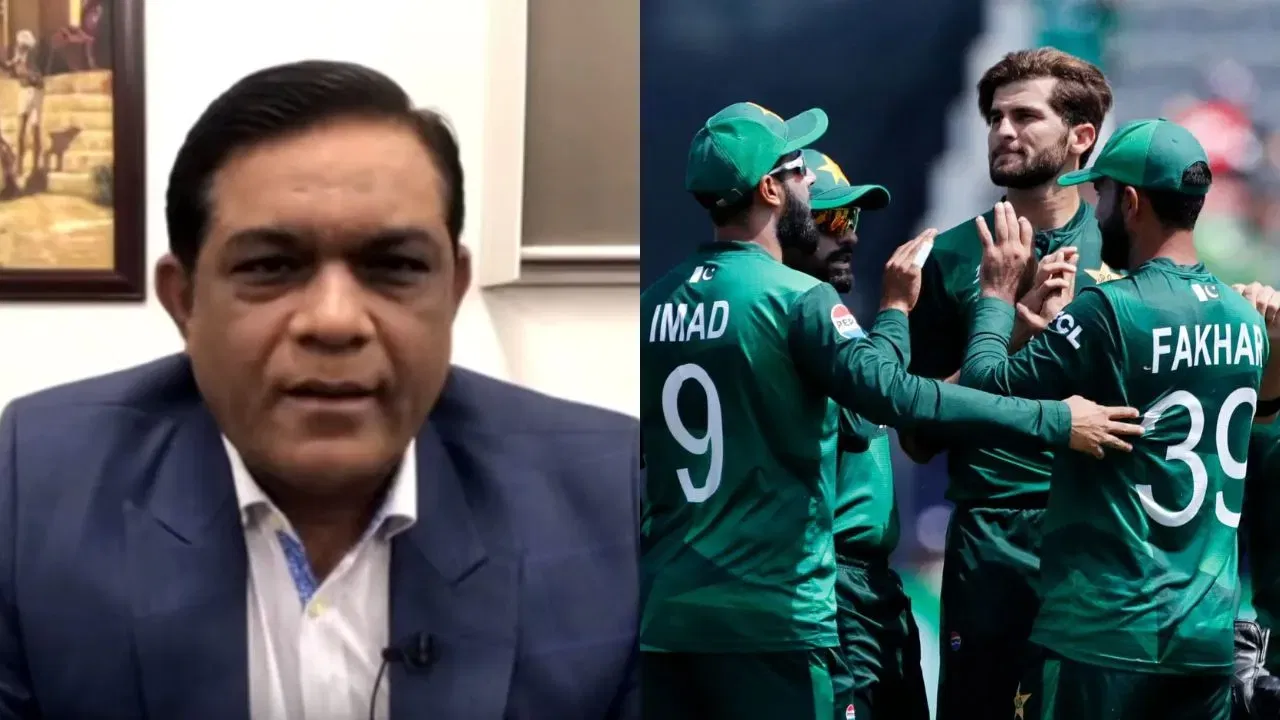
Rashid Latif claims PSL ball-tampering row was deliberately created for attention amid IPL rivalry
Mohammed Shami breaks silence on retirement buzz after India snub; has special message for LSG
Mohammed Shami reveals IPL 2026 Top 4, leaves out five-time champions
Mohammed Shami hits back at Ravichandran Ashwin over LSG’s poor IPL 2026 prediction
Riyan Parag mocked Sanju Samson? Batter’s muscle-flex celebration after sensational 6 vs CSK goes viral