Ajit Agarkar clarifies the real reason behind Shubman Gill’s snub from the Indian T20 World Cup squad
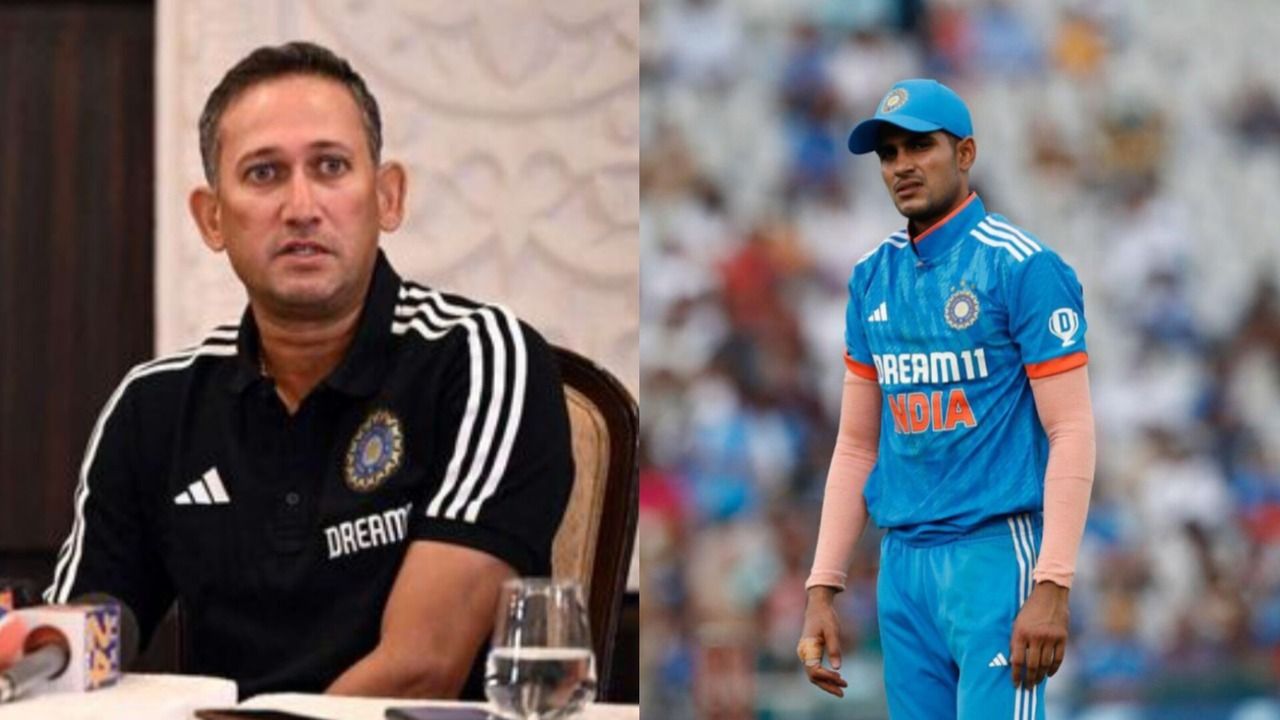
Indian Chief Selector Reveals Reason Behind Shubman Gill’s Snub from ICC T20 World Cup
The Indian chief selector, Ajit Agarkar, has made headlines by shedding light on the real reason behind Indian vice-captain Shubman Gill’s exclusion from the upcoming ICC T20 World Cup. Contrary to popular belief, it was not due to his poor form that led to Gill being left out of the squad.
As the head of the Indian National Men’s Selection Committee, Ajit Agarkar recently unveiled India’s final squad for the ICC T20 World Cup 2026, as well as the upcoming series against New Zealand. The team selection has sparked conversations with surprising inclusions and notable exclusions, leaving fans and experts questioning the decisions made.
Ajit Agarkar’s Explanation
Shubman Gill, who had previously been named the vice-captain for the Asia Cup 2025, failed to secure a spot in the T20 World Cup squad despite his return to the T20I side. Agarkar clarified that Gill’s omission was not solely based on his form but rather on his fit within the team’s combination.
According to Agarkar, the decision to leave out Gill came after considering the performance of Sanju Samson, who excelled when promoted to the top of the order. “Shubman not included for combination more than anything else,” Agarkar stated, highlighting the strategic aspect of team composition.
Return of Ishan Kishan
One of the notable inclusions in the Indian squad is left-handed wicket-keeper Ishan Kishan, who has earned his place following a successful run in the Syed Mushtaq Ali Trophy. Kishan, hailing from Jharkhand, will serve as a backup to frontline wicket-keeper Sanju Samson in the upcoming T20 World Cup.
With his impressive performances for Jharkhand, including leading the team to the domestic T20 title in 2025, Kishan’s selection highlights the importance of consistent performance in domestic competitions for earning a spot in the national team.
Rinku Singh’s Comeback
Uttar Pradesh’s Rinku Singh, who was initially overlooked due to concerns about the team’s balance, has made a comeback to the Indian squad. Head coach Gautam Gambhir’s decision to bring Singh back in place of Shubman Gill showcases the emphasis on all-round contributions from players in the lower order.
While Singh may not secure an immediate spot in the playing XI, his presence adds depth to the team’s batting lineup and provides options for different match situations during the World Cup campaign.
In conclusion, the selection decisions made by Ajit Agarkar and the Indian National Men’s Selection Committee have stirred discussions among fans and experts. As the team prepares for the ICC T20 World Cup 2026, the focus remains on building a well-balanced squad capable of delivering strong performances on the global stage.
Strategic Considerations in Team Selection
Agarkar’s explanation sheds light on the intricate process involved in selecting a national team for a major tournament. While individual form is undoubtedly a crucial factor, the selectors must also consider the overall team dynamics and balance. In the case of Shubman Gill, his exclusion was not a reflection of his abilities but rather a strategic decision to optimize the team’s composition for success in the ICC T20 World Cup.
By highlighting the impressive performance of Sanju Samson at the top of the order, Agarkar underscores the importance of adaptability and versatility in modern cricket. The ability to make strategic changes based on match situations and opposition strengths is crucial for a team aiming to clinch a prestigious title like the T20 World Cup.
The Rise of Domestic Performers
The inclusion of Ishan Kishan and Rinku Singh in the Indian squad underscores the growing significance of domestic cricket in shaping national team selections. Both players have proven their mettle in domestic competitions, showcasing their talent, consistency, and ability to perform under pressure.
With the rise of T20 leagues and increased visibility of domestic tournaments, players like Kishan and Singh have a platform to showcase their skills and catch the selectors’ attention. This trend highlights the importance of a robust domestic structure in nurturing talent and providing a pathway to international cricket.
Competition for Places
The intense competition for places in the Indian squad reflects the depth of talent in the country’s cricketing pool. With established stars vying for spots alongside emerging talents, the selectors face a challenging task of balancing experience with potential and current form.
Players like Shubman Gill, despite being left out of the T20 World Cup squad, remain integral parts of the larger cricketing ecosystem in India. Their exclusion serves as a reminder of the fierce competition for places and the need for consistent performance at all levels to secure a spot in the national team.
Looking Ahead to the T20 World Cup
As India gears up for the ICC T20 World Cup 2026, the selection decisions made by Ajit Agarkar and the selectors set the stage for an exciting and competitive campaign. With a mix of experience, talent, and strategic considerations shaping the squad, the team will aim to put their best foot forward on the global stage.
Fans and experts eagerly anticipate the performances of players like Ishan Kishan, Rinku Singh, and others who have earned their places through hard work and dedication. The T20 World Cup promises to be a thrilling showcase of cricketing talent, with India aiming to make a mark and compete for the prestigious title.
In conclusion, the selection process for major tournaments like the ICC T20 World Cup is a complex and multifaceted endeavor. While individual performances play a significant role, strategic considerations, team dynamics, and the broader cricketing landscape all factor into the final squad composition. As the Indian team embarks on their T20 World Cup journey, the blend of experience and emerging talent bodes well for an exciting and competitive campaign ahead.
Latest News
Mumbai Indians suffer blow! Mitchell Santner, Will Jacks ruled out of IPL 2026 games
MI vs KKR Match Prediction – Who Will Win Match No.2? | IPL 2026
Mumbai Indians Playing XI vs Kolkata Knight Riders Playing XI- Match No. 2 | IPL 2026
MI vs KKR Match 2 Preview: Free Live Streaming, Pitch & Weather Report, Head-to-Head | IPL 2026
Not English cricket! Jos Buttler credits IPL for his success as a cricketer
“Nitish Kumar Reddy is biggest fraud”: Fans fume as SRH star fails vs RCB in IPL 2026 opener
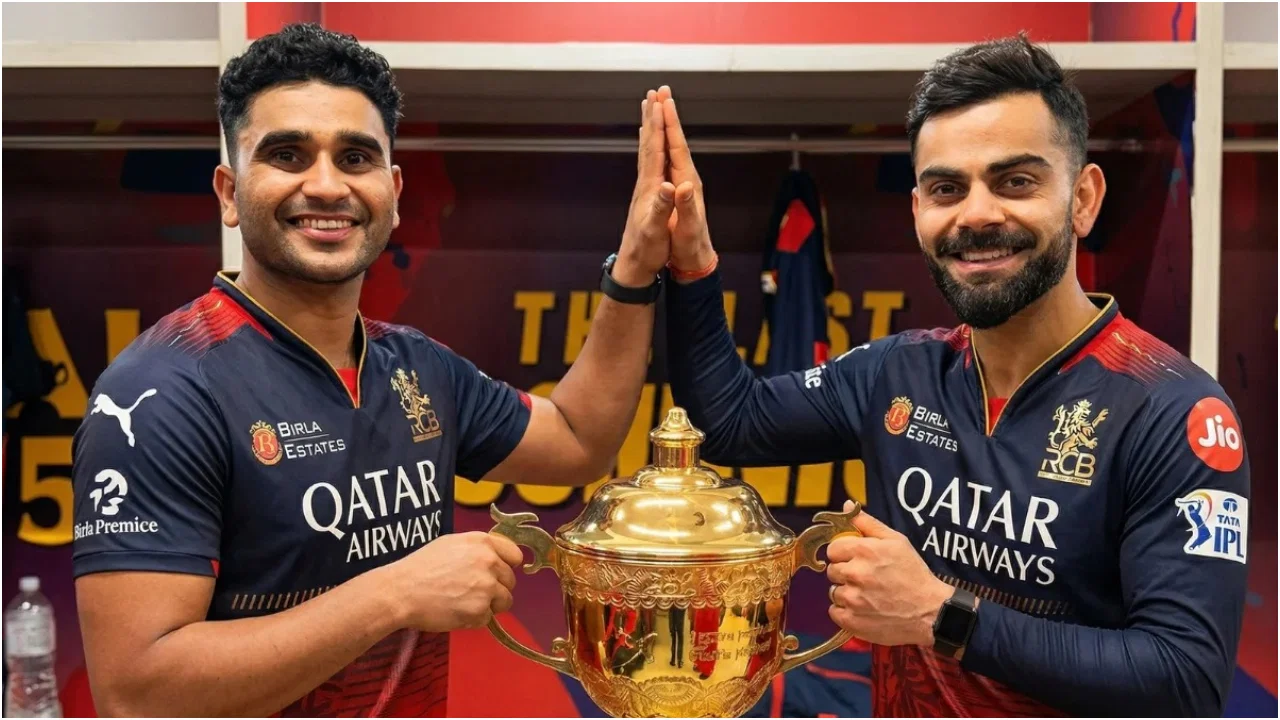
Who is Abhinandan Singh? The Virat Kohli troublemaker who made his IPL debut for RCB vs SRH
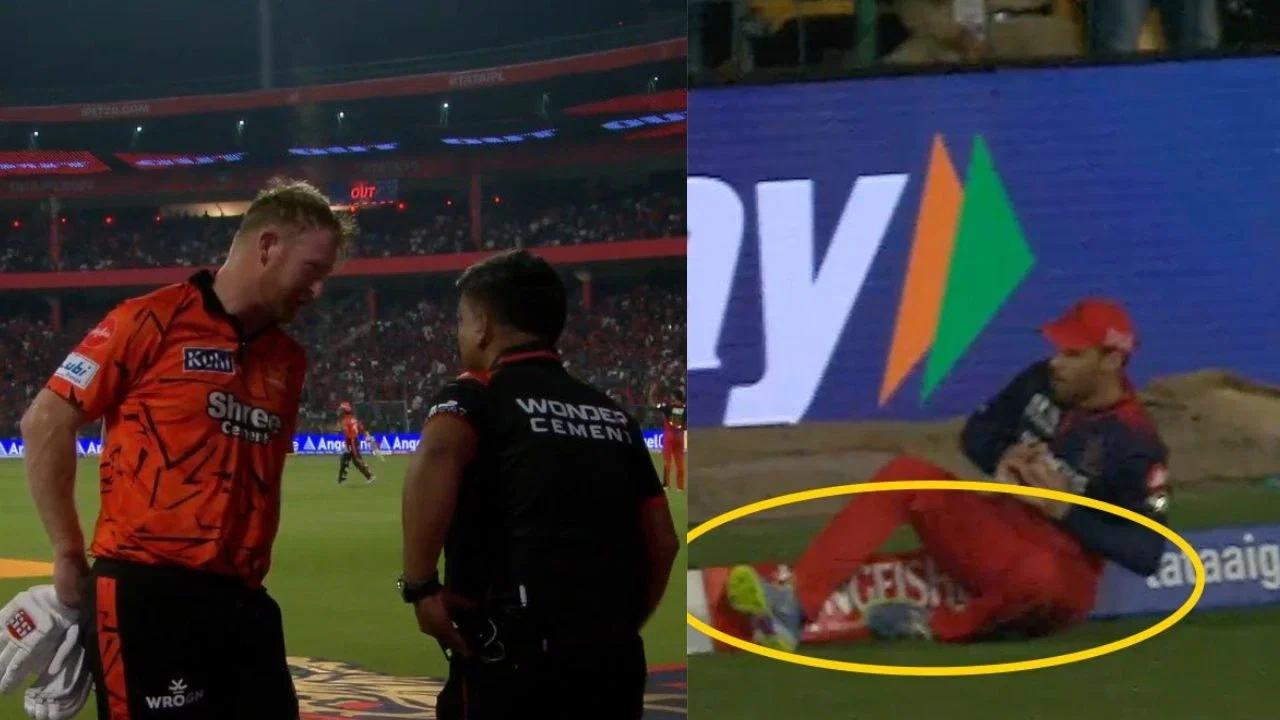
Heinrich Klaasen engages in heated chat with 4th umpire after Phil Salt’s controversial catch in IPL 2026
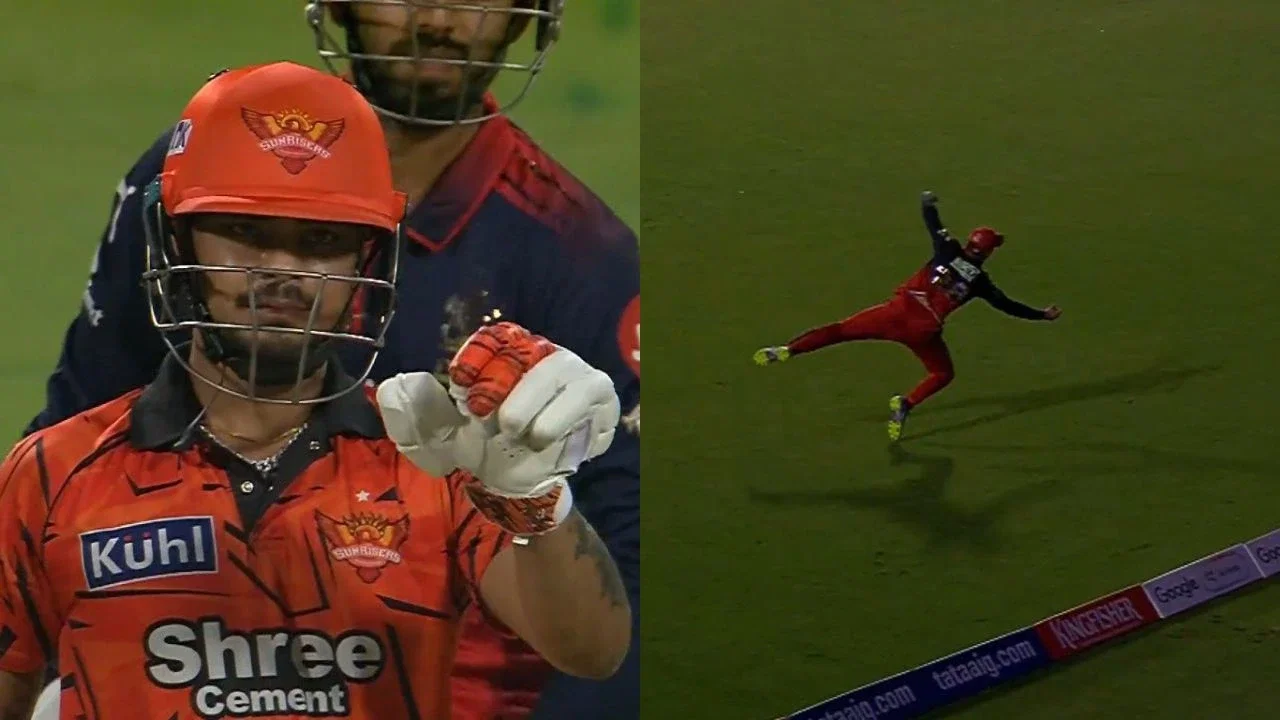
Phil Salt grabs one of the greatest catches in IPL history to dismiss Ishan Kishan
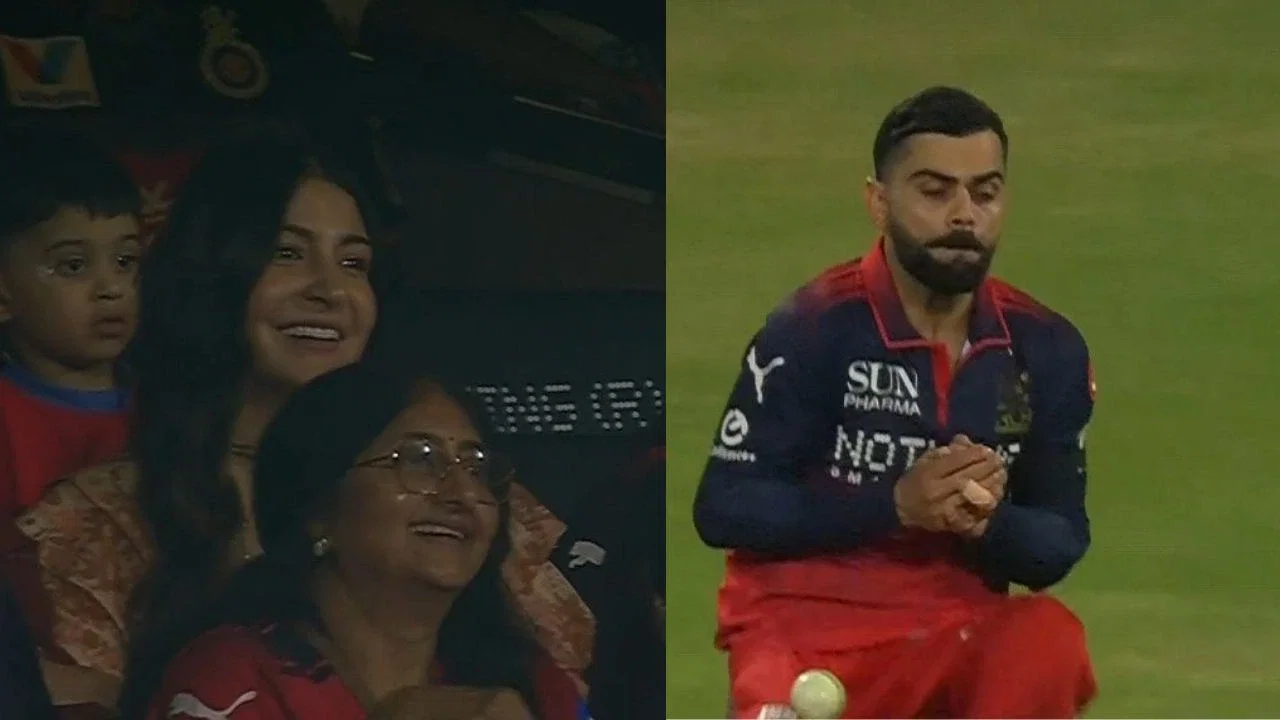
Anushka Sharma laughs as Virat Kohli drops a sitter in RCB vs SRH clash (Watch Video)
Anushka Sharma laughs as Virat Kohli drops a sitter in RCB vs SRH clash (Watch Video)
Anushka Sharma laughs as Virat Kohli drops a sitter in RCB vs SRH clash (Watch Video)
Anushka Sharma laughs as Virat Kohli drops a sitter in RCB vs SRH clash (Watch Video)
Anushka Sharma laughs as Virat Kohli drops a sitter in RCB vs SRH clash (Watch Video)