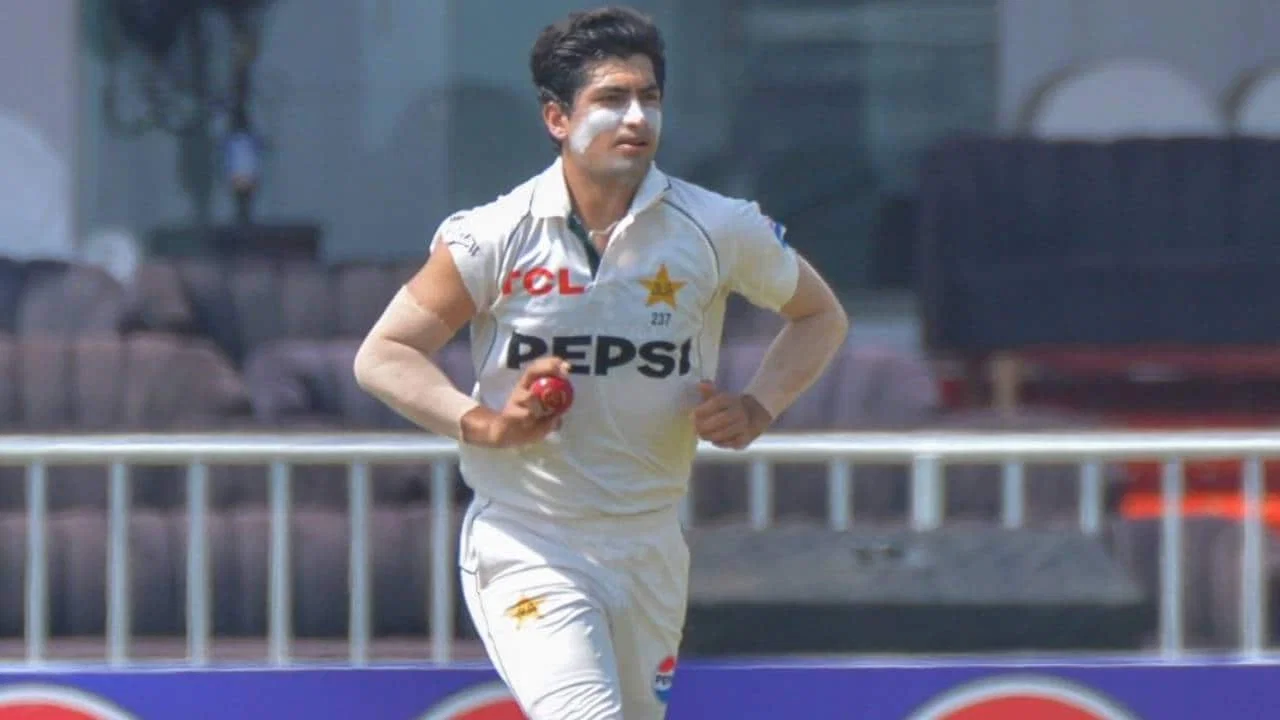
Alex Carey’s shock confession exposes Snicko failure that saved him; Ashes controversy erupts
Alex Carey Admits Australia Benefited from Luck in Ashes Test
Wicketkeeper-batter Alex Carey confessed that Australia had a stroke of luck on the first day of the third Test against England in the Ashes 2025-26 series. Carey acknowledged that there was a noise as the ball passed his bat, but he made it clear that he is not the type of player to walk after nicking. Despite controversy surrounding a DRS decision, Australia managed to gain a slight advantage over England by the end of Day 1.
Carey’s Memorable Century
During his innings, Carey scored a remarkable century before eventually being dismissed for 106 runs. Usman Khawaja, who came into the side as a late replacement for the unwell Steven Smith, also contributed with 82 runs. England’s Jofra Archer shone with the ball, taking three wickets to disrupt Australia’s batting lineup.
Controversy Over DRS Decision
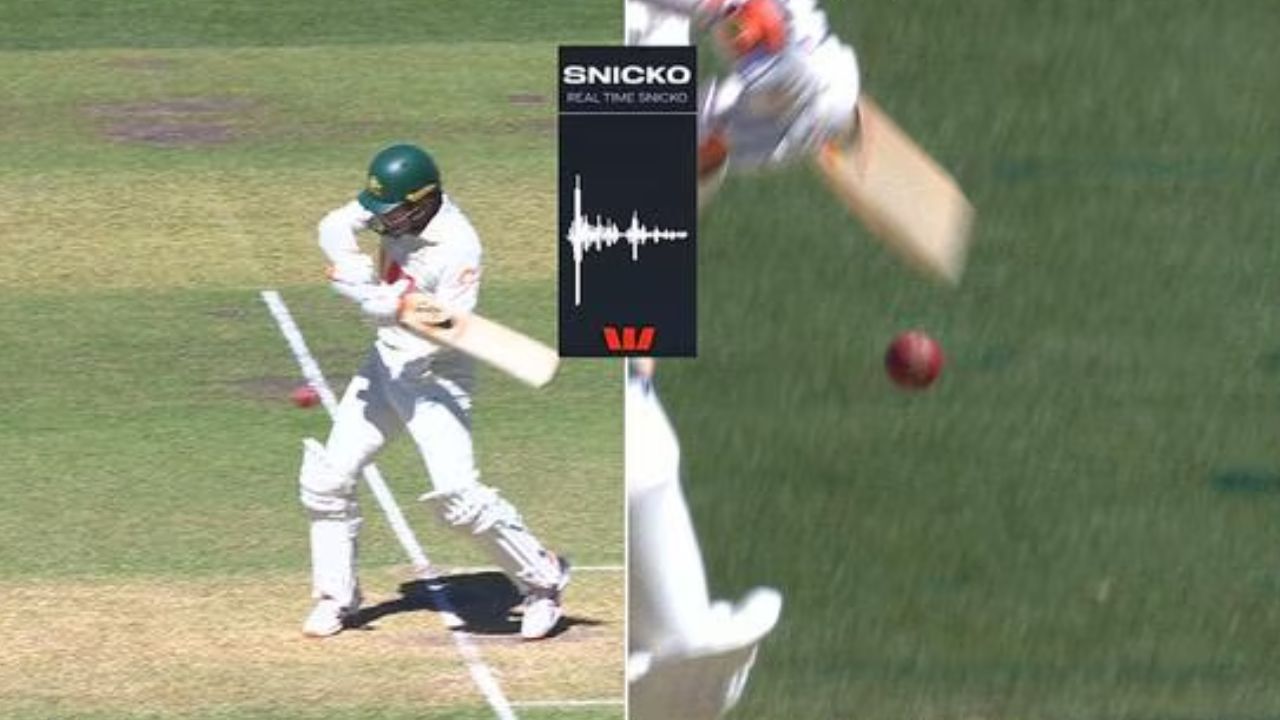
A major controversy arose when Alex Carey survived an appeal from England when he was batting on 72. Wicketkeeper Jamie Smith and the slip cordon were convinced they heard an edge off a delivery from Josh Tongue. Despite a noticeable spike on Snicko, the third umpire upheld the on-field call of not out, frustrating England and sparking debates about the reliability of technology in cricket.
Carey’s Statement
Speaking at the press conference, Alex Carey admitted that there might have been a feather or some sort of noise as the ball passed his bat. He emphasized that luck played a role in the decision going his way and acknowledged that Snicko did not align properly with the visuals. When asked if he is a “walker,” Carey humorously responded with a clear “no.”
England’s Frustration
England’s bowling coach David Saker expressed the team’s frustration, stating that the players were confident that Carey had edged the ball. Saker criticized the inconsistencies of Snicko throughout the series and called for more reliable technology in cricket to avoid crucial decisions being influenced by questionable technology.
Overall, the DRS controversy added an extra layer of drama to the Ashes Test, with both teams now gearing up for the remaining days of intense cricket action. As the rivalry between Australia and England continues, fans eagerly await the next twists and turns in this high-stakes Test series.
The Impact of Luck in Cricket
Luck has always been a significant factor in cricket, influencing the outcome of matches and series. In the case of Alex Carey’s fortuitous survival in the Ashes Test, it highlights how a single moment can shift the momentum of a game. Whether it’s a contentious DRS decision, a close LBW call, or a dropped catch, luck can play a crucial role in determining the result on the field.
Cricket is a game of uncertainties, where even the most skilled players can be at the mercy of fate. While technology like DRS aims to minimize errors and enhance the accuracy of decisions, controversies like the one involving Alex Carey demonstrate that human judgment and interpretation still play a significant role in the game.
The Psychological Impact on Players
For players like Alex Carey, surviving a close call can have both positive and negative effects. While it may boost their confidence and morale, knowing that luck was on their side, it can also create added pressure to perform and justify the decision. On the other hand, for the opposition, such incidents can lead to frustration, questioning the fairness and integrity of the game.
Managing the mental aspect of luck in cricket is crucial for players to stay focused and perform at their best. Whether benefiting from a stroke of luck or facing adversity due to an unlucky break, maintaining composure and resilience is essential to navigating the ups and downs of the sport.
The Evolution of Technology in Cricket
The debate surrounding the reliability of technology in cricket, particularly DRS, has been ongoing for years. While advancements like Snicko and Hawkeye have improved the decision-making process, there are still instances where human interpretation comes into play. As the sport continues to embrace technology, finding the right balance between automation and human judgment remains a challenge.
Cricket authorities and stakeholders are constantly evaluating and refining the use of technology in the game to ensure fairness and accuracy. From hotspot to ball-tracking, each innovation aims to provide more clarity and precision in decision-making, reducing controversies and enhancing the overall experience for players and fans alike.
The Thrilling Uncertainty of Test Cricket
As the Ashes Test series between Australia and England unfolds, the unpredictable nature of Test cricket is on full display. From stunning centuries to contentious DRS decisions, every moment adds to the drama and excitement of the sport. The ebb and flow of the game, influenced by luck, skill, and strategy, keep fans on the edge of their seats, eager to witness the next chapter in this historic rivalry.
With the outcome of the Ashes Test hanging in the balance, both teams will need to navigate the challenges and uncertainties that come their way. As players prepare to face off on the field, the element of luck will continue to shape the narrative, reminding us of the unpredictable and captivating nature of cricket.
Latest News
Mohsin Naqvi totally angry and stressed as PSL 2026 controversies escalate
Mohsin Naqvi saves Naseem Shah from two-year ban, shocking claim emerges after controversy
Michael Vaughan claims Vaibhav Sooryavanshi’s India call-up for England tour is confirmed
Ravindra Jadeja’s teary-eyed reaction goes viral after RR demolish CSK in IPL 2026 clash

New Zealand ODI and T20I squads for Bangladesh tour officially announced
Naseem Shah breaks silence on PCB punishment, issues public apology following massive controversy

Australia coach drops big hint on Cameron Green’s Test future amid IPL 2026 drama
Ajit Agarkar told to fast-track Vaibhav Sooryavanshi into Indian Team
CSK declared useless without MS Dhoni by Ex-England captain
Shocking! Fakhar Zaman tampered with ball vs USA in T20 World Cup, ICC did not act
“Don’t get banned”: Digvesh Rathi reveals Sanjiv Goenka and Rishabh Pant’s warning over fiery celebrations

MS vs HYDK Match Prediction, Pitch & Weather Report, Playing XIs, Head-to-Head, Free Live Streaming – PSL 2026 Match 8

ISU vs PSZ Match Prediction, Pitch & Weather Report, Playing XIs, Head-to-Head, Free Live Streaming – PSL 2026 Match 7
Ravindra Jadeja breaks silence on fiery send-off to Shivam Dube in RR vs CSK IPL 2026 clash