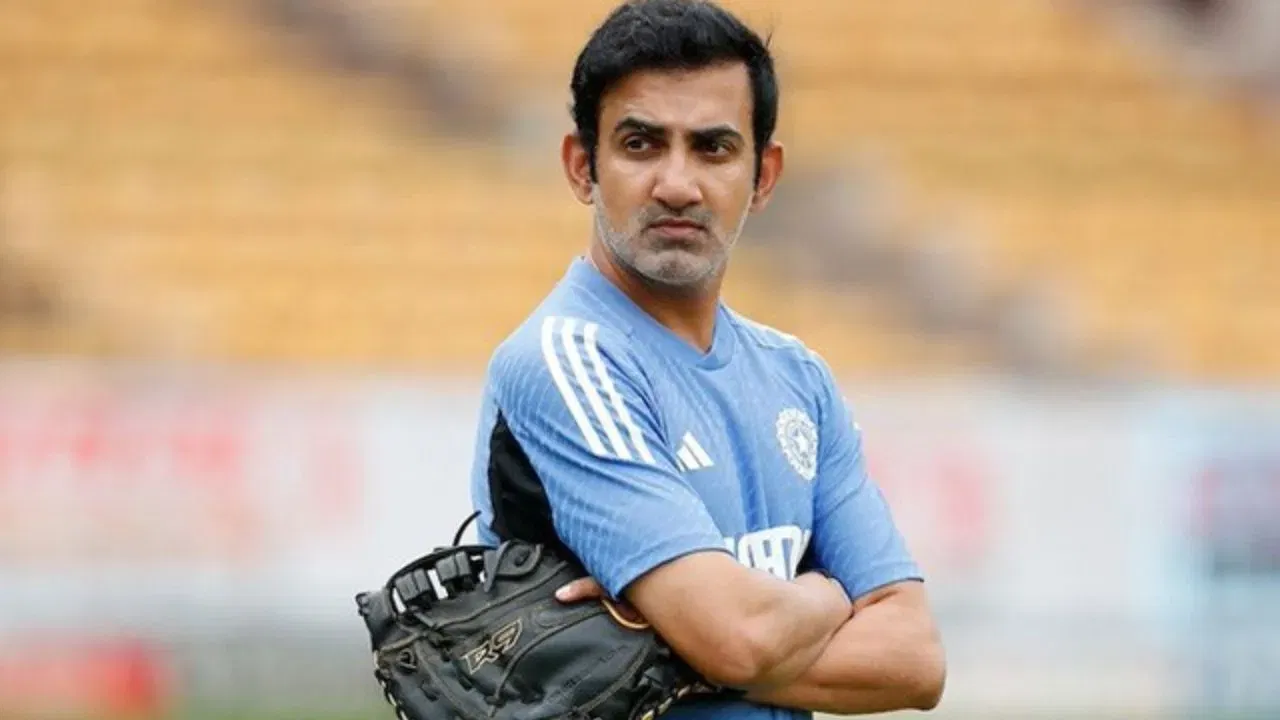
All IPL Captains of Punjab Kings (PBKS)
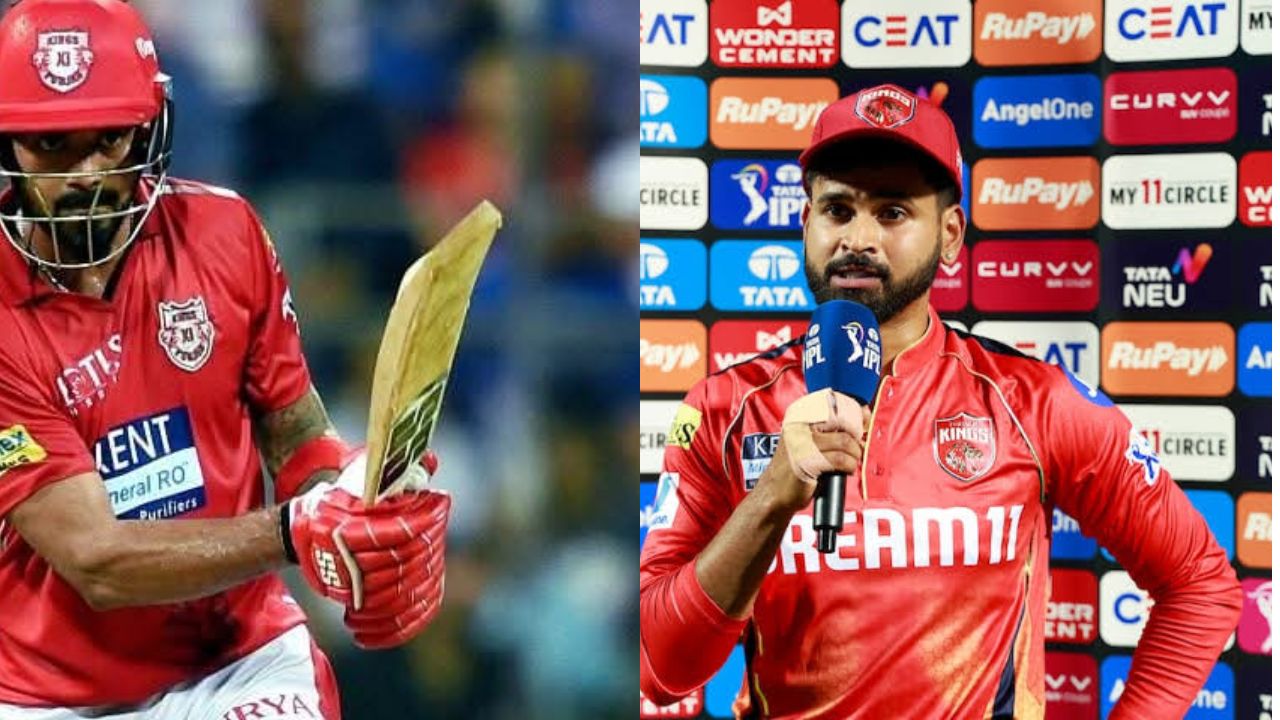
All You Need to Know About Punjab Kings’ IPL Captains
Yuvraj Singh (2008-2009)
Former Indian all-rounder Yuvraj Singh captained the Punjab Kings in the first two seasons of the IPL. In the inaugural edition, Yuvraj led the team to the semi-finals, but they failed to qualify for the knockouts in the following season, leading to his removal as captain.
Kumar Sangakkara (2010)
Kumar Sangakkara took over the captaincy for the 2010 season but did not find much success, as the team finished last in the tournament.
Adam Gilchrist (2011-2013)
Australian wicketkeeper Adam Gilchrist led the team for three years, with a 50% win record in 34 matches. He had 17 wins and 17 losses during his captaincy.
George Bailey (2014-2015)
In 2014, George Bailey led the team to the final with players like Saha, Maxwell, and Miller. However, they finished last in 2015, winning only three out of 14 games.
Virender Sehwag (2015)
Virender Sehwag captained the team in a match in 2015 as a replacement for George Bailey.
David Miller (2016)
David Miller was appointed captain in 2016 but was replaced mid-season due to poor performance.
Ravichandran Ashwin (2018-2019)
In 2018, Ravichandran Ashwin took over as captain, starting the season well but finishing with six wins in fourteen matches. The 2019 season followed a similar pattern.
KL Rahul (2020-2021)
KL Rahul captained the team for two seasons, facing mixed opinions due to his defensive approach. The team made a comeback in the latter stage of the tournament but fell short of a playoff spot.
Mayank Agarwal (2021-2022)
Mayank Agarwal led the team in 2021 and was named full-time captain for 2022. However, the team finished in sixth place that season.
Sam Curran (2023)
In 2023, English all-rounder Sam Curran led the team with limited success, winning six out of 14 matches. He also captained some matches in the 2024 season.
Shikhar Dhawan (2022-2024)
Shikhar Dhawan took over as captain in 2024 after leading the team in a few matches in 2022. The team finished second from the bottom that season.
Jitesh Sharma (2024)
Jitesh Sharma briefly took over the captaincy in one match during the 2024 season.
Shreyas Iyer (2025)
In 2025, Punjab Kings made significant changes to the squad and appointed Shreyas Iyer as captain. Under his leadership and with Ricky Ponting as coach, the team built a strong squad around uncapped Indian players and reached the final, qualifying for the playoffs for the first time in 11 years.
With a mix of experienced and new captains, Punjab Kings have had their share of ups and downs in the IPL over the years. The team’s journey under various leaders reflects the challenges and successes faced in one of the most competitive T20 leagues in the world.
Virat Kohli (2026-2027)
In 2026, Punjab Kings made a bold move by appointing Virat Kohli as their captain. The star player brought a wealth of experience and leadership to the team, aiming to take them to new heights in the tournament. Under Kohli’s captaincy, the team showed promise and consistency, securing crucial victories and showcasing a strong performance throughout the season.
Strategic Decisions and Team Dynamics
One of the key aspects of a successful IPL campaign is making strategic decisions both on and off the field. Captains play a crucial role in setting the tone for the team, making tactical calls during matches, and fostering a positive team environment. Each captain brings their unique style of leadership, influencing the team dynamics and performance.
While some captains prioritize aggressive gameplay and bold decisions, others focus on building a cohesive team culture and nurturing young talent. The blend of experience, skill, and strategic acumen in a captain can significantly impact the team’s overall success in the tournament.
The Role of Captains in Player Development
One of the vital responsibilities of an IPL captain is player development and mentorship. Captains are not only tasked with leading the team on the field but also guiding and supporting individual players to reach their full potential. Strong leadership and communication skills are essential for captains to inspire and motivate their teammates, especially during high-pressure situations.
Effective captains understand the strengths and weaknesses of each player, tailor strategies to maximize their performance, and provide constructive feedback to help them grow. By fostering a nurturing and empowering environment, captains can create a culture of continuous improvement and excellence within the team.
Building a Winning Squad
Another critical aspect of a successful IPL captain is the ability to build a winning squad that complements each other’s strengths and covers any weaknesses. Captains work closely with team management and coaches to select the right players during auctions, transfers, and team compositions for matches.
Striking the right balance between experienced players and emerging talent, identifying key match-winners, and creating a cohesive team chemistry are crucial for a captain’s success. Captains must also adapt to different match scenarios, make quick decisions under pressure, and inspire their team to perform at their best in every game.
Conclusion
As Punjab Kings continue their journey in the IPL with a new captain at the helm, the team’s success will depend on a combination of leadership, strategy, and teamwork. Each captain brings their unique style and approach to the role, shaping the team’s identity and performance on the field.
With the rich history of captains leading Punjab Kings over the years, the team’s fans eagerly await the next chapter in their quest for IPL glory. The captaincy remains a pivotal factor in determining the team’s success, with each leader leaving a lasting impact on the franchise and its players.
Whether it’s experienced veterans or emerging talents, the role of the captain in the IPL goes beyond just on-field tactics; it encompasses mentorship, team-building, and strategic decision-making that can make all the difference between victory and defeat in this high-stakes tournament.
Latest News
Prithvi Shaw declares his mission to return to team India begins from IPL 2026
Irfan Pathan questions Arshdeep Singh’s bowling ahead of IPL 2026
“Mind is somewhere else”: Yuvraj’s Father exposes Abhishek Sharma’s indiscipline lifestyle
EX-RCB pacer joins KKR as replacement of Harshit Rana ahead of IPL 2026

“Win our first trophy”: Sanjiv Goenka crowns LSG as champions ahead of IPL 2026
New catching rule? Captains warned over ‘Incomplete’ catches ahead of IPL 2026
Pat Cummins in awe of Ishan Kishan’s captaincy
Ex-India star accuses teammates of ‘Racism’, blames it for early international exit
“I love watching Shreyas Iyer bat” – PBKS all-rounder Cooper Connolly ahead of IPL 2026
Yograj Singh gives Ravichandran Ashwin belt treatment because of Arjun Tendulkar remarks
CSK legend advises Shubman Gill the best way to bounce back in T20I team
Jasprit Bumrah Injury Scare, reason behind visit to CoE revealed
“Didn’t invite me”: R Ashwin puts Kuldeep Yadav in spotlight over wedding snub
Ireland Cricket announced the full list of central contracts for the 2026-27 season