Andy Pycroft exposes Mohsin Naqvi’s role in ‘No-Handshake’ controversy in Asia Cup 2025
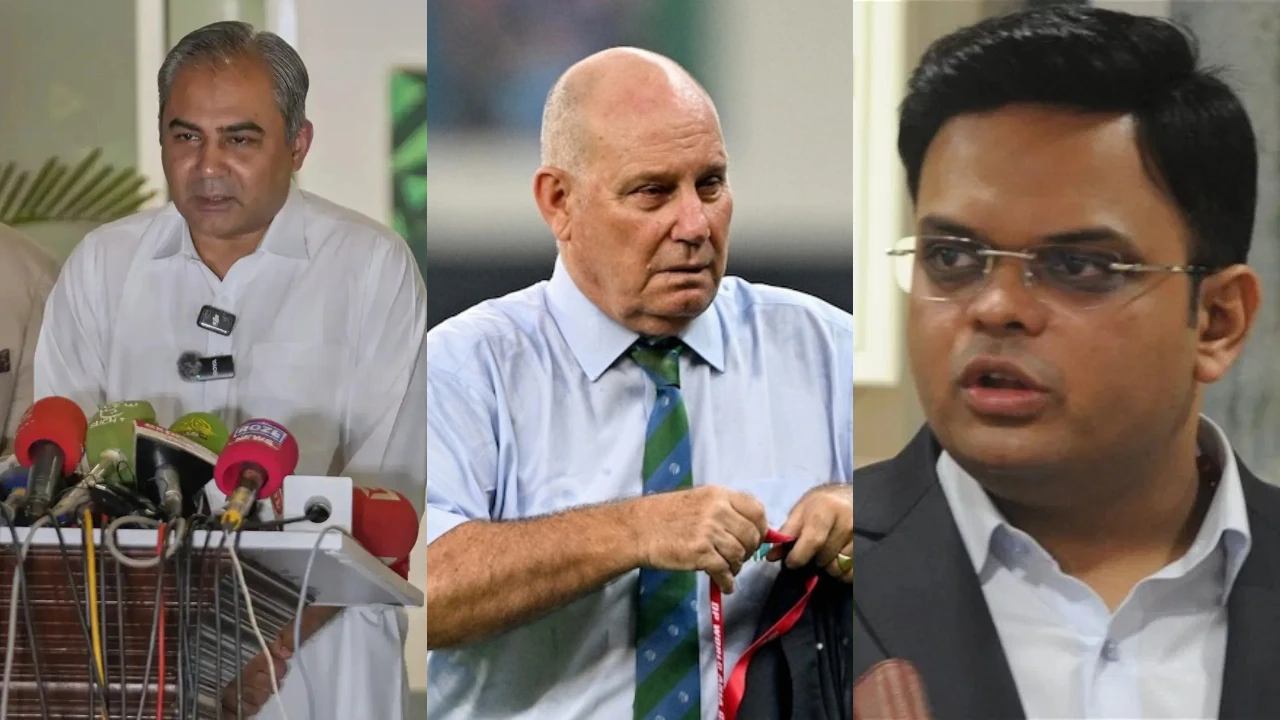
Explosive Revelations by ICC Match Referee Andy Pycroft Ahead of India-Pakistan Showdown at Asia Cup 2025
With the much-anticipated clash between India and Pakistan looming at the ongoing Asia Cup 2025, ICC match referee Andy Pycroft has brought to light some explosive revelations regarding the no-handshake controversy that has gripped the cricketing world. This controversy has not only stunned fans but also exposed key figures within the Asian Cricket Council (ACC) and Pakistan Cricket Board (PCB).
Pre-Match Drama Unfolds
As reported by ESPNCricinfo, Pycroft revealed that just minutes before the toss during the Group A clash on September 14 in Dubai, the Indian captain, Suryakumar Yadav, and Pakistani captain, Salman Ali Agha, were set to forego the traditional handshake. The ACC venue manager informed Pycroft moments before the toss that the Board of Control for Cricket in India (BCCI) had made the decision that Yadav would not shake hands with Agha.
It appears that the BCCI had received approval from the Indian government for this stance and had informed the ACC beforehand, implicating Mohsin Naqvi, the ACC chief and PCB chairman, in the controversy.
Pakistan’s Surprise and Outrage
While India seemed prepared for the no-handshake policy, the Pakistan camp was caught off guard, arguing that they should have been informed well in advance by the ACC and ICC. However, Pycroft revealed that he personally informed Agha about India’s stance before the toss to avoid public embarrassment, despite the time constraint.
Following the match, the PCB officials accused Pycroft of breaching the ICC Code of Conduct and failing to uphold cricket’s spirit. They even demanded his removal from the tournament, a request that was ultimately rejected by the ICC.
PCB Sparks Controversy
In a surprising turn of events, the PCB shared a video on social media showing a meeting between Pycroft and Pakistan’s senior management, including Agha, coach Mike Hesson, and team manager Naved Cheema. This move raised eyebrows as it clearly violated ICC rules regarding mobile phone usage in match officials’ areas.
ICC CEO Sanjog Gupta has already reached out to the PCB regarding this breach of the Code of Conduct. It remains to be seen whether the PCB will face fines or sanctions for this violation.
Anticipation Builds for India-Pakistan Super 4s Showdown
As both teams gear up for another high-voltage clash in the Super 4s on September 21 at Dubai International Stadium, the no-handshake policy is expected to continue. However, given the recent controversies, post-match greetings between the teams may be limited.
Cricket fans around the world are eagerly awaiting the outcome of this intense rivalry, hoping for a thrilling and fair match despite the off-field drama that has dominated headlines.
Analysis of the Impact of the No-handshake Controversy
The decision by the BCCI to implement a no-handshake policy in matches against Pakistan has sparked debates within the cricketing community. While some view it as a political statement aimed at maintaining a tough stance against Pakistan due to ongoing geopolitical tensions, others argue that such actions detract from the spirit of sportsmanship that cricket is meant to uphold.
By delving deeper into the motives behind such a decision, we can see how sports and politics intersect in ways that can sometimes overshadow the game itself. The longstanding rivalry between India and Pakistan on the cricket field is not just about sporting prowess but also reflects broader issues that transcend the boundaries of the pitch.
The Role of Match Officials in Maintaining Fair Play
ICC match referee Andy Pycroft’s handling of the no-handshake controversy highlights the delicate balance that match officials must maintain between upholding the rules of the game and managing sensitive political dynamics. Pycroft’s decision to inform the Pakistani captain about India’s stance before the toss demonstrates a commitment to fairness and transparency, even in the face of unexpected challenges.
Match officials play a crucial role in ensuring that the spirit of cricket is upheld, regardless of external pressures or controversies. Their ability to navigate complex situations with integrity and professionalism is essential for maintaining the credibility of the sport and preserving its core values.
Impact of Social Media on Cricket Controversies
The PCB’s decision to share a video of their meeting with Andy Pycroft on social media raises questions about the role of digital platforms in shaping public perceptions of cricketing events. In an era of instant communication and widespread connectivity, every move made by cricket boards and officials is scrutinized and amplified through social media channels.
This incident serves as a reminder of the power of social media to drive narratives and influence public opinions surrounding cricket controversies. It also underscores the need for cricket boards and officials to exercise caution when engaging with digital platforms to avoid breaches of confidentiality or protocol.
Looking Ahead to the India-Pakistan Super 4s Showdown
As the anticipation builds for the upcoming clash between India and Pakistan in the Super 4s stage of the Asia Cup 2025, all eyes will be on how the no-handshake controversy continues to unfold. Both teams will be under immense pressure to deliver a competitive and spirited performance on the field, despite the off-field distractions that have dominated the pre-match narratives.
Cricket fans can expect a thrilling encounter between two arch-rivals who have a history of producing memorable moments on the cricket field. While the no-handshake policy may add an extra layer of tension to the proceedings, the players will be focused on showcasing their skills and competing with the utmost sportsmanship.
Conclusion
The revelations made by ICC match referee Andy Pycroft have shed light on the complexities and challenges that surround high-profile cricket matches, particularly when geopolitical tensions come into play. As the India-Pakistan rivalry continues to capture the imagination of fans around the world, it is essential for all stakeholders in the game to prioritize the values of fair play, respect, and integrity to ensure that cricket remains a unifying force that transcends borders and differences.
Latest News
“Only God can save them”: SRH’s bowling attack slammed as “fake” and “terrible” after RCB thrashing
“I find him quite bizarre”: Ravichandran Ashwin’s no-nonsense verdict on Virat Kohli
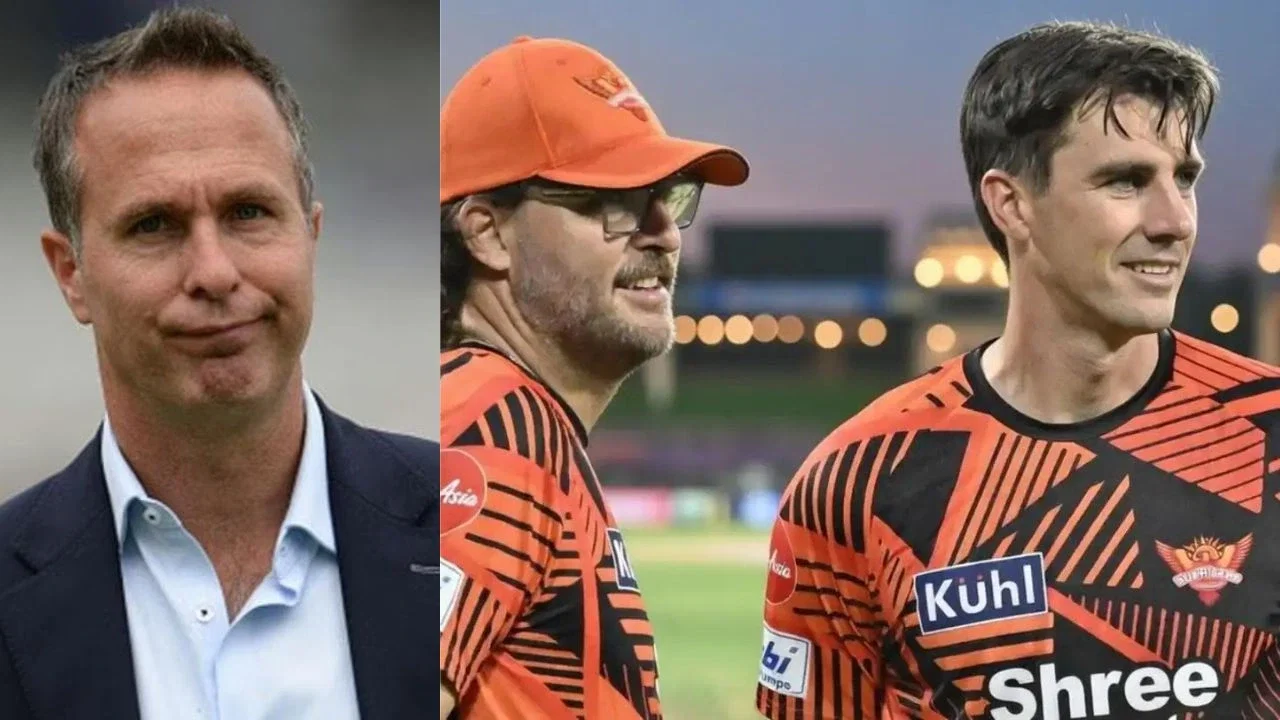
Michael Vaughan makes a bold declaration on IPL 2026, hands SRH no chance for the playoffs
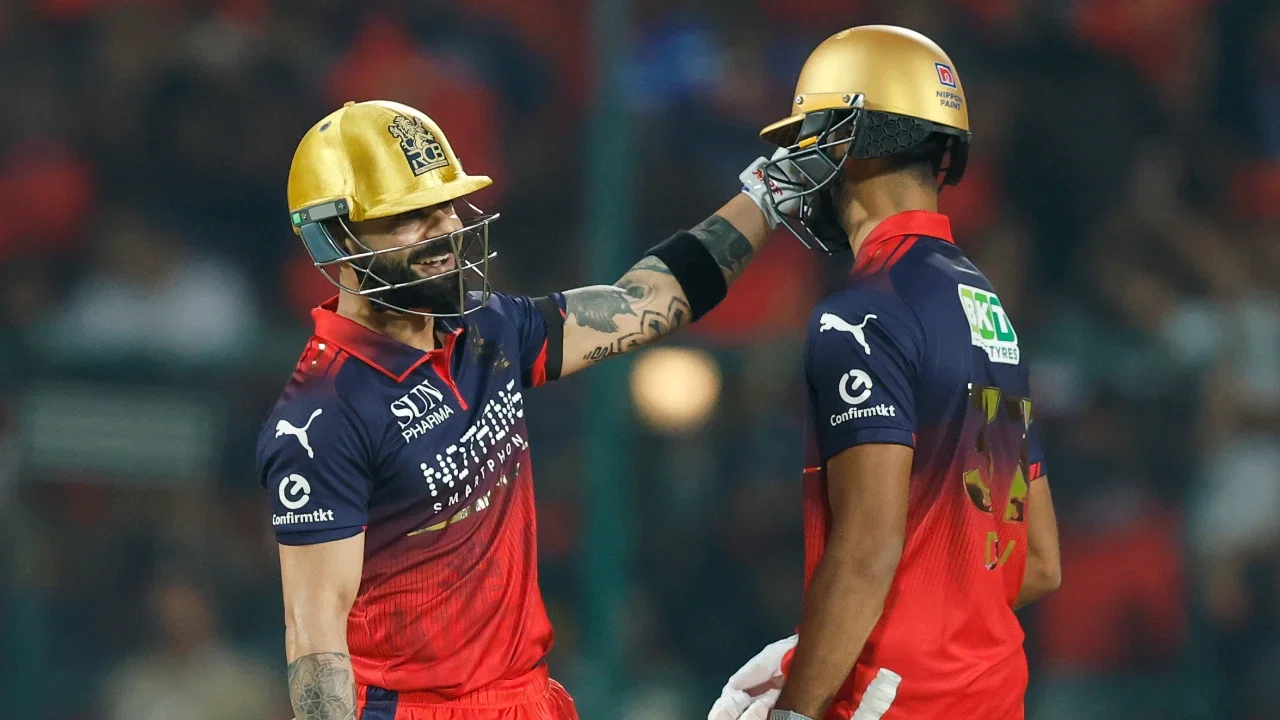
‘Virat Kohli made my job easier’: Devdutt Padikkal bows down to King after heroics vs SRH
“We dedicate this win to 11 fans”: RCB captain Rajat Patidar pays tribute to stampede victims
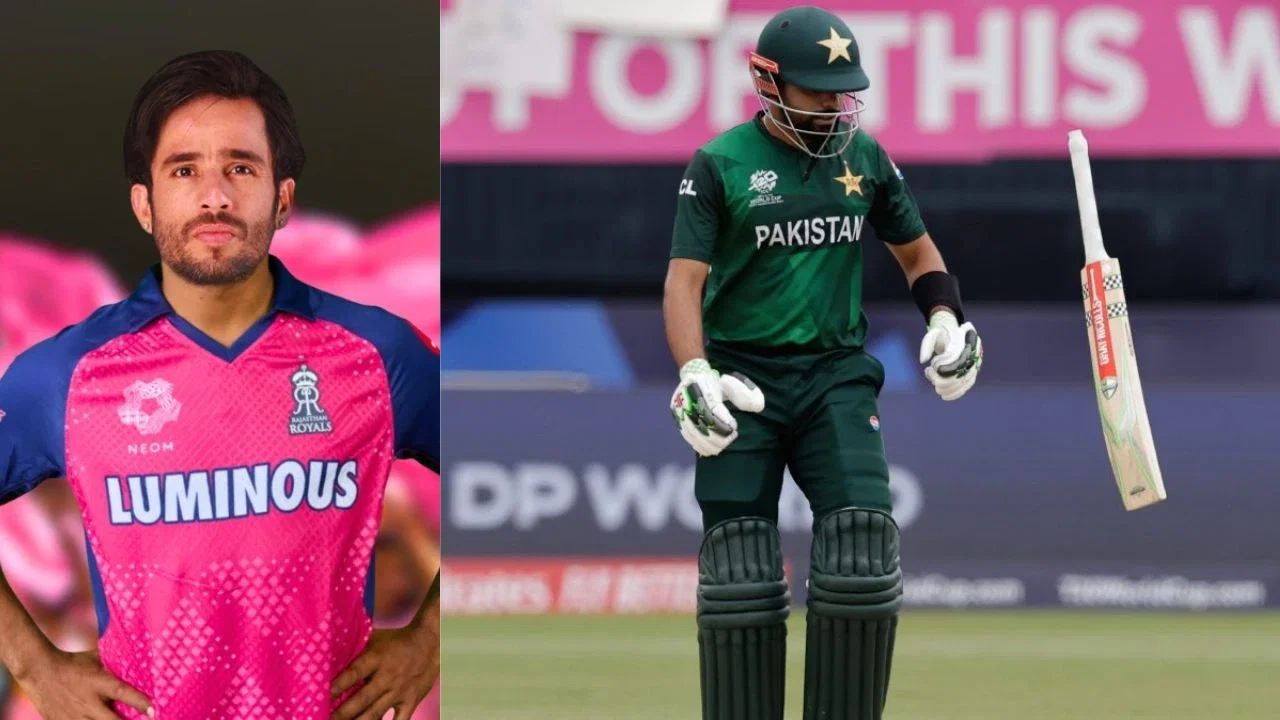
Ravi Bishnoi trolls Babar Azam from the Rajasthan Royals training camp
Mumbai Indians on the verge of history ahead of IPL 2026 clash against KKR
Jofra Archer imitates Ravindra Jadeja’s bowling action in nets amid IPL 2026 (Watch video)
‘Tommy, Ek ko papa chun le’: Harbhajan Singh delivers abusive responses to commentary critics
Huge blow for CSK! MS Dhoni likely out for six matches in IPL 2026
Rohit Sharma to wreak havoc at Wankhede! Ex-BCCI selector’s massive warning for KKR bowlers
‘Shreyas Iyer is one of the strongest captains in IPL’ – Australia star in awe of PBKS skipper
Shubman Gill out? Virat Kohli’s Test comeback as captain suggested by CSK legend
Jason Gillespie gives major update on Glenn Maxwell’s availability for PSL 2026