Anil Chaudhary clears air on dead ball drama involving Gerhard Erasmus in India-Namibia game
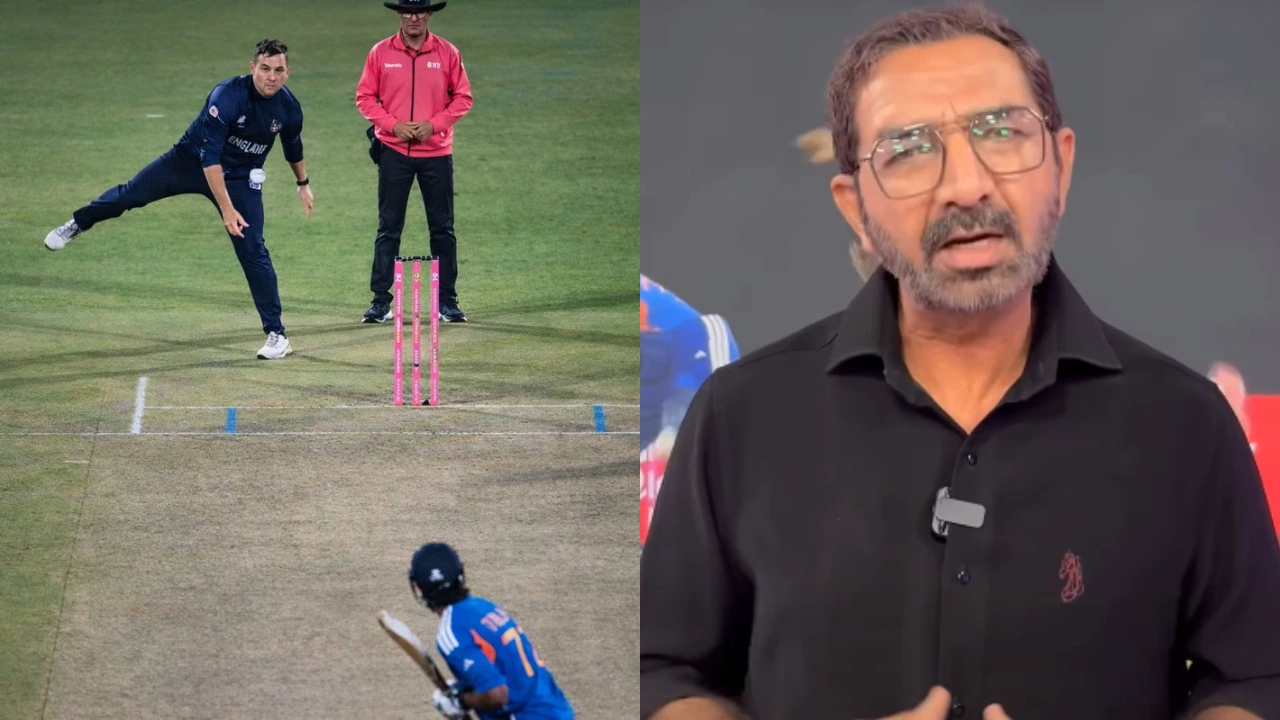
The T20 World Cup 2026: India vs. Namibia – A Controversial Match
On February 12, the T20 World Cup 2026 match between India and Namibia took an unexpected turn at the Arun Jaitley Stadium in Delhi. The game was marred by a controversial incident involving Namibia captain Gerhard Erasmus and umpire Rod Tucker during India’s innings.
The Controversial Incident
In the eighth over of India’s innings, Gerhard Erasmus attempted to bowl the ball much earlier in his run-up and from behind the crease. Umpire Rod Tucker promptly called it a dead ball, much to the frustration of Erasmus. The Namibian captain engaged in a heated argument with the umpire, questioning the decision.
Despite the initial confusion, Erasmus eventually bowled again from behind the crease later in the same over. This time, the delivery resulted in the dismissal of Indian batsman Tilak Varma, and the wicket was deemed valid. The differing decisions on similar deliveries sparked debate and discussion among fans and on social media.
Explanation by Former ICC Umpire Anil Chaudhary
Anil Chaudhary, a former ICC umpire, shed light on the incident through a video posted on his Instagram. Chaudhary clarified that according to ICC rules, a bowler is allowed to bowl from behind the crease. He also mentioned the new auto no-ball system, which checks the angle of the delivery from behind.
Chaudhary explained, “If a bowler tries a side-cutting from behind, it can be detected. In this case, it seems Tucker may not have been ready for Erasmus’ action, which led to the initial dead ball call. However, after discussion and preparation, the subsequent delivery was considered fair.”
Legal Action and Valid Wicket
Chaudhary emphasized that Gerhard Erasmus’ bowling action was legal, and the dismissal of Tilak Varma was valid. He reiterated that if an umpire feels unprepared, they can call a dead ball, but with the Auto-No-Ball system in place, potential issues like side-cutting from behind are covered.
In conclusion, Chaudhary stated, “Both deliveries were fair, and the bowler’s action was within the rules. It’s essential to respect the umpire’s decisions. There was nothing illegal in Erasmus’ action, and Varma’s dismissal was correct.”
Despite the controversy, the match between India and Namibia showcased the unpredictability and excitement of T20 cricket, keeping fans on the edge of their seats.
Impact on the Game
The controversial incident between Gerhard Erasmus and umpire Rod Tucker not only sparked debates among fans and experts but also had a significant impact on the outcome of the match. The dismissal of Tilak Varma at a crucial juncture in India’s innings shifted the momentum in Namibia’s favor, leading to a tense finish that kept viewers glued to their screens until the last ball was bowled.
Reactions from Players and Officials
Following the match, both Gerhard Erasmus and Rod Tucker addressed the incident in post-match interviews. Erasmus expressed his frustration at the initial dead ball call but acknowledged the umpire’s decision in the end. Tucker, on the other hand, defended his call, stating that he acted in accordance with the rules and regulations set by the ICC.
The ICC also released a statement supporting Tucker’s decision and emphasizing the importance of upholding the integrity of the game. The incident served as a reminder of the complexities and challenges faced by umpires in high-pressure situations and the need for clear communication between players and officials.
Lessons Learned and Moving Forward
The controversy surrounding the India vs. Namibia match highlighted the need for increased awareness and understanding of the rules governing T20 cricket. Both players and officials must be well-versed in the latest regulations and technologies to avoid similar misunderstandings in the future.
Additionally, the incident underscored the unpredictable nature of cricket and the importance of maintaining composure and sportsmanship in the face of adversity. Fans and players alike were reminded that the game is not only about skill and strategy but also about respecting the decisions made on the field.
Looking Ahead to Future Matches
As the T20 World Cup 2026 progresses, spectators can expect more thrilling encounters and unexpected turns of events. The controversy between India and Namibia served as a precursor to the excitement and drama that often unfolds in high-stakes cricket tournaments.
With teams from around the world competing for glory, every match is sure to bring its share of excitement, controversy, and unforgettable moments. As fans eagerly await the next showdowns, they can reflect on the India vs. Namibia match as a reminder of the passion and intensity that define T20 cricket.
Ultimately, while the controversy may have overshadowed the gameplay momentarily, it added another layer of intrigue to the T20 World Cup 2026 and left fans speculating about what other surprises the tournament has in store.
Latest News
Naseem Shah charged with central contract violation during PSL 2026
MS Dhoni out of IPL 2026, has not recovered from calf strain
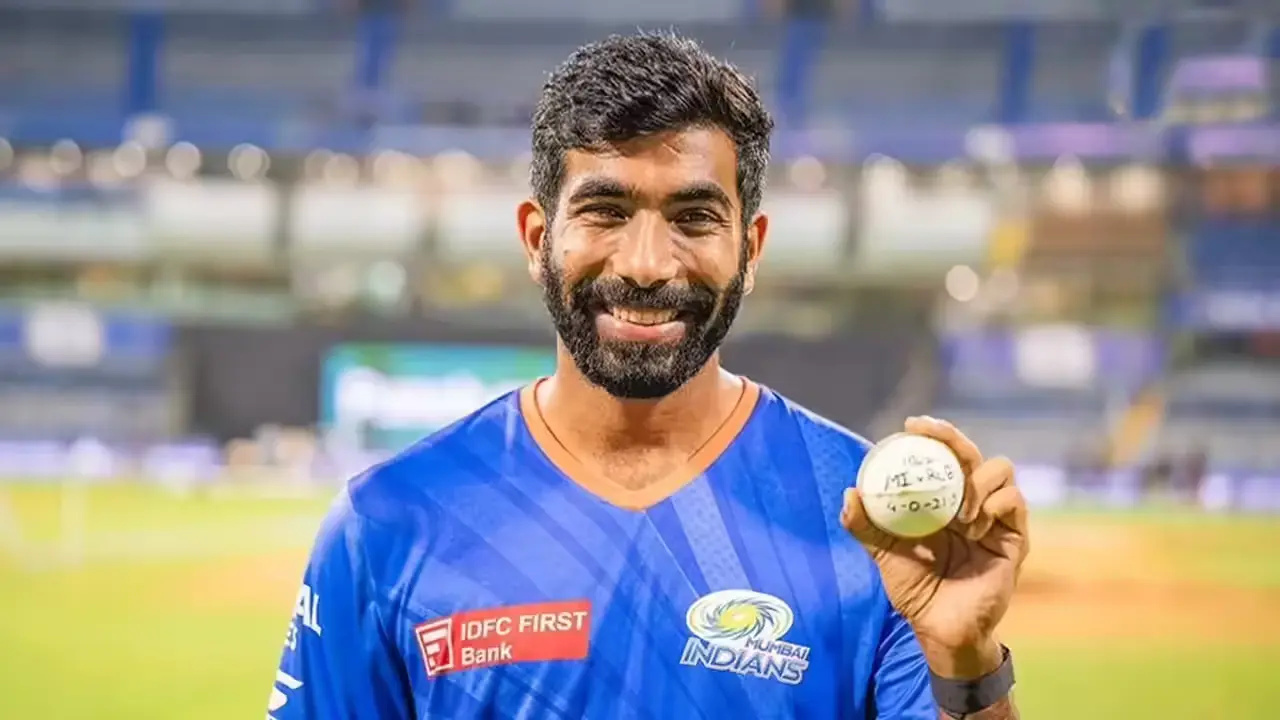
Jasprit Bumrah set to lead MI attack in blockbuster IPL 2026 clash vs KKR
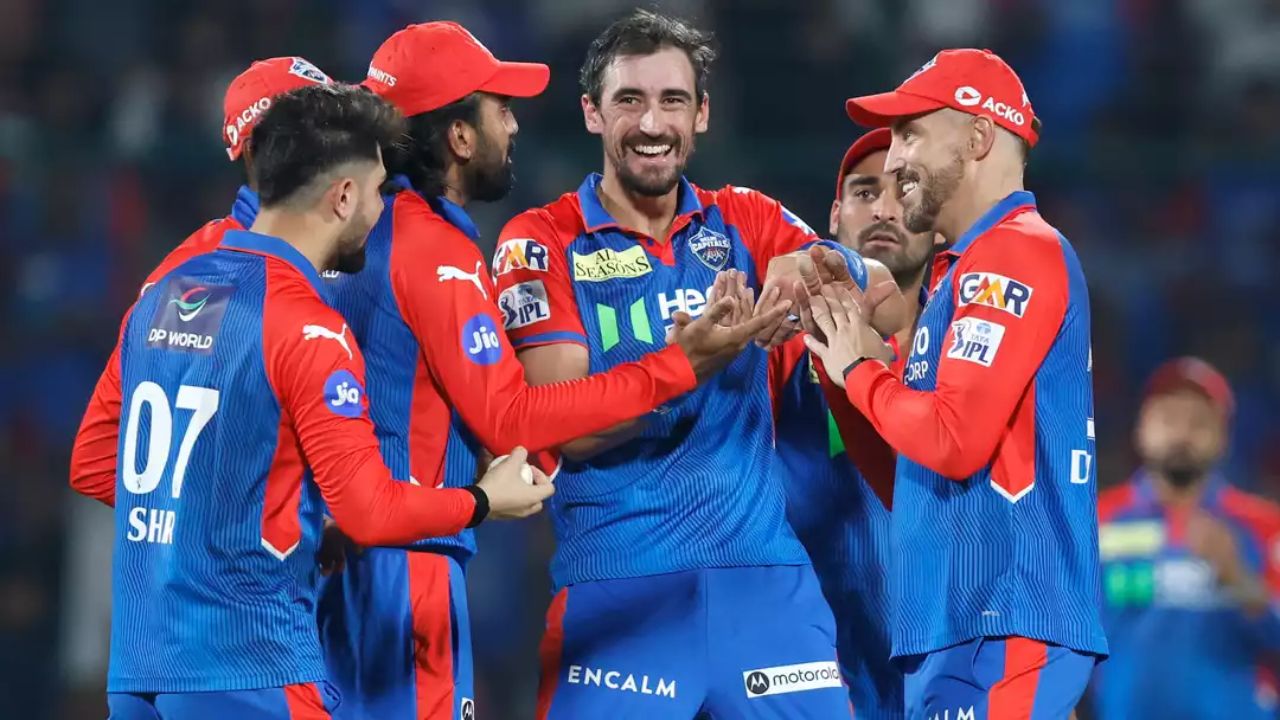
Mitchell Starc to miss IPL 2026, wife Alyssa Healy drops massive update on injury
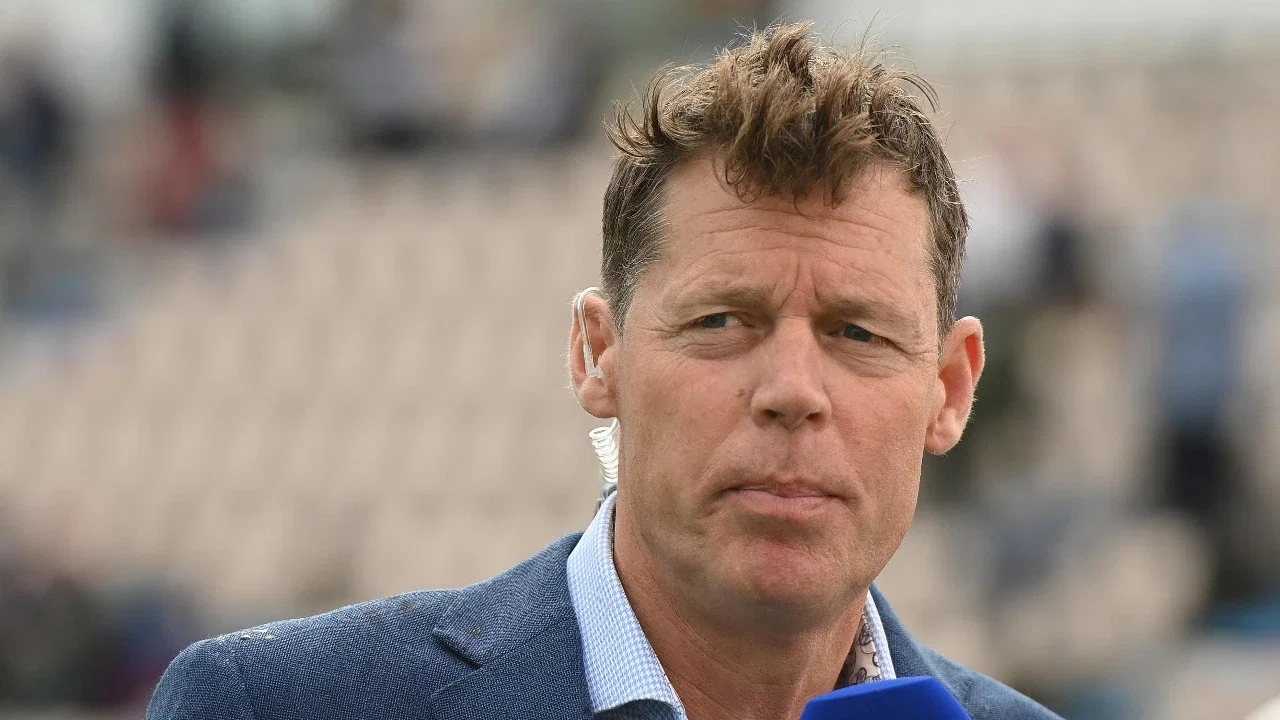
Nick Knight rejects PSL to join IPL commentary panel
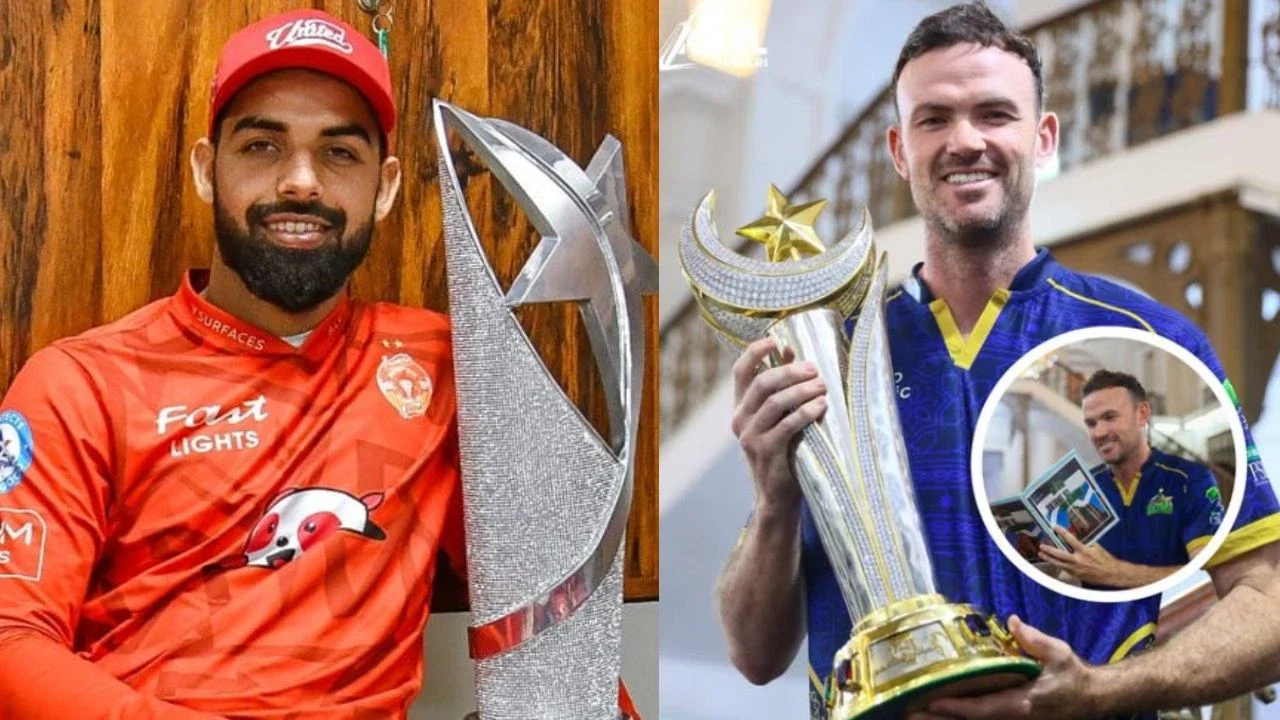
MS vs ISU Match Prediction, Pitch & Weather Report, Playing XIs, Head-to-Head, Free Live Streaming – PSL 2026 Match 4
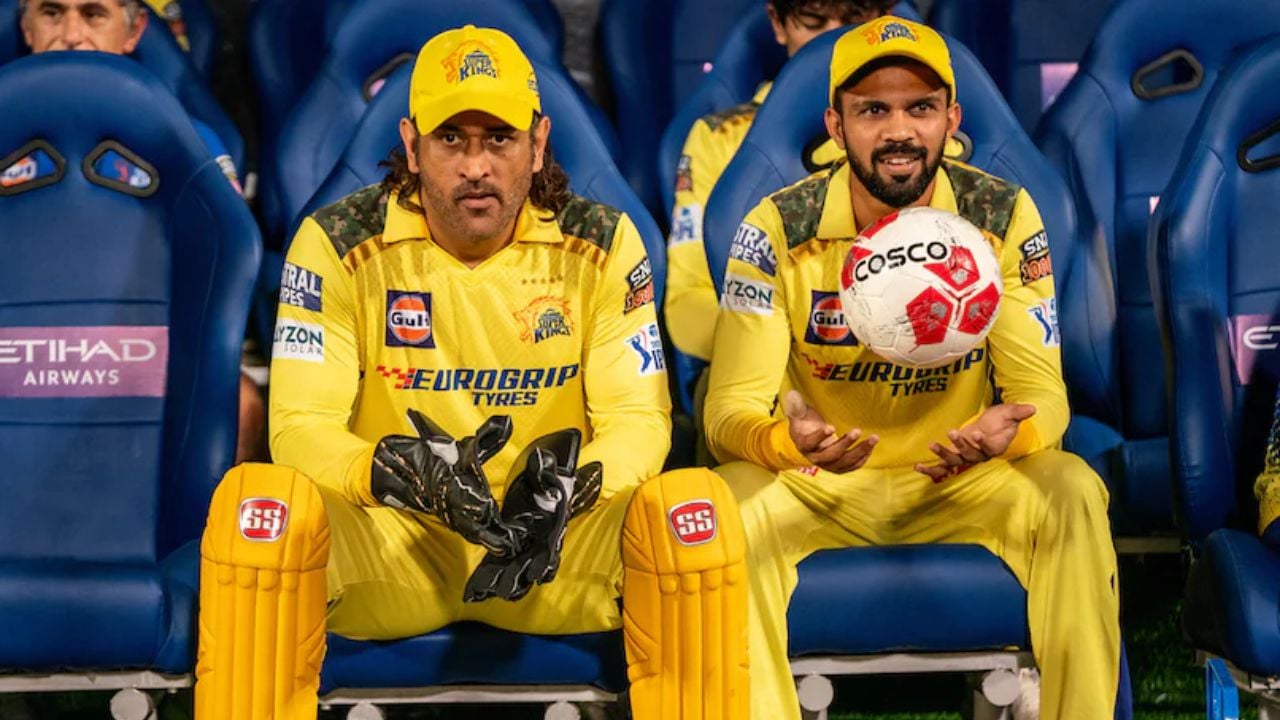
“MS Dhoni doesn’t attend team discussions” – Ruturaj Gaikwad makes stunning revelationtaincy Role

Ben Duckett breaks silence on Noosa Clip scandal, calls it ‘Worst’ moment in cricketing career
“IPL players are grossly underpaid”: Ex-CSK star calls out BCCI
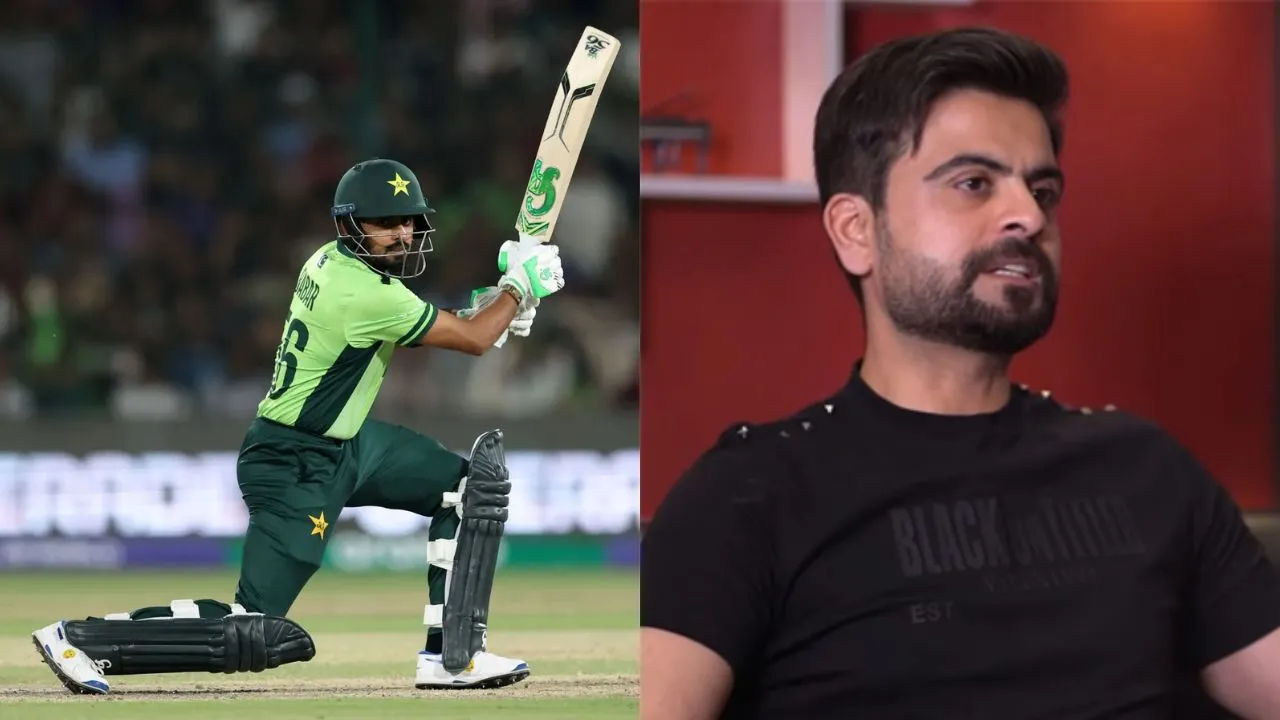
Ahmed Shehzad summoned as former Pakistan skipper takes legal action over serious allegations
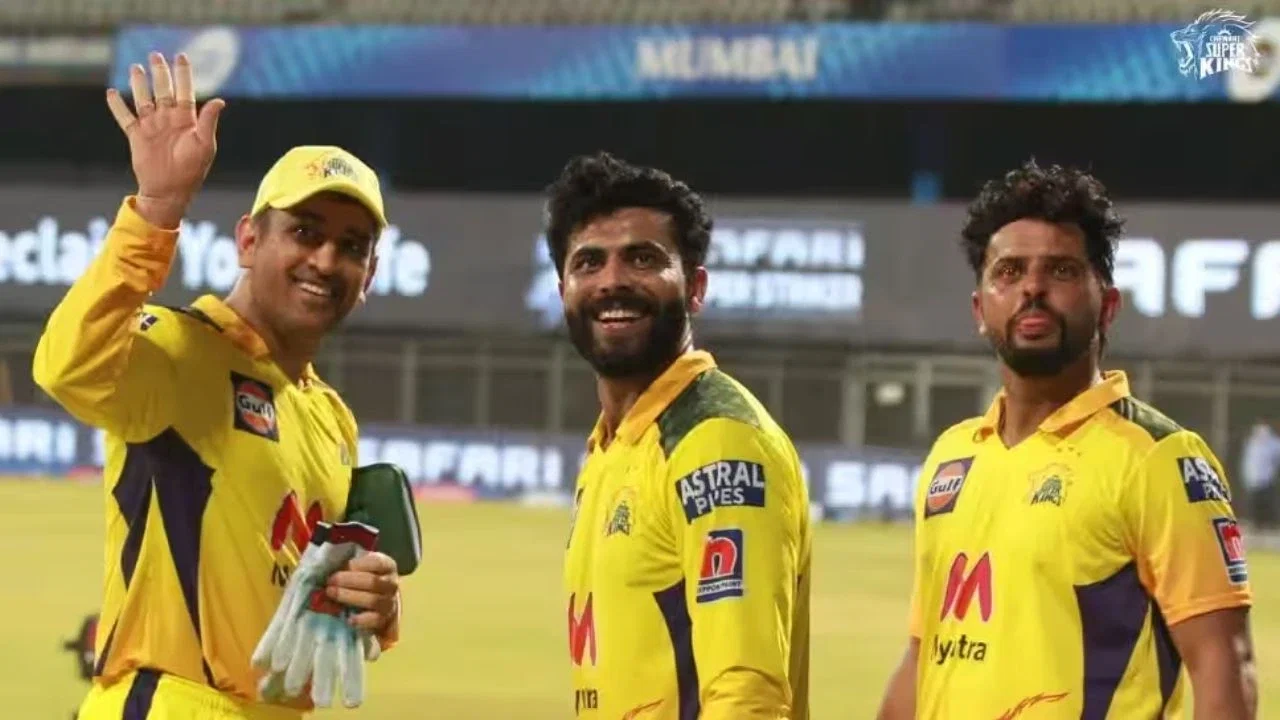
CSK to feature without their legendary duo MS Dhoni and Suresh Raina for the first time
Ishan Kishan set to create history as SRH captain in IPL 2026 opener against RCB
RCB Playing XI vs SRH Playing XI – Match No. 1 | IPL 2026
Delhi Capitals IPL 2026 Full Schedule: DC Fixtures, Dates, Timings and Venues | Squad and Coaches