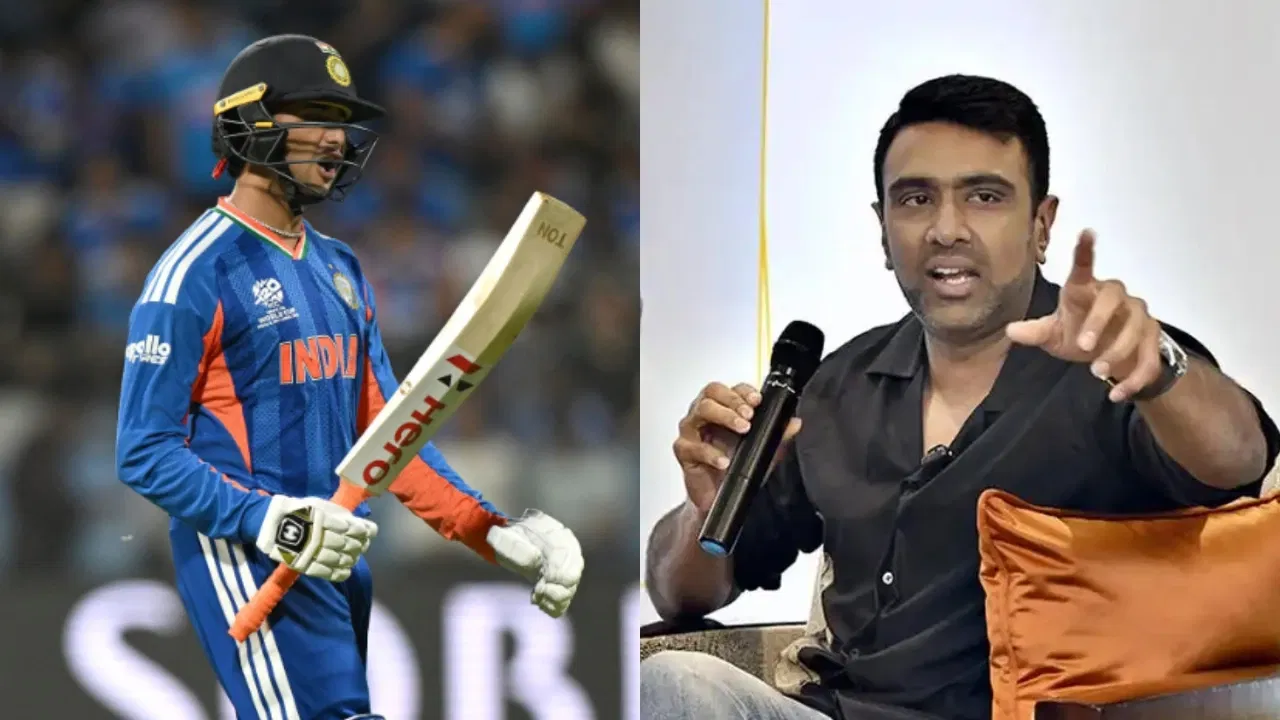
Anil Kumble blames Yashasvi Jaiswal for run-out, defends Shubman Gill in Delhi Test drama
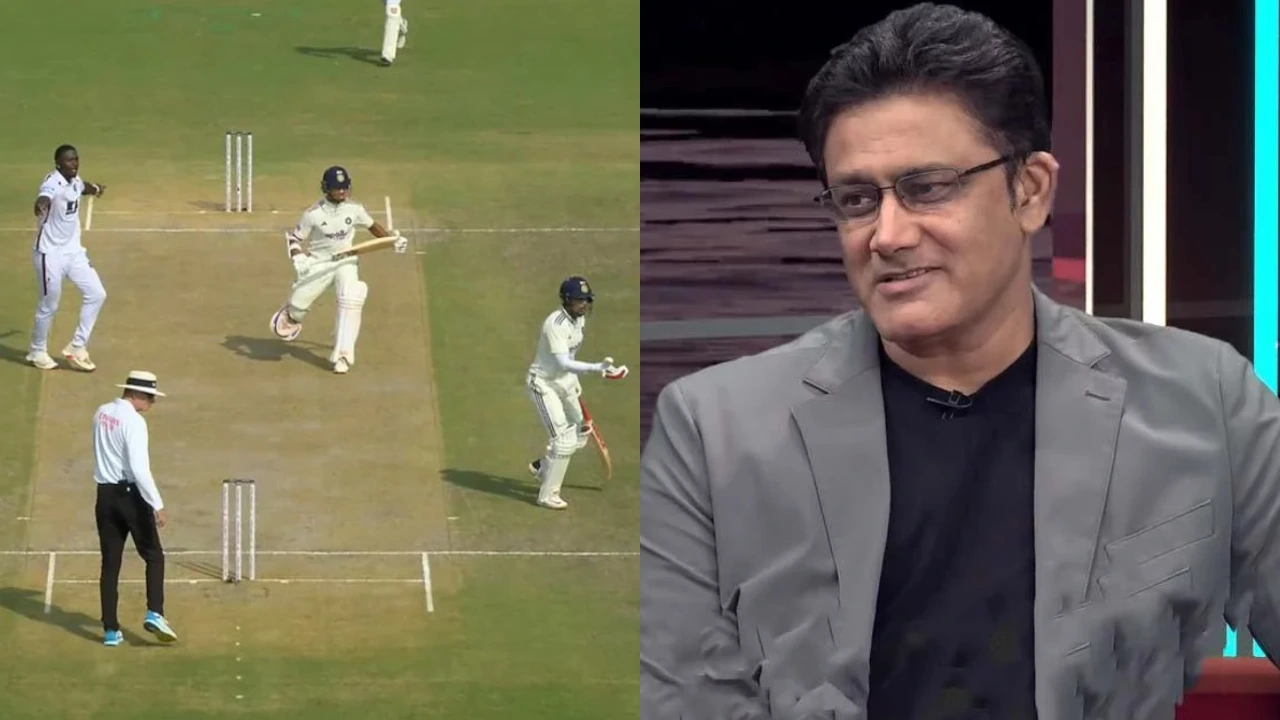
Anil Kumble Defends Shubman Gill and Blames Yashasvi Jaiswal for Run-Out Drama
Legendary Indian spinner and former head coach Anil Kumble has weighed in on the dramatic run-out of Yashasvi Jaiswal during the ongoing second Test against the West Indies in Delhi. Kumble strongly defended Shubman Gill and placed the blame squarely on Jaiswal for the heartbreaking dismissal on Day 2 of the match at Arun Jaitley Stadium.
The Run-Out Incident
On Day 1, Yashasvi Jaiswal had been in fine form, scoring a remarkable 175 runs. However, on the morning of Day 2, disaster struck when a mix-up between Jaiswal and captain Shubman Gill led to his run-out at 173. Gill failed to respond to Jaiswal’s call for a single, which resulted in Jaiswal being run out by a sharp throw from the fielder and quick work by the wicketkeeper.
The entire stadium fell silent as Jaiswal had to make the long walk back to the pavilion, just 25 runs short of what could have been a memorable double hundred. Kumble described it as a clear misjudgment by the young opener, stating that there was no real run available since the ball had gone straight to the fielder.
Anil Kumble’s Analysis
During a post-lunch show on Jio Hotstar, Kumble expressed his views on the incident, saying, “It was Yashasvi Jaiswal’s fault. He wouldn’t have made it even to the non-striker’s end because it went straight to the mid-off fielder. There was absolutely no chance.” Kumble also highlighted that the umpire didn’t refer the decision to the third umpire, which surprised him.
Additionally, Kumble noted that Jaiswal seemed to adopt a more aggressive approach on Day 2, deviating from his steady and composed tempo of the previous day. This change in approach may have contributed to the mix-up that led to his dismissal.
Expert Opinions
Former West Indies opener Daren Ganga also shared his perspective on the run-out incident, attributing a mix of misjudgment and a delayed response from Shubman Gill for Jaiswal’s dismissal. Ganga emphasized the importance of communication and quick decision-making in such situations, especially when a batsman is well-set.
Gill’s delayed response left Jaiswal stranded and ultimately cost him his wicket. The incident served as a lesson in the importance of synchronization and clarity between batting partners on the field.
In conclusion, the run-out of Yashasvi Jaiswal during the Delhi Test highlighted the intricacies and challenges of on-field communication and decision-making in high-stakes matches. As the match progresses, both teams will be looking to learn from these moments to ensure better coordination and execution in future games.
Shubman Gill’s Response
Following the run-out incident, Shubman Gill took to social media to express his regret over the mix-up that led to Yashasvi Jaiswal’s dismissal. Gill acknowledged his role in the miscommunication and emphasized the need for better understanding between batting partners in crucial moments of the game. The young cricketer vowed to learn from the mistake and improve his on-field decision-making to avoid similar situations in the future.
The Impact of Run-Outs on Matches
Run-outs play a significant role in shaping the outcome of cricket matches. They not only result in the loss of a wicket but can also impact the momentum and confidence of the batting team. In high-pressure situations, like Test matches, run-outs can be particularly detrimental, as they can break crucial partnerships and shift the balance of the game.
Teams often analyze run-out incidents to identify areas of improvement in communication, decision-making, and running between the wickets. By recognizing the factors that lead to run-outs, players can work on their coordination and avoid unnecessary dismissals that could cost their team valuable runs.
The Psychological Aspect of Run-Outs
Run-outs not only affect the scoreboard but also have a psychological impact on players. The batsman who gets run out may experience a range of emotions, from disappointment to frustration, especially if they were well-set and batting fluently. On the other hand, the fielding team gains a boost in morale and confidence after executing a successful run-out.
Coaches and sports psychologists often work with players to help them cope with the mental aspects of run-outs. Techniques such as visualization, positive reinforcement, and mindfulness can assist players in maintaining focus and composure even after a challenging on-field incident like a run-out.
The Role of Technology in Determining Run-Outs
With the advancement of technology in cricket, the use of tools like the Decision Review System (DRS) has become crucial in determining run-outs accurately. Instant replays and close-ups provide referees and umpires with the necessary evidence to make informed decisions on run-out calls. This technology helps in reducing errors and ensuring fair play on the field.
Players and teams can also benefit from reviewing run-out incidents through technology to understand the sequence of events leading to the dismissal. By analyzing video footage and replays, players can identify areas of improvement in their running, communication, and decision-making to minimize the risk of run-outs in future matches.
Conclusion
The run-out of Yashasvi Jaiswal in the Delhi Test served as a reminder of the importance of effective communication and decision-making in cricket. As players continue to refine their skills and understanding of the game, incidents like run-outs become valuable learning experiences that contribute to their overall development as cricketers. By recognizing the nuances of on-field dynamics and leveraging technology for analysis, players and teams can strive for better coordination and performance in competitive matches.
Latest News
“Only God can save them”: SRH’s bowling attack slammed as “fake” and “terrible” after RCB thrashing
“I find him quite bizarre”: Ravichandran Ashwin’s no-nonsense verdict on Virat Kohli
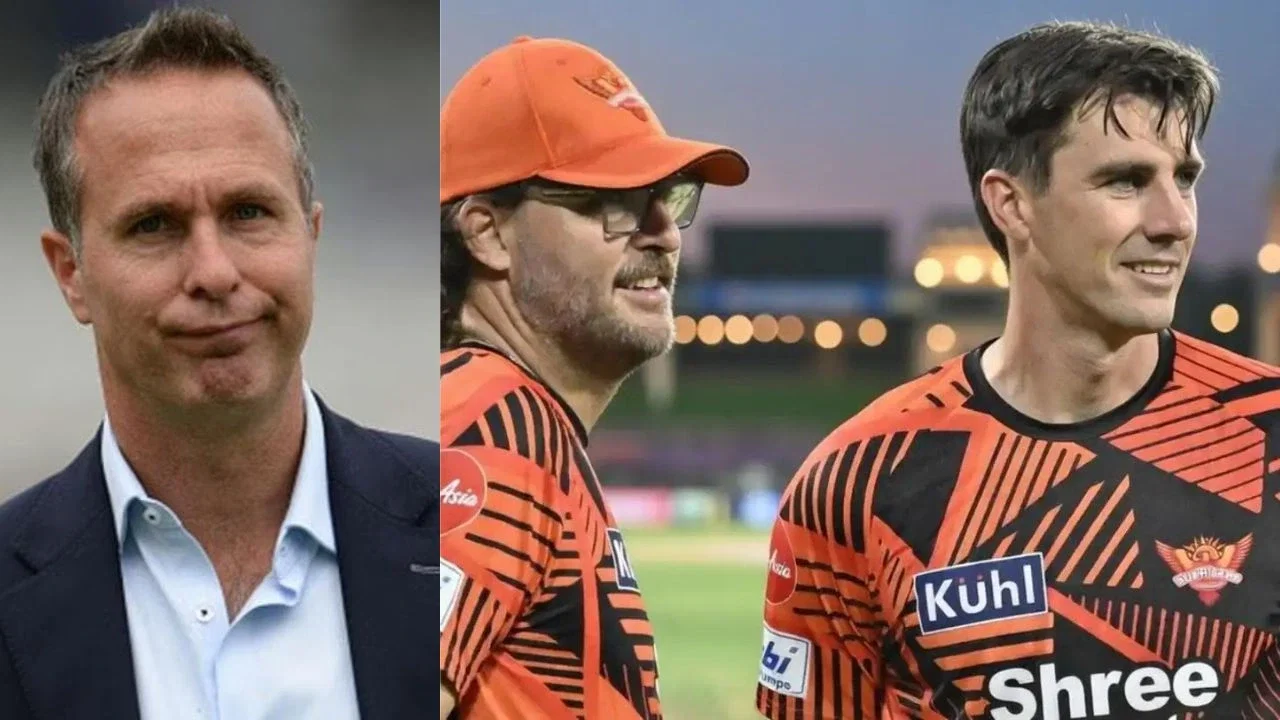
Michael Vaughan makes a bold declaration on IPL 2026, hands SRH no chance for the playoffs
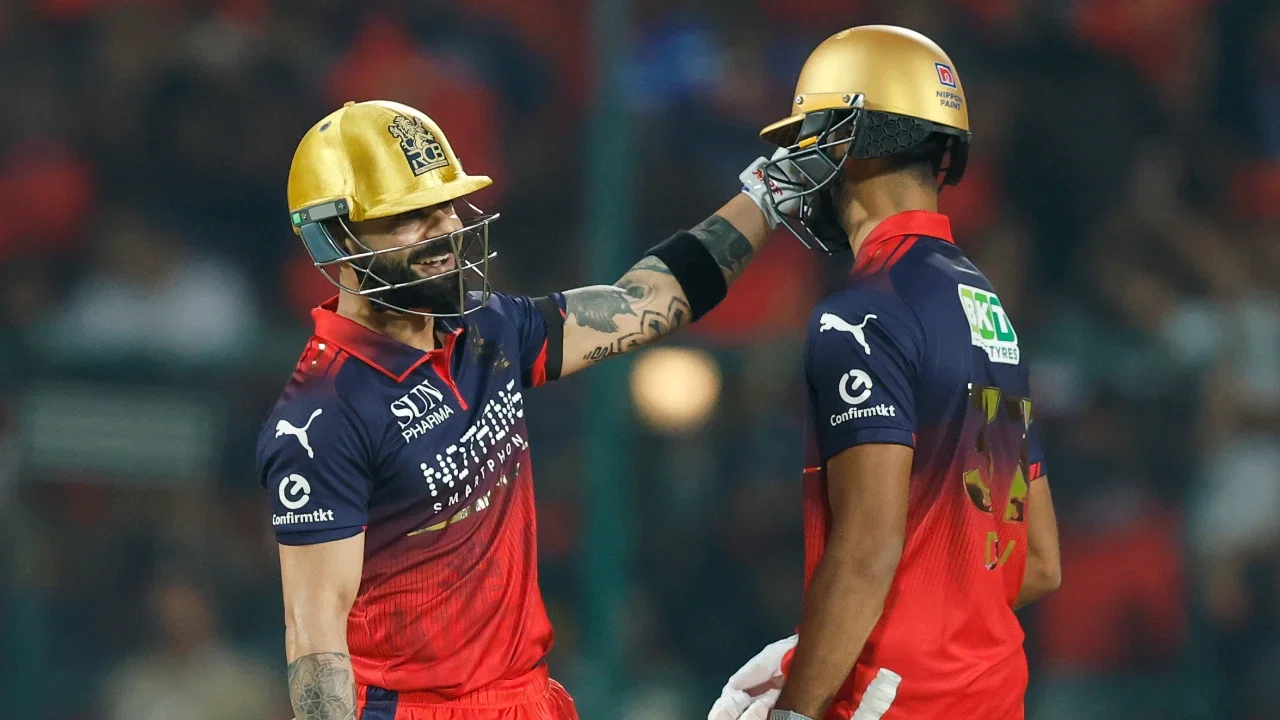
‘Virat Kohli made my job easier’: Devdutt Padikkal bows down to King after heroics vs SRH

“We dedicate this win to 11 fans”: RCB captain Rajat Patidar pays tribute to stampede victims
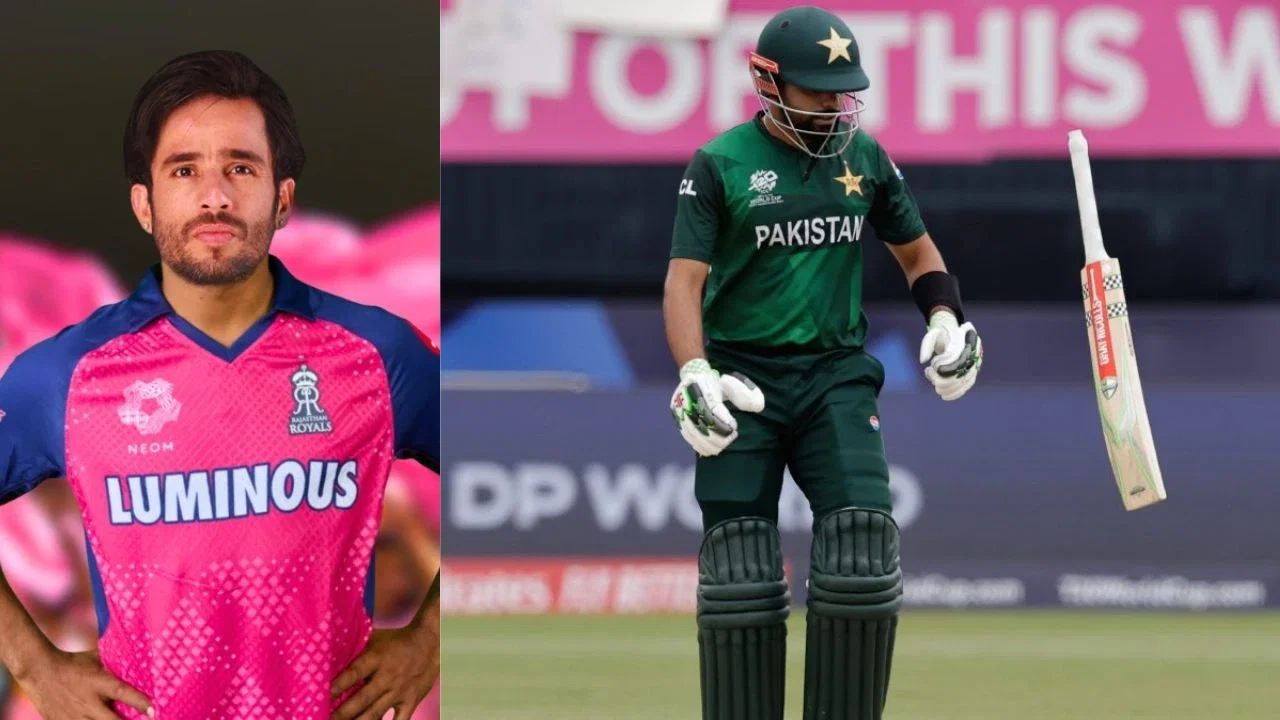
Ravi Bishnoi trolls Babar Azam from the Rajasthan Royals training camp
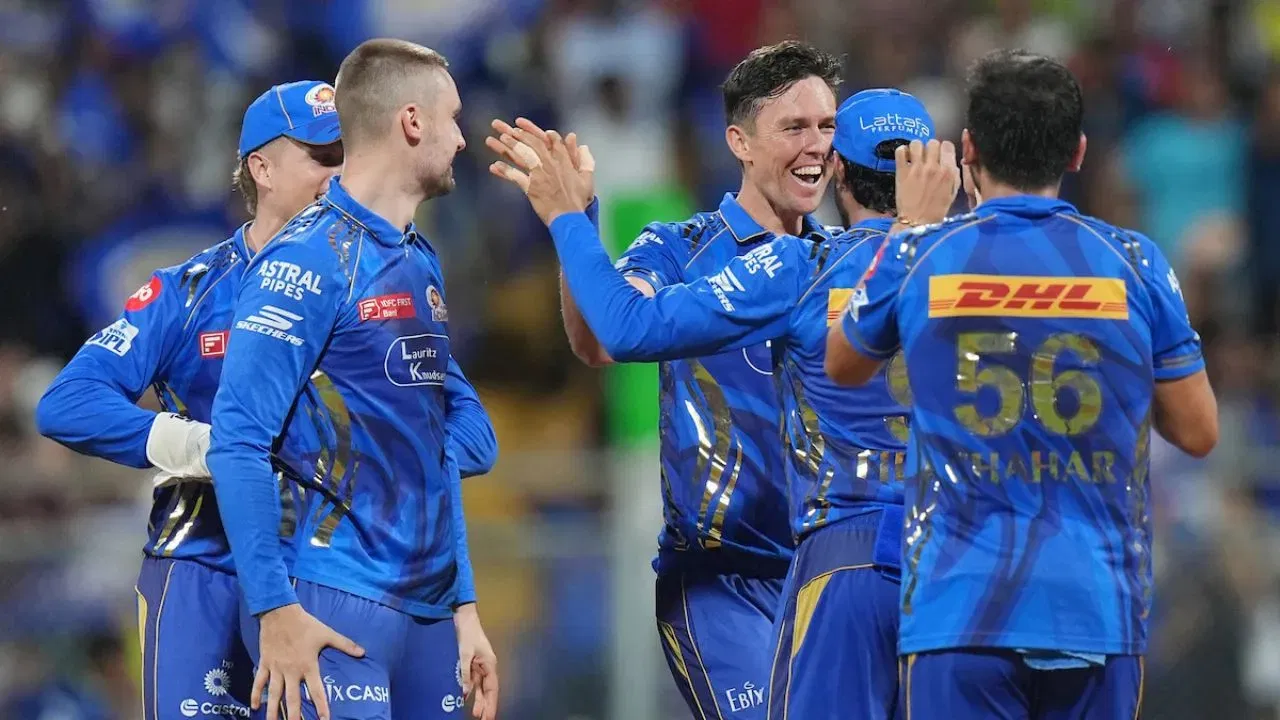
Mumbai Indians on the verge of history ahead of IPL 2026 clash against KKR
Jofra Archer imitates Ravindra Jadeja’s bowling action in nets amid IPL 2026 (Watch video)
‘Tommy, Ek ko papa chun le’: Harbhajan Singh delivers abusive responses to commentary critics
Huge blow for CSK! MS Dhoni likely out for six matches in IPL 2026
Rohit Sharma to wreak havoc at Wankhede! Ex-BCCI selector’s massive warning for KKR bowlers
‘Shreyas Iyer is one of the strongest captains in IPL’ – Australia star in awe of PBKS skipper
Shubman Gill out? Virat Kohli’s Test comeback as captain suggested by CSK legend
Jason Gillespie gives major update on Glenn Maxwell’s availability for PSL 2026