Ashes scandal erupts! England handed back review after Snicko failure saved Alex Carey
ICC Reinstates England’s Review After Technology Failure
The International Cricket Council (ICC) has reinstated England’s lost review after a technical fault occurred during the third Ashes Test in Australia. The controversy arose during an appeal involving Alex Carey, where a technology failure may have impacted the decision-making process.
Technical Fault Leads to Review Reinstatement
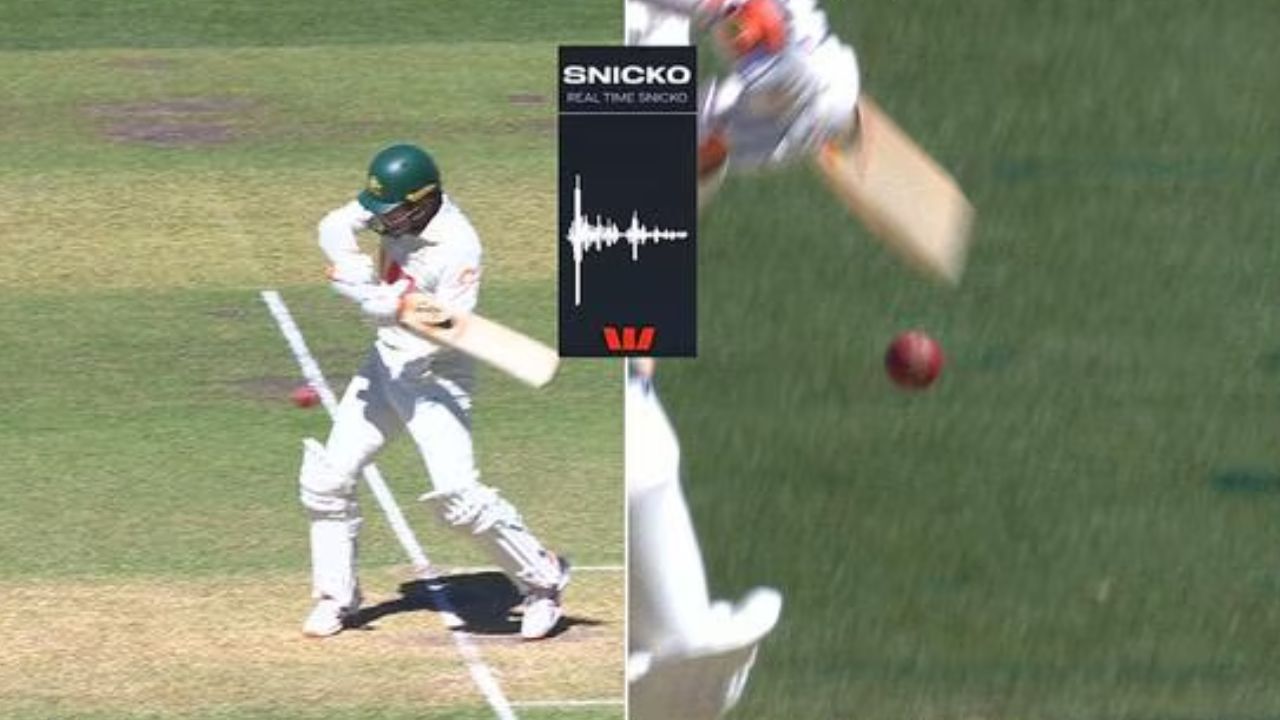
During the match, England’s team management and match referee Jeff Crowe engaged in discussions after a not-out decision for Carey was upheld. Snicko, a sound-based edge-detection system, failed to function correctly during the review, causing confusion among the players and officials. The on-field umpire’s decision not to give Carey out was contentious, leading England to review the call.
While the audio captured a distinctive sound during the incident, replays indicated that the noise occurred before the ball made contact with the bat. Despite the controversy, the TV umpire upheld the on-field decision, allowing Carey to continue his innings and eventually reach a century.
ICC Rules and Response
According to ESPNCricinfo, the ICC’s playing conditions permit a team to regain a lost review if a technology failure impacts the completion of a decision. This rule has been applied in previous instances, highlighting the importance of ensuring fair play and accurate decision-making processes in cricket matches.
Match referee Jeff Crowe determined that England’s review should be reinstated due to the technical fault, giving the team an additional review when play resumed on the following day. The incident also shed light on the differences in sound-based edge-detection systems used in various regions, with Australia employing the RTS system while UltraEdge is prevalent elsewhere.
Ricky Ponting Raises Concerns
Former Australia captain Ricky Ponting voiced skepticism about the reliability of the RTS system, suggesting that match officials struggle to trust the technology for crucial decision-making. Ponting emphasized the importance of having accurate and dependable technology to support umpires in making fair and informed calls during matches.
Ponting’s comments underscore the need for ongoing improvements in technology and decision-making processes to uphold the integrity of cricket matches and ensure that players receive fair outcomes. The incident during the Ashes Test serves as a reminder of the challenges posed by technology failures and the importance of addressing them promptly to maintain the sport’s credibility.
In conclusion, the reinstatement of England’s lost review highlights the ICC’s commitment to upholding fair play and addressing technical issues promptly to ensure accurate decision-making in cricket matches.
Impact of Technology on Cricket
The use of technology in cricket has significantly transformed the way the sport is played and officiated. From Decision Review System (DRS) to ball-tracking technology like Hawk-Eye, the reliance on technological advancements has become integral to the game. While these tools provide a more accurate means of making decisions, they are not immune to technical failures, as seen in the incident during the Ashes Test.
Despite the occasional glitches and controversies surrounding technology in cricket, there is a consensus that these systems have improved the overall fairness and accuracy of umpiring decisions. The implementation of DRS has reduced the margin of error in crucial moments, leading to fewer instances of contentious calls that could sway the outcome of a match.
Challenges and Opportunities for Improvement
However, as highlighted by Ricky Ponting’s concerns regarding the reliability of the RTS system, there are still areas for improvement in cricket technology. Ensuring that all systems are consistently reliable and trustworthy is essential to maintaining the integrity of the game. This incident serves as a wake-up call for cricket authorities to address any vulnerabilities in the technology used for decision-making.
One potential solution could be the standardization of technology across all cricketing nations to avoid discrepancies in the systems being used. By establishing uniform guidelines for the use of tools like edge-detection and ball-tracking, cricket can enhance the consistency and accuracy of decision-making processes, regardless of where a match is being played.
Future of Technology in Cricket
Looking ahead, advancements in technology continue to shape the future of cricket, with innovations such as real-time data analytics and player performance tracking gaining prominence. These developments not only enhance the spectator experience but also provide valuable insights for coaches, players, and analysts to improve their game.
As the reliance on technology grows, cricket’s governing bodies must prioritize the ongoing refinement and calibration of these systems to ensure their effectiveness and reliability. By investing in research and development, cricket can stay at the forefront of sports technology, setting new standards for fairness, accuracy, and entertainment.
Final Thoughts
In conclusion, the reinstatement of England’s lost review following a technology failure in the Ashes Test underscores the significance of upholding fair play and addressing technical challenges in cricket. While incidents like these may raise concerns about the reliability of cricket technology, they also present opportunities for growth and improvement in the sport.
By embracing technological advancements, addressing weaknesses, and striving for consistency and accuracy in decision-making processes, cricket can continue to evolve and provide fans with captivating and fair competitions. The incident serves as a reminder of the delicate balance between tradition and innovation in cricket, prompting stakeholders to collaborate in shaping a future where technology complements and enhances the spirit of the game.
Latest News

Mumbai Indians suffer blow! Mitchell Santner, Will Jacks ruled out of IPL 2026 games
MI vs KKR Match Prediction – Who Will Win Match No.2? | IPL 2026
Mumbai Indians Playing XI vs Kolkata Knight Riders Playing XI- Match No. 2 | IPL 2026
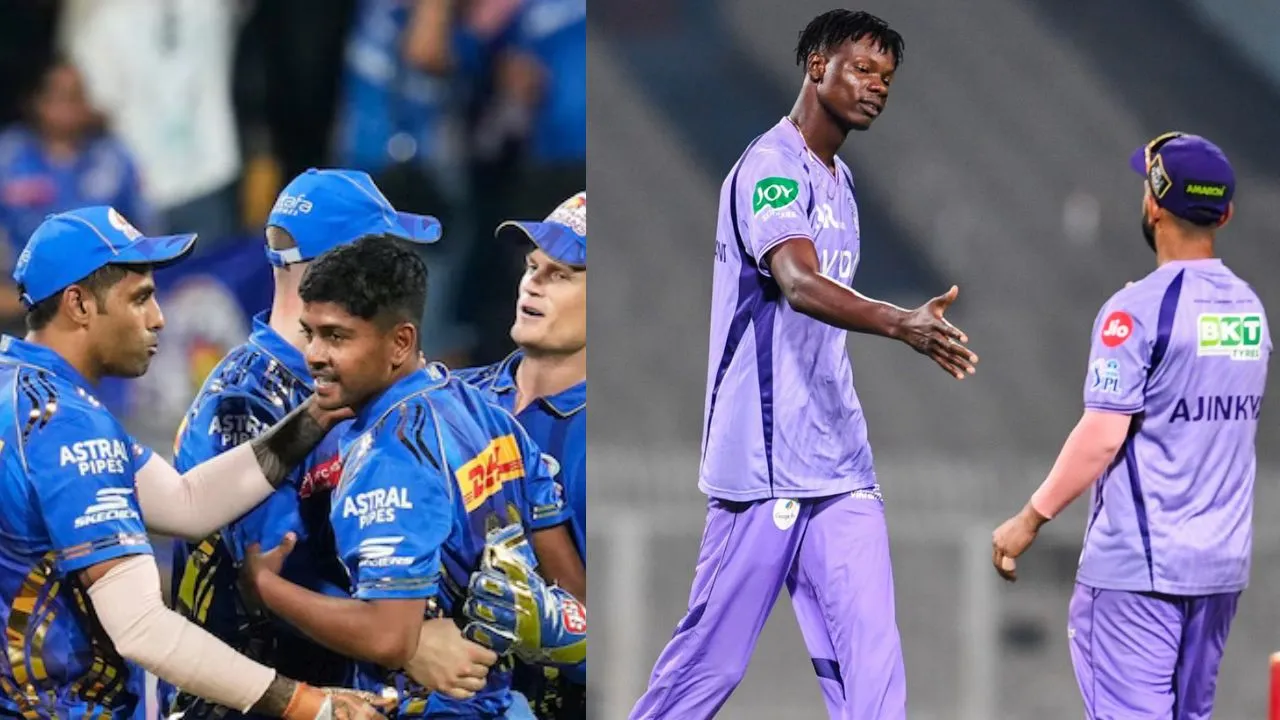
MI vs KKR Match 2 Preview: Free Live Streaming, Pitch & Weather Report, Head-to-Head | IPL 2026

Not English cricket! Jos Buttler credits IPL for his success as a cricketer
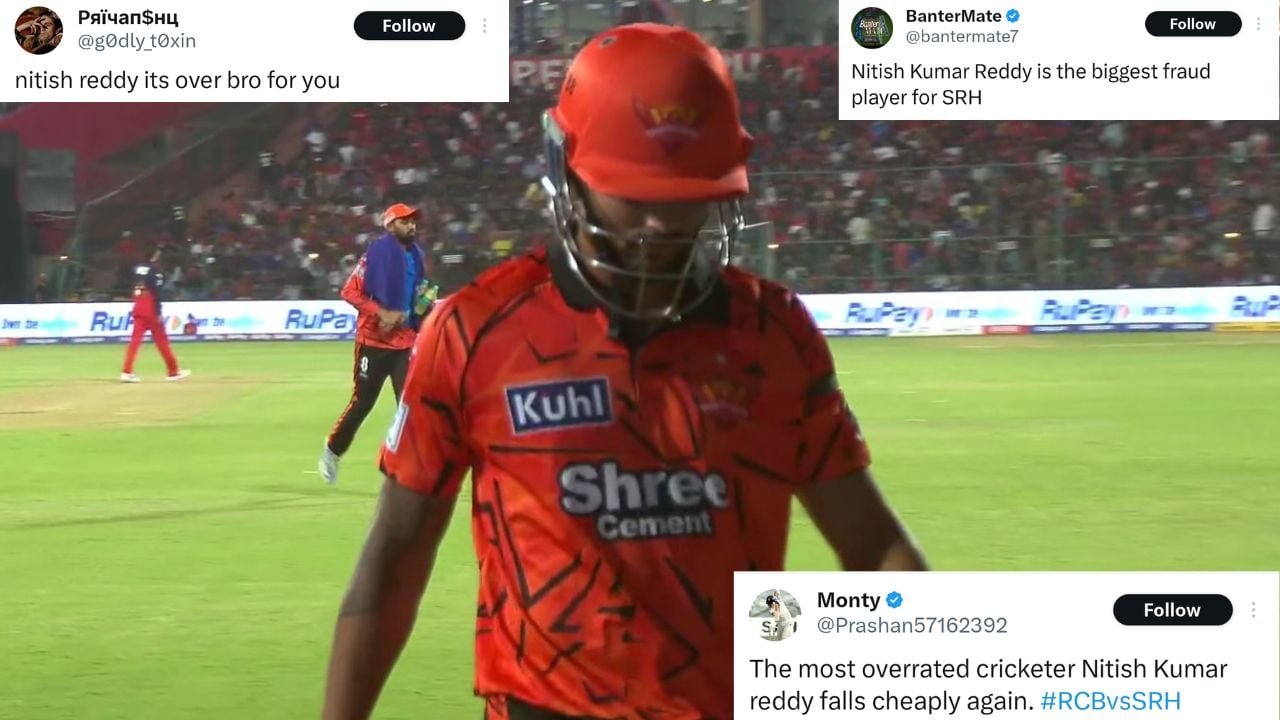
“Nitish Kumar Reddy is biggest fraud”: Fans fume as SRH star fails vs RCB in IPL 2026 opener
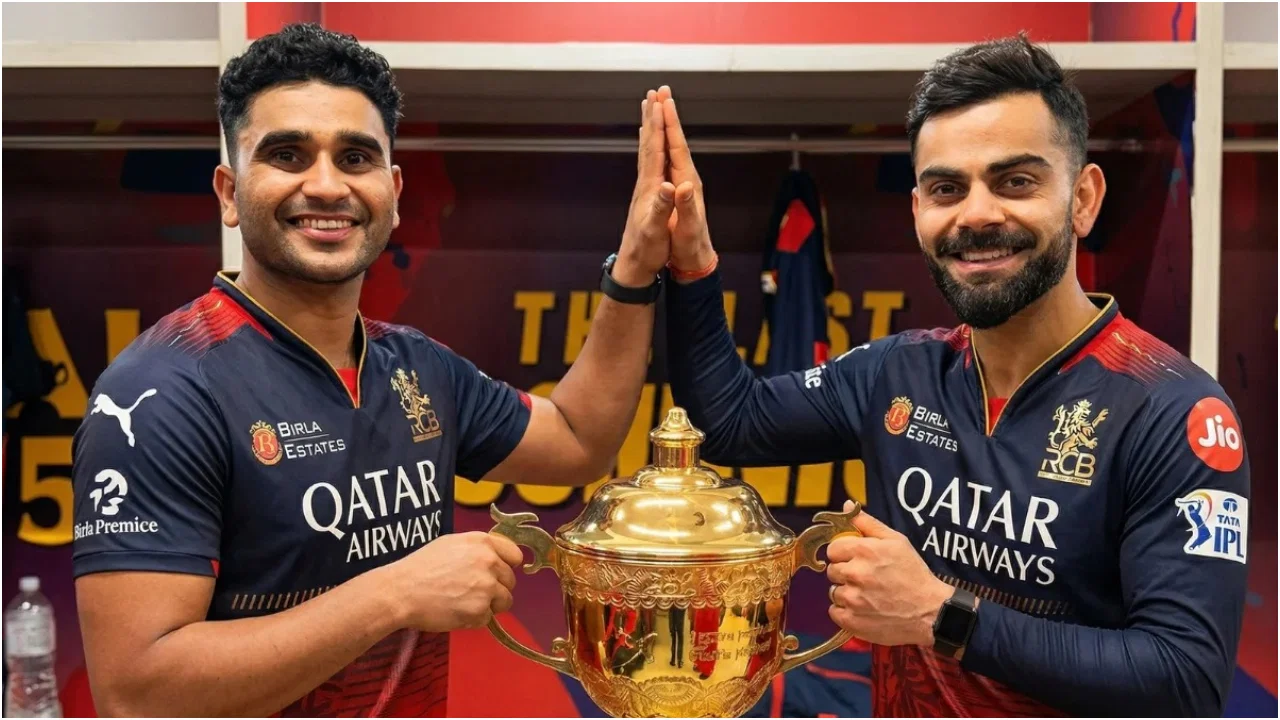
Who is Abhinandan Singh? The Virat Kohli troublemaker who made his IPL debut for RCB vs SRH
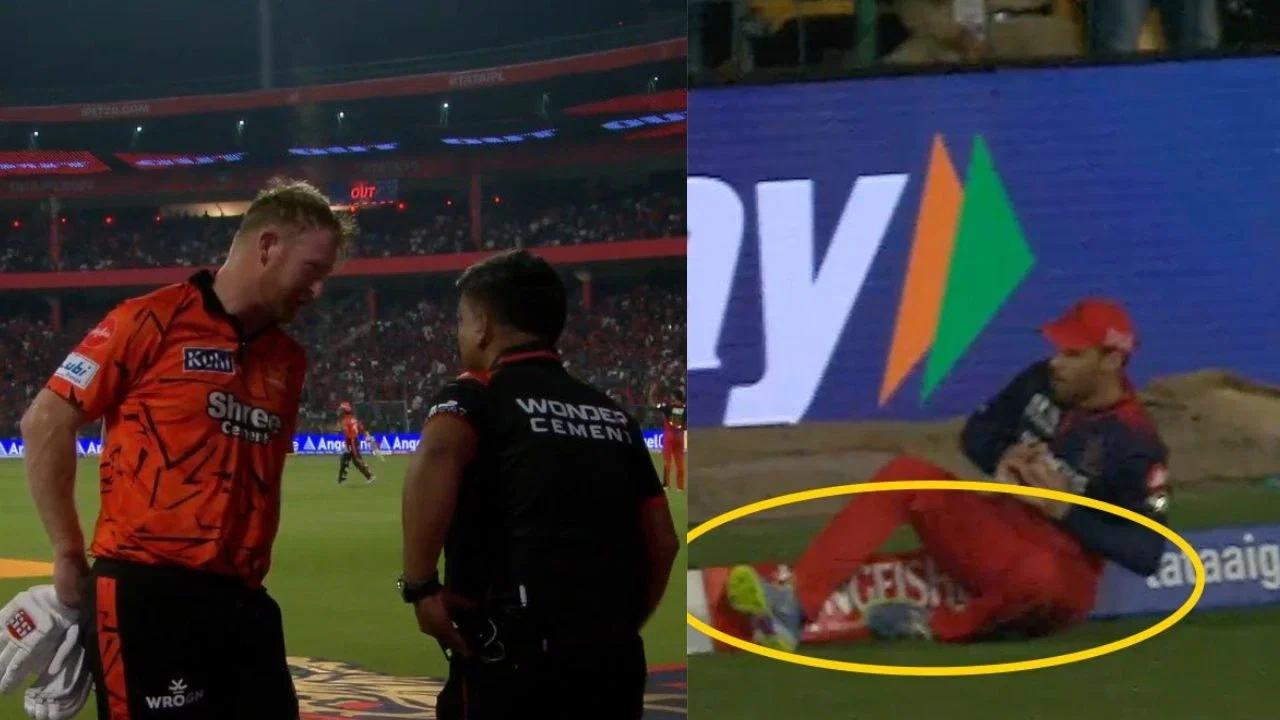
Heinrich Klaasen engages in heated chat with 4th umpire after Phil Salt’s controversial catch in IPL 2026
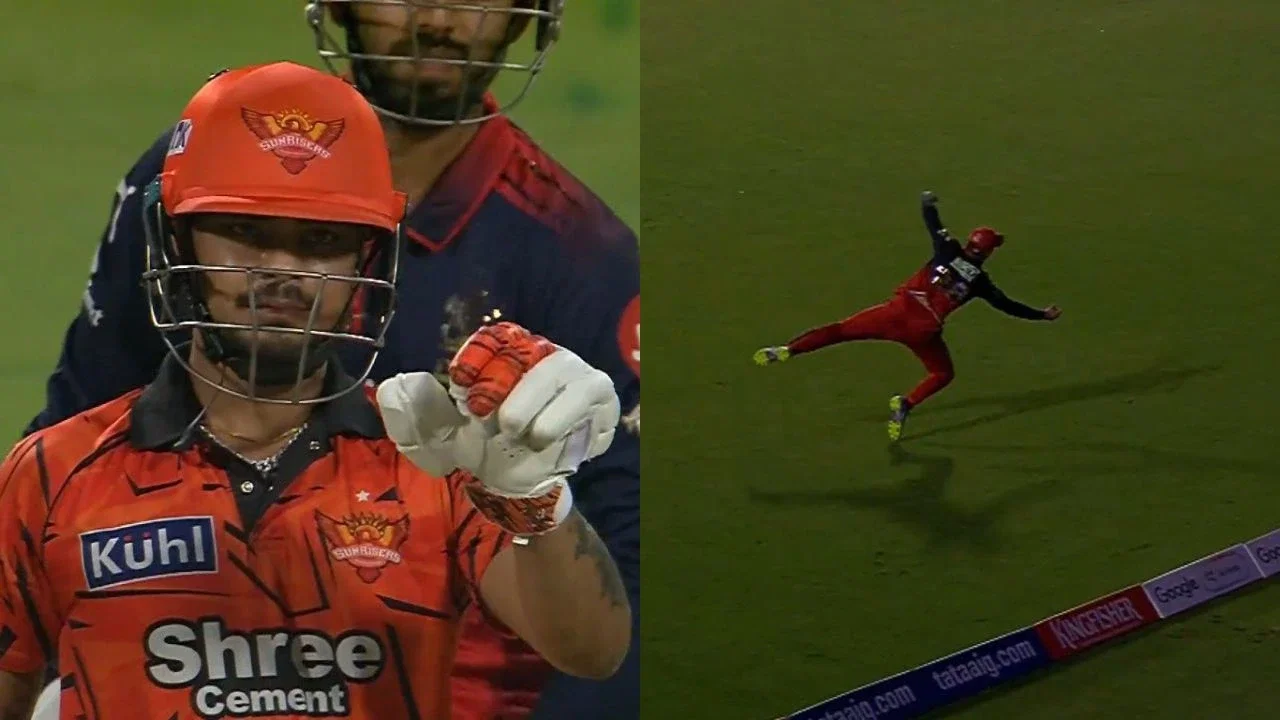
Phil Salt grabs one of the greatest catches in IPL history to dismiss Ishan Kishan
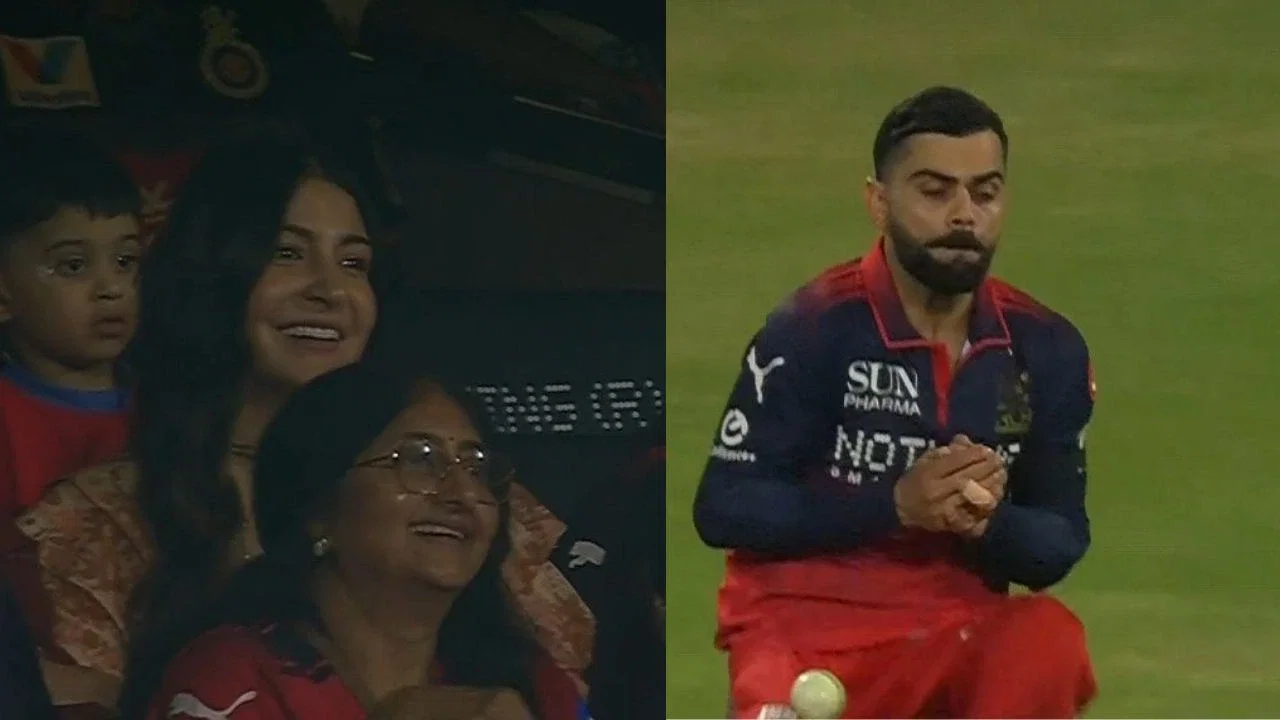
Anushka Sharma laughs as Virat Kohli drops a sitter in RCB vs SRH clash (Watch Video)
Anushka Sharma laughs as Virat Kohli drops a sitter in RCB vs SRH clash (Watch Video)
Anushka Sharma laughs as Virat Kohli drops a sitter in RCB vs SRH clash (Watch Video)
Anushka Sharma laughs as Virat Kohli drops a sitter in RCB vs SRH clash (Watch Video)
Anushka Sharma laughs as Virat Kohli drops a sitter in RCB vs SRH clash (Watch Video)