Asia Cup 2025: BCCI comes in conflict with Indian Government
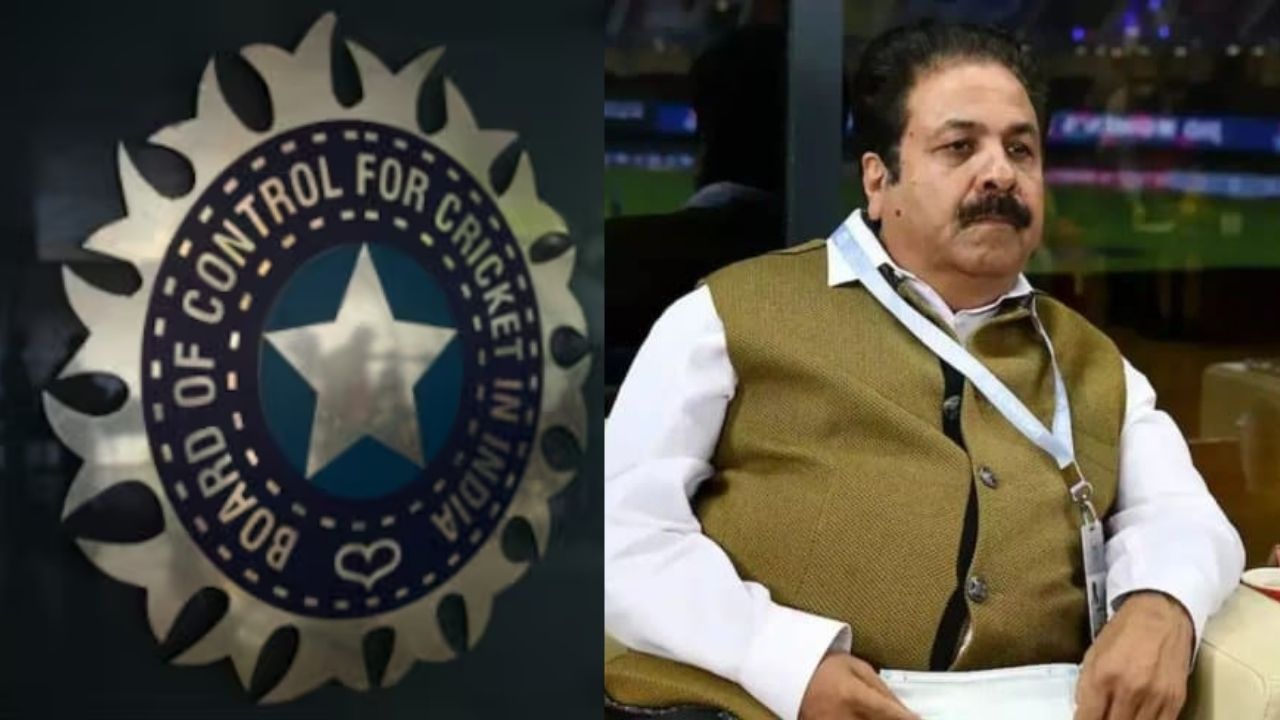
Rajeev Shukla Stays Quiet on Potential Inclusion of BCCI in National Sports Governance Bill
Amid speculation that the National Sports Governance Bill 2025 may bring the Board of Control for Cricket in India (BCCI) under government oversight, BCCI vice-president Rajeev Shukla has chosen to withhold comments on the matter. Sources close to the Sports Ministry of India recently disclosed these possible changes, with the bill expected to be presented during the upcoming monsoon session of Parliament.
A Wait-and-See Approach
Speaking to reporters from ANI, Shukla expressed his intention to reserve judgment until a thorough review of the bill. “We will have to study the bill after it’s introduced. Only then can I express my views on it,” he stated. The bill aims to establish a legal framework to ensure transparent and fair operations of sports organizations, a crucial step with the 2028 Los Angeles Summer Olympics on the horizon.
Furthermore, the bill emphasizes the importance of athlete representation in decision-making processes, addressing issues like frequent litigation over elections and selections, insufficient athlete representation, and gender imbalance in sports leadership. The government’s envisioned role is that of a facilitator rather than a controller, marking a significant shift in sports governance in India.
Potential Implications for BCCI
Currently registered under the Tamil Nadu Societies Registration Act, the BCCI operates independently without direct government funding. However, the bill’s scope may encompass the cricket board, possibly subjecting it to regulations like the Right to Information (RTI) Act. This move could bring greater transparency and accountability to the BCCI, aligning it with the broader mandates of the National Sports Governance Bill.
Asia Cup 2025 Hosting Uncertainty
Meanwhile, the BCCI awaits clarity on hosting the Asia Cup 2025, a tournament clouded by uncertainty due to geopolitical tensions. While India was slated to host the event, issues surrounding Pakistan’s participation have thrown the tournament into doubt. Despite pressure from the Asian Cricket Council, the BCCI has not issued an official statement on the matter, awaiting the Indian government’s green signal.
The Asia Cup, originally scheduled for September, faces potential relocation amid the persistence of unresolved issues. The BCCI’s request to move the Annual General Meeting outside Dhaka, Bangladesh, remains unaddressed by the ACC, adding further complexity to the situation. As the BCCI continues to navigate these challenges, the fate of the Asia Cup 2025 hangs in the balance.
Overall, the convergence of regulatory changes and sporting events underscores the evolving landscape of Indian cricket governance, setting the stage for potential transformations in the way sports organizations operate and are governed in the country.
The Impact of Potential BCCI Inclusion in National Sports Governance Bill
If the Board of Control for Cricket in India (BCCI) becomes subject to the National Sports Governance Bill 2025, it could signify a significant shift in the governance of cricket in the country. As one of the wealthiest and most powerful cricket boards globally, the inclusion of BCCI under government oversight could set a precedent for other sports organizations in India. This move may lead to enhanced transparency, accountability, and inclusivity within the BCCI, aligning it more closely with international standards of sports governance.
Under the proposed bill, the BCCI may face new regulations and requirements, such as financial disclosures, athlete representation mandates, and adherence to government guidelines. While the BCCI has historically operated autonomously, the potential changes could bring about a more structured and regulated approach to the management of cricket in India. This evolution could have far-reaching implications for the cricketing landscape, shaping the future of the sport in the country.
Challenges Surrounding Asia Cup 2025 Hosting
The uncertainty surrounding the hosting of the Asia Cup 2025 reflects the intricate geopolitical dynamics that often impact sports events in the region. The geopolitical tensions between India and Pakistan have cast a shadow over the tournament, raising questions about the feasibility of hosting the event in the current climate. The BCCI’s careful approach in awaiting government directives underscores the complexities involved in navigating sensitive issues that transcend sports.
In addition to geopolitical considerations, logistical challenges such as venue selection and scheduling further complicate the planning process for the Asia Cup. The BCCI’s efforts to seek alternative solutions demonstrate the organization’s commitment to ensuring the successful execution of the tournament amidst challenging circumstances. As discussions continue and decisions are deliberated, the fate of the Asia Cup remains uncertain, highlighting the intricate interplay between sports, politics, and diplomacy.
Future of Sports Governance in India
The proposed National Sports Governance Bill 2025 represents a notable step towards enhancing the regulatory framework governing sports organizations in India. By emphasizing transparency, athlete representation, and government facilitation, the bill aims to address longstanding issues within the sports sector and promote a more inclusive and accountable governance model. If implemented effectively, these changes could pave the way for a more robust and sustainable sports ecosystem in the country.
As stakeholders await further developments regarding the bill and its potential implications for the BCCI and other sports bodies, the landscape of sports governance in India stands on the cusp of transformation. The convergence of regulatory reforms with the challenges of hosting international events underscores the complex and dynamic nature of sports administration in the country. Moving forward, the outcomes of these deliberations will shape the future trajectory of sports governance and administration in India.
In conclusion, the intersection of regulatory reforms, geopolitical considerations, and sporting events underscores the multifaceted nature of sports governance in India. As the country navigates these complexities, opportunities for innovation, collaboration, and progress emerge, signaling a potentially transformative period for the sports industry in India.
Latest News
Yograj Singh makes blunt remark at Virat Kohli and Rohit Sharma over early retirement calls
Bhuvneshwar Kumar on brink of IPL history, needs two wickets for massive milestone
IPL to be broadcasted? Bangladesh government drops massive update on IPL broadcast ban

SRH fans to boycott IPL? Former India cricketer shares insights on social media drama around Abrar Ahmed
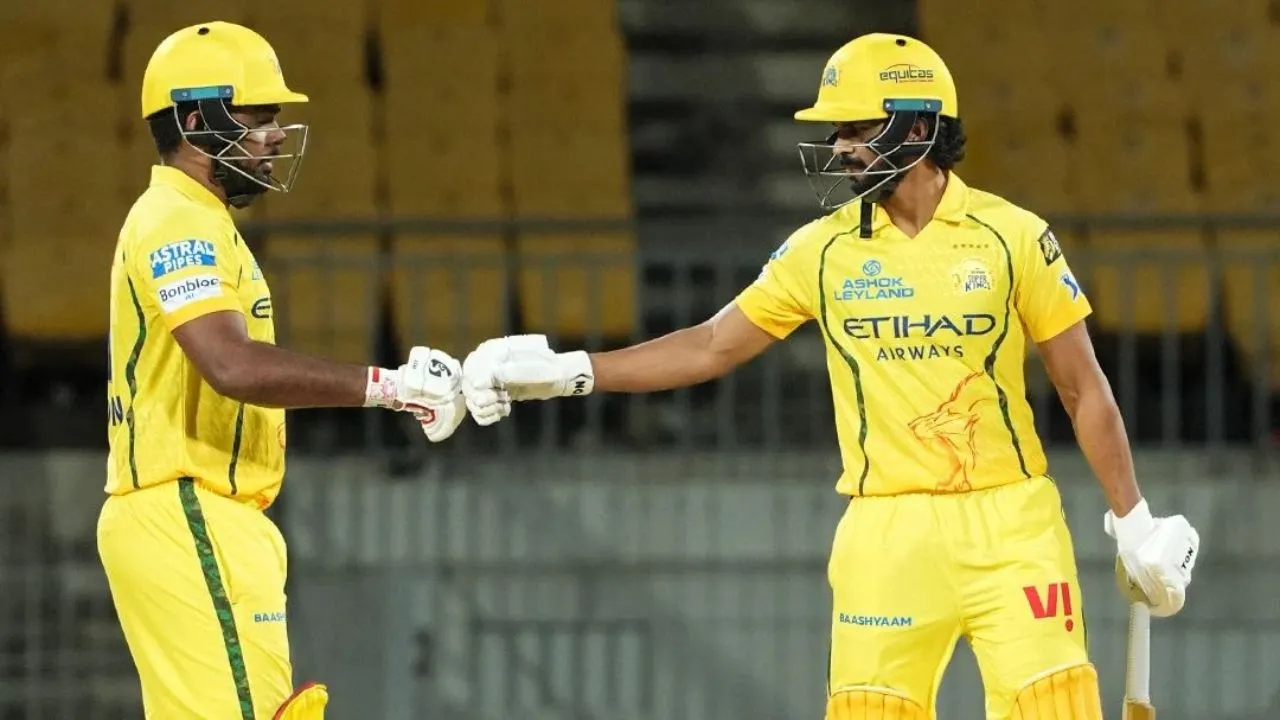
“Explore this opportunity”: Ruturaj Gaikwad shares inside story of convincing Sanju Samson to join CSK

KKR pacer snubs Rohit Sharma, Virat Kohli, picks MI star as most difficult batter he’s bowled to

PSL drama erupts! Pakistan great blasted for “lack of manners” after embarrassing ex-England star
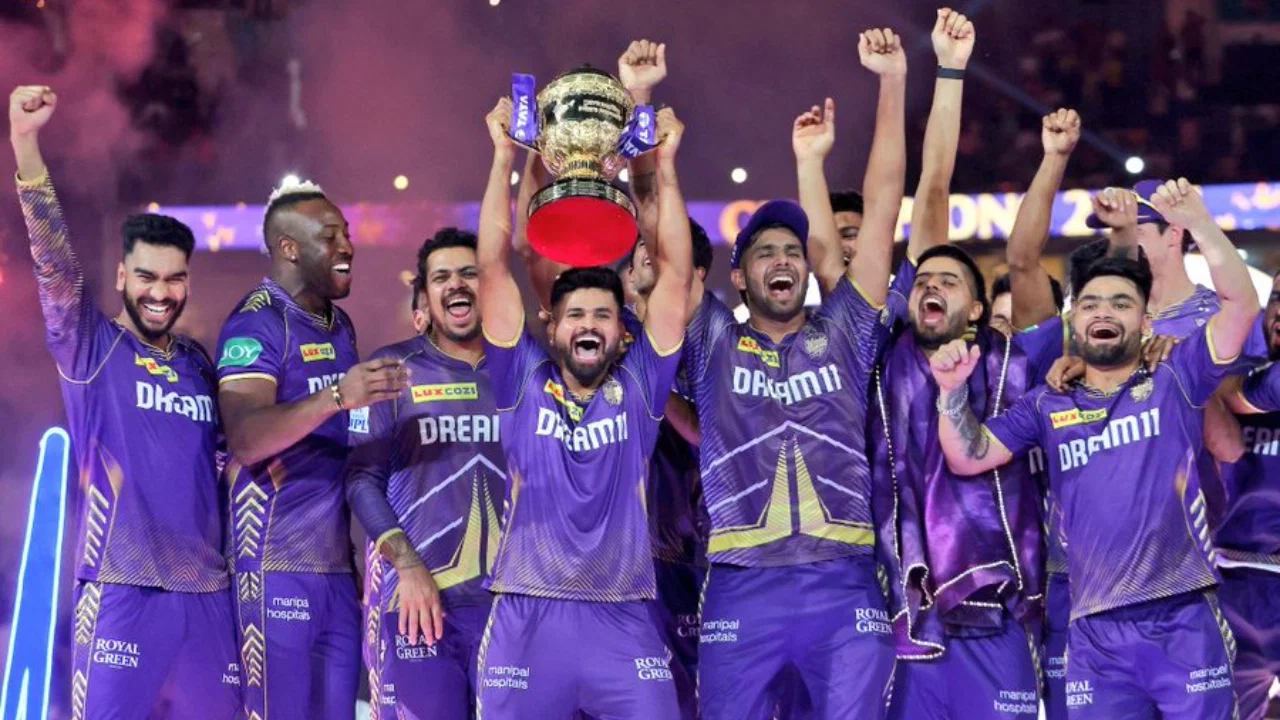
“2024 mein woh underrated the” – Vaibhav Arora on Shreyas Iyer not getting credit for KKR title win

Devon Conway settles IPL vs PSL debate once and for all
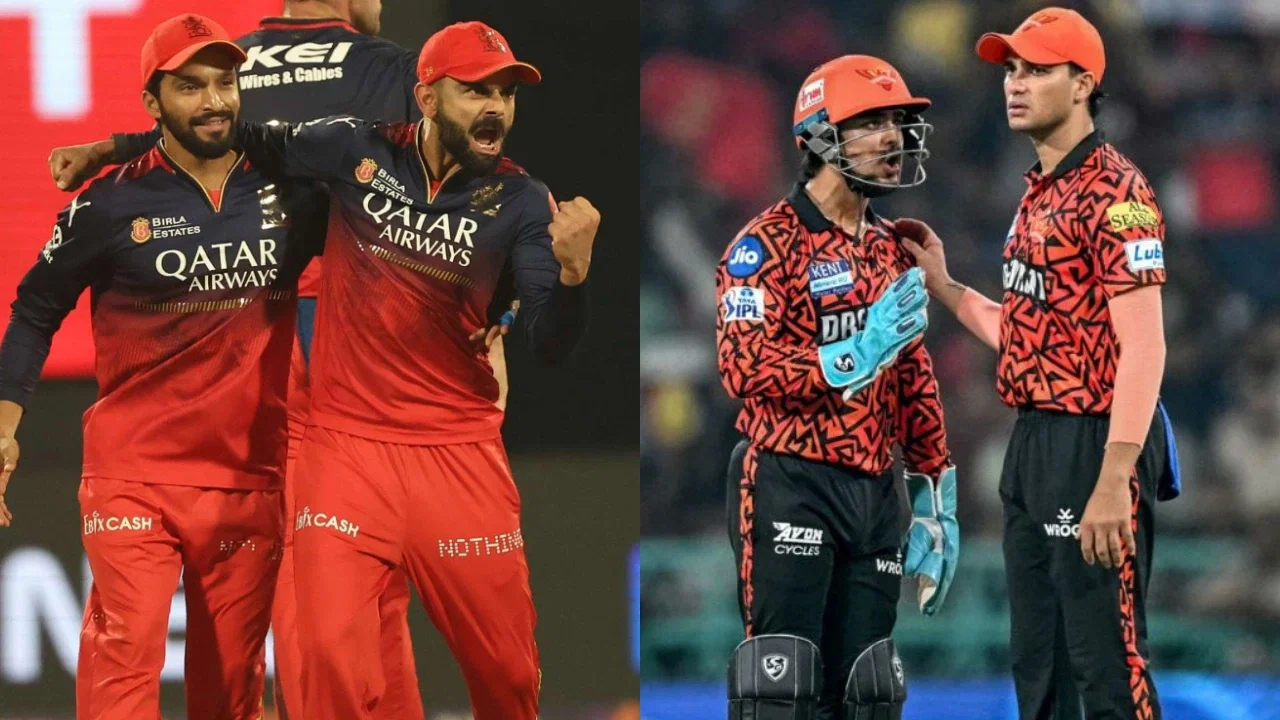
Ex-CSK star’s shocking claim on RCB vs SRH match ahead of IPL 2026

Misbah-ul-Haq takes legal action against Ahmed Shehzad over defamation claims
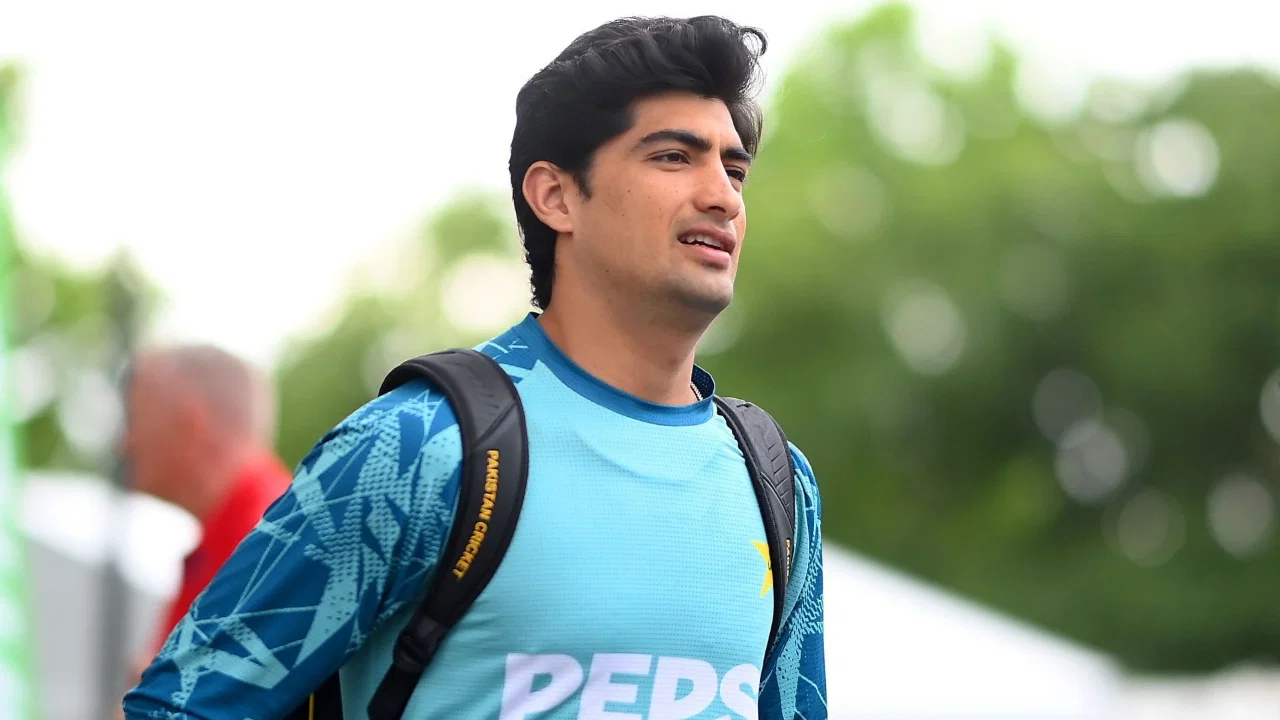
Naseem Shah charged with central contract violation during PSL 2026
MS Dhoni out of IPL 2026, has not recovered from calf strain

Jasprit Bumrah set to lead MI attack in blockbuster IPL 2026 clash vs KKR