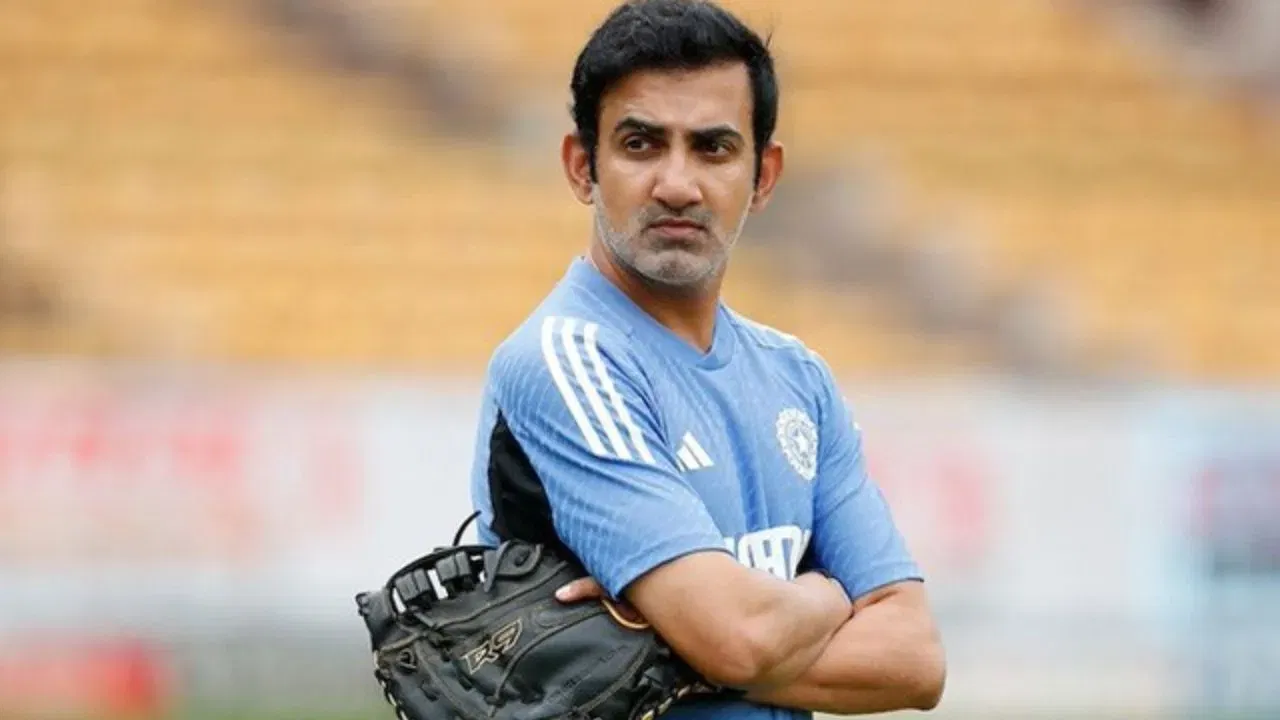
Asia Cup 2025- BCCI denies clearance; venue sealed
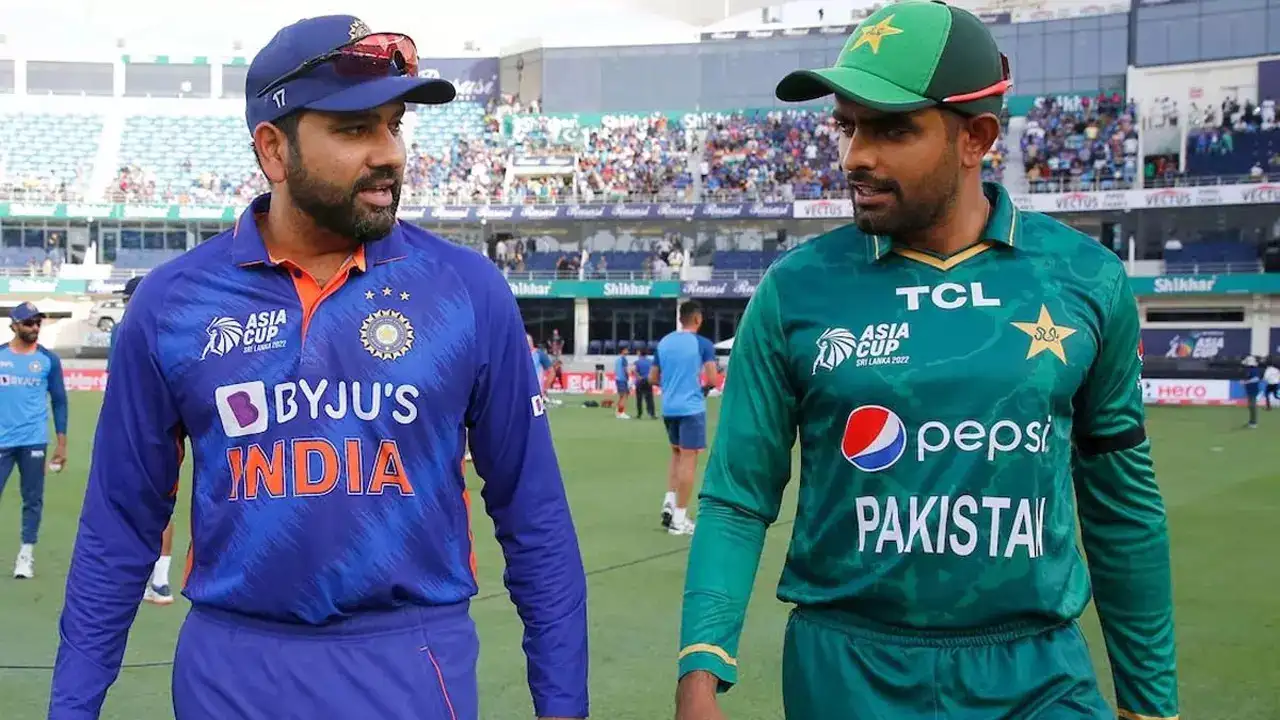
India’s Participation in 2025 Asia Cup Still Uncertain Amidst Speculation
There has been much speculation surrounding India’s participation in the upcoming 2025 Asia Cup, with the Board of Control for Cricket in India (BCCI) denying rumors of withdrawal. The uncertainty comes amidst ongoing political tensions between India and Pakistan, leading to questions about the potential exclusion of certain teams from the event.
Promotional Poster Sparks Controversy
A promotional poster for the Asia Cup recently went viral on social media, featuring only two teams – India and Sri Lanka. The absence of Pakistan from the poster sparked speculation about their potential exclusion from the tournament, which is set to be hosted by the BCCI. Given the strained relations between India and Pakistan, many found the omission of Pakistan from the poster plausible.
Asia Cup 2025 Details
Cricket Pakistan has reported that the Asia Cup 2025 is scheduled to be held from September 12 to 28 in the UAE. Due to an existing agreement between the BCCI and the PCB, India and Pakistan will only face each other in neutral venues. The UAE is likely to be the confirmed choice for hosting the tournament, with Sri Lanka also considered as a potential co-host.
BCCI’s Stance on Participation
Despite rumors suggesting that India may skip the tournament, BCCI Secretary Devajit Saikia dismissed these claims. The BCCI is still awaiting clearance from the Indian government regarding their participation in the event. A BCCI official has clarified that there have been no discussions about boycotting matches, emphasizing that India continues to play Pakistan in ICC events unless instructed otherwise by the government.
Final Decision Awaited
The final decision on India’s participation in the Asia Cup is expected to be made in the coming days. If India were to forfeit a game against Pakistan, the PCB may respond similarly in future tournaments. However, excluding India from the event is seen as unfeasible due to the financial and broadcast implications it would bring.
Conclusion
With the uncertainty surrounding India’s participation in the 2025 Asia Cup, cricket fans are eagerly awaiting a final decision from the BCCI. The political tensions between India and Pakistan continue to cast a shadow over the tournament, raising questions about the future of cricketing relations between the two nations. As the cricketing world watches closely, the outcome of this situation will have significant implications for the sport in the region.
India-Pakistan Cricket Relations: A Historical Perspective
India and Pakistan have a long and storied cricketing rivalry that dates back to their first Test match in 1952. Over the years, matches between the two nations have been highly anticipated and fiercely contested, often showcasing the best of cricketing talent from both sides. However, the political tensions between the two countries have frequently spilled over into the realm of sports, leading to disruptions in cricketing ties.
One of the most significant incidents that strained India-Pakistan cricket relations was the 2008 Mumbai attacks, which led to the suspension of bilateral cricketing ties between the two nations. Since then, India and Pakistan have only faced each other in multi-team tournaments like the Asia Cup and ICC events, playing on neutral grounds to avoid any potential security risks or political controversies.
The Impact of Political Relations on Cricket
The political landscape between India and Pakistan often influences the sporting decisions made by both countries. In the past, instances of cross-border tensions or conflicts have led to the cancellation or relocation of cricket matches between the two nations. The Asia Cup, being a platform where both teams come face to face, is particularly vulnerable to the impact of political developments.
While cricket has often been seen as a uniting force that transcends borders and fosters goodwill between nations, it is also subject to the geopolitical realities that govern international relations. The uncertainty surrounding India’s participation in the 2025 Asia Cup underscores the complex interplay between sports and politics, highlighting the challenges faced by cricket administrators in navigating these dynamics.
The Future of India-Pakistan Cricketing Relations
Despite the current uncertainties surrounding the 2025 Asia Cup, there remains hope for the resumption of bilateral cricketing ties between India and Pakistan in the future. Cricket fans on both sides of the border eagerly await the opportunity to witness their teams compete in thrilling contests that have defined the cricketing landscape of the subcontinent.
Efforts to separate politics from sports and promote cricketing diplomacy have been ongoing, with initiatives like the Pakistan Super League (PSL) and the Indian Premier League (IPL) providing platforms for players from both countries to showcase their talent and foster camaraderie beyond national boundaries. These initiatives serve as reminders of the shared passion for cricket that unites fans and players, regardless of political differences.
Conclusion: The Power of Cricket in Bridging Divides
As the final decision on India’s participation in the 2025 Asia Cup looms, it is essential to recognize the role that cricket plays in bridging divides and fostering a sense of unity among nations. While political tensions may create obstacles in the path of sporting competitions, the spirit of cricket has the potential to transcend these challenges and bring people together in a shared love for the game.
Regardless of the outcome of the current speculation surrounding the Asia Cup, the enduring legacy of the India-Pakistan cricketing rivalry serves as a testament to the power of sport in transcending barriers and building connections that go beyond borders. As cricket enthusiasts eagerly await the resolution of the current uncertainty, the hope remains for a future where cricket can continue to serve as a beacon of friendship and understanding between nations.
Latest News
Prithvi Shaw declares his mission to return to team India begins from IPL 2026
Irfan Pathan questions Arshdeep Singh’s bowling ahead of IPL 2026
“Mind is somewhere else”: Yuvraj’s Father exposes Abhishek Sharma’s indiscipline lifestyle
EX-RCB pacer joins KKR as replacement of Harshit Rana ahead of IPL 2026

“Win our first trophy”: Sanjiv Goenka crowns LSG as champions ahead of IPL 2026
New catching rule? Captains warned over ‘Incomplete’ catches ahead of IPL 2026

Pat Cummins in awe of Ishan Kishan’s captaincy
Ex-India star accuses teammates of ‘Racism’, blames it for early international exit
“I love watching Shreyas Iyer bat” – PBKS all-rounder Cooper Connolly ahead of IPL 2026
Yograj Singh gives Ravichandran Ashwin belt treatment because of Arjun Tendulkar remarks
CSK legend advises Shubman Gill the best way to bounce back in T20I team
Jasprit Bumrah Injury Scare, reason behind visit to CoE revealed
“Didn’t invite me”: R Ashwin puts Kuldeep Yadav in spotlight over wedding snub
Ireland Cricket announced the full list of central contracts for the 2026-27 season