Asia Cup 2025 in jeopardy as BCCI, 3 others boycott Dhaka ACC meeting, Mohsin Naqvi humiliated
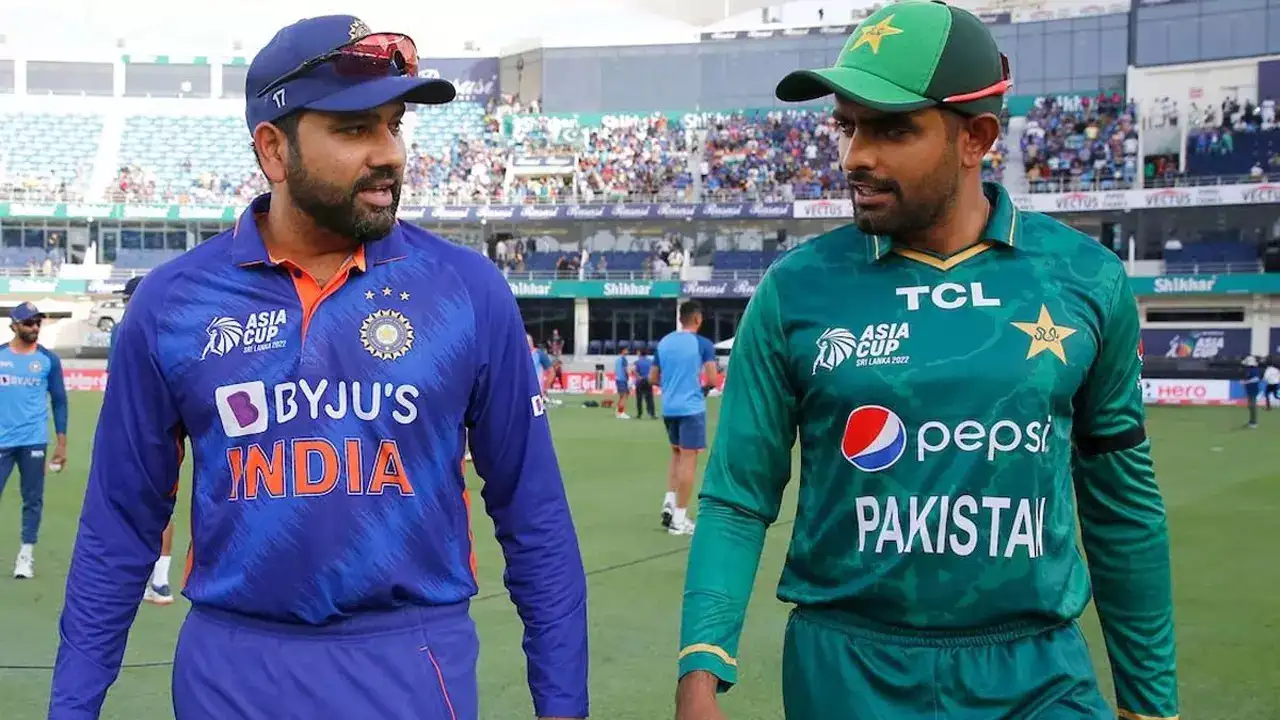
**Asia Cup 2025 in Peril as BCCI Boycotts ACC Meeting in Dhaka**
The highly anticipated Asia Cup 2025 hangs in the balance as the Board of Control for Cricket in India (BCCI) has decided to boycott the upcoming Asian Cricket Council (ACC) meeting scheduled to take place in Dhaka on July 24. This move has thrown the future of the tournament into uncertainty and raised concerns among cricket enthusiasts across the region.
**Political Tensions Cast Doubt on Asia Cup 2025**
India is slated to host the next edition of the Asia Cup, with the tournament expected to kick off on September 5 and culminate in the final match on September 21. However, escalating political and diplomatic tensions between India and Bangladesh have cast a shadow of doubt over the event. The recent decision by the BCCI to postpone India’s white-ball tour of Bangladesh, originally set for August, to 2026 has further fueled speculation about the fate of the Asia Cup.
**BCCI Takes a Stand Against Dhaka Meeting**
The BCCI has made it clear to both the ACC and PCB Chairman Mohsin Naqvi that it will not participate in the upcoming meeting in Dhaka. Sources close to the matter revealed that the BCCI has urged for a change in venue but has received no response so far. This stance by the Indian cricket board has thrown a wrench in the plans for the ACC meeting and has put the future of the Asia Cup in jeopardy.
**Pressure Mounts Ahead of Scheduled Meeting**
Despite concerns raised by cricket boards of Sri Lanka, Oman, and Afghanistan over the Dhaka venue, ACC Chairman Mohsin Naqvi remains steadfast in his decision to hold the meeting in the Bangladeshi capital. This has led to speculation that Naqvi is using the venue as a means to put pressure on India regarding Asia Cup-related matters. With the meeting just days away and no official communication regarding a venue change, the situation remains tense and uncertain.
**Historical Impact of Politics on Asia Cup**
Political tensions have historically played a pivotal role in shaping the Asia Cup tournament. Past editions have seen teams withdrawing or venues being shifted due to strained relations between participating countries. India’s absence from the 1986 edition and Pakistan pulling out of the 1990 event hosted by India are just a few examples of how politics has affected the tournament over the years.
**Uncertain Future Looms for Asia Cup**
With the Asia Cup’s future hanging in the balance, cricket fans are left wondering whether the tournament will go ahead as planned in September. The United Arab Emirates has emerged as a potential alternative venue, given the strained relations between the BCCI and PCB. As the countdown to the scheduled meeting in Dhaka continues, all eyes are on the ACC to provide clarity on the situation and ensure the future of the Asia Cup.
In conclusion, the Asia Cup 2025 faces an uncertain future as political tensions, venue disputes, and board boycotts threaten to derail one of the most anticipated cricket tournaments in the region. As stakeholders await further developments, the fate of the Asia Cup hangs in the balance, leaving fans and players alike on edge.
**Potential Consequences of BCCI Boycott**
The BCCI’s decision to boycott the ACC meeting in Dhaka could have far-reaching consequences beyond the Asia Cup 2025. The strained relations between India and Bangladesh could impact future bilateral series, the scheduling of international tournaments, and overall cricket diplomacy in the region. This move by the BCCI sends a strong message about the importance of resolving political differences before sports can be conducted smoothly.
**Regional Dynamics at Play**
The geopolitical landscape of South Asia is complex, with historical rivalries and contemporary conflicts shaping the relations between cricket-playing nations in the region. India’s dominance in the cricketing world and its influence within the International Cricket Council (ICC) adds another layer of complexity to the situation. The power dynamics among cricket boards and the push and pull of national interests often spill over into the sports arena, affecting tournament schedules, hosting rights, and player participation.
**Navigating Diplomatic Challenges in Cricket**
Cricket has long been used as a diplomatic tool to bridge divides and foster goodwill between nations. The Asia Cup, in particular, has been a platform for cricketing nations to come together, showcase their talents, and promote unity through sport. However, when politics enters the equation, as it has in the case of the India-Bangladesh standoff, the spirit of sportsmanship can be overshadowed by diplomatic tension.
**The Role of the ACC in Resolving Disputes**
As the governing body for cricket in Asia, the ACC plays a crucial role in mediating disputes, facilitating dialogue between member boards, and ensuring the smooth functioning of tournaments. The upcoming meeting in Dhaka was expected to address key issues related to the Asia Cup 2025, including the schedule, venues, and participation of teams. The refusal of the BCCI to attend the meeting raises questions about the ACC’s ability to effectively manage conflicts and maintain the integrity of regional cricket competitions.
**Looking Ahead: Potential Solutions**
In the face of uncertainty surrounding the Asia Cup 2025, stakeholders must come together to find a path forward that prioritizes the spirit of cricket and the interests of fans. Alternative venues, revised schedules, and diplomatic interventions may be necessary to salvage the tournament and preserve the legacy of the Asia Cup. Collaborative efforts between cricket boards, government officials, and sports administrators could pave the way for a resolution that benefits all parties involved.
**The Future of Cricket Diplomacy**
Cricket diplomacy has the potential to transcend political barriers and bring nations together on the field of play. As discussions continue around the fate of the Asia Cup 2025, there is an opportunity for cricketing nations to demonstrate resilience, cooperation, and a shared commitment to the game. By navigating the complexities of regional dynamics and diplomatic challenges, the cricketing community can showcase the unifying power of sport and chart a course towards a brighter future for the Asia Cup and beyond.
Latest News

Prithvi Shaw declares his mission to return to team India begins from IPL 2026

Irfan Pathan questions Arshdeep Singh’s bowling ahead of IPL 2026
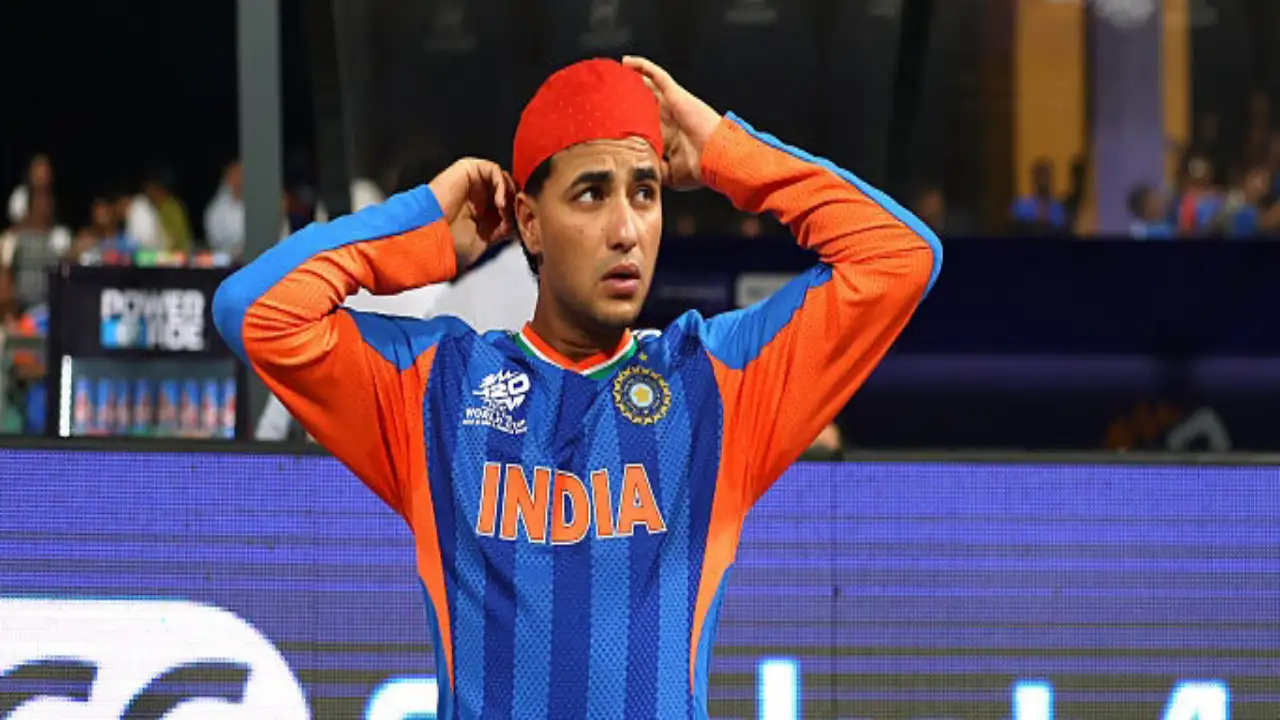
“Mind is somewhere else”: Yuvraj’s Father exposes Abhishek Sharma’s indiscipline lifestyle

EX-RCB pacer joins KKR as replacement of Harshit Rana ahead of IPL 2026

“Win our first trophy”: Sanjiv Goenka crowns LSG as champions ahead of IPL 2026
New catching rule? Captains warned over ‘Incomplete’ catches ahead of IPL 2026

Pat Cummins in awe of Ishan Kishan’s captaincy

Ex-India star accuses teammates of ‘Racism’, blames it for early international exit

“I love watching Shreyas Iyer bat” – PBKS all-rounder Cooper Connolly ahead of IPL 2026

Yograj Singh gives Ravichandran Ashwin belt treatment because of Arjun Tendulkar remarks

CSK legend advises Shubman Gill the best way to bounce back in T20I team

Jasprit Bumrah Injury Scare, reason behind visit to CoE revealed

“Didn’t invite me”: R Ashwin puts Kuldeep Yadav in spotlight over wedding snub

Ireland Cricket announced the full list of central contracts for the 2026-27 season