Asia Cup 2025 India Squad- BCCI given 2-captain theory; Shubman Gill to replace Suryakumar Yadav
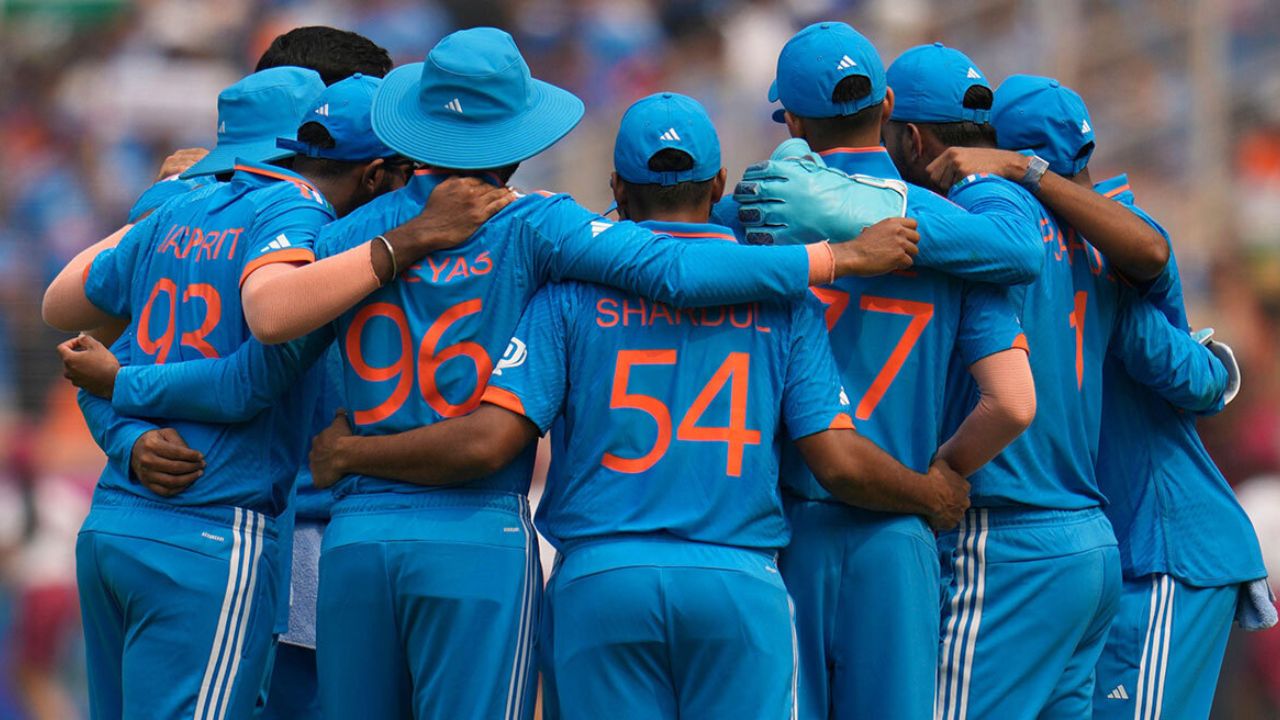
Aakash Chopra Questions India’s Three-Captain Strategy
Former Indian cricketer Aakash Chopra has raised concerns regarding India’s current leadership setup in cricket across different formats. He recently shared his thoughts on whether having three different captains for each format is the most effective approach for the Indian team.
Chopra’s Critique of the Three-Captain Formula
At present, Shubman Gill leads the Test team, Rohit Sharma captains the ODI squad after retiring from Test and T20I formats, while Suryakumar Yadav is at the helm in T20Is. Chopra believes that this three-way split may not be the ideal strategy for India and has suggested that the Board of Control for Cricket in India (BCCI) and the national selectors consider reducing it to two captains.
In a video on his YouTube channel, Chopra expressed his concerns, stating, “Shubman Gill in Test matches, Rohit Sharma in ODIs, and Suryakumar Yadav in T20Is—three formats and three captains. Is it right? Will there be any change in that? Will a captain be handed two formats? Will you start introducing Shubman Gill in T20s?” He also raised the possibility of Shubman Gill being appointed as the vice-captain in T20Is, potentially replacing Axar Patel.
Impact on Team Consistency
Chopra further questioned whether the current three-captain approach is affecting the team’s consistency on the field. He emphasized the importance of stability in leadership, stating that quick and instinctive decisions made by the captain play a crucial role in a team’s performance.
While many teams opt for different captains for red-ball and white-ball cricket, India has historically favored a single-captain policy. However, recent changes due to Sharma’s retirement from T20Is and Tests have led to separate captains for each format, potentially complicating matters for the players.
Concerns Over Changing Captains
Chopra warned that frequent changes in leadership may disrupt the team’s winning formula by forcing players to adapt to new strategies and mindsets with each captaincy switch. This constant adjustment could lead to confusion among the players and dilute the overall game plan.
Highlighting the potential challenges of having three captains, Chopra concluded, “If the players are overlapping and the captain changes every time and goes with a different thought process, it leads to dilution.”
Conclusion
In conclusion, Aakash Chopra’s critique of India’s three-captain strategy raises important questions about the team’s leadership setup and its impact on performance and consistency. As the Indian cricket team prepares for upcoming tournaments, the debate over whether to streamline the captaincy structure to two leaders continues to gather momentum.
Exploring the Role of Specialized Captains in Cricket
While Aakash Chopra’s concerns about India’s three-captain strategy are valid, it’s essential to consider the benefits of having specialized leaders for each format. In modern cricket, the demands of Test, ODI, and T20 cricket are distinct, requiring different skill sets and tactics from captains. By appointing captains who excel in specific formats, teams can leverage their expertise to optimize performance.
Specialized captains bring a deep understanding of the nuances of their respective formats, allowing them to tailor strategies to suit the requirements of Test matches, ODIs, or T20s. This specialization can lead to more effective game plans, better utilization of resources, and improved results on the field. Additionally, having captains who are well-versed in a particular format can inspire confidence in the team and foster a strong sense of leadership that resonates with the players.
Adapting to Changing Dynamics in Cricket
Cricket, like any sport, evolves over time, with new formats, rules, and playing conditions influencing the game. As such, teams must adapt their leadership structures to stay competitive and address the challenges posed by these changes. India’s decision to appoint different captains for each format reflects a proactive approach to catering to the diverse demands of modern cricket.
By embracing a three-captain strategy, India is not only acknowledging the unique requirements of Test, ODI, and T20 cricket but also preparing for the future by nurturing leaders who can excel in their designated formats. This adaptability is crucial in a dynamic sport like cricket, where strategies must evolve to meet the demands of varying playing conditions, opposition strengths, and match scenarios.
Fostering Leadership Development in Indian Cricket
One of the advantages of having multiple captains in the Indian team is the opportunity it presents for grooming future leaders. By entrusting different players with the role of captaincy across formats, the BCCI and national selectors are providing them with valuable leadership experience and preparing them for future responsibilities.
This leadership development approach not only benefits the individual players but also strengthens the overall leadership pipeline within Indian cricket. As players gain exposure to captaincy in different formats, they acquire a diverse set of skills, strategies, and decision-making abilities that can benefit them in their cricketing careers and beyond.
Striking a Balance Between Stability and Innovation
While stability in leadership is crucial for team cohesion and performance, innovation and flexibility are equally important in modern cricket. India’s three-captain strategy embodies a balance between stability and innovation, allowing the team to benefit from specialized leadership while fostering creativity and adaptability.
As the Indian cricket team navigates the complexities of managing multiple captains, it is essential to strike a balance between consistency in performance and the ability to evolve with the changing dynamics of the sport. By embracing the three-captain formula, India is positioning itself to excel across formats and maintain a competitive edge in international cricket.
Conclusion
In conclusion, while Aakash Chopra’s concerns about India’s three-captain strategy are valid, the decision to have specialized leaders for each format reflects a nuanced approach to leadership in modern cricket. By leveraging the strengths of different captains, India is poised to adapt to changing dynamics, foster leadership development, and strike a balance between stability and innovation. As the cricketing world evolves, India’s three-captain strategy may prove to be a strategic asset that enhances the team’s performance and competitiveness on the global stage.
Latest News

Mumbai Indians suffer blow! Mitchell Santner, Will Jacks ruled out of IPL 2026 games
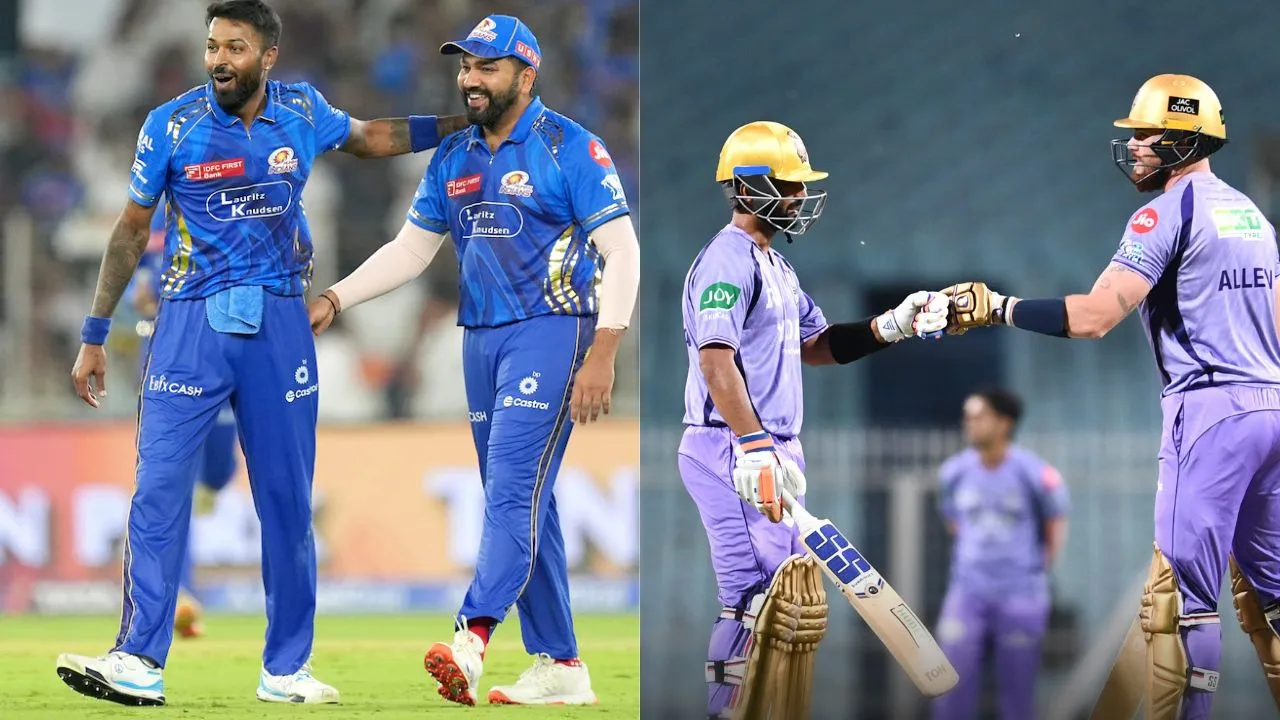
MI vs KKR Match Prediction – Who Will Win Match No.2? | IPL 2026
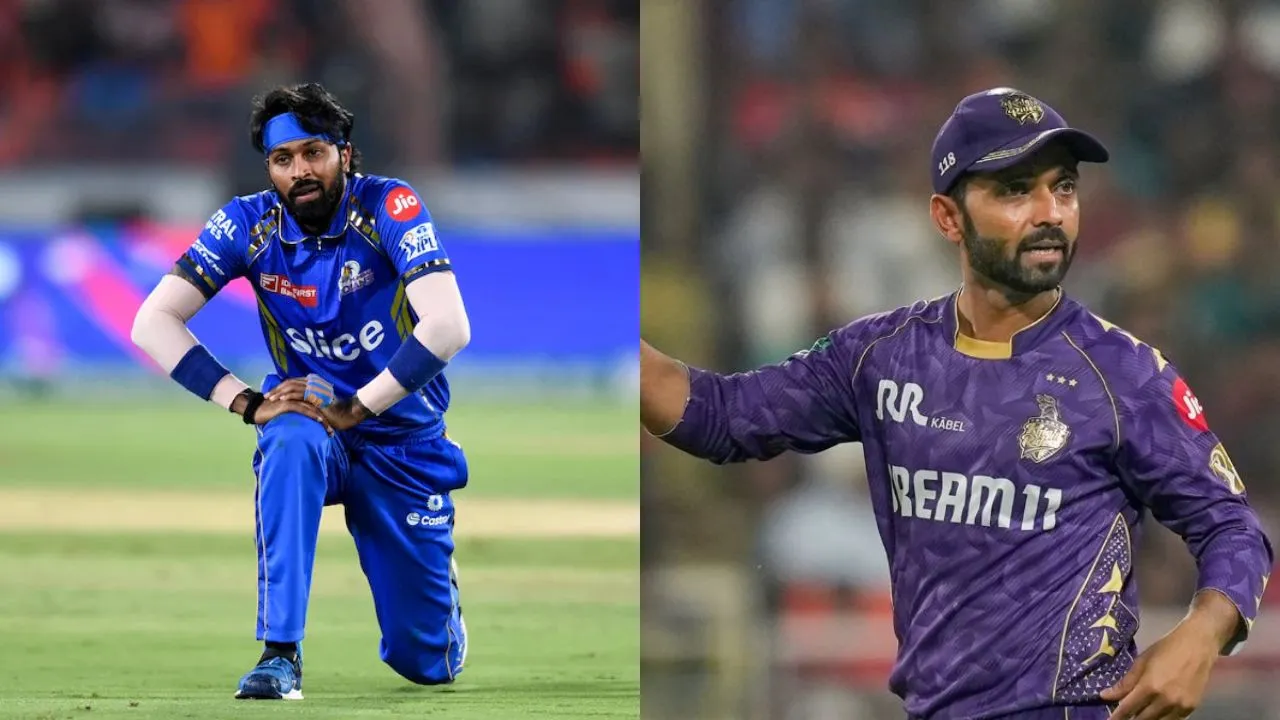
Mumbai Indians Playing XI vs Kolkata Knight Riders Playing XI- Match No. 2 | IPL 2026
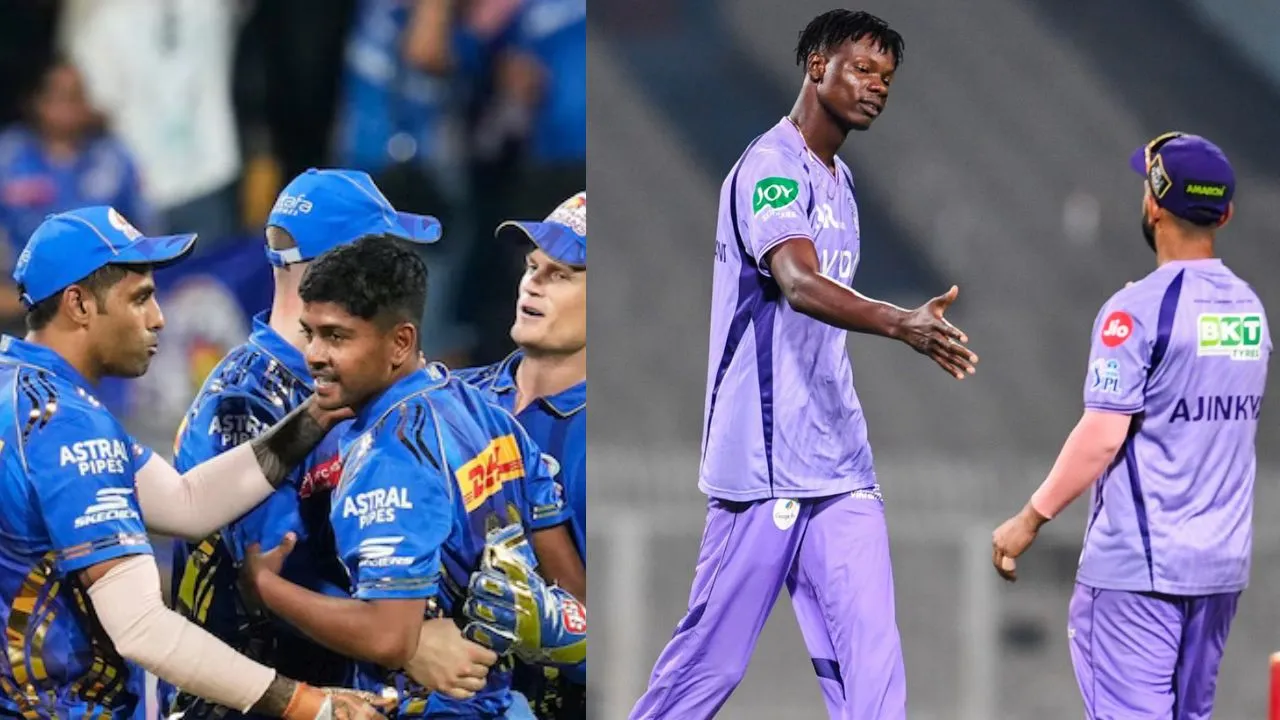
MI vs KKR Match 2 Preview: Free Live Streaming, Pitch & Weather Report, Head-to-Head | IPL 2026
Not English cricket! Jos Buttler credits IPL for his success as a cricketer
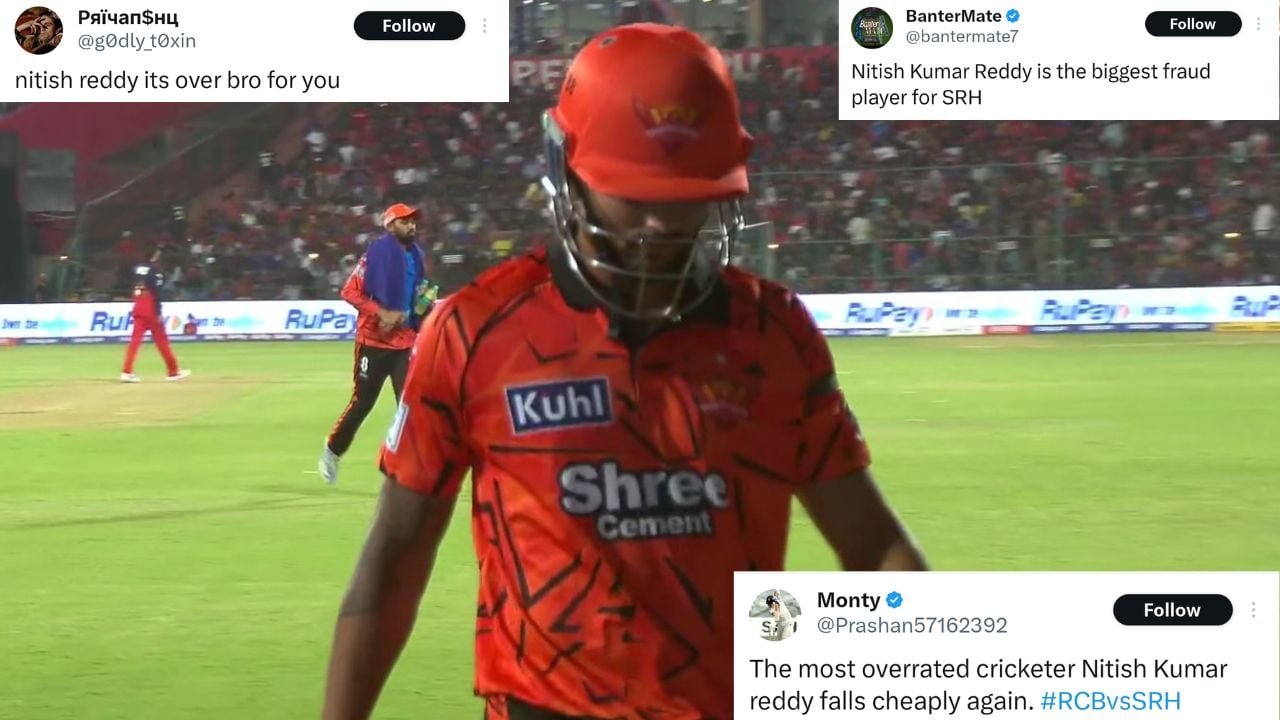
“Nitish Kumar Reddy is biggest fraud”: Fans fume as SRH star fails vs RCB in IPL 2026 opener
Who is Abhinandan Singh? The Virat Kohli troublemaker who made his IPL debut for RCB vs SRH
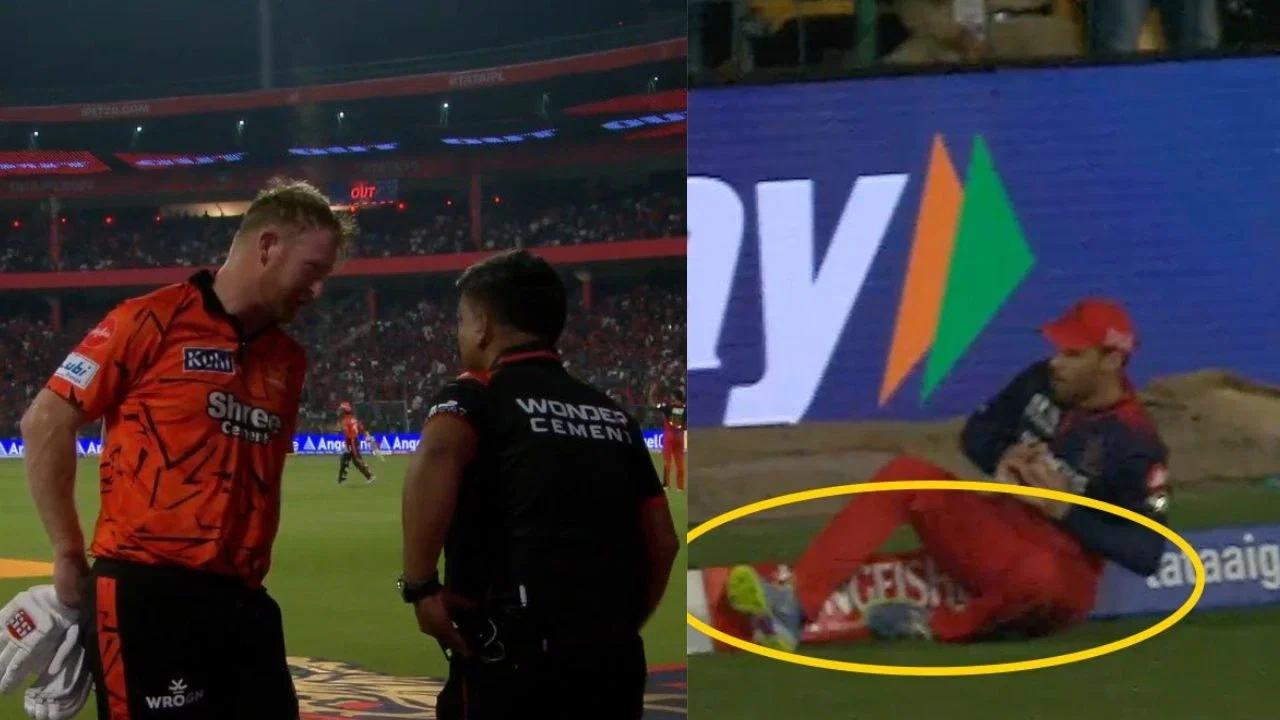
Heinrich Klaasen engages in heated chat with 4th umpire after Phil Salt’s controversial catch in IPL 2026
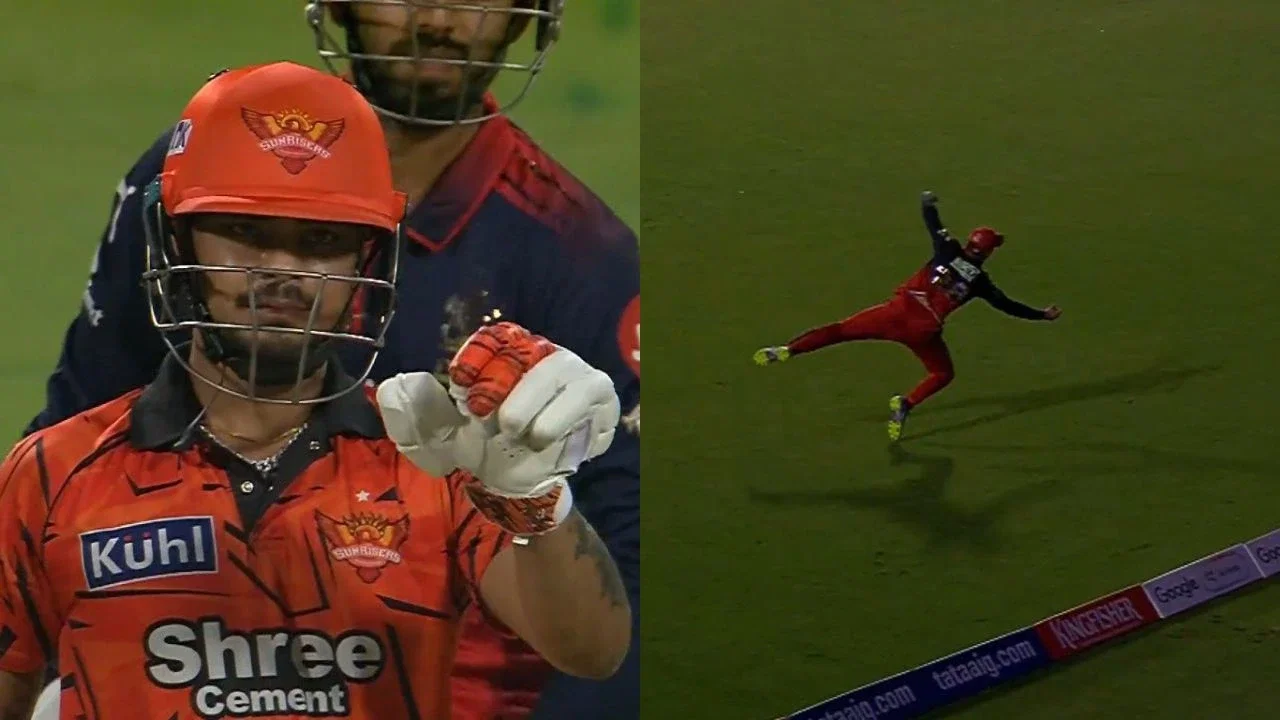
Phil Salt grabs one of the greatest catches in IPL history to dismiss Ishan Kishan
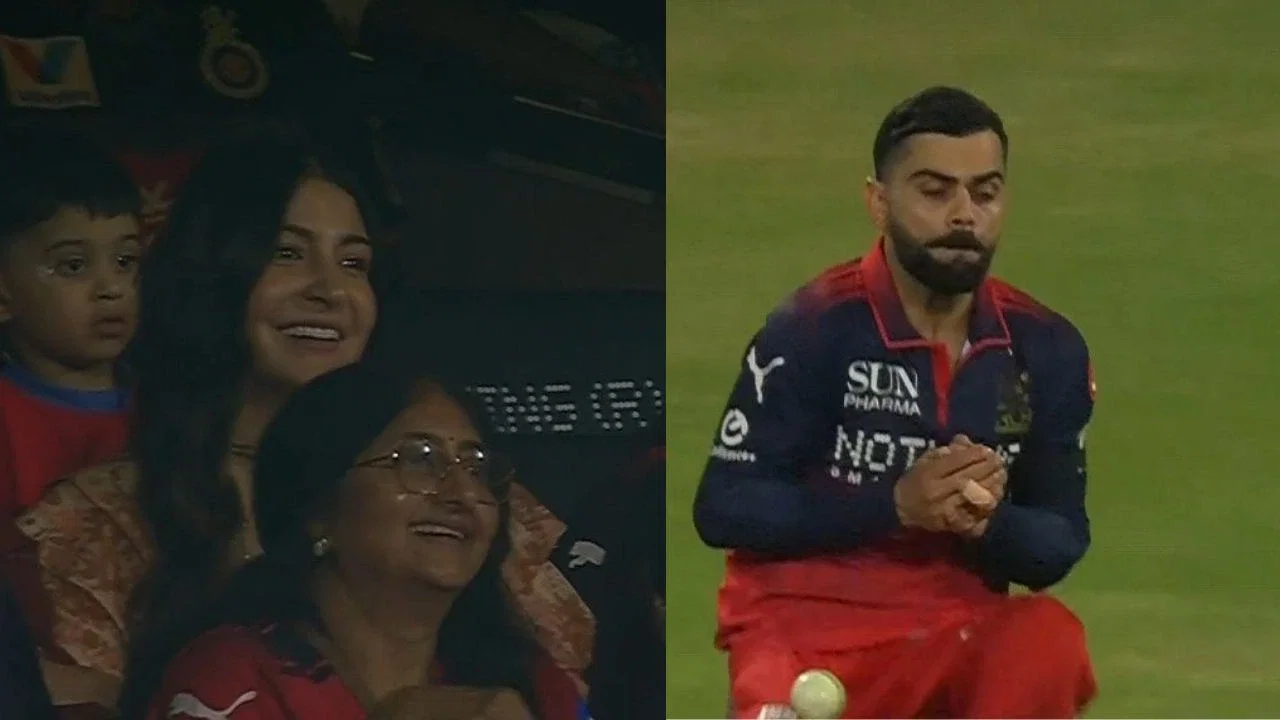
Anushka Sharma laughs as Virat Kohli drops a sitter in RCB vs SRH clash (Watch Video)
Anushka Sharma laughs as Virat Kohli drops a sitter in RCB vs SRH clash (Watch Video)
Anushka Sharma laughs as Virat Kohli drops a sitter in RCB vs SRH clash (Watch Video)
Anushka Sharma laughs as Virat Kohli drops a sitter in RCB vs SRH clash (Watch Video)
Anushka Sharma laughs as Virat Kohli drops a sitter in RCB vs SRH clash (Watch Video)