

Asia Cup 2025 India Squad- India selector onboard to name Shubman Gill all format captain
Former Selector Devang Gandhi Criticizes India’s Three-Captain System
Former Indian selector Devang Gandhi has expressed his concerns regarding the current structure of the India National Cricket Team, which features separate captains for each of the three formats of the game. This departure from the traditional approach of having a single captain for all formats has raised eyebrows within the cricketing community.
The Evolution of India’s Captaincy
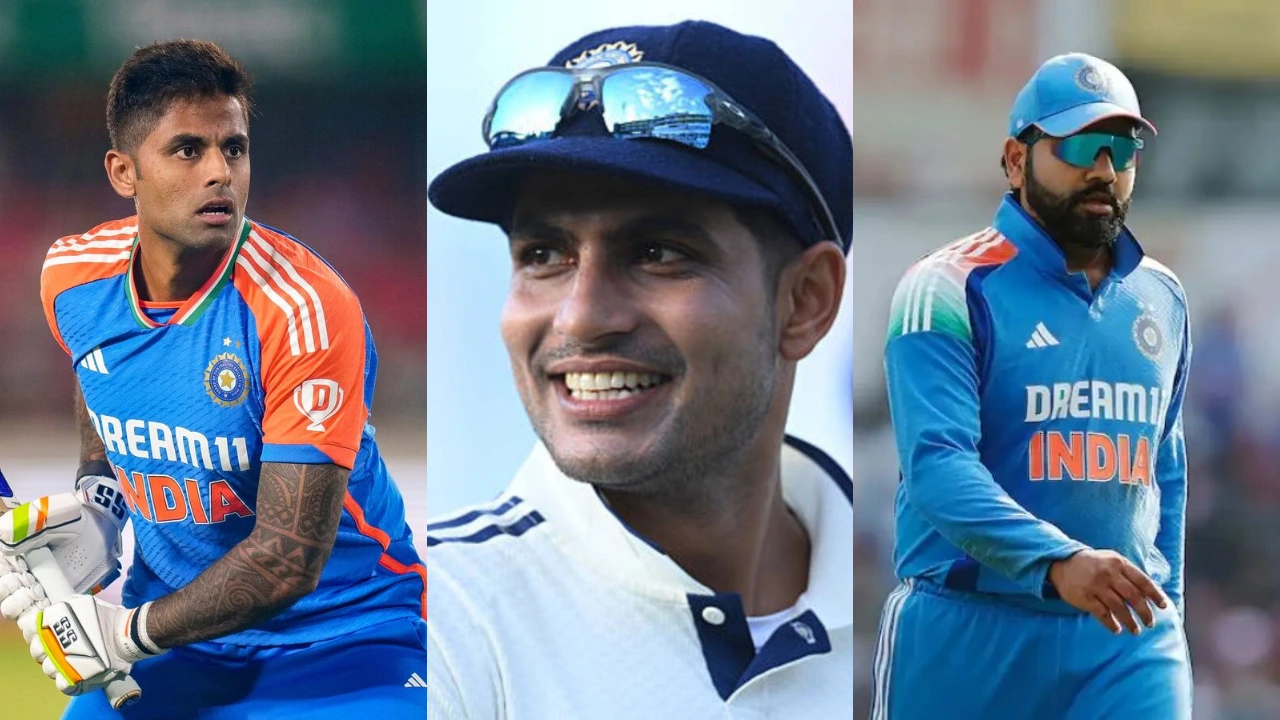
Currently, Rohit Sharma leads the ODI team, Shubman Gill is in charge of the Test team, and Suryakumar Yadav captains the T20I side. This shift in strategy came about after Rohit Sharma retired from T20I cricket following India’s triumph in the ICC T20 World Cup 2025. Suryakumar Yadav then took over as the T20I captain, while Rohit continued to lead in Tests and ODIs. However, in May 2025, Shubman Gill assumed the role of Test captain after Rohit’s retirement from the longest format of the game.
Devang Gandhi’s Critique
Devang Gandhi has spoken out against the split captaincy model adopted by the Board of Control for Cricket in India (BCCI). He believes that Shubman Gill is the ideal candidate to lead the Indian cricket team across all formats. Gandhi emphasized the importance of long-term planning, especially in selecting a captain for the T20I team post the 2026 T20 World Cup.
Gandhi praised Gill’s leadership qualities, noting that the young cricketer has been groomed under the mentorship of Virat Kohli and Rohit Sharma, similar to how they were guided by MS Dhoni. Gill’s consistent performances across formats and his ability to handle pressure have impressed Gandhi, who sees him as a potential captain capable of emulating the success of past all-format leaders.
The Argument for All-Format Captaincy
Gandhi highlighted India’s success under the leadership of all-format captains in the past, emphasizing the stability and consistency that this approach brings to the team. He urged the BCCI to entrust Shubman Gill with the captaincy across all three formats, citing the young cricketer’s impressive leadership during the Test series in England, where India managed to level the series.
According to Gandhi, split captaincy is not sustainable in the long run for India, as it disrupts the team’s thought process and hinders stability. He believes that Gill’s track record as a batter and his leadership qualities demonstrated in the IPL make him a strong candidate for the captaincy role in all formats.
In conclusion, Devang Gandhi’s critique of India’s three-captain system raises important questions about the team’s leadership structure and the need for a unified approach to captaincy. As the debate continues within the cricketing fraternity, all eyes will be on the BCCI’s future decisions regarding the captaincy of the Indian cricket team.
The Significance of Predicting Success in Captaincy
One key aspect that often gets overlooked in the discussion of captaincy is the ability to predict success in leadership roles. While past performance and experience are crucial factors in selecting a captain, predicting how well an individual will adapt to the challenges of leading a team across different formats is equally important. In the case of Shubman Gill, his steady rise through the ranks and his composure under pressure indicate that he has the potential to excel as an all-format captain.
When assessing candidates for the captaincy role, it is essential to look beyond just their on-field performances. Factors such as communication skills, strategic thinking, man-management abilities, and the capacity to inspire teammates are all key predictors of success in leadership positions. By evaluating these qualities in conjunction with a player’s cricketing skills, selectors can make more informed decisions regarding captaincy appointments.
The Role of Team Dynamics in Captaincy
Another factor to consider when evaluating the merits of a single versus multiple-captain approach is the impact on team dynamics. Having different captains for each format can lead to disjointed strategies, inconsistent messaging, and potential confusion among players. A unified leadership structure, on the other hand, fosters a cohesive team environment where players understand and buy into a shared vision for success.
Shubman Gill’s appointment as the all-format captain could potentially strengthen team dynamics by providing a consistent voice and direction across formats. This continuity in leadership can promote stability, build trust among players, and enhance overall team performance. By unifying the captaincy under Gill’s leadership, India could establish a strong foundation for sustained success in international cricket.
Looking Ahead: The Future of Indian Cricket
As the Indian cricket team navigates its way through a transitional phase with a new generation of players coming to the forefront, the choice of captain becomes even more crucial. Investing in a young, dynamic leader like Shubman Gill could set the tone for the team’s future trajectory and ensure a seamless transition as seasoned players retire or step back from leadership roles.
By aligning the captaincy structure with a long-term vision for success, the BCCI can instill confidence in the team and fans alike. Shubman Gill’s potential to lead India across all formats presents an exciting opportunity to build on the team’s rich legacy and continue to compete at the highest levels of international cricket.
Conclusion
In conclusion, the debate surrounding India’s three-captain system underscores the complexities involved in selecting the right leadership for a cricket team. While there are valid arguments for both split and all-format captaincy models, the key lies in making informed predictions about a player’s suitability for the role based on a holistic assessment of their skills, qualities, and potential impact on team dynamics.
As the cricketing world eagerly anticipates the BCCI’s decisions regarding the captaincy of the Indian team, the focus on prediction, team dynamics, and long-term planning will continue to shape discussions around leadership in the sport.
Latest News
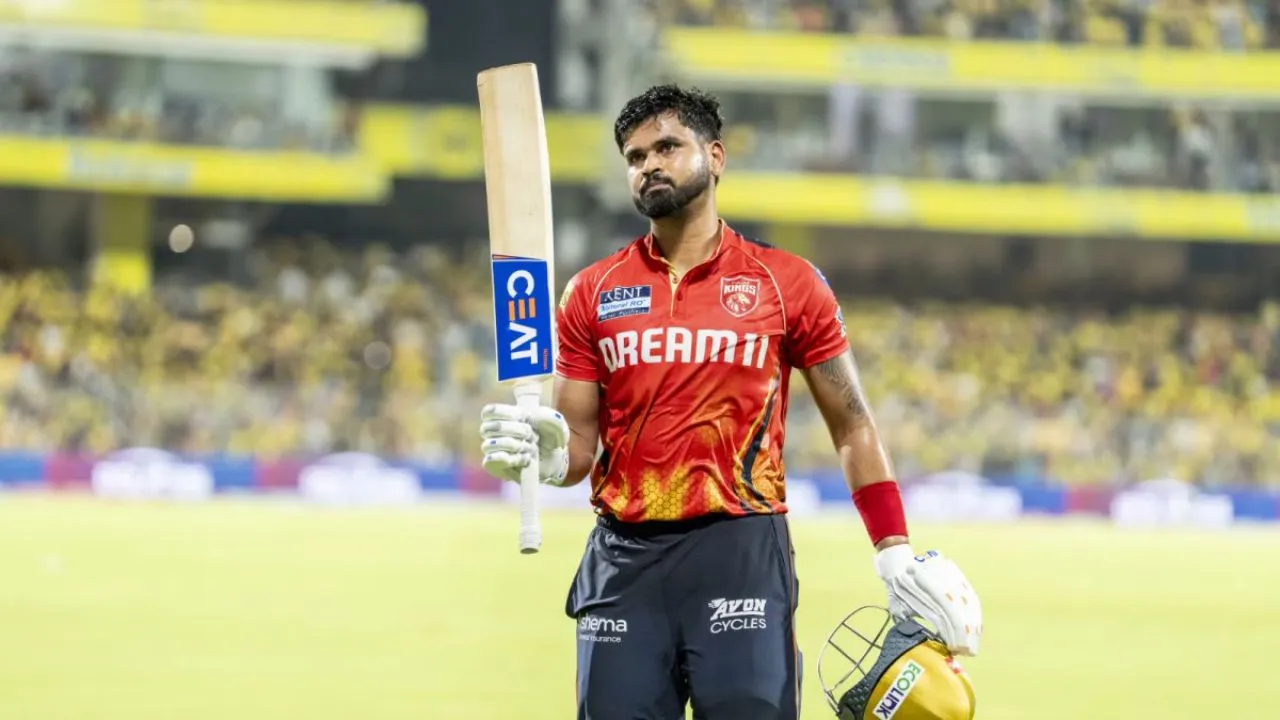
Punjab Kings penalised! Shreyas Iyer punished after win vs Gujarat Titans in IPL 2026
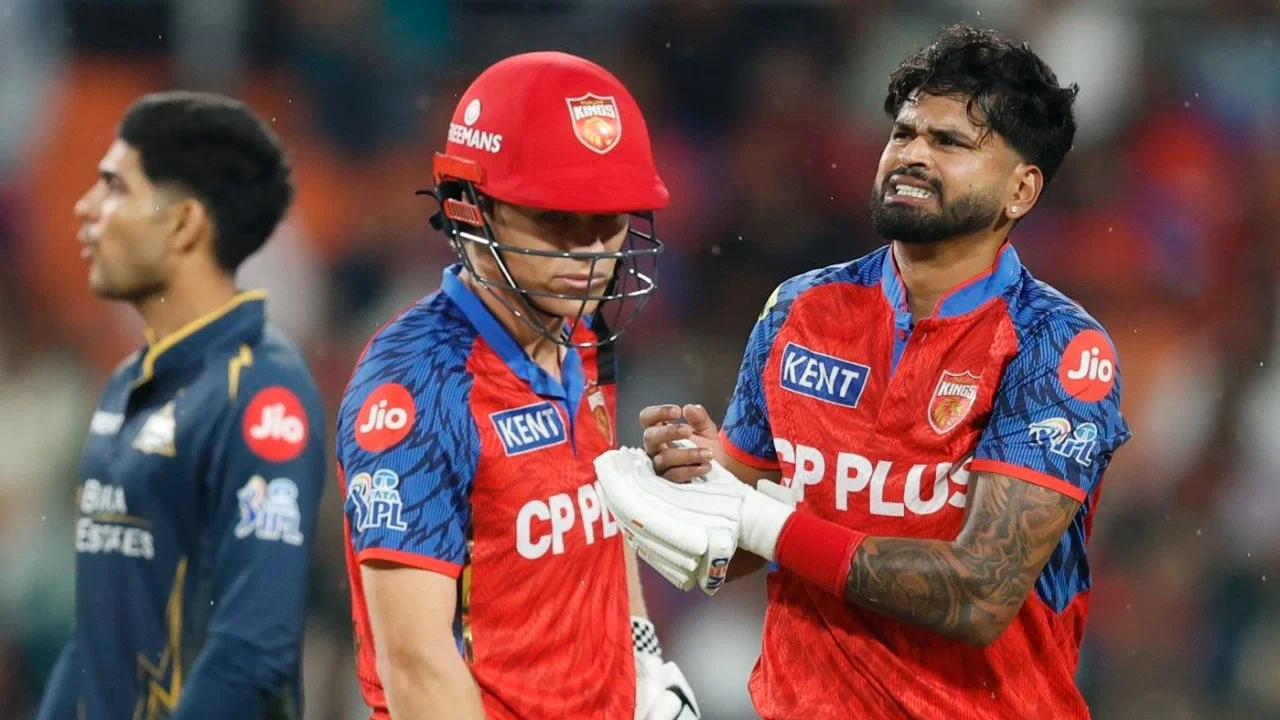
Shreyas Iyer injury update: Punjab Kings captain ruled out of IPL 2026?
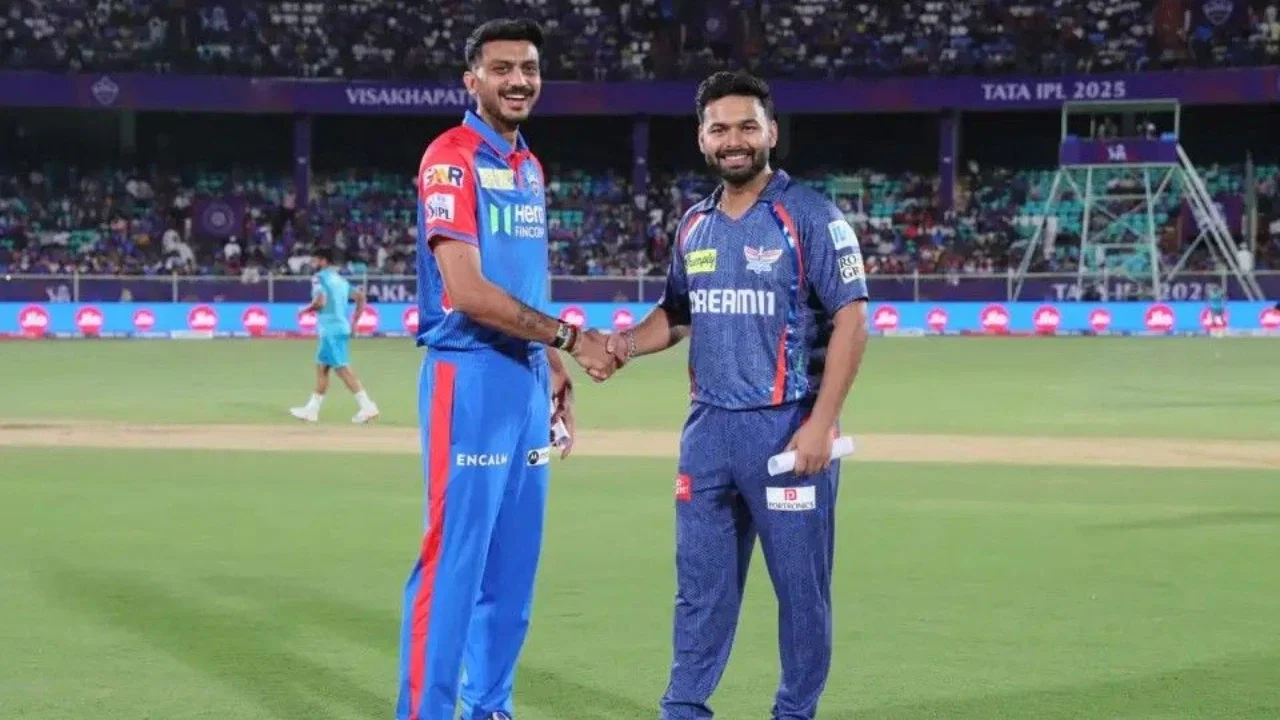
LSG vs DC Match No. 5 Preview: Free Live Streaming, Pitch & Weather Report, Head-to-Head | IPL 2026
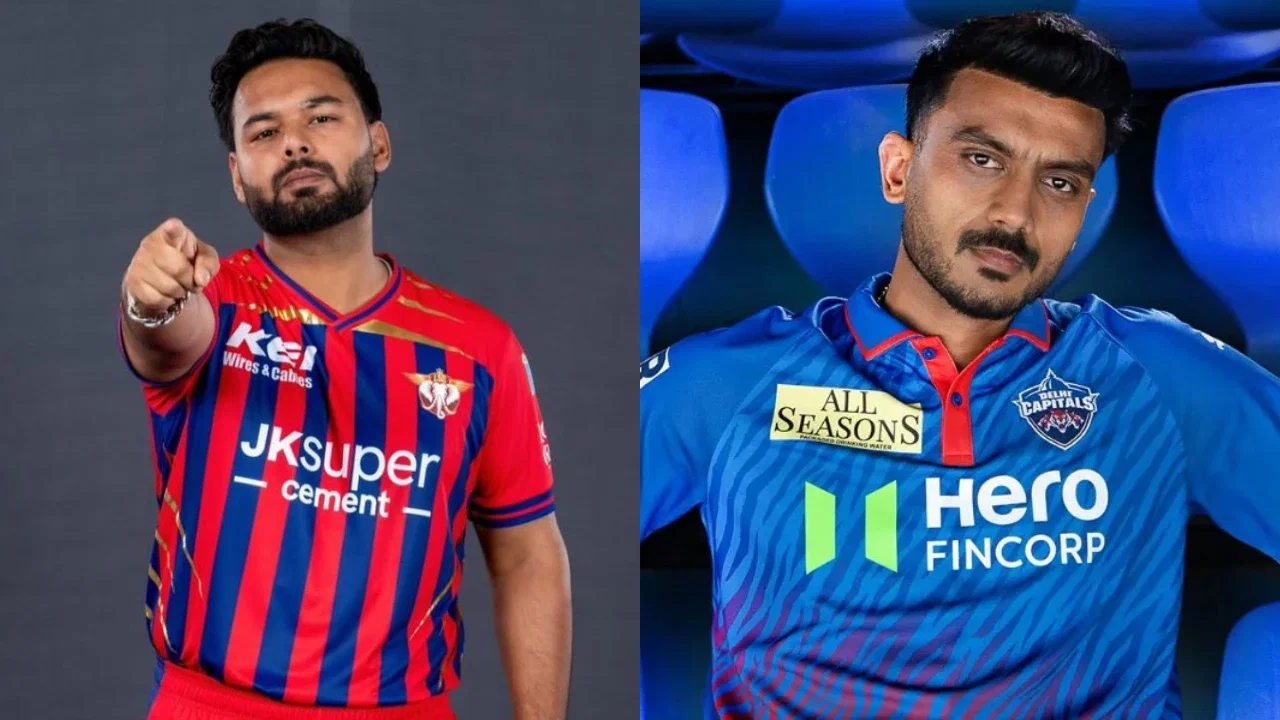
LSG vs DC Match Prediction – Who Will Win Match No.5? | IPL 2026
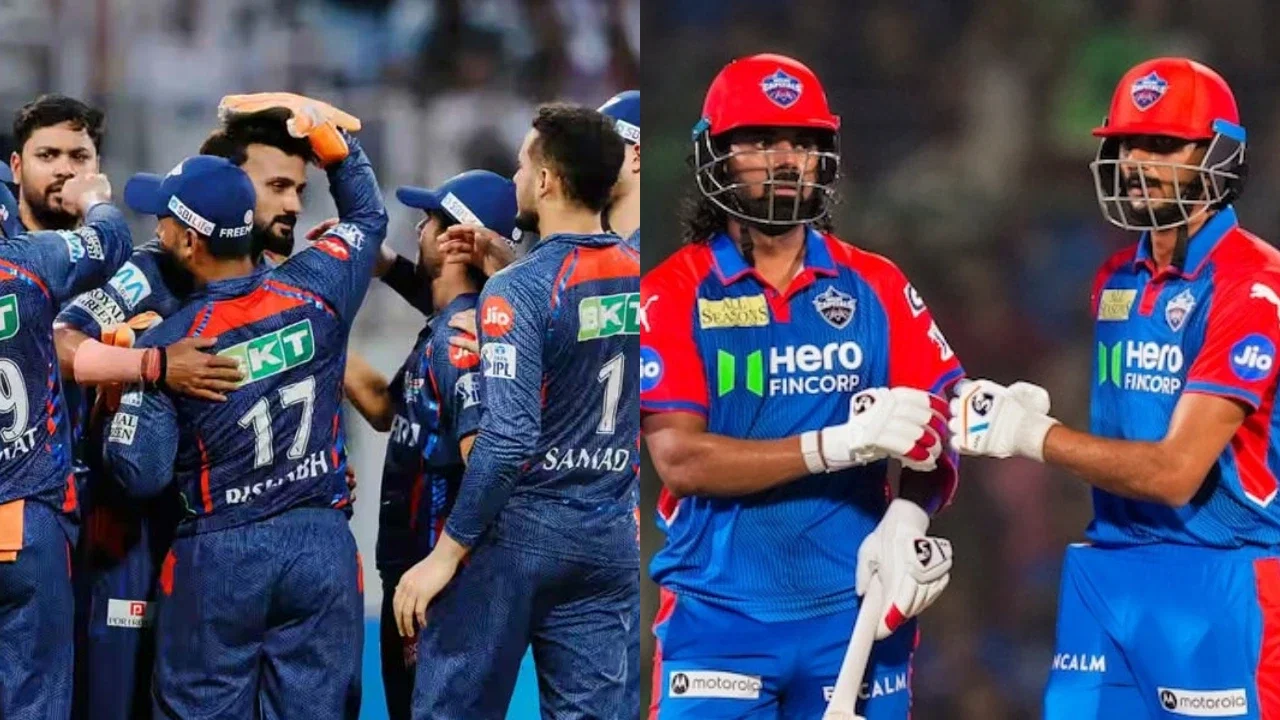
LSG Playing XI vs DC Playing XI – Match No. 5 | IPL 2026
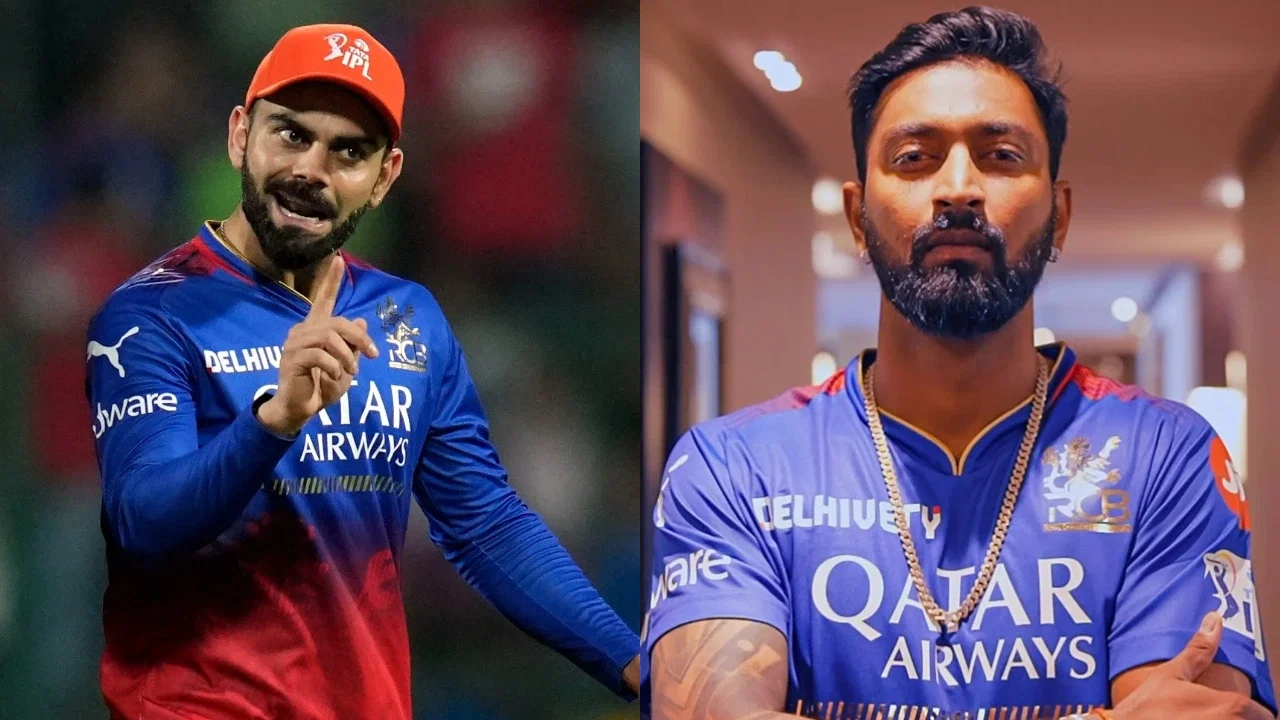
Krunal Pandya breaks silence on India snub, opens up on Virat Kohli
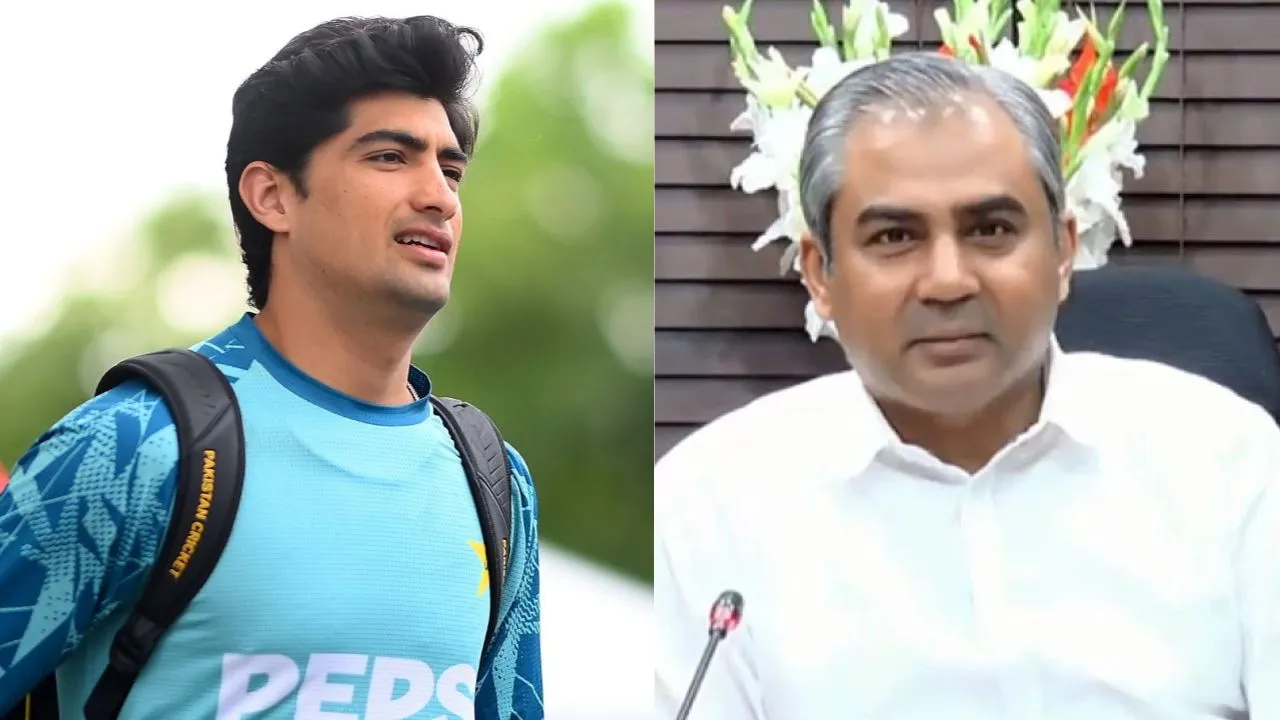
Mohsin Naqvi enforces new social media rules for Pakistan players following Naseem Shah incident
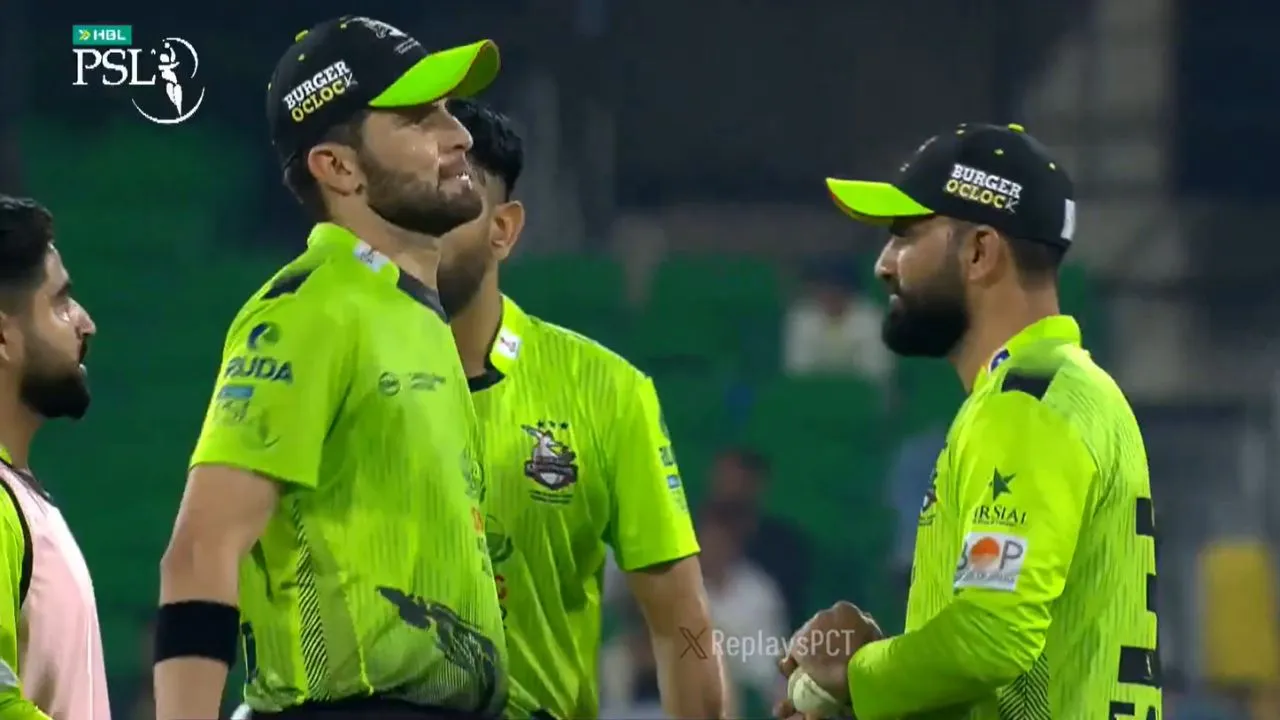
Fakhar Zaman officially handed cricket ban after PSL 2026 ball-tampering controversy
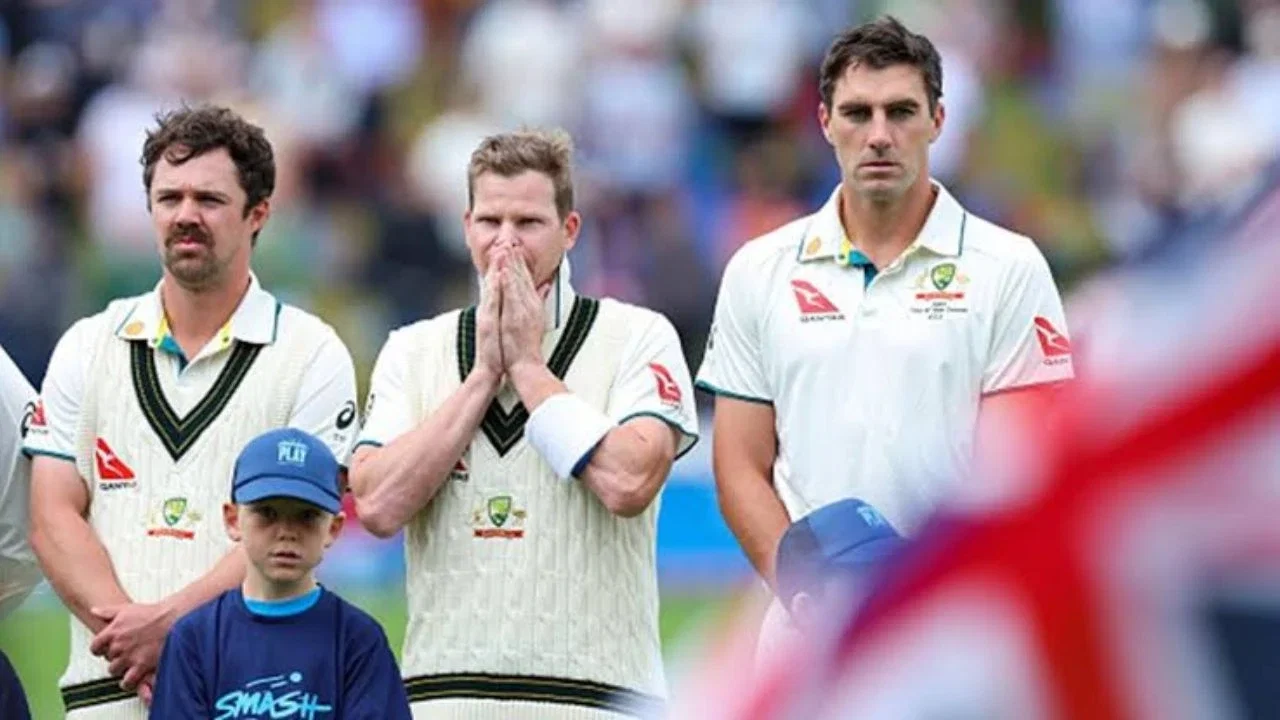
Pat Cummins forces Cricket Australia to slash central contracts list to secure premium deal
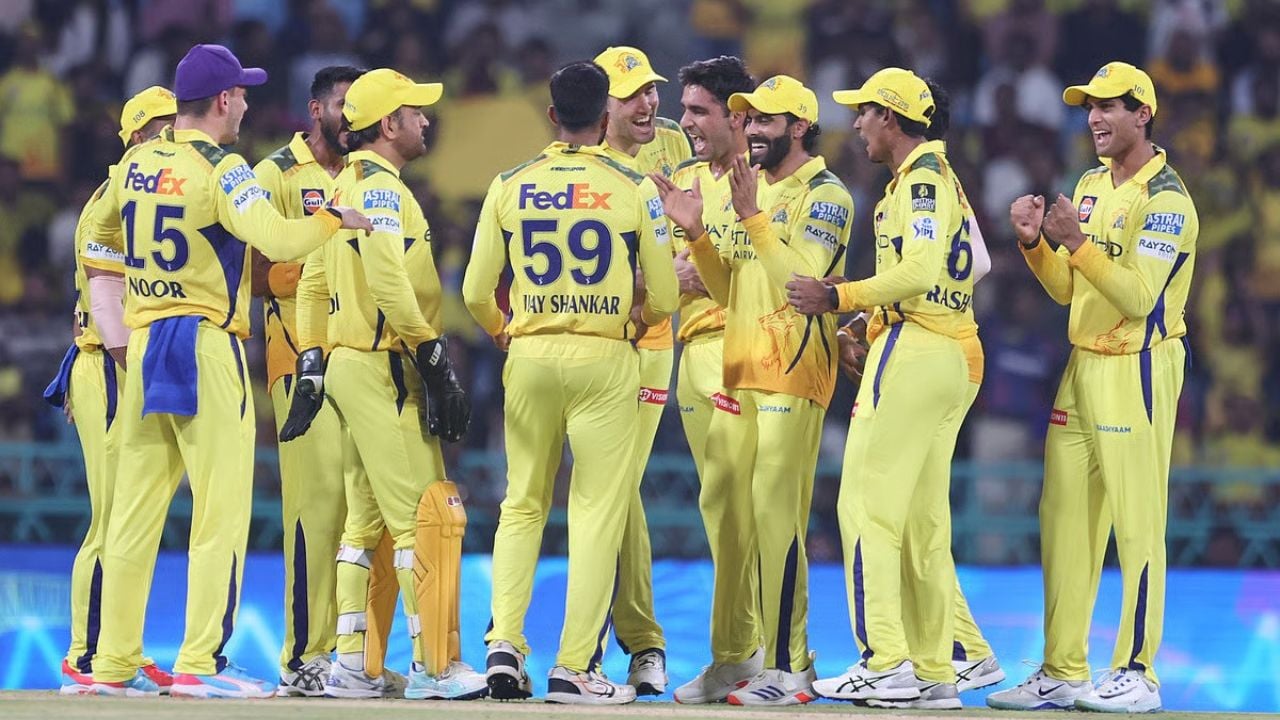
CSK’s big promise to players revealed amid IPL 2026: “Whatever BCCI offers, we’ll double it”
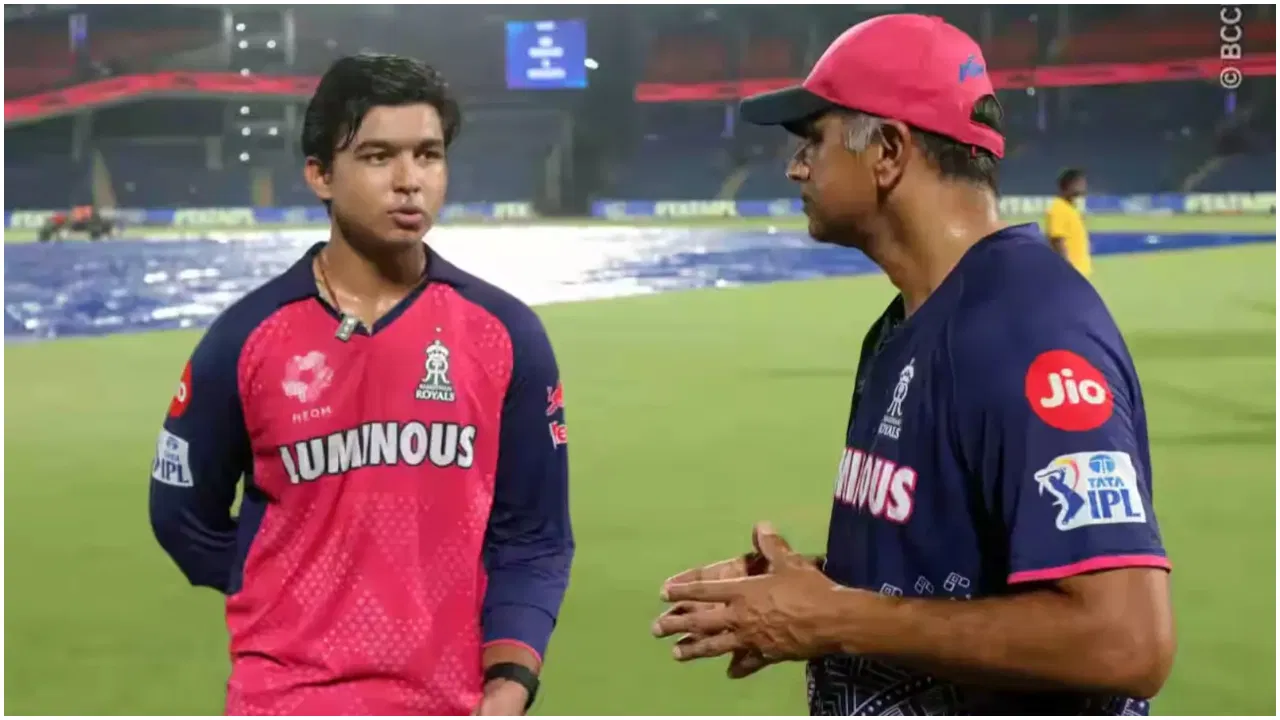
Ravichandran Ashwin rules out Vaibhav Sooryavanshi’s India call-up
Rashid Latif claims PSL ball-tampering row was deliberately created for attention amid IPL rivalry
Mohammed Shami breaks silence on retirement buzz after India snub; has special message for LSG
Mohammed Shami reveals IPL 2026 Top 4, leaves out five-time champions

