

Asia Cup 2025: India vs Pakistan Match In Doubt; Supreme Court Takes Up

Public Interest Litigation Filed to Cancel India vs Pakistan Match in Asia Cup 2025
Ahead of the highly anticipated India vs Pakistan clash in the ongoing Asia Cup 2025, a public interest litigation (PIL) has been filed before the Supreme Court of India seeking cancellation of the match. The 17th edition of the Asia Cup kicked off this week with the match between Afghanistan and Hong Kong, while India began their campaign against the UAE on Wednesday (September 10).
Subcontinent Giants Set to Face Off on September 14
India and Pakistan have once again been placed in the same group, alongside the UAE and Oman. The much-awaited India vs Pakistan game is scheduled to take place on Sunday (September 14). However, calls to boycott and cancel the match have been widespread, especially in light of recent events such as the Pahalgam terror attack and Operation Sindoor.
A group of four law students, led by Urvashi Jain, has taken the initiative to file the PIL through advocates Sneha Rani, Abhishek Verma, and Md. Anas Chaudhary. They argue that holding the match undermines national dignity and disregards the sacrifices of Indian soldiers and civilians. The plea emphasizes that cricket cannot be prioritized over national interest, citizens’ lives, or armed personnel’s sacrifices.
The petitioners have also urged the apex court to intervene and ensure the swift implementation of the National Sports Governance Act, 2025, to regulate such decisions in the future. The Board of Control for Cricket in India (BCCI) has faced severe criticism since announcing the India vs Pakistan match, raising concerns over national security and sentiments.
Bilateral Ties Between India and Pakistan
The bilateral ties between India and Pakistan have been suspended for over a decade, following India’s decision to suspend relations after the 2008 terror attack in Mumbai. Since then, the two teams have only played one bilateral series when Pakistan visited India for a limited-overs series in 2012/13.
Despite the suspension of bilateral ties, India and Pakistan continue to face each other in ICC competitions and the Asia Cup. The upcoming clash in the Asia Cup 2025 is significant not only for cricket fans but also for those concerned about national security and diplomatic relations between the two countries.
As the PIL to cancel the India vs Pakistan match gains attention, the future of the marquee clash remains uncertain. The Supreme Court’s decision on the matter will not only impact the current tournament but also set a precedent for how such sporting events are handled in the future.
While cricket has often been seen as a tool for diplomacy and peace between India and Pakistan, the recent PIL highlights the complex and sensitive nature of sports in the context of national security and sentiment.
Historical Context of India vs Pakistan Matches
The rivalry between India and Pakistan in cricket dates back to the early days of both nations’ independence. Matches between the two teams have always been highly anticipated and emotionally charged, reflecting the political tensions between the neighboring countries. The sporting contests have often transcended mere cricketing rivalry and have become symbolic of larger geopolitical issues.
Over the years, India and Pakistan have faced each other in numerous high-stakes matches, including World Cups, Champions Trophy finals, and Asia Cup encounters. These matches have not only attracted massive viewership but have also been fraught with controversies, on-field tensions, and off-field political statements.
Impact of Sports on Diplomatic Relations
Sports, particularly cricket, have played a significant role in shaping the diplomatic relations between India and Pakistan. Cricket matches have served as a platform for cultural exchange, people-to-people contact, and occasional thawing of tensions between the two nations. For many fans, these matches represent more than just a game; they symbolize hopes for peace, cooperation, and mutual respect.
However, the PIL to cancel the India vs Pakistan match underscores the challenges of balancing sports with national security concerns. While sports have the potential to bridge divides and foster goodwill, they also carry the risk of inflaming political sensitivities and stirring nationalist sentiments.
Legal Implications of the PIL
The filing of a PIL to cancel a cricket match is a novel legal move that raises interesting questions about the intersection of sports, law, and national interest. The petitioners’ argument that the match undermines national dignity and sacrifices is a compelling one, highlighting the complexities involved in organizing sporting events in a politically charged environment.
If the Supreme Court decides to intervene and cancel the match, it could set a precedent for future cases where sports events are contested on grounds of national security or public sentiment. The judgment will not only impact the Asia Cup 2025 but could also shape the legal landscape surrounding sports governance and decision-making in India.
The Way Forward
As the debate over the India vs Pakistan match continues, stakeholders from various sectors, including sports, law, and diplomacy, will closely monitor the developments. The outcome of this legal battle will have implications beyond the cricketing realm, influencing how governments, sports bodies, and the public perceive the intersection of sports and national interest.
While the PIL has sparked a contentious discussion, it also presents an opportunity to reassess the role of sports in fostering diplomatic relations, addressing security concerns, and honoring national sacrifices. The ultimate decision will not only impact the immediate match but will also shape the future trajectory of cricketing ties between India and Pakistan.
Regardless of the Supreme Court’s ruling, one thing is certain – the India vs Pakistan rivalry will continue to captivate fans, inspire emotions, and reflect the complex dynamics of politics, sports, and national identity.
By providing additional historical context, analyzing the impact of sports on diplomatic relations, exploring the legal implications of the PIL, and discussing the way forward, this expanded content offers a broader perspective on the India vs Pakistan match controversy and its wider implications.
Latest News
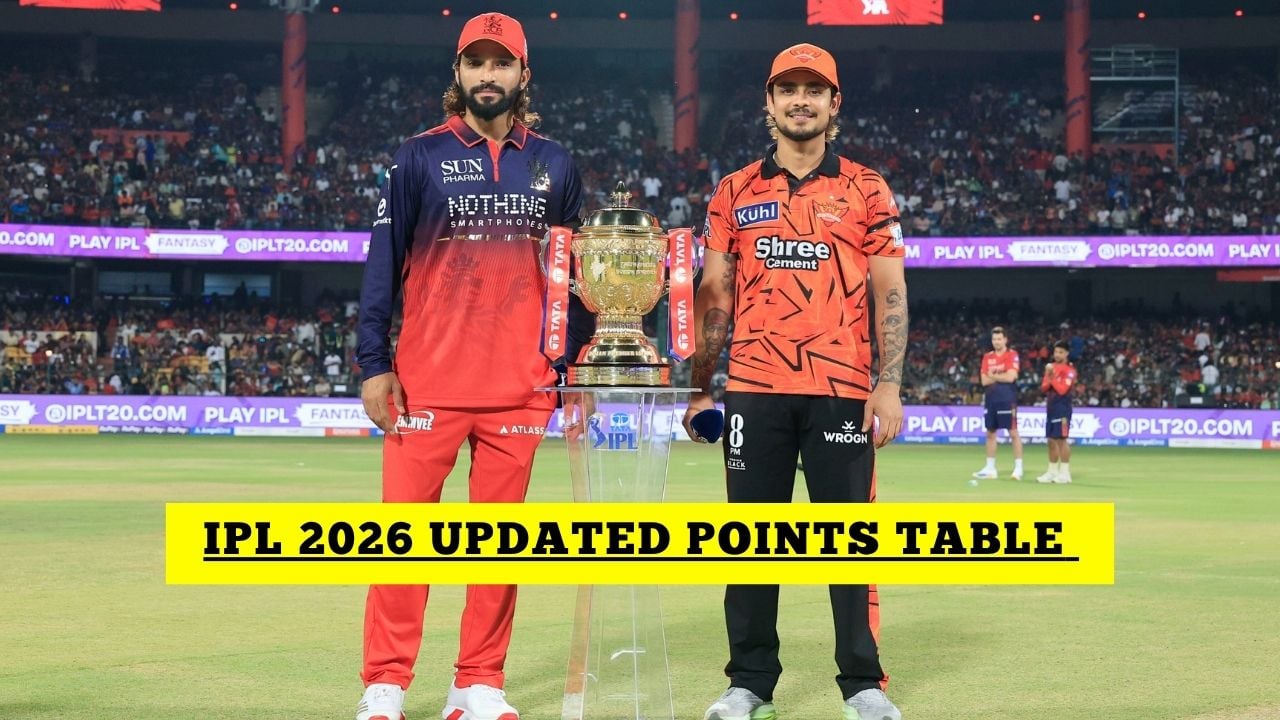
IPL Points Table 2026: Updated Standings, Orange Cap, Purple Cap After RCB vs SRH Match 1
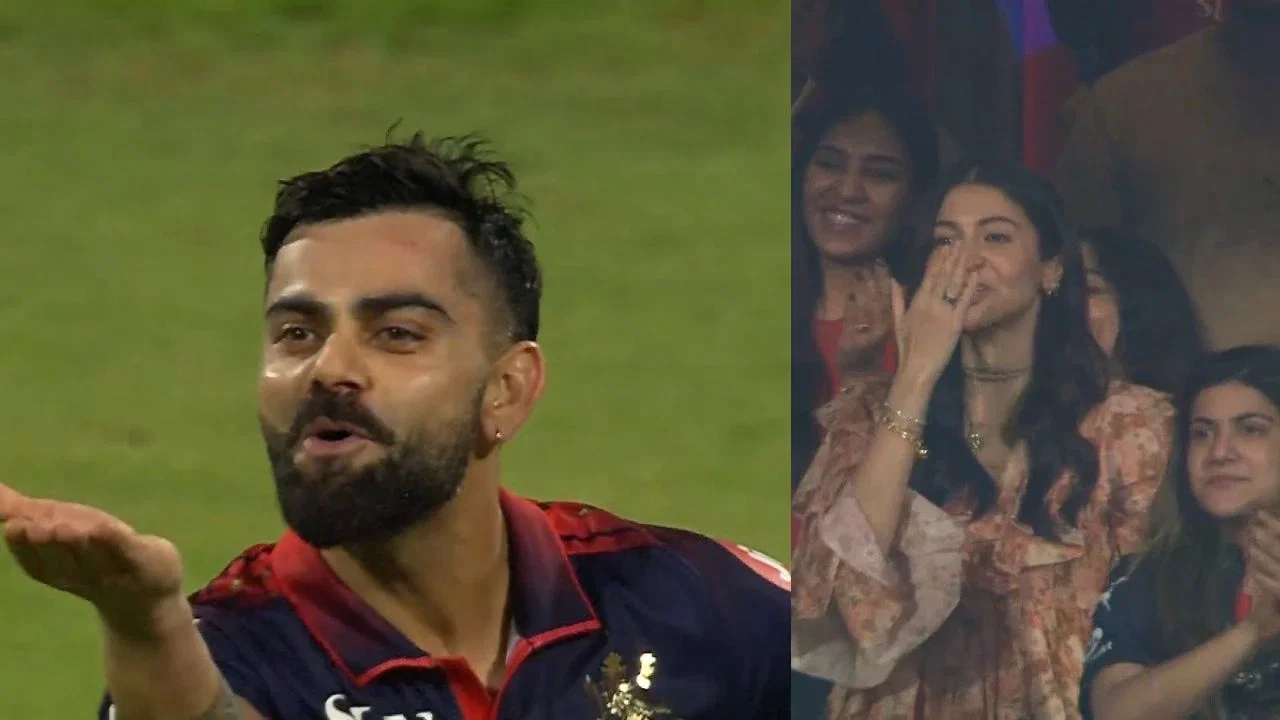
Virat Kohli, Anushka Sharma share adorable flying kiss moment after RCB vs SRH clash
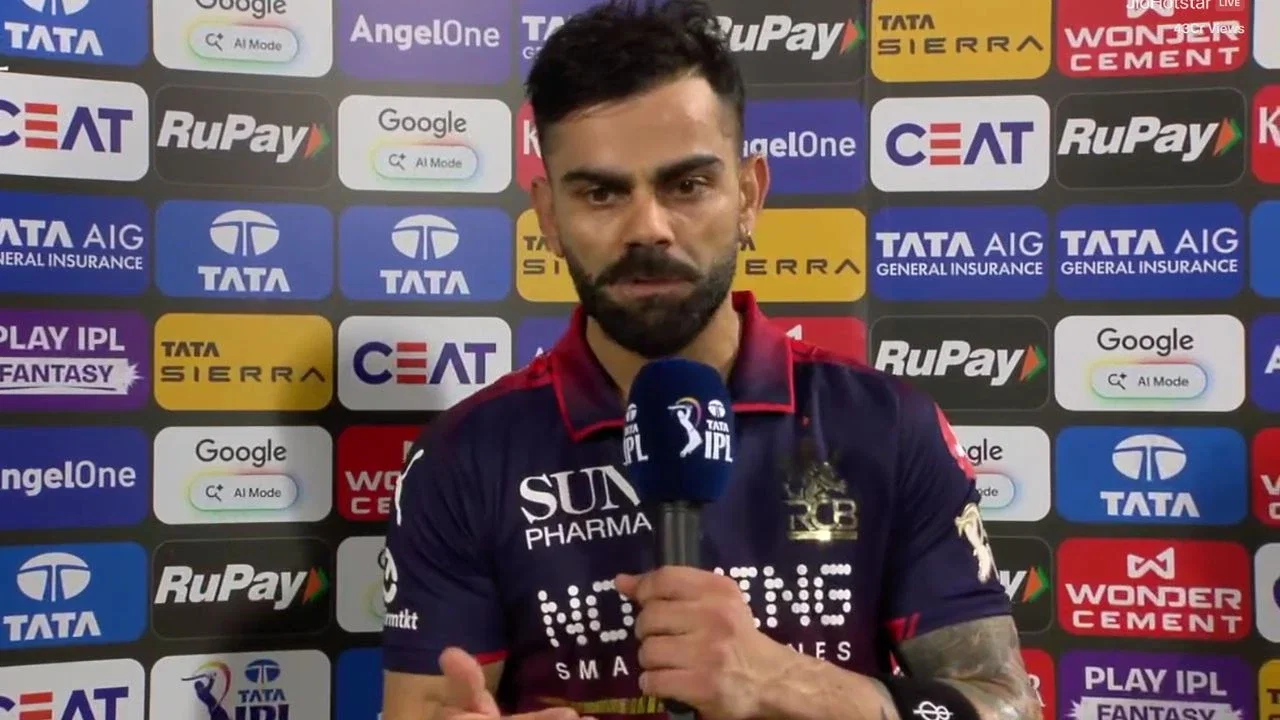
“Absolutely world-class”: Virat Kohli backs Devdutt Padikkal for permanent Team India spot
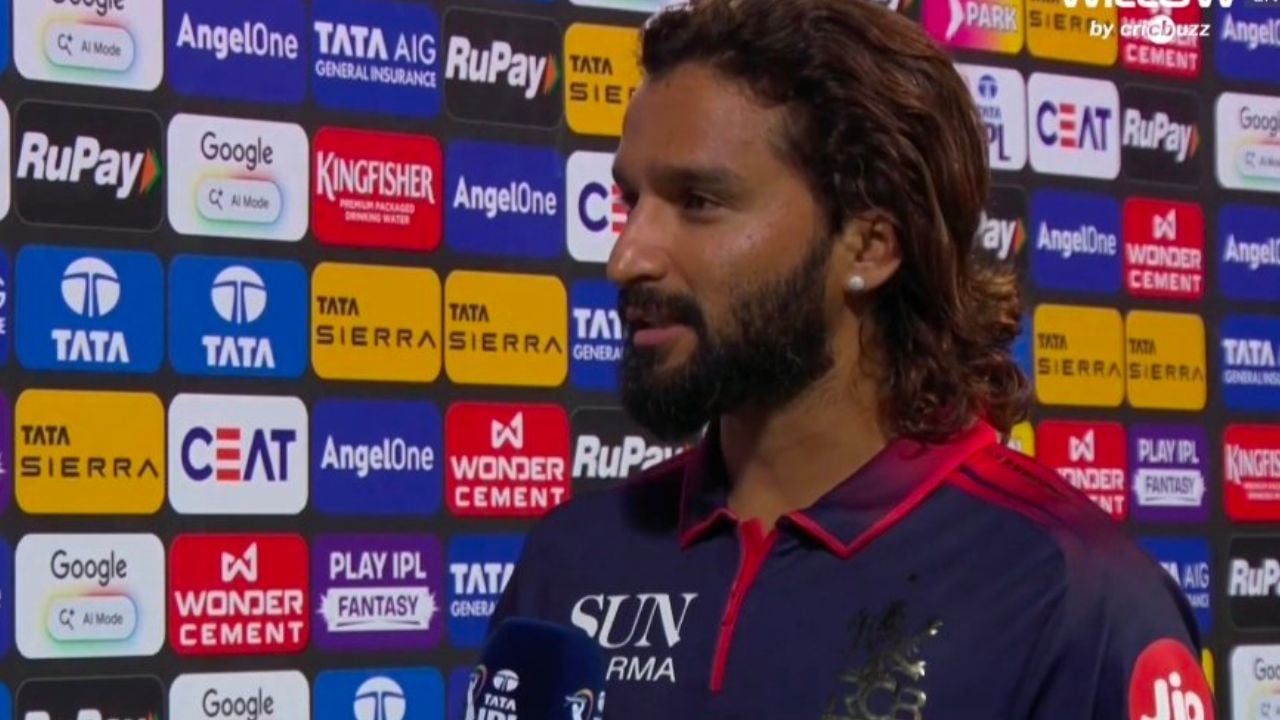
Rajat Patidar refuses to comment on Virat Kohli; Ishan Kishan admits enjoying after SRH’s loss to RCB

Mumbai Indians suffer blow! Mitchell Santner, Will Jacks ruled out of IPL 2026 games
MI vs KKR Match Prediction – Who Will Win Match No.2? | IPL 2026
Mumbai Indians Playing XI vs Kolkata Knight Riders Playing XI- Match No. 2 | IPL 2026
MI vs KKR Match 2 Preview: Free Live Streaming, Pitch & Weather Report, Head-to-Head | IPL 2026
Not English cricket! Jos Buttler credits IPL for his success as a cricketer
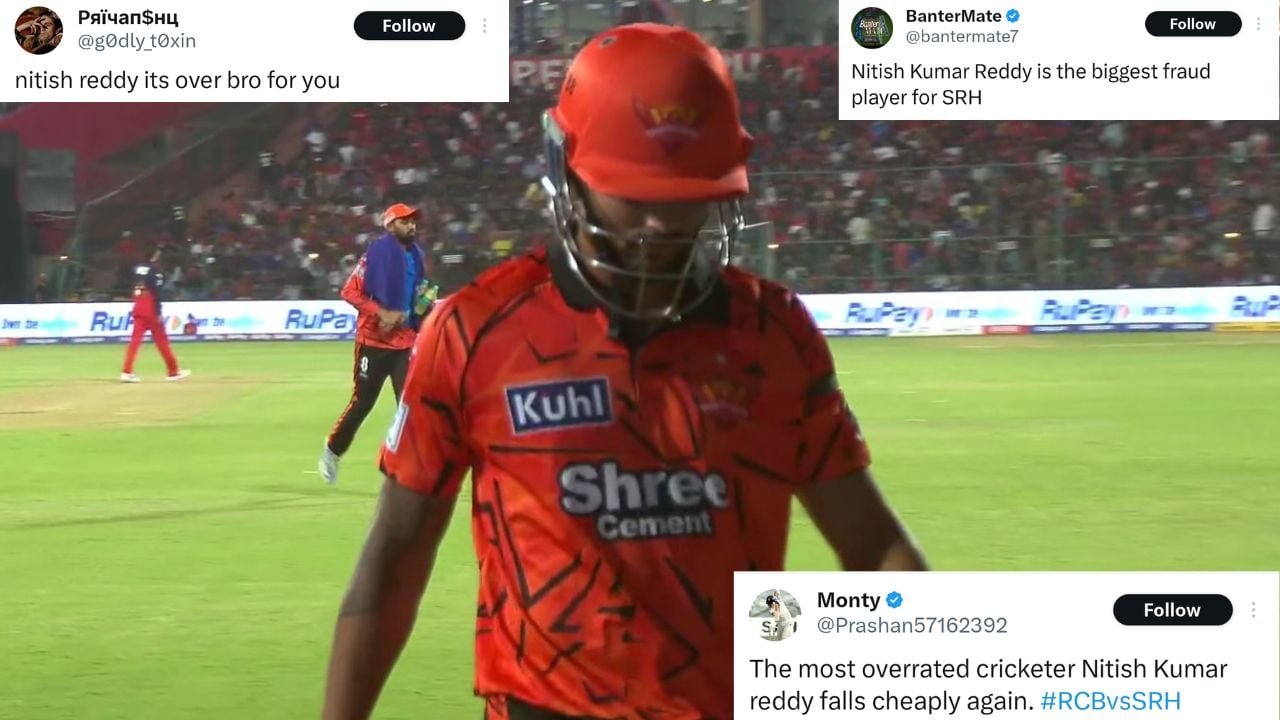
“Nitish Kumar Reddy is biggest fraud”: Fans fume as SRH star fails vs RCB in IPL 2026 opener
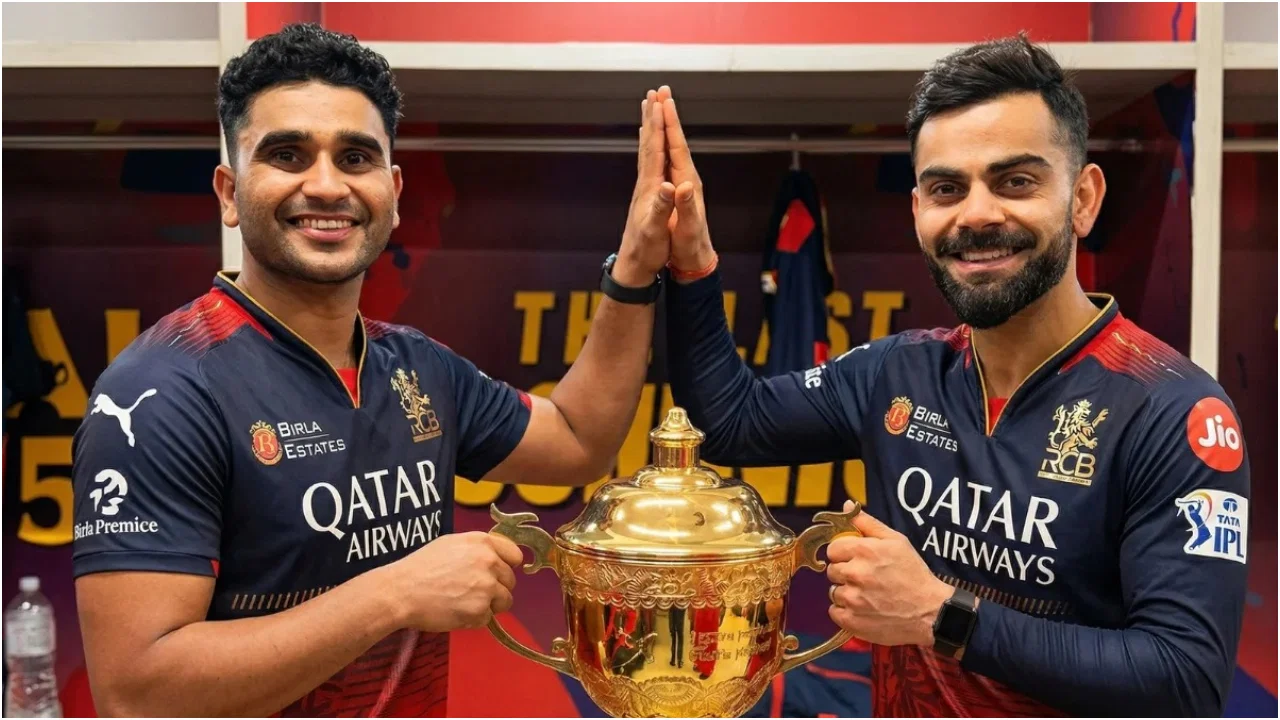
Who is Abhinandan Singh? The Virat Kohli troublemaker who made his IPL debut for RCB vs SRH
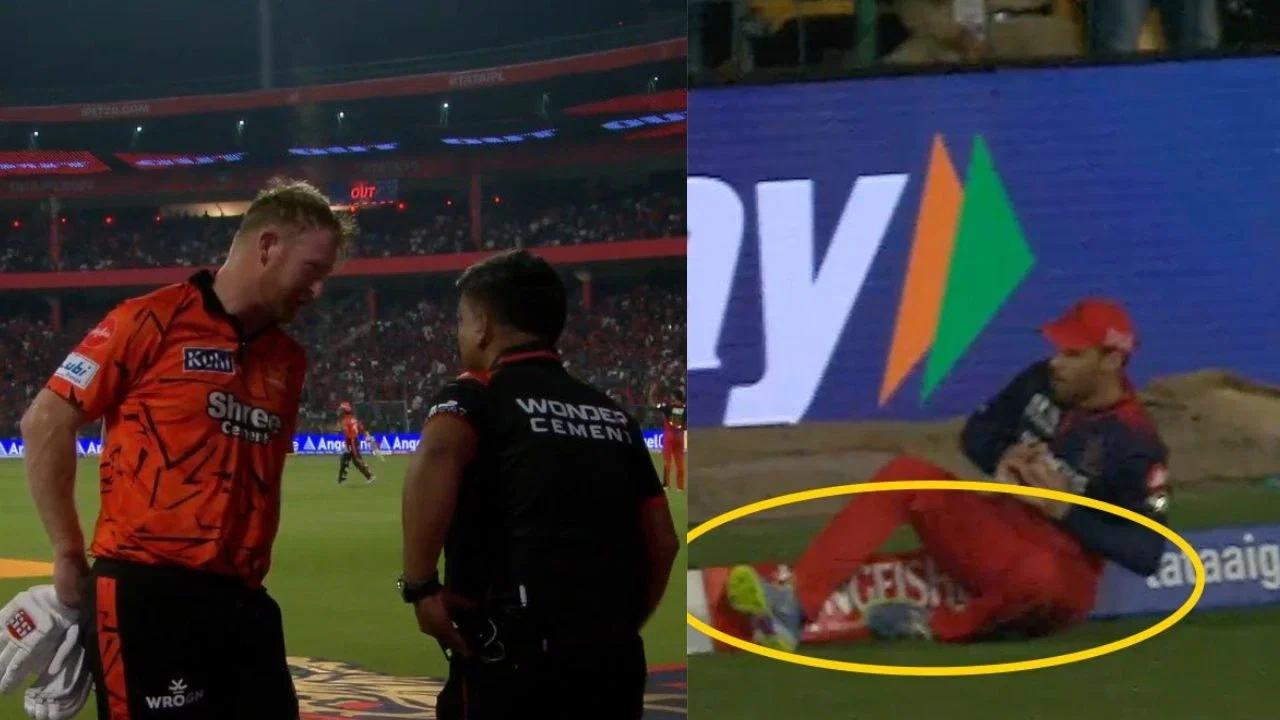
Heinrich Klaasen engages in heated chat with 4th umpire after Phil Salt’s controversial catch in IPL 2026
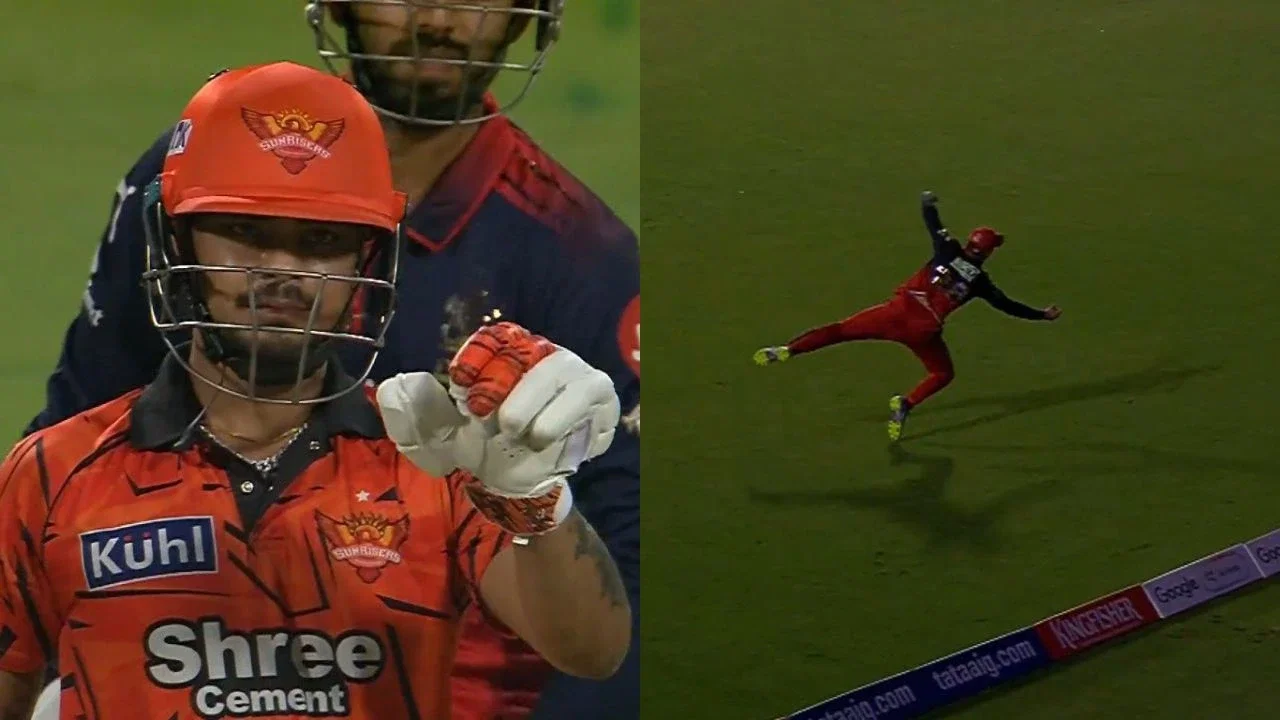
Phil Salt grabs one of the greatest catches in IPL history to dismiss Ishan Kishan
Anushka Sharma laughs as Virat Kohli drops a sitter in RCB vs SRH clash (Watch Video)

