Asia Cup 2025- Indian Sports Minister breaks silence after pressure rises to boycott Pakistan
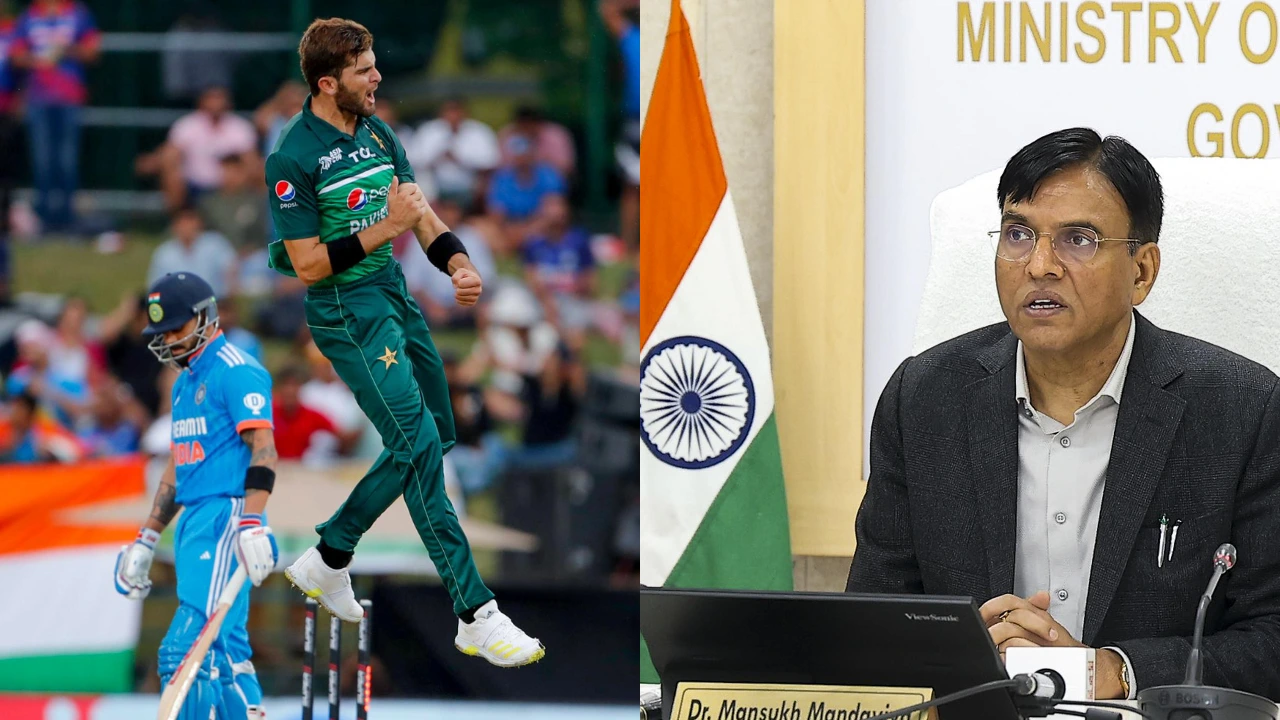
Sports Minister Mansukh Mandaviya Defends Decision to Allow India vs Pakistan Match in Asia Cup 2025
Amidst the ongoing Operation Sindoor following the Pahalgam terror attack, Sports Minister Mansukh Mandaviya has addressed the controversy surrounding the upcoming India vs Pakistan clash in the Asia Cup 2025. The decision to allow the match has sparked outrage among former Indian cricketers and politicians, who have called for a boycott of the game in light of recent events.
Outrage Over India vs Pakistan Match
The Pahalgam terror attack resulted in the loss of innocent lives, leading to a military response by the Indian Armed Forces in Pakistan and Pakistan-occupied Jammu and Kashmir (PoJK) under Operation Sindoor. Many viewed the decision to play against Pakistan in the Asia Cup 2025 as a betrayal to the country, the martyrs, and the victims of the attack.
Former Indian cricketers and politicians, including Aditya Thackeray and Priyanka Chaturvedi, have expressed their disapproval of the match and called for a boycott. The controversy reached a boiling point as concerns were raised about the integrity and respect for the sacrifices made by the armed forces and civilians.
Mandaviya’s Defense
In response to the backlash, Sports Minister Mandaviya clarified India’s stance on sporting events with Pakistan. He emphasized that India follows a strict “no bilateral matches” policy with Pakistan, meaning there will be no bilateral series between the two nations. However, participation in multilateral tournaments like the Asia Cup is mandatory under the Olympic Charter.
Mandaviya stated, “We are not playing bilateral cricket with Pakistan. The Government of India has a clear policy of no bilateral sporting events with Pakistan. However, in multilateral tournaments, we are bound to follow the Olympic Charter, which prohibits countries from preventing others from participating.”
India’s Commitment to Sports
Mandaviya highlighted the importance of Indian athletes participating in international events and bringing victories for the country. He stressed that withdrawing from the Asia Cup 2025 would give Pakistan an unfair advantage, damaging India’s reputation and undermining the efforts of the athletes.
He concluded by stating, “Our athletes should participate and bring victories for India, ensuring that our flag flies high on the global stage. We want our teams to become champions and prove their strength. That is our commitment, and we will continue to demonstrate it.”
Upcoming Match Details
The much-anticipated India vs Pakistan match in the Asia Cup 2025 is scheduled to take place on September 14 in Dubai. The Men in Blue will begin their campaign against the UAE on September 10, setting the stage for an exciting tournament.
As the controversy continues to unfold, the decision to allow the match has sparked a nationwide debate on the intersection of sports, politics, and national pride.
Impact of Sporting Events on Diplomatic Relations
The decision to allow the India vs Pakistan match in the Asia Cup 2025 highlights the complex relationship between sports and diplomacy. Sporting events have long been used as a tool for diplomacy, with matches serving as a platform for countries to engage in cultural exchanges and promote peace. However, in the case of India and Pakistan, sports have often been overshadowed by political tensions and historical conflicts.
Despite the ongoing disputes between the two nations, cricket has remained a unifying force, with matches between India and Pakistan drawing massive audiences and intense rivalries. The Asia Cup 2025 match is no exception, with fans eagerly anticipating the clash between the arch-rivals.
Role of Sports Minister in Promoting Sportsmanship
Sports Minister Mandaviya’s defense of the decision to allow the match underscores the importance of promoting sportsmanship and fair play. By emphasizing India’s commitment to international sporting events, Mandaviya is sending a message of unity and sportsmanship, urging athletes to focus on their performance and represent the country with pride.
As a key figure in the sports administration, Mandaviya plays a crucial role in shaping India’s sporting policies and promoting a culture of sportsmanship. His stance on the India vs Pakistan match reflects a delicate balance between honoring national sentiments and upholding sporting principles.
National Pride and Athletic Excellence
While the controversy surrounding the match continues, it is essential to remember the significance of athletic excellence in representing national pride. Indian athletes participating in international tournaments like the Asia Cup 2025 carry the hopes and aspirations of a nation, showcasing their skills on a global stage and inspiring future generations.
By competing in the Asia Cup and other international events, Indian athletes have the opportunity to demonstrate their talent, dedication, and sportsmanship. Regardless of the political context, sports provide a platform for athletes to excel, bringing glory to their country and uniting fans across borders.
Looking Ahead: The Future of India-Pakistan Sporting Relations
As the Asia Cup 2025 approaches, the India vs Pakistan match serves as a reminder of the challenges and opportunities in the realm of sports diplomacy. While political tensions may cast a shadow over sporting events, the spirit of competition and camaraderie among athletes can transcend barriers and foster mutual understanding.
Whether on the cricket field or in other arenas of sports, India and Pakistan have the potential to set aside differences and celebrate the spirit of sportsmanship. As fans gear up for the clash in the Asia Cup, hopes are high for a competitive and respectful match that showcases the best of both teams.
In the ever-evolving landscape of sports and diplomacy, the India vs Pakistan match in the Asia Cup 2025 stands as a testament to the power of sports to bridge divides, promote peace, and unite nations in the pursuit of athletic excellence.
By delving into the complexities of sports diplomacy, the role of sports administrators, and the significance of national pride in athletics, this expanded content offers a deeper exploration of the themes introduced in the original article, providing readers with a more comprehensive understanding of the issues at play.
Latest News
Abhishek Sharma punished by BCCI for protesting against Varun Chakravarthy’s catch
MS Dhoni, Dewald Brevis fitness update: Batters resume training ahead of CSK vs PBKS clash
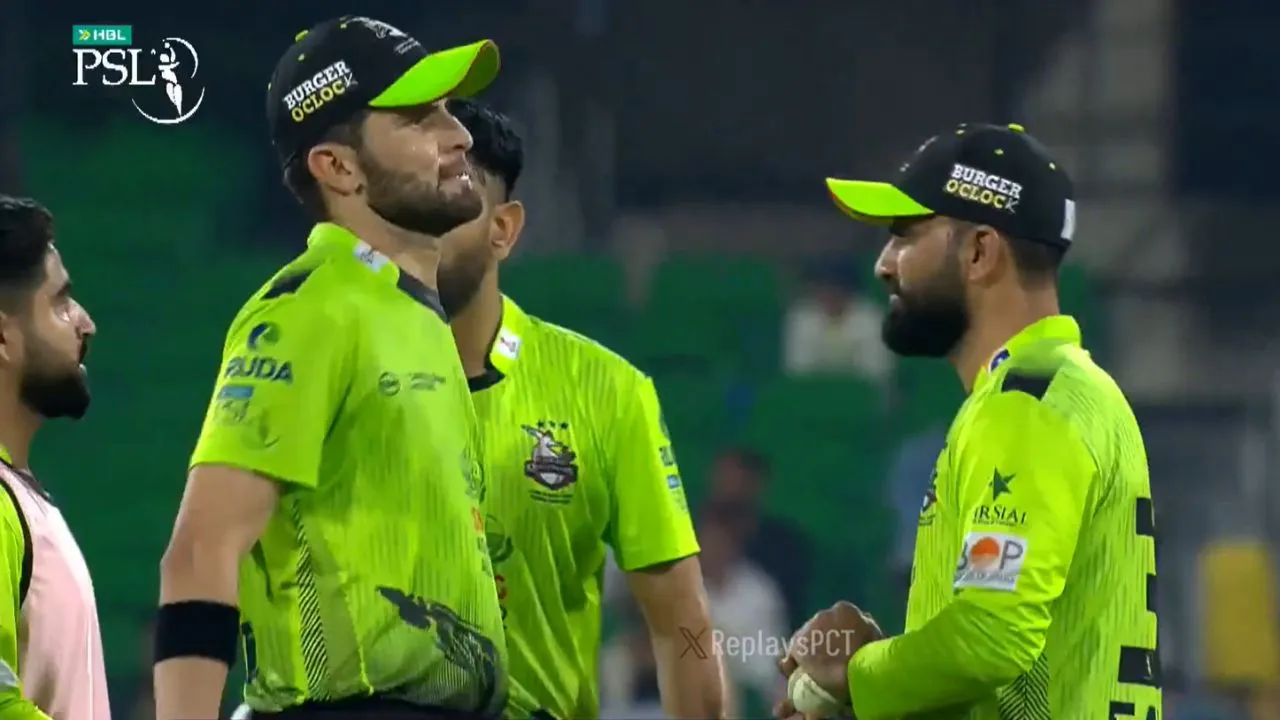
Fakhar Zaman two-match ban stands as Mohsin Naqvi and PCB turns down appeal
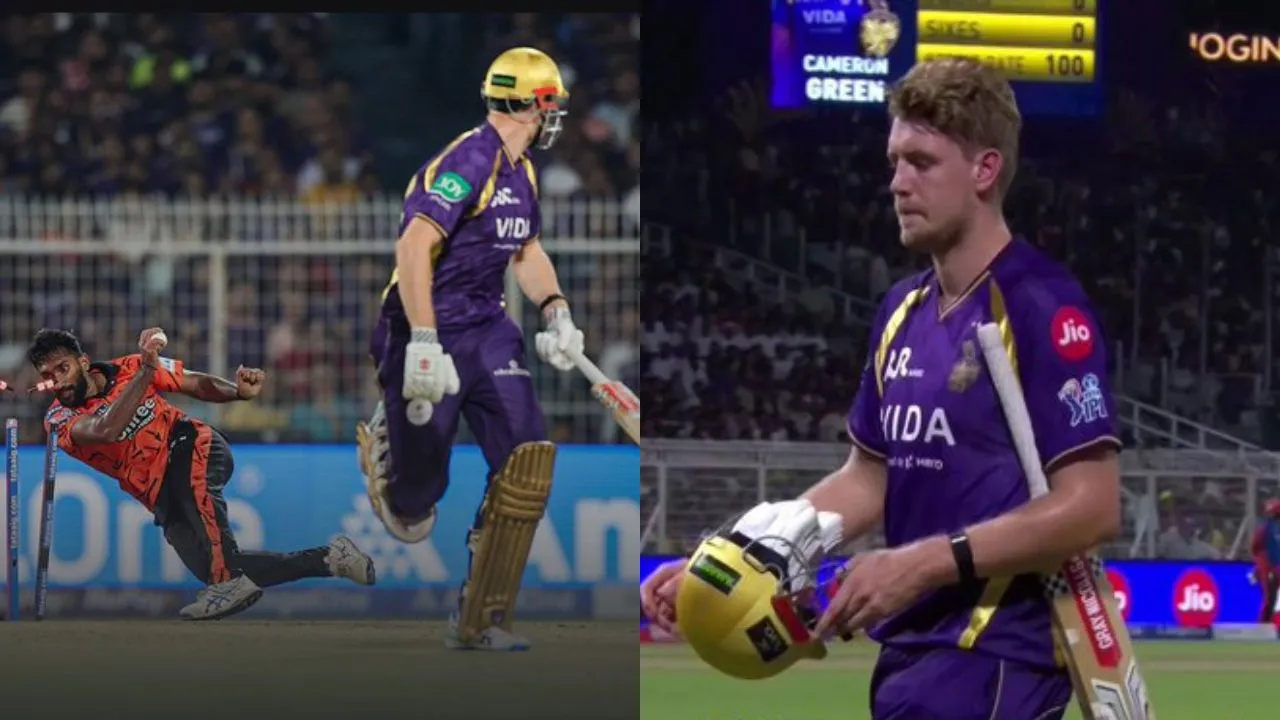
Cameron Green falls in bizarre run-out drama after confusion with Angkrish Raghuvanshi vs SRH in IPL 2026
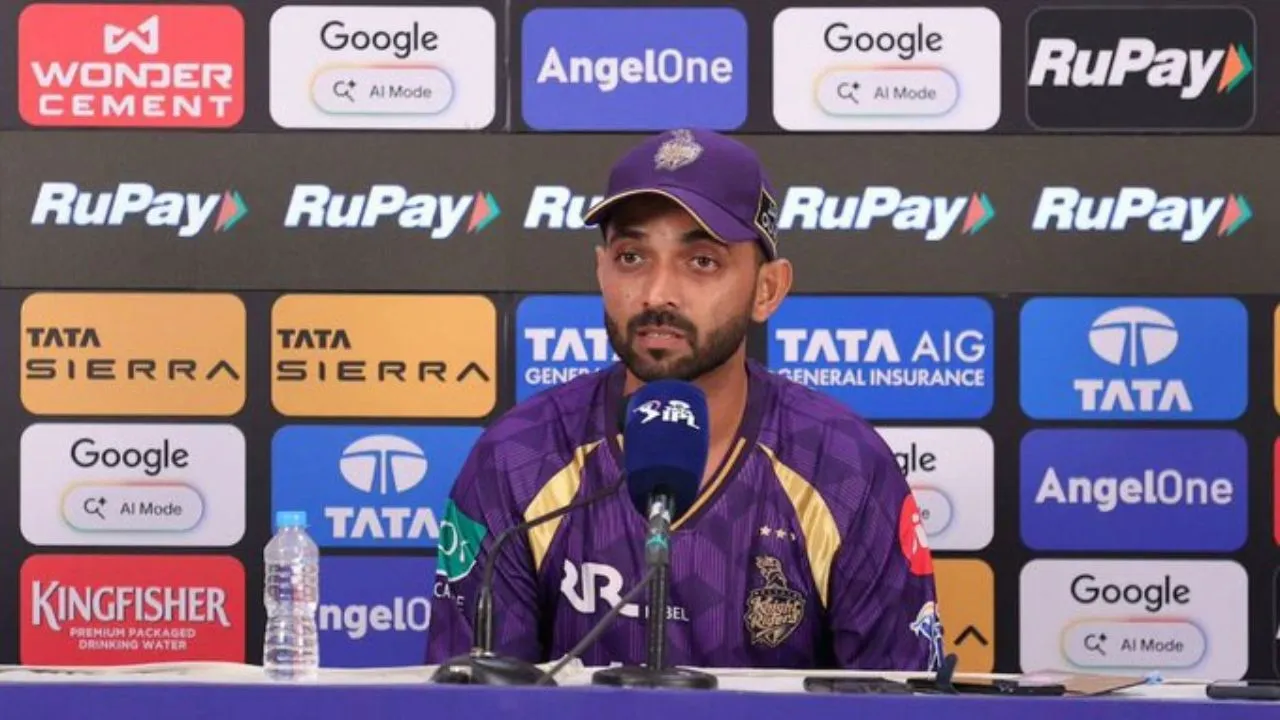
“Ball was slightly stopping”: Ajinkya Rahane admits misreading pitch, says bowling first proved costly after KKR’s loss vs SRH
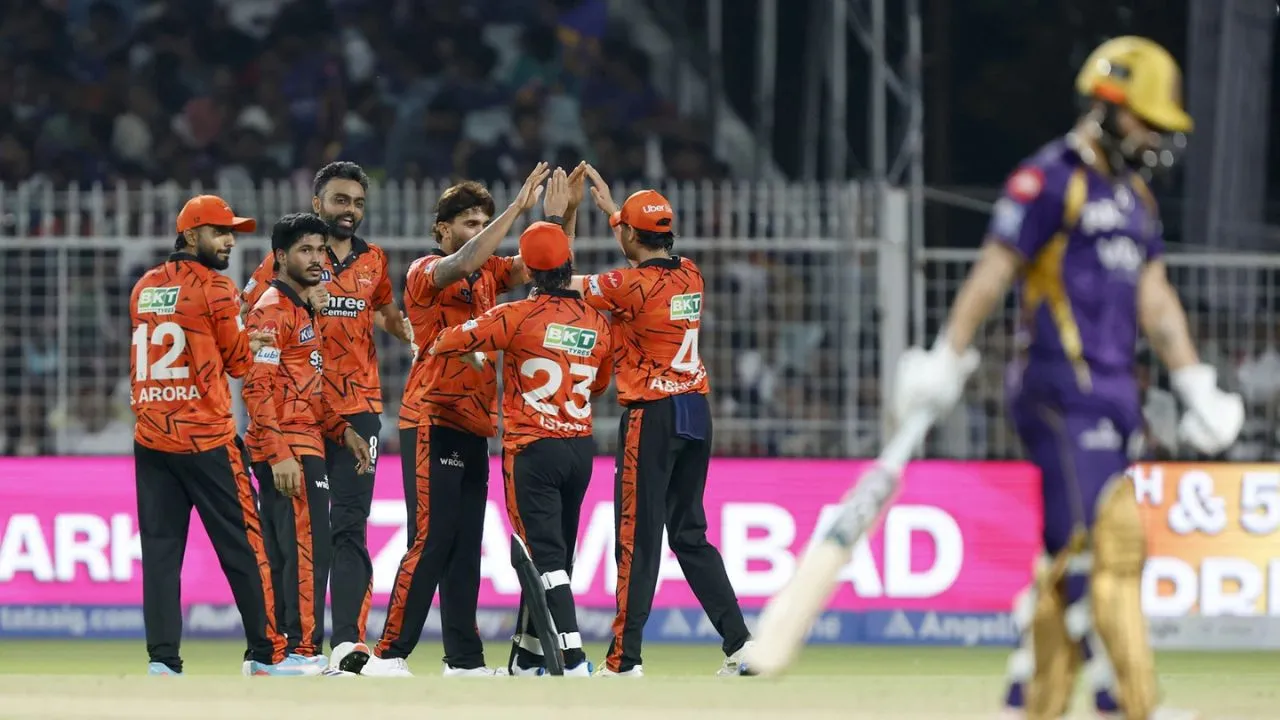
IPL Points Table 2026: Updated Standings, Orange Cap, Purple Cap After KKR vs SRH Match 6
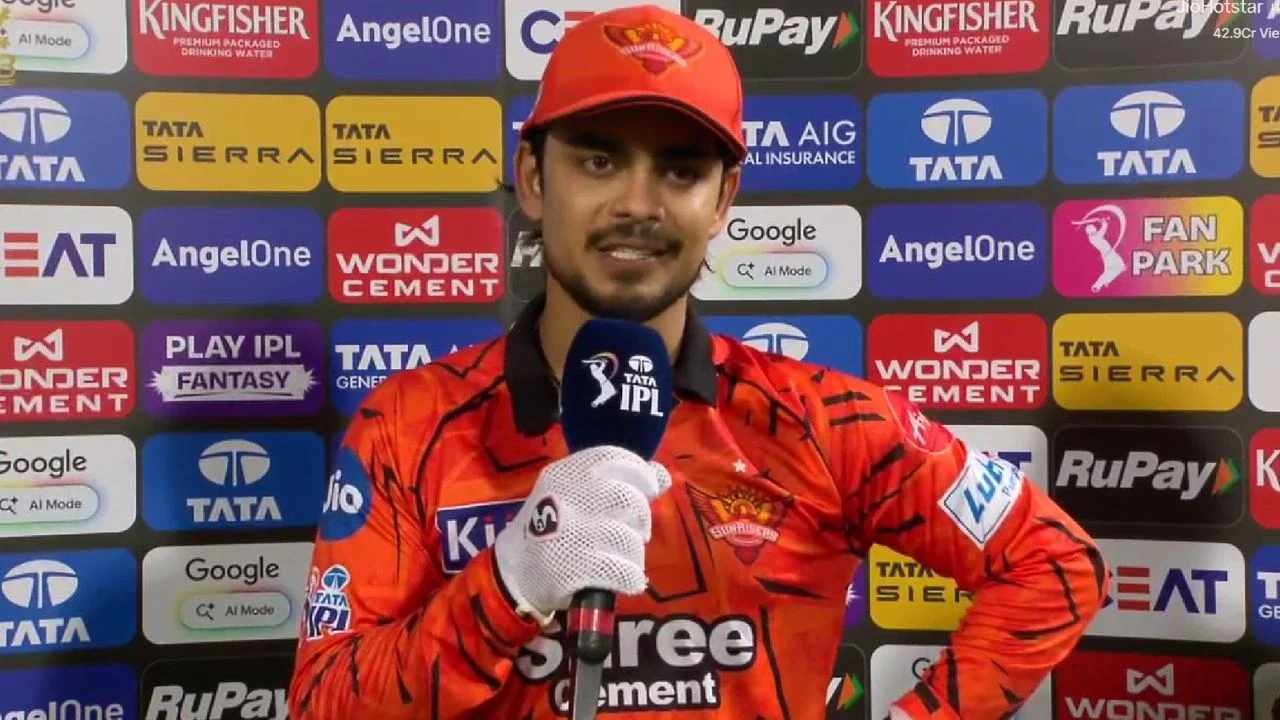
“Nitish playing a lovely knock”: Ishan Kishan captain credits Nitish Kumar Reddy after all-round performance in SRH’s massive win vs KKR
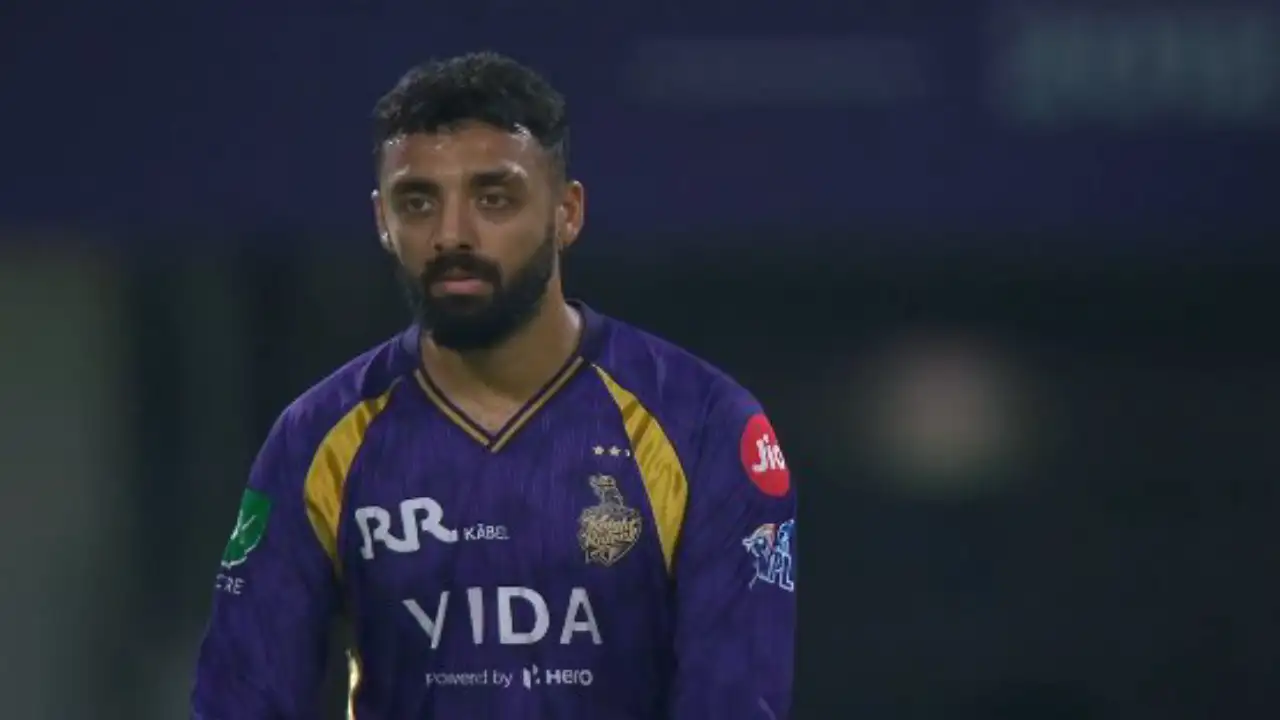
Abhishek Sharma goes berserk smash 25 runs off Varun Chakravarthy in IPL 2026
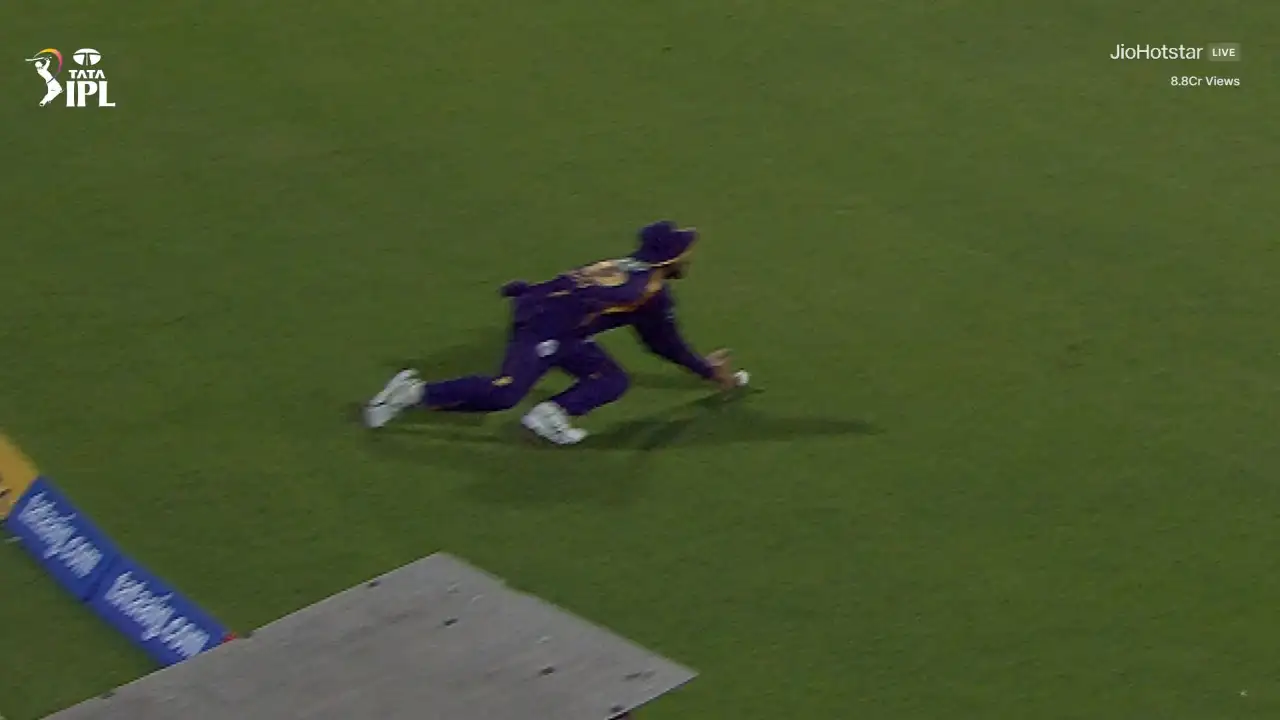
Varun Chakravarthy takes a controversial catch to dismiss Abhishek Sharma in IPL 2026
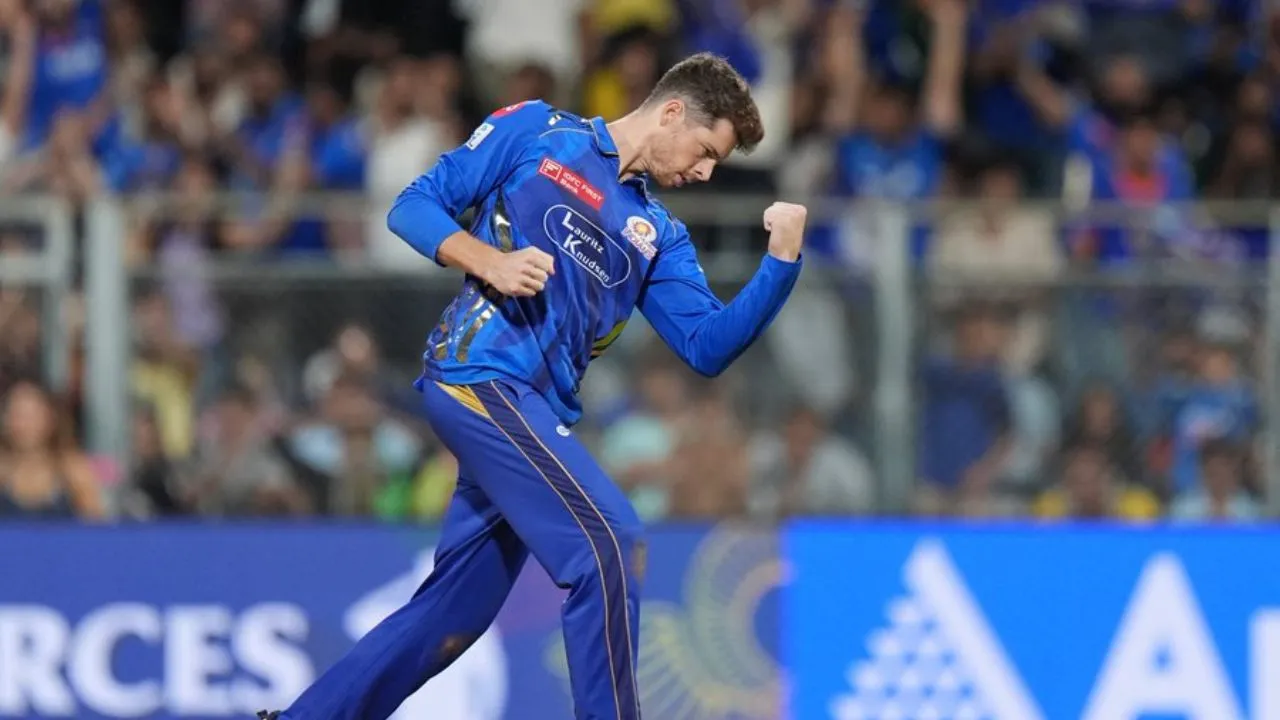
Mitchell Santner joins Mumbai Indians squad available against Delhi Capitals in IPL 2026
Manish Pandey and Anukul Roy recreate Pakistan’s viral drop moment in IPL 2026
Finn Allen sets tone with 24 runs in first over against David Payne
“I request you with folded hands, please…”: Ravichandran Ashwin begs Rishabh Pant to…
Rishabh Pant nearly injures Sameer Rizvi during LSG vs DC IPL 2026 clash, video goes viral