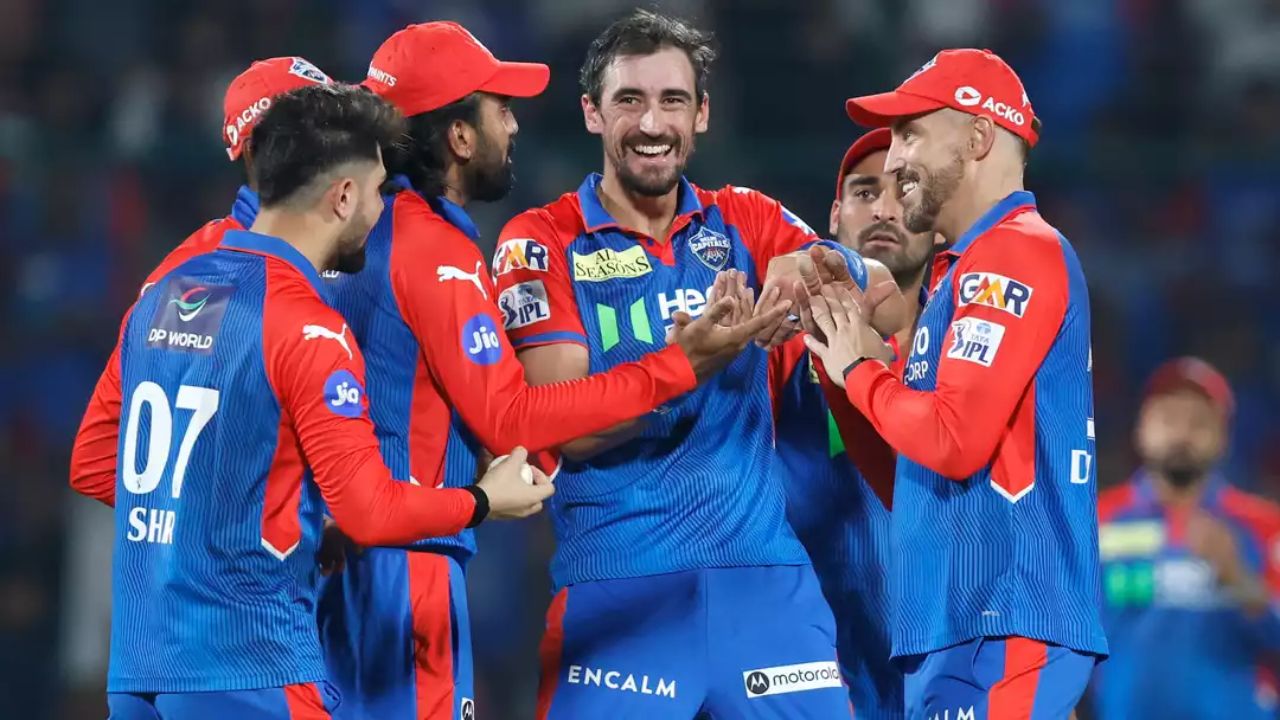
Asia Cup 2025: Jay Shah gets order to stop India vs Pakistan match
Outrage over India vs Pakistan Match in Asia Cup 2025
Amidst widespread outrage and demands for cancellation, the highly anticipated India vs Pakistan match in the upcoming Asia Cup 2025 has become a topic of heated debate. Shiv Sena (UBT) MP Priyanka Chaturvedi has taken a strong stance against the match, citing national sentiment and recent terror attacks as reasons for banning the cricket clash.
Shiv Sena MP’s Demand for Cancellation
In a recent session of the Rajya Sabha, MP Priyanka Chaturvedi demanded the cancellation of the India vs Pakistan match scheduled for September 14 in the Asia Cup 2025. Her call for the ban comes in the wake of the brutal Pahalgam terror attack that claimed the lives of 26 Indians and ongoing Operation Sindoor.
Chaturvedi questioned how Team India could engage in a cricket match with a country that harbors terrorists responsible for numerous attacks on Indian soil. She emphasized Prime Minister Narendra Modi’s statement regarding Operation Sindoor, highlighting the ongoing efforts to combat terrorism.
Implications of the Demand
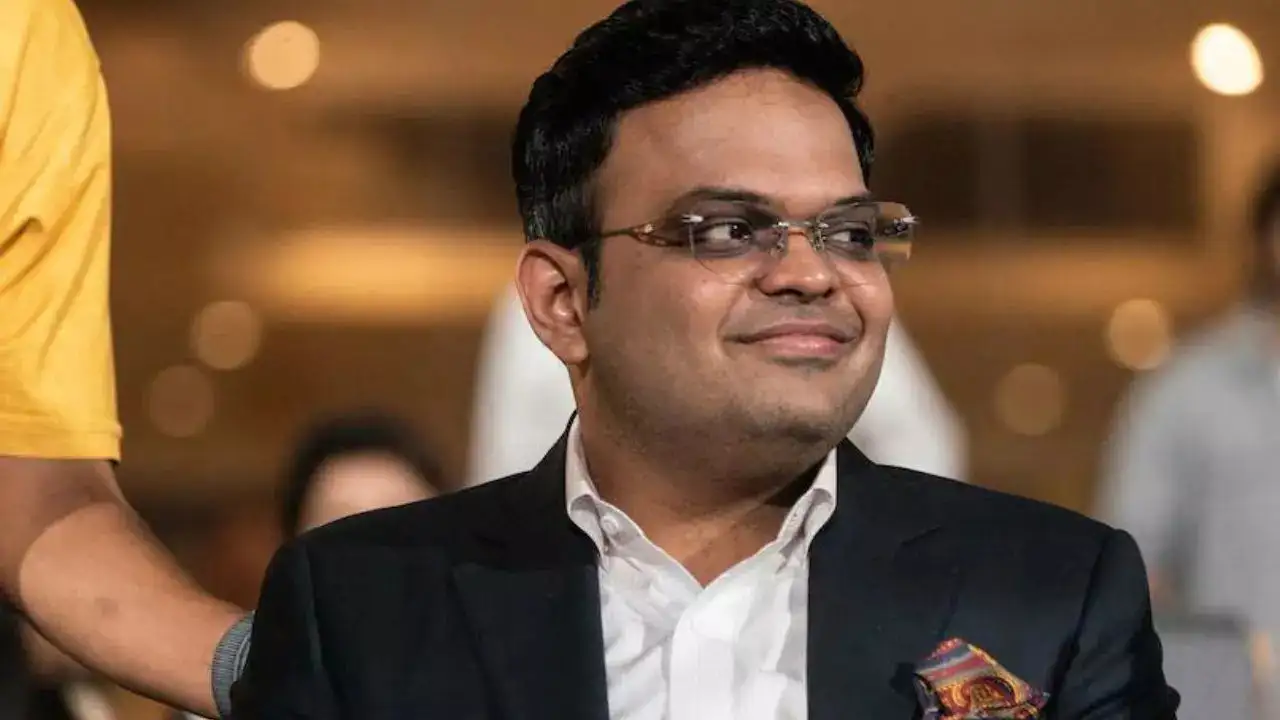
The Shiv Sena MP raised concerns about the precedence set by restrictions imposed on the entertainment industry, news channels, and influencers, calling for a similar ban on cricket matches against Pakistan. She urged Union Home Minister Amit Shah to intervene and instruct ICC Chairman Jay Shah, emphasizing the need for decisive action.
Chaturvedi emphasized the need to prioritize national pride over financial gains, especially in the aftermath of tragic events like the Pahalgam terror attack. She underscored the emotional impact on the families of the victims and questioned the ethics of engaging in a cricket match with Pakistan at such a sensitive time.
Public Backlash and Player Boycott
The announcement of the India vs Pakistan match in the Asia Cup 2025 has triggered a wave of public outcry and calls for severing cricket ties with Pakistan. Former cricketers and political figures have joined the chorus of dissent, advocating for a complete halt to sporting engagements with the neighboring country.
Even in the World Championship of Legends 2025, concerns over the match led to the cancellation of a much-anticipated semi-final between India Champions and Pakistan Champions. Reports suggest that Indian players refused to take the field against Pakistan following mounting pressure on social media post the Pahalgam terror attack.
Looking Ahead
As the debate intensifies and sentiments run high, the future of cricketing relations between India and Pakistan hangs in the balance. The controversy surrounding the Asia Cup 2025 match underscores the broader implications of sports diplomacy, national security, and public sentiment in the context of Indo-Pak relations.
In the face of escalating tensions and demands for action, the decision-makers in both countries will need to navigate a complex landscape of politics, sports, and emotions to chart a way forward that resonates with their respective citizens.
India-Pakistan Cricket Rivalry: A History of Tensions
The India vs Pakistan cricket rivalry is one of the most intense and storied matchups in the world of sports. Dating back to their first Test series in 1952, the two nations have engaged in fierce competition on the cricket field, reflecting the deep-rooted political and cultural tensions between them.
Historically, cricket matches between India and Pakistan have been more than just sporting events; they have been symbolic of the larger geopolitical conflict between the two countries. The partition of British India in 1947 and subsequent wars have fueled animosity and mistrust, often spilling over into the realm of sports.
The Role of Sports in Diplomacy
While cricket has been used as a tool for diplomacy and peace-building in the past, recent events have complicated the relationship between India and Pakistan on the cricket field. The demand for canceling the Asia Cup 2025 match raises questions about the role of sports in fostering understanding and reconciliation between nations with a history of conflict.
Sports diplomacy has the potential to transcend political boundaries and promote goodwill between countries. However, in the case of India and Pakistan, the sensitivities and emotions attached to cricket matches often overshadow the spirit of sportsmanship, leading to calls for boycotts and cancellations.
Impact on Players and Fans
The controversy surrounding the India vs Pakistan match in the Asia Cup 2025 has not only affected the players but also the millions of fans on both sides of the border. For cricketers, representing their country in a match against a traditional rival is both a privilege and a burden, as they navigate the expectations and pressures of national pride.
Fans, too, invest a significant amount of emotion and passion in these matches, often viewing them as more than just sporting contests. The cancellation or boycott of such matches can lead to disappointment and frustration among cricket enthusiasts, highlighting the complexities of balancing sports with politics.
The Way Forward: Finding a Middle Ground
As calls for canceling the India vs Pakistan match continue to reverberate, it is essential for both countries to find a middle ground that respects the sentiments of all stakeholders. Balancing national pride with the spirit of sportsmanship and diplomacy is no easy task, but it is crucial for fostering a constructive dialogue and building bridges between India and Pakistan.
While the decision-makers grapple with the implications of the controversy, the broader question of how sports can contribute to peace and understanding in conflict-ridden regions remains pertinent. Whether through cricket or other sporting endeavors, finding common ground through shared experiences and mutual respect is key to moving beyond historical animosities and forging a path towards reconciliation.
In the end, the India-Pakistan cricket rivalry is a reminder of the power of sports to transcend borders and unite people in a shared passion. While the Asia Cup 2025 match may be fraught with controversy, it also presents an opportunity for both nations to reflect on their shared history and envision a future built on mutual respect and cooperation.
Latest News
Yograj Singh makes blunt remark at Virat Kohli and Rohit Sharma over early retirement calls
Bhuvneshwar Kumar on brink of IPL history, needs two wickets for massive milestone
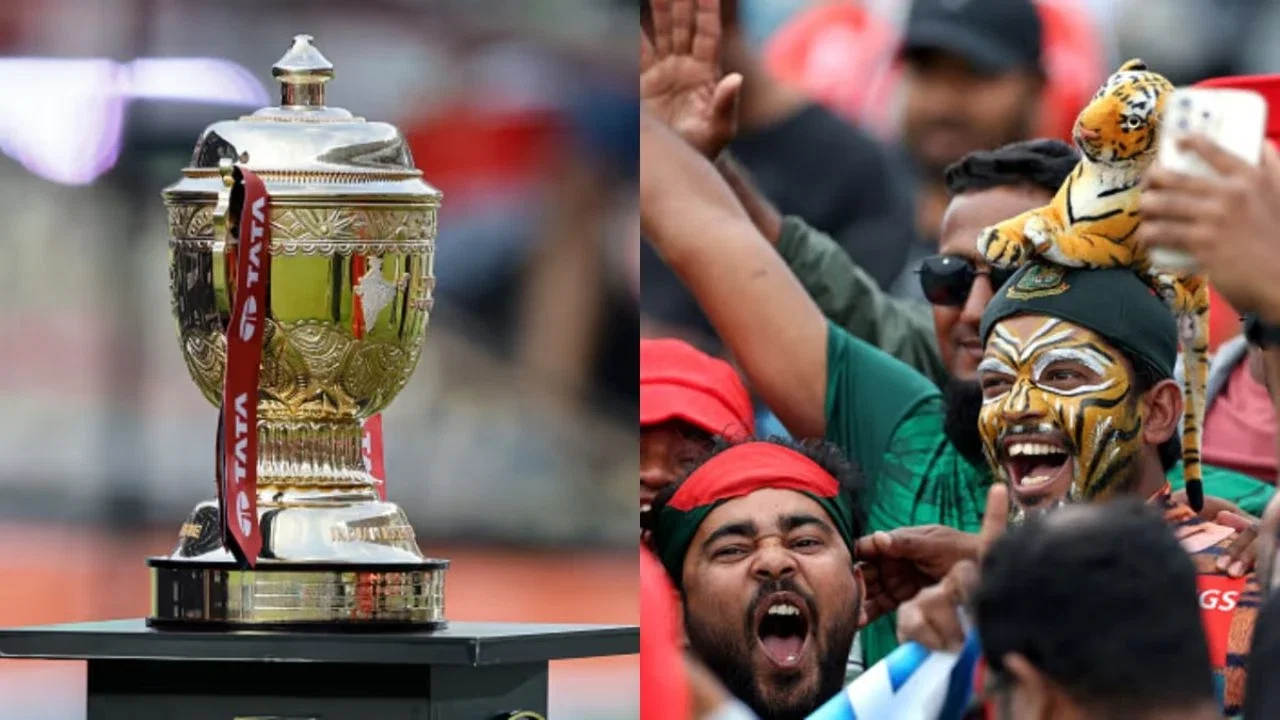
IPL to be broadcasted? Bangladesh government drops massive update on IPL broadcast ban
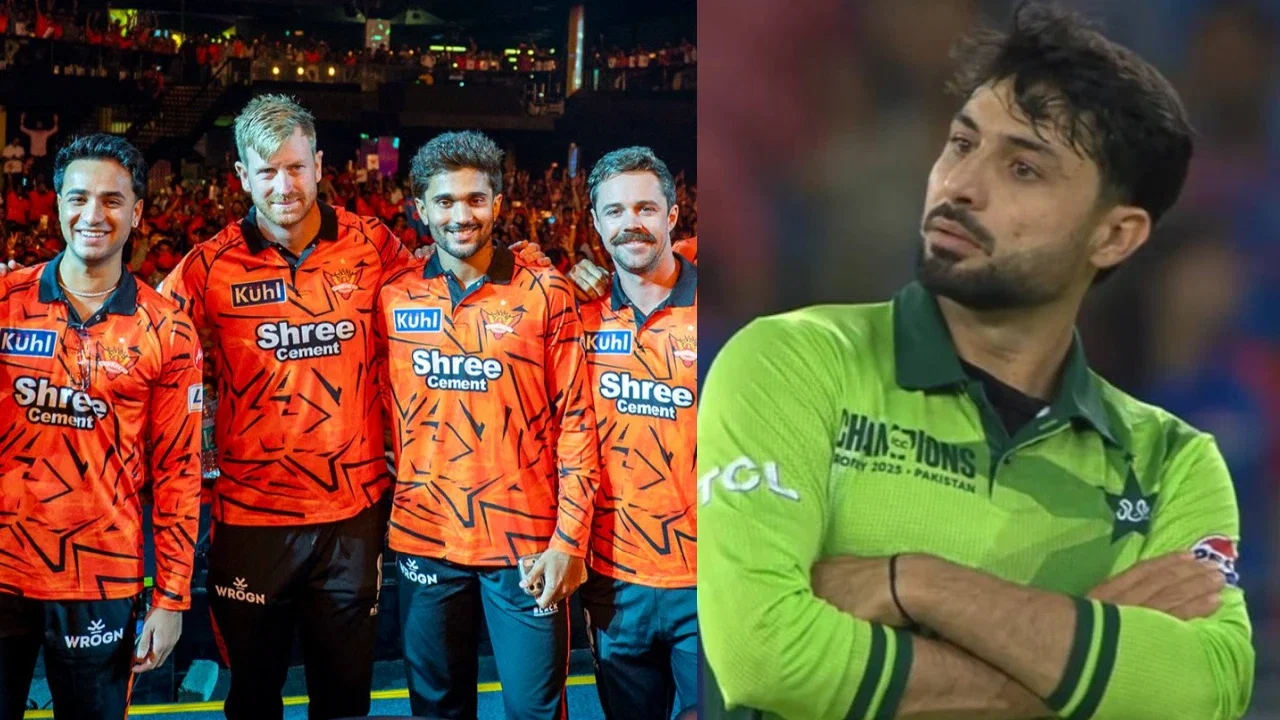
SRH fans to boycott IPL? Former India cricketer shares insights on social media drama around Abrar Ahmed
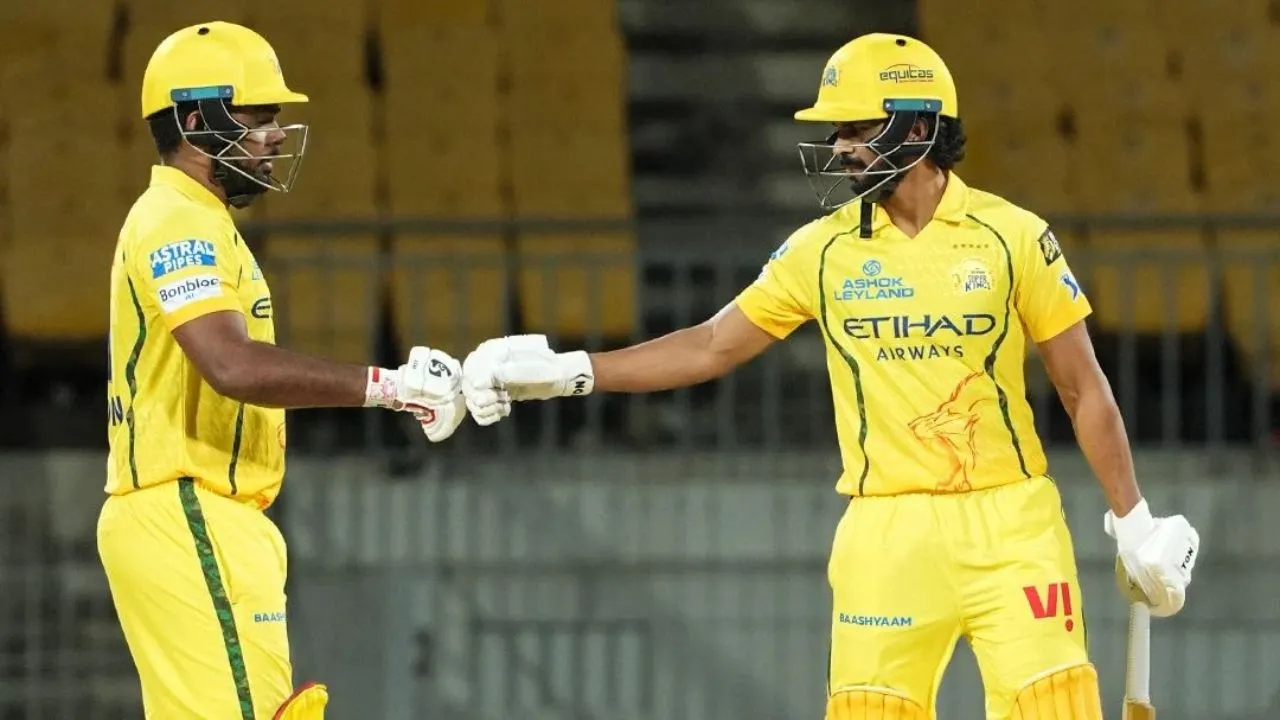
“Explore this opportunity”: Ruturaj Gaikwad shares inside story of convincing Sanju Samson to join CSK
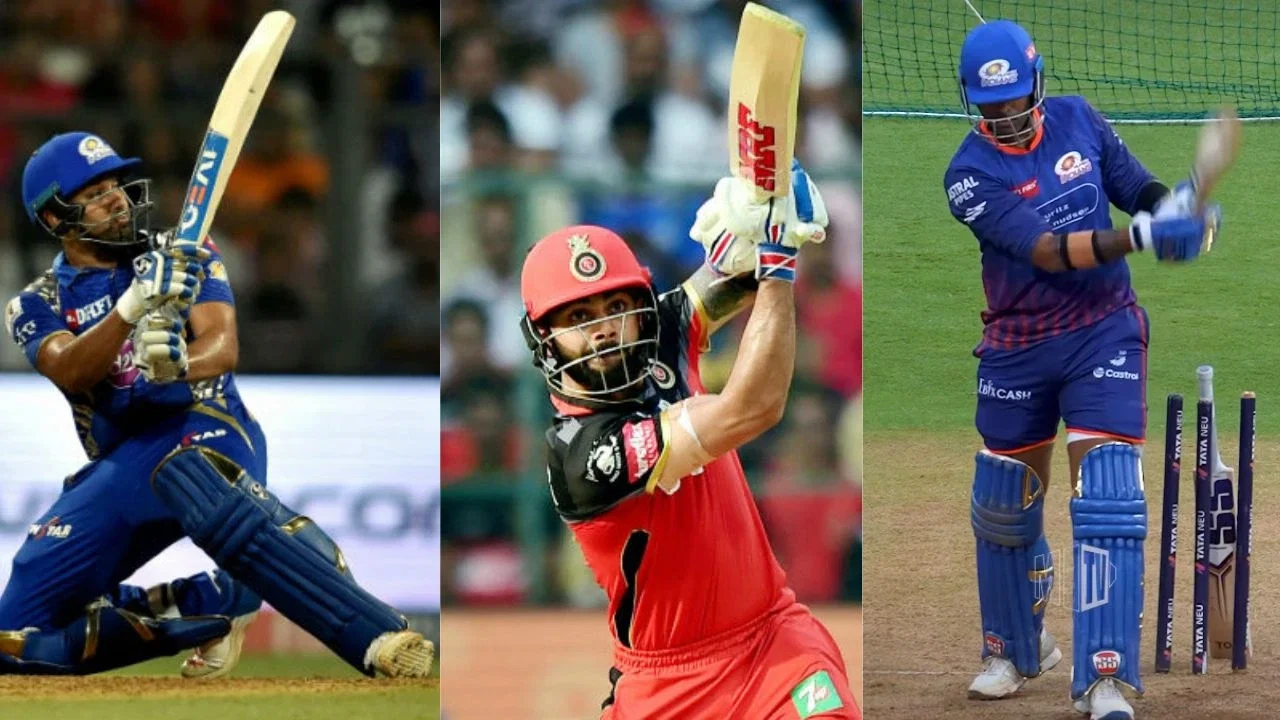
KKR pacer snubs Rohit Sharma, Virat Kohli, picks MI star as most difficult batter he’s bowled to
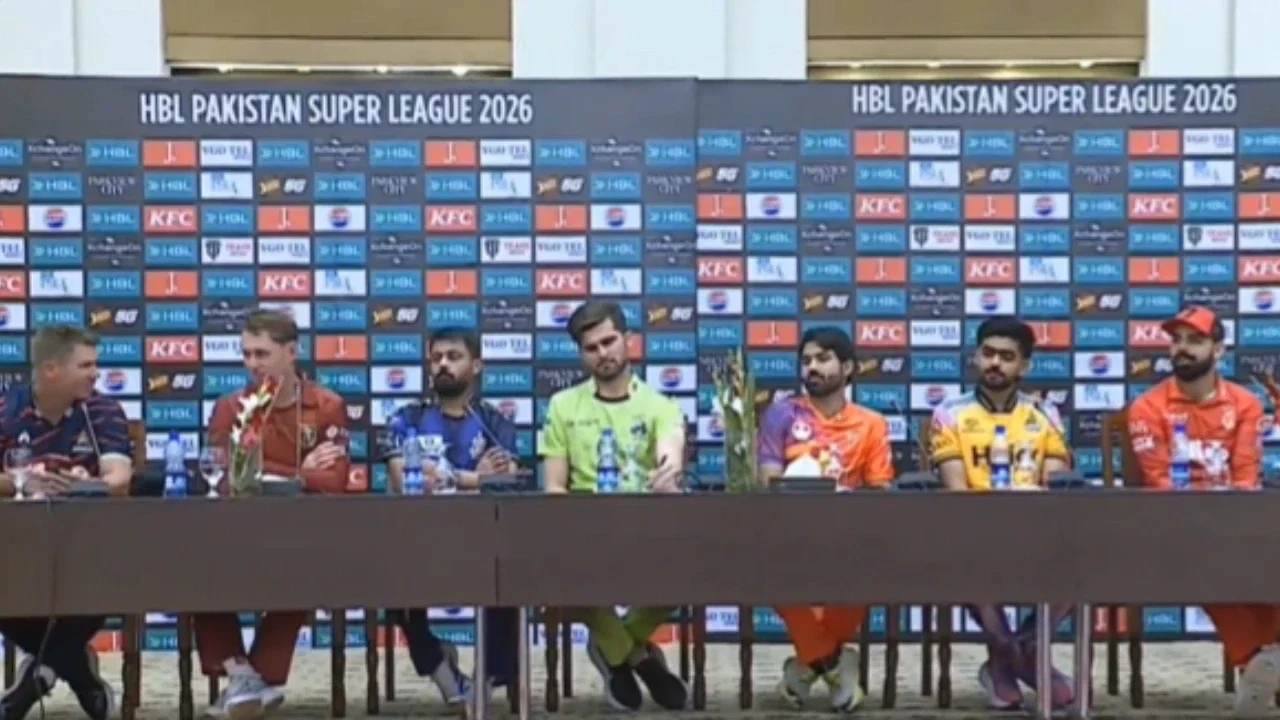
PSL drama erupts! Pakistan great blasted for “lack of manners” after embarrassing ex-England star
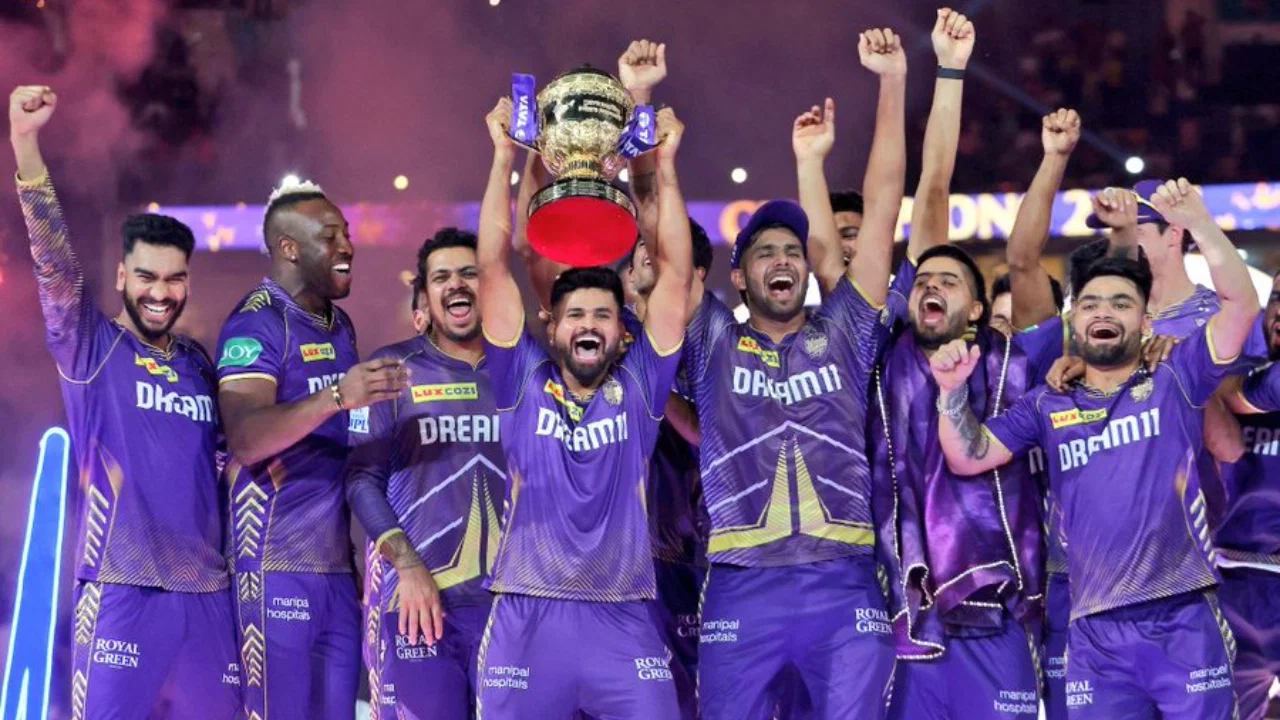
“2024 mein woh underrated the” – Vaibhav Arora on Shreyas Iyer not getting credit for KKR title win
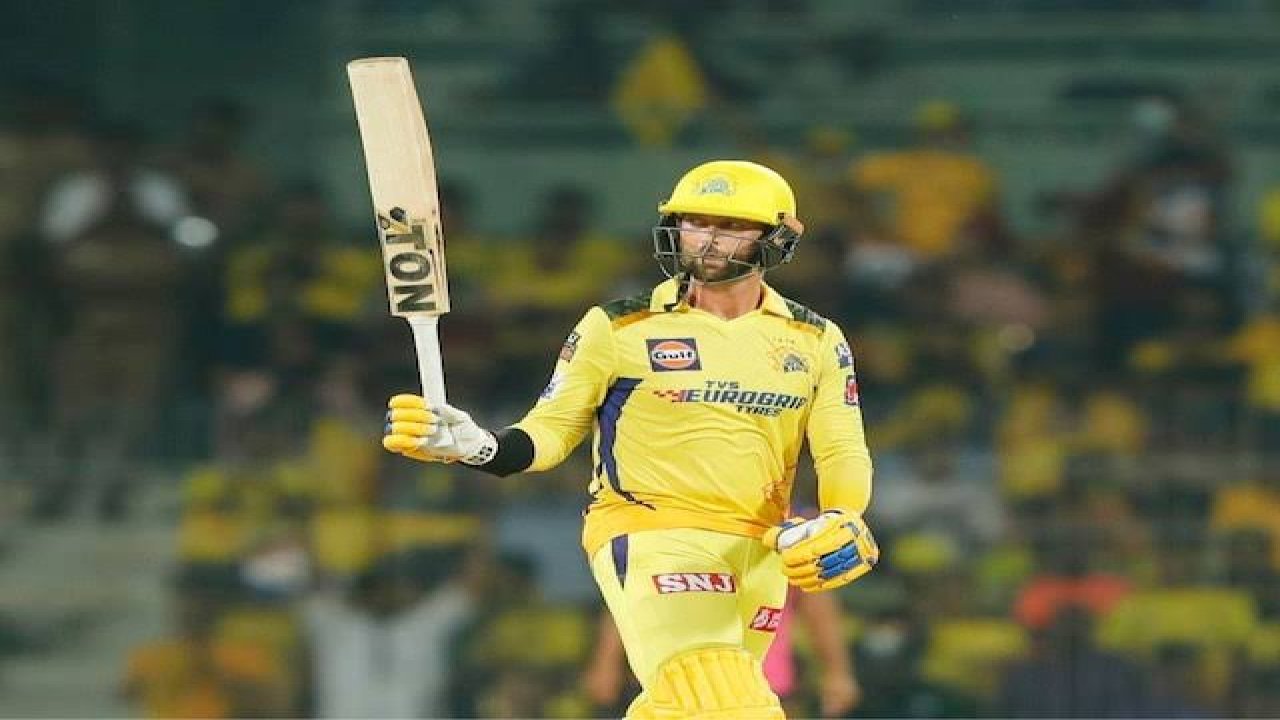
Devon Conway settles IPL vs PSL debate once and for all
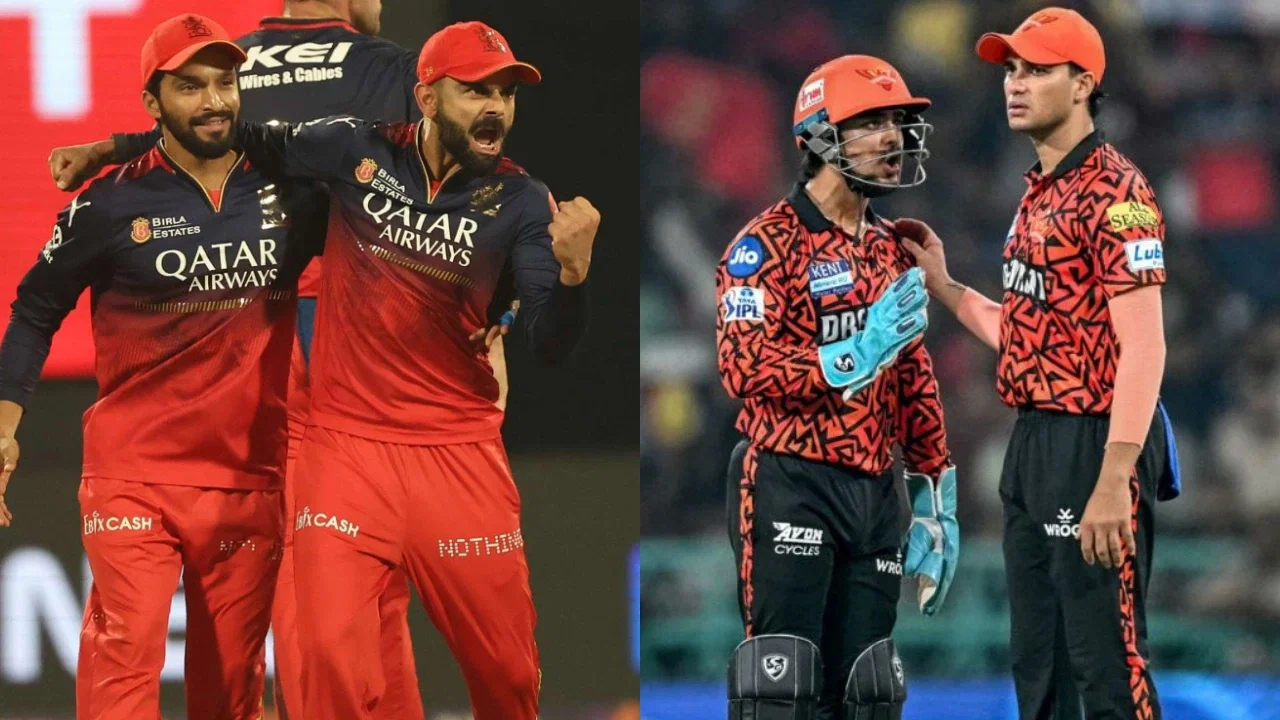
Ex-CSK star’s shocking claim on RCB vs SRH match ahead of IPL 2026
Misbah-ul-Haq takes legal action against Ahmed Shehzad over defamation claims
Naseem Shah charged with central contract violation during PSL 2026
MS Dhoni out of IPL 2026, has not recovered from calf strain
Jasprit Bumrah set to lead MI attack in blockbuster IPL 2026 clash vs KKR