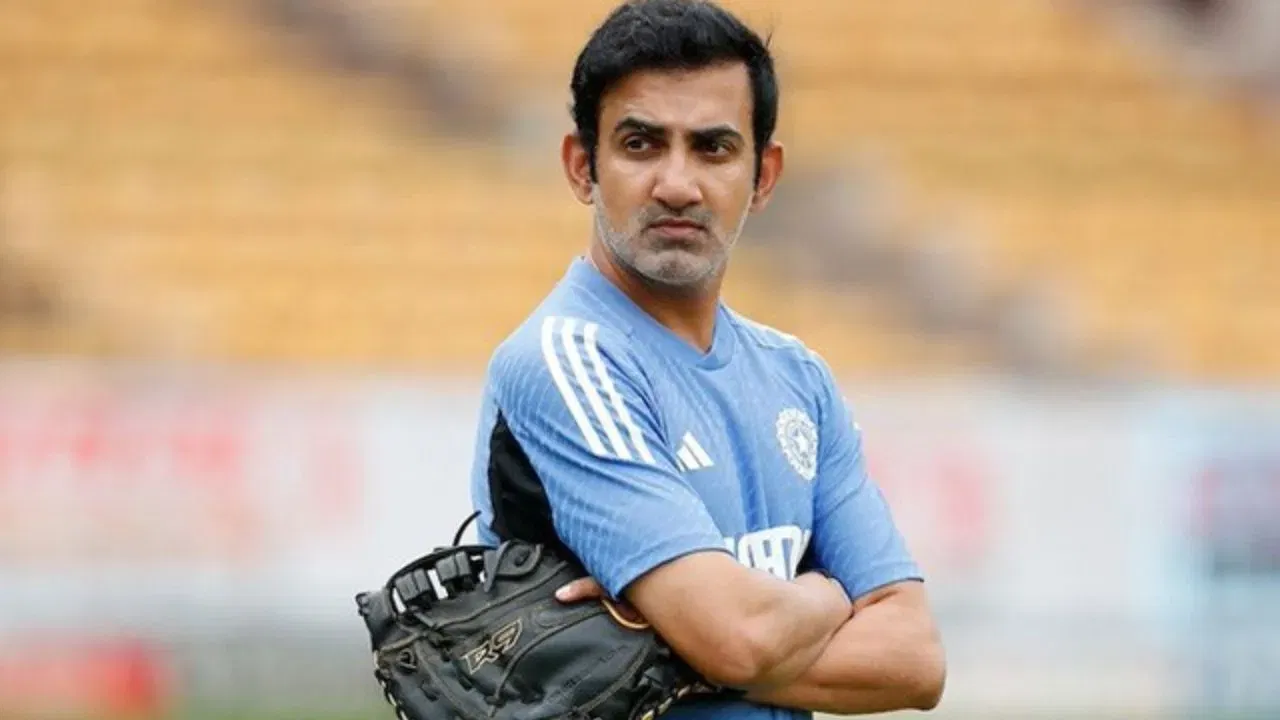
Asia Cup 2025- New Twist!! Pakistan Government denies permission to….

Pakistan’s Decision Not to Send Hockey Team to India Raises Concerns Over Asia Cup 2025
**Pakistan’s Government Decision**
In response to India’s Operation Sindoor and the Pahalgam attack, the Pakistan government has made a significant decision to prioritize the safety of its athletes. With the Asia Cup 2025 and the World Cup on the horizon, concerns over security threats have led to the government’s choice not to send sports teams to India for the upcoming tournaments.
Rana Mashood, the head of the Prime Minister’s Youth Development and Sports Program, emphasized that the safety of Pakistani players is paramount. The government is actively reviewing the security situation for its athletes traveling to India for the sporting events, raising uncertainties over Pakistan’s participation in the upcoming Asia Cup Hockey Tournament.
**Pakistan Hockey Federation’s Efforts**
The Pakistan Hockey Federation (PHF) had sought advice and formal approval from relevant ministries to send players to India for the Asia Cup 2025, which also serves as a qualifier for the 2026 Hockey World Cup. However, the government’s decision to raise security concerns for Pakistani nationals crossing the border has led to the denial of clearance for the Pakistan hockey team to travel to India for the tournament.
**Tournament Details**
The Hockey Asia Cup 2025 is scheduled to be held in India’s Rajgir from 27 August to 7 September 2025. Additionally, the FIH Hockey Junior World Cup 2025 will take place at the Mayor Radhakrishnan Hockey Stadium in Chennai and Madurai in Tamil Nadu from 28 November to 10 December 2025.
**India’s Response and Potential Venue Change**
In a significant development, Pakistan has opted not to send its hockey team to India for the Asia Cup, citing ongoing political and diplomatic tensions between the two nations. While the Pakistan Hockey Federation has not issued an official statement, the government’s concerns over the safety of athletes traveling to India remain a top priority.
**Potential Venue Shift**
On the other hand, with India as the official host of the Asia Cup 2025, there may be a request for a change in venue due to the strained relations with Pakistan. Reports indicate that both countries have agreed not to send their cricket teams to each other’s soil, leading to uncertainty over the tournament’s location. The Asian Cricket Council (ACC) has reached out to the Board of Control for Cricket in India (BCCI) to explore the possibility of shifting the tournament to a neutral venue, although the BCCI has not yet responded.
**Final Thoughts**
The upcoming Asia Cup 2025 faces challenges due to the political and diplomatic tensions between India and Pakistan. As discussions continue regarding the tournament venue, the sports community and fans eagerly await further developments. The decision not to send the hockey team to India underscores the importance of safety and security in sports events, highlighting the impact of geopolitical issues on international sporting competitions.
Pakistan’s Decision and Safety Concerns
Pakistan’s decision not to send their hockey team to India for the Asia Cup 2025 underscores the escalating tensions between the two countries. The safety and security of athletes are of paramount importance, especially in light of recent political incidents. The government’s stance reflects a proactive approach to safeguarding its players in potentially volatile situations. This bold move sets a precedent for prioritizing the well-being of athletes above all else, emphasizing the need for a conducive and secure environment for sports events.
Impact on Qualification for World Cup 2026
The Asia Cup 2025 serves as a crucial qualifier for the 2026 Hockey World Cup, adding further importance to Pakistan’s participation. With the government’s decision not to send the team to India, concerns arise about the implications for Pakistan’s qualification process. The Pakistan Hockey Federation faces a challenging task of exploring alternative options to ensure the team’s chances of securing a spot in the upcoming World Cup. This setback may prompt strategic adjustments and heightened efforts to compensate for the missed opportunity at the Asia Cup.
Regional Sporting Dynamics
The strained relations between India and Pakistan have long influenced sporting events in the region. The decision not to send cricket teams to each other’s soil has set a precedent for avoiding direct sports engagements amidst political tensions. The potential shift in the Asia Cup venue due to these geopolitical issues highlights the intricate interplay between sports, diplomacy, and regional dynamics. As discussions unfold, the sporting community awaits further clarity on the tournament location, with implications for future sporting collaborations between the two nations.
Global Sporting Diplomacy
The Asia Cup 2025 saga reflects the broader theme of sporting diplomacy on the global stage. Sports have historically served as a platform for fostering international relations and bridging divides between nations. However, geopolitical tensions can disrupt these diplomatic efforts, as seen in the case of Pakistan’s decision not to send its hockey team to India. The evolving landscape of sports diplomacy underscores the complexities of navigating political sensitivities while upholding the spirit of fair competition and sportsmanship.
Future of Sporting Events
The uncertainties surrounding the Asia Cup 2025 raise questions about the future of international sporting events in politically tense regions. The need for robust security measures, diplomatic dialogues, and contingency plans becomes imperative to ensure the smooth conduct of tournaments. Stakeholders in the sports industry must collaborate closely with governments and regulatory bodies to address security concerns and mitigate risks associated with hosting events in volatile environments. The case of the Asia Cup 2025 serves as a cautionary tale for organizers and participants alike, highlighting the need for proactive risk management strategies in the realm of sports.
In conclusion, the decision not to send the hockey team to India for the Asia Cup 2025 unveils a broader narrative of geopolitics, sports, and security. As stakeholders navigate the complexities of international relations, the sports community adapts to evolving challenges and opportunities in shaping the future of sporting events. The outcome of the Asia Cup saga will reverberate across the sports landscape, influencing decision-making processes and diplomatic engagements in the realm of sports.
Latest News

Prithvi Shaw declares his mission to return to team India begins from IPL 2026

Irfan Pathan questions Arshdeep Singh’s bowling ahead of IPL 2026
“Mind is somewhere else”: Yuvraj’s Father exposes Abhishek Sharma’s indiscipline lifestyle

EX-RCB pacer joins KKR as replacement of Harshit Rana ahead of IPL 2026

“Win our first trophy”: Sanjiv Goenka crowns LSG as champions ahead of IPL 2026
New catching rule? Captains warned over ‘Incomplete’ catches ahead of IPL 2026

Pat Cummins in awe of Ishan Kishan’s captaincy

Ex-India star accuses teammates of ‘Racism’, blames it for early international exit

“I love watching Shreyas Iyer bat” – PBKS all-rounder Cooper Connolly ahead of IPL 2026

Yograj Singh gives Ravichandran Ashwin belt treatment because of Arjun Tendulkar remarks

CSK legend advises Shubman Gill the best way to bounce back in T20I team

Jasprit Bumrah Injury Scare, reason behind visit to CoE revealed

“Didn’t invite me”: R Ashwin puts Kuldeep Yadav in spotlight over wedding snub

Ireland Cricket announced the full list of central contracts for the 2026-27 season