

Asia Cup 2025: Rashid Latif EXPOSES India’s major weakness before blockbuster Pakistan clash

Rashid Latif Analyzes Why Pakistan Struggles Against India Ahead of Asia Cup 2025 Clash
Former Pakistan wicketkeeper Rashid Latif has shared insights into why the Men in Green often face challenges when playing against India in high-pressure games. As the much-anticipated India vs. Pakistan clash in the ongoing Asia Cup 2025 approaches, scheduled for September 14 in Dubai, Latif highlights key factors that have contributed to Pakistan’s struggles against their arch-rivals.
Emotional Control and Decision-Making
According to Rashid Latif, Pakistan tends to let their emotions take over in tense situations, leading to poor decision-making and costly mistakes during crucial matches against India. This lack of emotional control has been a recurring issue for Pakistan, giving India an edge due to their ability to adapt to pitch conditions and match situations effectively.
Latif’s analysis sheds light on the psychological aspect of the game, emphasizing the importance of composure and strategic thinking in high-stakes encounters.
The History of the Rivalry
The upcoming clash between India and Pakistan in the Asia Cup 2025 will mark their first meeting since the Pahalgam terror attack earlier this year, which strained relations between the two nations. While the rivalry has been one-sided in recent years, with India dominating most encounters, both teams have not played a bilateral series in over a decade, facing off only in ACC or ICC tournaments.
India has been successful in these matches, winning 12 out of the last 15 encounters over the past decade. Notable victories include Virat Kohli’s match-winning innings in the 2022 T20 World Cup and India’s dominant performance in the Asia Cup in 2023.
Pressure and Expectations
Latif highlights the longstanding pressure on Pakistan when facing India, spanning decades of intense competition and expectations. This pressure, combined with emotional responses during crucial moments, has often led to Pakistan’s downfall against their rivals.
As the Asia Cup 2025 clash approaches, Latif suggests that India may seek to exploit Pakistan’s vulnerabilities, capitalizing on the psychological factors that have historically influenced the outcome of matches between the two teams.
India’s T20I Rust as a Potential Advantage
While analyzing the upcoming encounter, Rashid Latif also points out a potential weakness for India. He notes that India has not played T20I matches recently, with their last series being against England in January. This lack of recent T20I action could impact India’s rhythm and performance in the Asia Cup 2025 clash.
Latif concludes by stating, “The only disadvantage for India is that they have not played T20Is. This may affect their preparedness for the upcoming match, providing an opportunity for Pakistan to capitalize on India’s lack of recent match practice.”
With Latif’s expert analysis, fans and cricket enthusiasts can gain valuable insights into the dynamics of the India-Pakistan rivalry and the key factors that may influence the outcome of the highly anticipated Asia Cup 2025 clash.
Team Composition and Strategy
Another factor contributing to Pakistan’s struggles against India is their team composition and strategic approach. In recent years, India has focused on building a balanced squad with a mix of experienced players and young talent, while Pakistan has faced challenges in finding stability and consistency in their lineup.
India’s strong batting lineup, led by players like Virat Kohli and Rohit Sharma, has put pressure on Pakistan’s bowlers and fielding unit. The ability of India’s top order to set big totals or chase down targets effectively has often put Pakistan on the back foot, leading to defensive tactics and reactive strategies from the Men in Green.
On the other hand, Pakistan’s bowling attack, known for its unpredictability and flair, has sometimes struggled to contain India’s batsmen, especially in high-scoring matches. The lack of a clear strategy or effective game plan against India’s aggressive batting has been a recurring issue for Pakistan, impacting their performance in crucial encounters.
Home Advantage and Fan Support
Another aspect that plays a significant role in India’s dominance over Pakistan is the home advantage and strong fan support. In recent years, most of the matches between the two teams have been played in neutral venues or in India, where the crowd support heavily favors the Men in Blue.
The passionate Indian fans, known for their vocal support and unwavering enthusiasm, create an intimidating atmosphere for the Pakistani players, adding to the pressure and expectations during high-profile clashes. This home advantage, coupled with the psychological impact of playing in front of a hostile crowd, has often worked in India’s favor, giving them an edge in crucial moments of the game.
Coaching and Preparation
The role of coaching and preparation also plays a crucial part in the outcomes of India-Pakistan matches. India’s coaching staff, led by experienced mentors and analysts, have implemented structured training programs and game plans that address specific weaknesses of the Pakistan team.
On the other hand, Pakistan’s coaching setup has seen frequent changes and instability, affecting the team’s ability to build long-term strategies and adapt to evolving cricket trends. The lack of continuity in coaching staff and a clear vision for the team’s development have hindered Pakistan’s progress in overcoming their challenges against India.
By focusing on improving coaching methods, strategic planning, and player development, Pakistan can enhance their competitiveness and performance against India in future encounters.
Conclusion
In conclusion, the India-Pakistan rivalry in cricket is a storied one, filled with intense competition, emotional highs and lows, and unpredictable outcomes. While Pakistan has faced challenges in overcoming India’s dominance in recent years, strategic improvements in team composition, coaching, and mental preparedness can help the Men in Green level the playing field and compete more effectively against their arch-rivals.
As the Asia Cup 2025 clash approaches, fans can look forward to a thrilling contest between two cricketing powerhouses, where every ball, run, and decision will be crucial in determining the outcome. With Rashid Latif’s analysis shedding light on the key factors influencing the rivalry, spectators can gain a deeper understanding of the nuances and dynamics at play in one of the most anticipated matches in the cricketing calendar.
Latest News

IPL Points Table 2026: Updated Standings, Orange Cap, Purple Cap After RCB vs SRH Match 1

Virat Kohli, Anushka Sharma share adorable flying kiss moment after RCB vs SRH clash
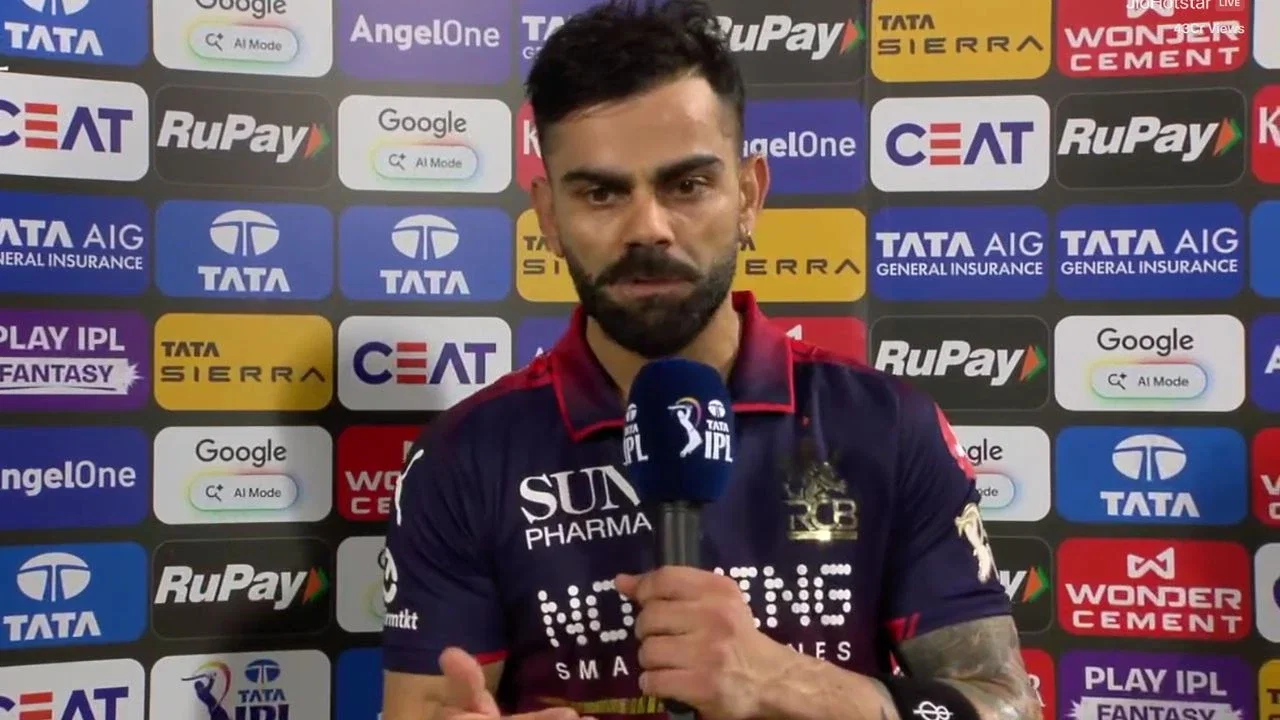
“Absolutely world-class”: Virat Kohli backs Devdutt Padikkal for permanent Team India spot

Rajat Patidar refuses to comment on Virat Kohli; Ishan Kishan admits enjoying after SRH’s loss to RCB

Mumbai Indians suffer blow! Mitchell Santner, Will Jacks ruled out of IPL 2026 games

MI vs KKR Match Prediction – Who Will Win Match No.2? | IPL 2026

Mumbai Indians Playing XI vs Kolkata Knight Riders Playing XI- Match No. 2 | IPL 2026

MI vs KKR Match 2 Preview: Free Live Streaming, Pitch & Weather Report, Head-to-Head | IPL 2026

Not English cricket! Jos Buttler credits IPL for his success as a cricketer

“Nitish Kumar Reddy is biggest fraud”: Fans fume as SRH star fails vs RCB in IPL 2026 opener

Who is Abhinandan Singh? The Virat Kohli troublemaker who made his IPL debut for RCB vs SRH

Heinrich Klaasen engages in heated chat with 4th umpire after Phil Salt’s controversial catch in IPL 2026

Phil Salt grabs one of the greatest catches in IPL history to dismiss Ishan Kishan

Anushka Sharma laughs as Virat Kohli drops a sitter in RCB vs SRH clash (Watch Video)

