Asia Cup 2025: Shreyas Iyer’s team boycott India vs Pakistan clash with savage act

Unique Social Media Post Steals Attention as Punjab Kings Oppose India vs Pakistan Match in Asia Cup 2025
Punjab Kings’ Stand Against India vs Pakistan Match
The Indian Premier League franchise, Punjab Kings, recently made waves on social media with a bold statement regarding the upcoming India vs Pakistan match in the Asia Cup 2025. Amidst the highly anticipated contest between the two cricketing giants, Punjab Kings took a stand by posting a graphic on social media that kept the opponent’s spot vacant. The post immediately caught the attention of many, sparking a conversation about the political tensions between the two nations and the implications of sports in such a scenario.
Plea to Supreme Court and Public Response
Prior to Punjab Kings’ social media post, a plea was made to the Supreme Court of India to cancel the Asia Cup match between India and Pakistan. The plea emphasized the need to prioritize national interests and security over entertainment, especially in the wake of recent terrorist attacks. Despite the plea being rejected by the court, it ignited a debate among cricket fans and the general public about the significance of sporting events in times of conflict.
Controversy Surrounding India vs Pakistan Match
The impending clash between India and Pakistan in the Asia Cup 2025 has been surrounded by controversy and divided opinions. While some view the match as a symbol of sportsmanship and friendly competition, others argue that it sends the wrong message given the strained political relations between the two nations. The debate has raised questions about the role of cricket in diplomacy and the impact of sporting events on national sentiment.
Asia Cup 2025: Anticipation and Ticket Sales
The Asia Cup match between India and Pakistan, scheduled for Sunday, the 14th of September, has generated both excitement and skepticism among fans. While the rivalry between the two teams often draws large crowds and high viewership, recent reports suggest a decline in ticket sales and overall anticipation for the match. This shift in sentiment reflects the broader concerns and uncertainties surrounding the geopolitical context in which the game is taking place.
In conclusion, Punjab Kings’ bold stance against the India vs Pakistan match in the Asia Cup 2025 has sparked a meaningful dialogue about the intersection of sports, politics, and national identity. As the cricketing world awaits the outcome of this highly anticipated clash, the controversy surrounding the fixture serves as a poignant reminder of the complexities inherent in the world of sports.
The Role of Sports in Diplomacy
One of the key aspects highlighted by the controversy surrounding the India vs Pakistan match in the Asia Cup 2025 is the role of sports in diplomacy. In the realm of international relations, sporting events have often been used as a platform for fostering goodwill and promoting dialogue between nations. However, in the case of India and Pakistan, the use of sports as a diplomatic tool is fraught with challenges due to the deep-rooted political tensions between the two countries. While some argue that sports can transcend political differences and bring people together, others caution against the potential for these events to be exploited for propaganda or political gain.
The Power of Symbolism in Cricket
Cricket, as a sport, holds immense symbolic value for both India and Pakistan. The rivalry between the two cricketing nations transcends the boundaries of the pitch and carries with it historical, cultural, and political significance. Matches between India and Pakistan are not merely sporting contests but are often seen as battles for national pride and supremacy. The symbolic weight attached to these encounters adds an additional layer of complexity to the debate surrounding the Asia Cup match, as it underscores the broader implications of the game beyond just the outcome on the scoreboard.
Global Attention and Media Coverage
The controversy surrounding the India vs Pakistan match in the Asia Cup 2025 has garnered significant global attention and media coverage. International media outlets have been closely following the developments leading up to the game, highlighting the multifaceted nature of the debate and the diverse viewpoints expressed by stakeholders. The intense scrutiny placed on this particular match underscores the broader interest in the intersection of sports and politics, especially in regions where sporting rivalries mirror deeper sociopolitical divides.
Impact on Players and Cricketing Community
Amidst the controversy and debate, it is important to consider the impact of the India vs Pakistan match on the players and the broader cricketing community. While cricketers from both nations have often expressed their desire to compete on the field and showcase their skills, they are also acutely aware of the larger context in which these matches take place. The pressure and expectations placed on the players in high-stakes encounters like the Asia Cup match can be immense, as they navigate not only the sporting challenges but also the external pressures and narratives surrounding the game.
Looking Ahead: Future of India-Pakistan Cricket
As the cricketing world braces for the India vs Pakistan match in the Asia Cup 2025, the broader question looms about the future of cricketing ties between the two nations. While cricket has historically served as a bridge between India and Pakistan, recent geopolitical tensions have strained these relations, raising concerns about the sustainability of sporting engagements in the long run. The outcome of the Asia Cup match and the aftermath of the controversy surrounding it may have far-reaching implications for the future of India-Pakistan cricket and the role of sports in navigating complex political landscapes.
In summary, the unique social media post by Punjab Kings opposing the India vs Pakistan match in the Asia Cup 2025 has ignited a multifaceted discussion about the intertwining dynamics of sports, politics, and national identity. As the cricketing world grapples with the implications of this controversy, the enduring legacy of sporting rivalries like India vs Pakistan continues to challenge conventional notions of sportsmanship and diplomacy in the modern era.
Latest News

SRH suffer huge blow! Daniel Vettori confirms another overseas pacer injured amid crisis
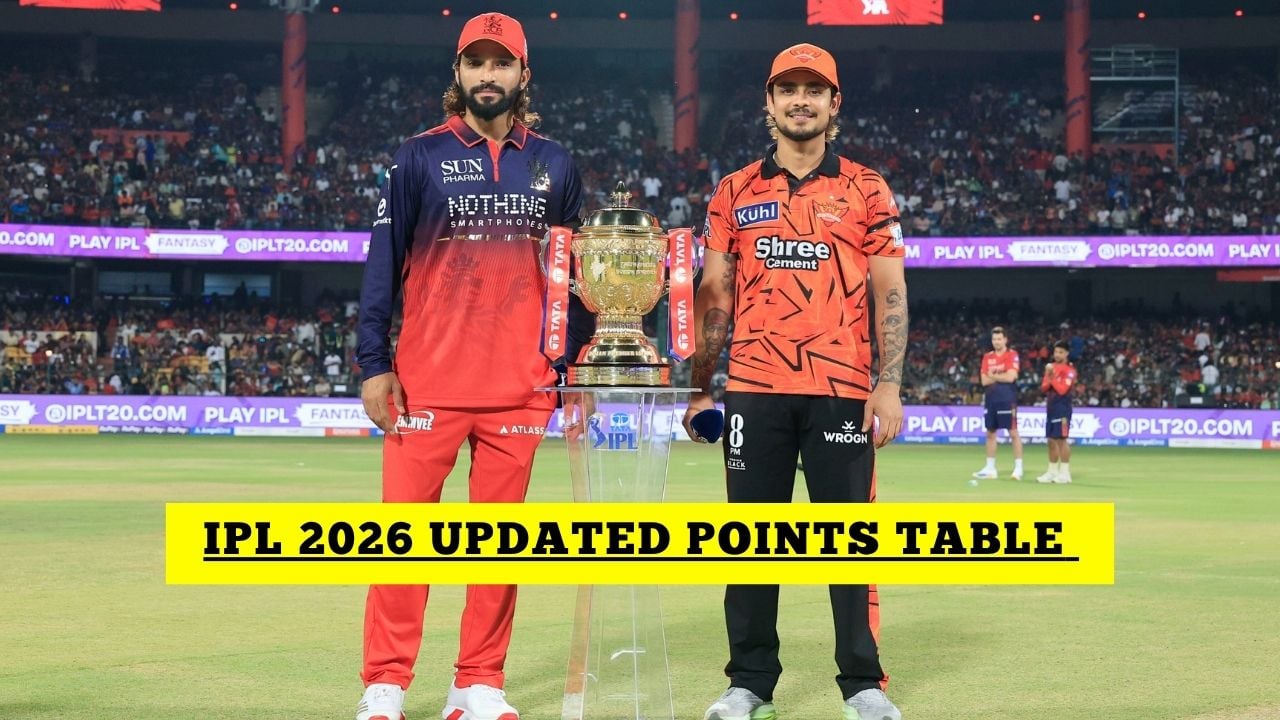
IPL Points Table 2026: Updated Standings, Orange Cap, Purple Cap After RCB vs SRH Match 1
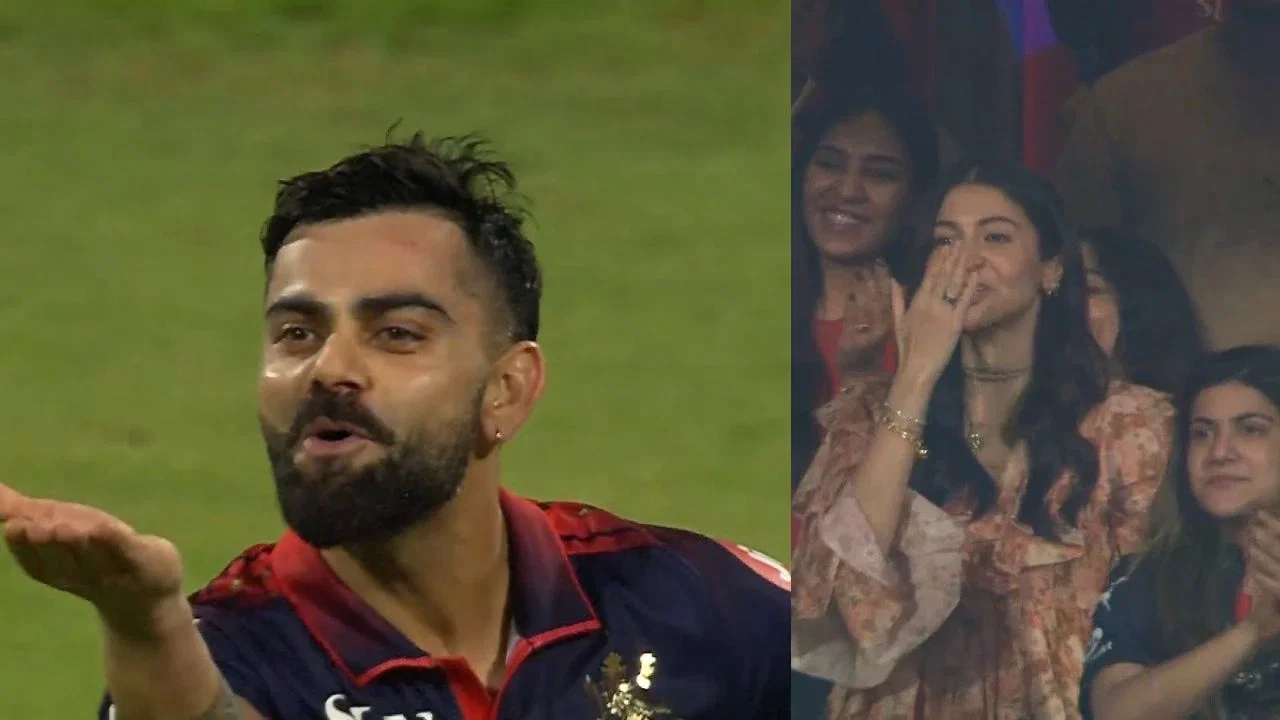
Virat Kohli, Anushka Sharma share adorable flying kiss moment after RCB vs SRH clash
“Absolutely world-class”: Virat Kohli backs Devdutt Padikkal for permanent Team India spot
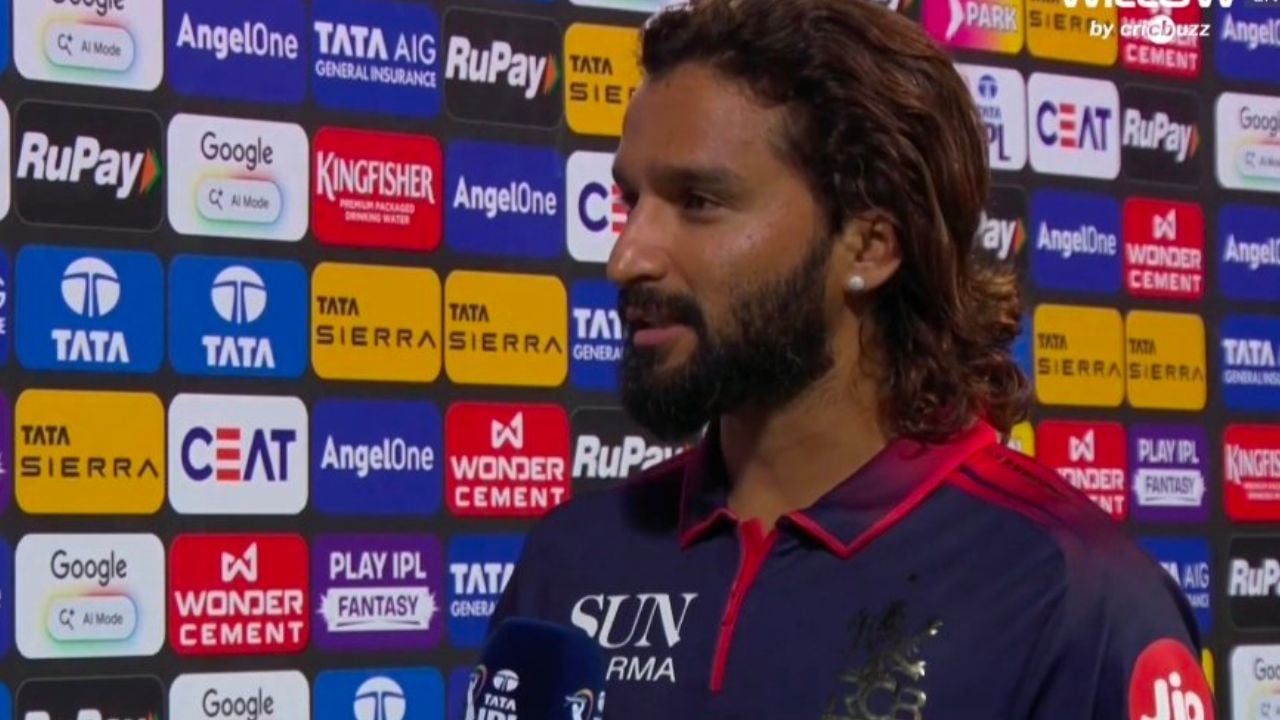
Rajat Patidar refuses to comment on Virat Kohli; Ishan Kishan admits enjoying after SRH’s loss to RCB

Mumbai Indians suffer blow! Mitchell Santner, Will Jacks ruled out of IPL 2026 games
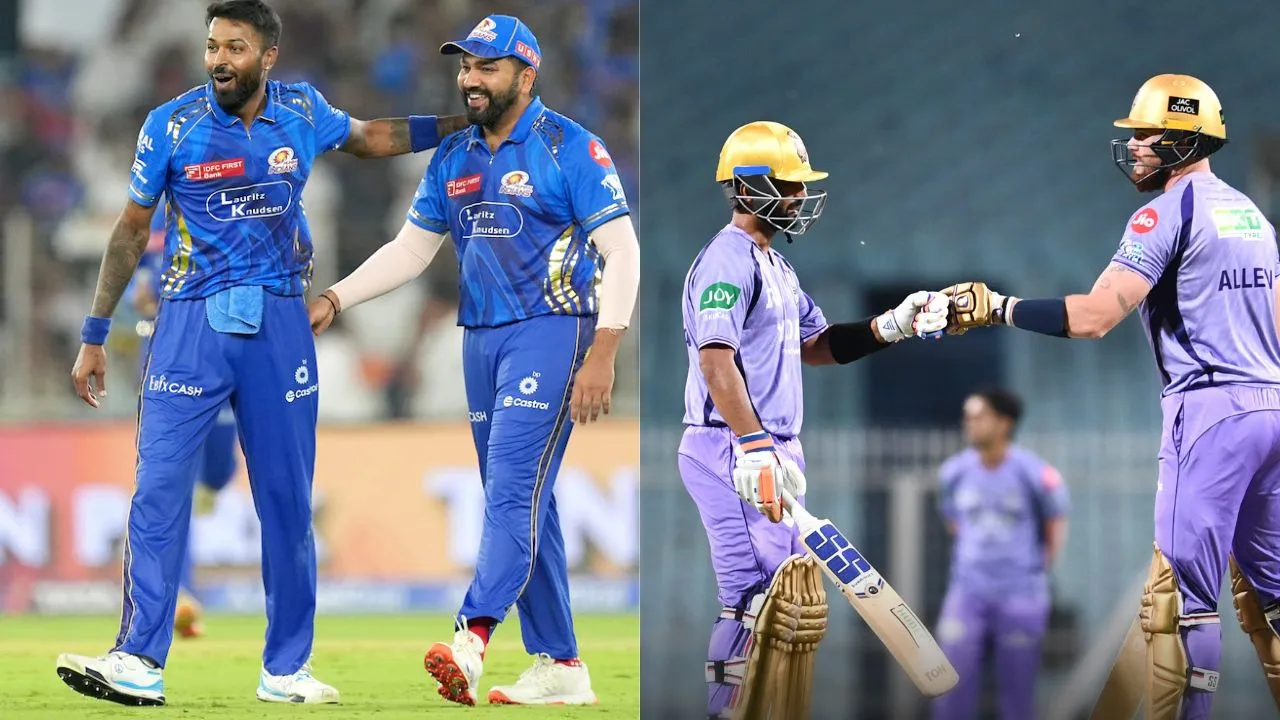
MI vs KKR Match Prediction – Who Will Win Match No.2? | IPL 2026
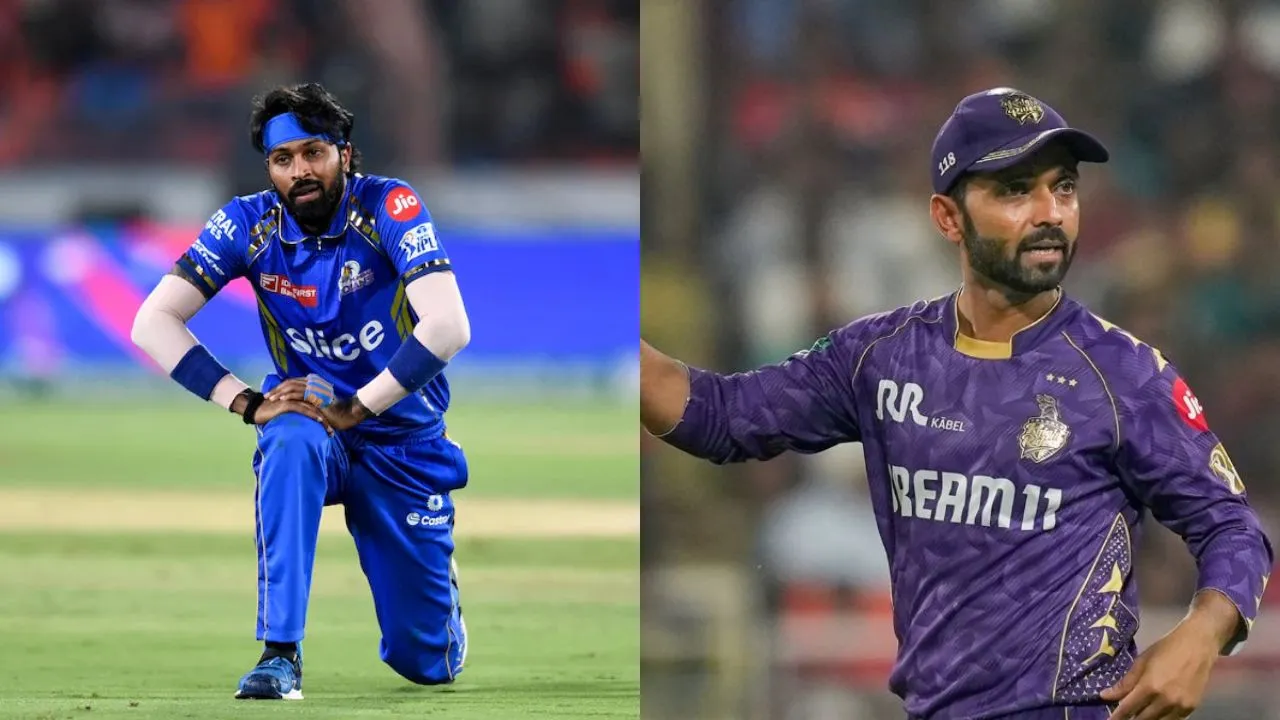
Mumbai Indians Playing XI vs Kolkata Knight Riders Playing XI- Match No. 2 | IPL 2026
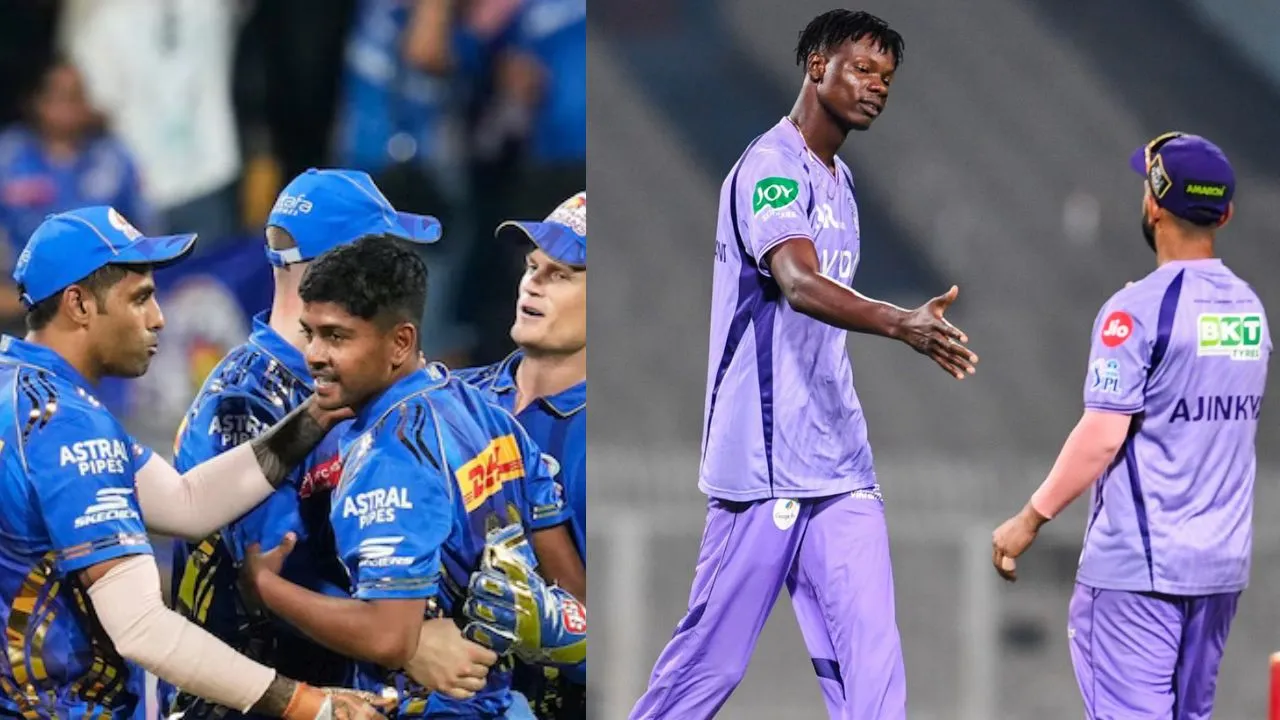
MI vs KKR Match 2 Preview: Free Live Streaming, Pitch & Weather Report, Head-to-Head | IPL 2026
Not English cricket! Jos Buttler credits IPL for his success as a cricketer
“Nitish Kumar Reddy is biggest fraud”: Fans fume as SRH star fails vs RCB in IPL 2026 opener
Who is Abhinandan Singh? The Virat Kohli troublemaker who made his IPL debut for RCB vs SRH
Heinrich Klaasen engages in heated chat with 4th umpire after Phil Salt’s controversial catch in IPL 2026
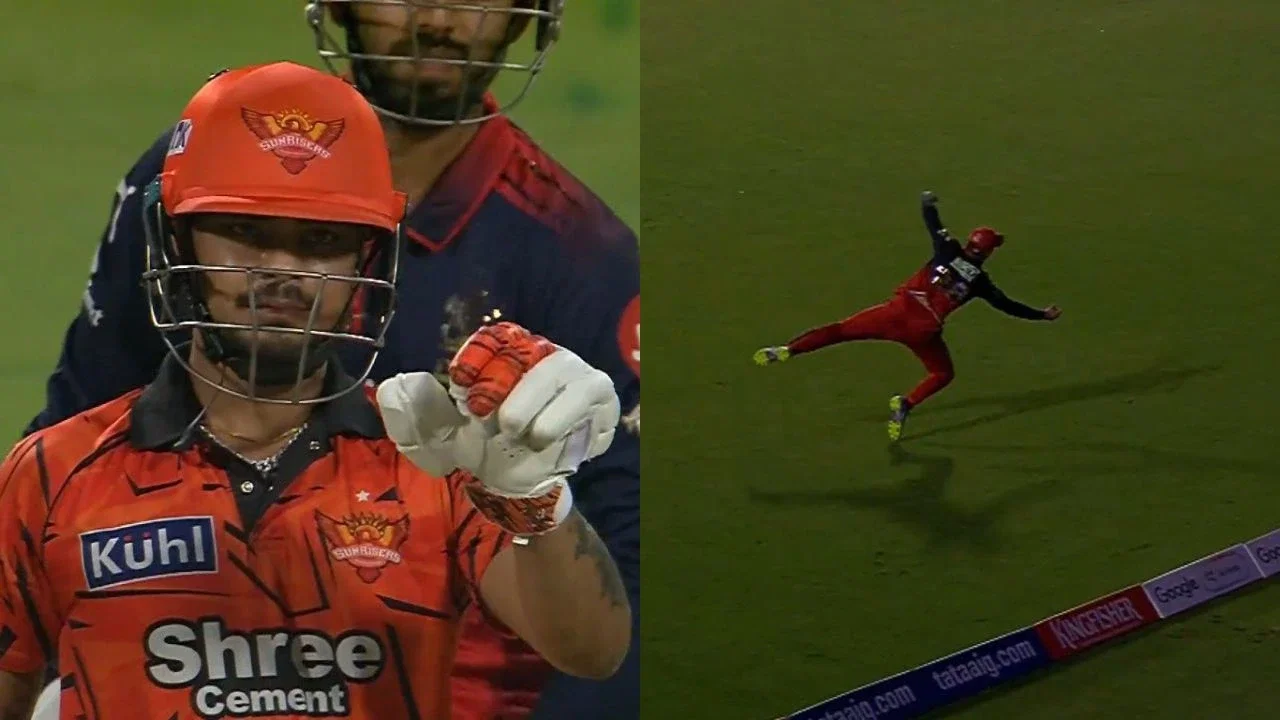
Phil Salt grabs one of the greatest catches in IPL history to dismiss Ishan Kishan