

Asia Cup 2025: Shubman Gill to replace Rinku Singh in India squad, RCB star to be back-up keeper
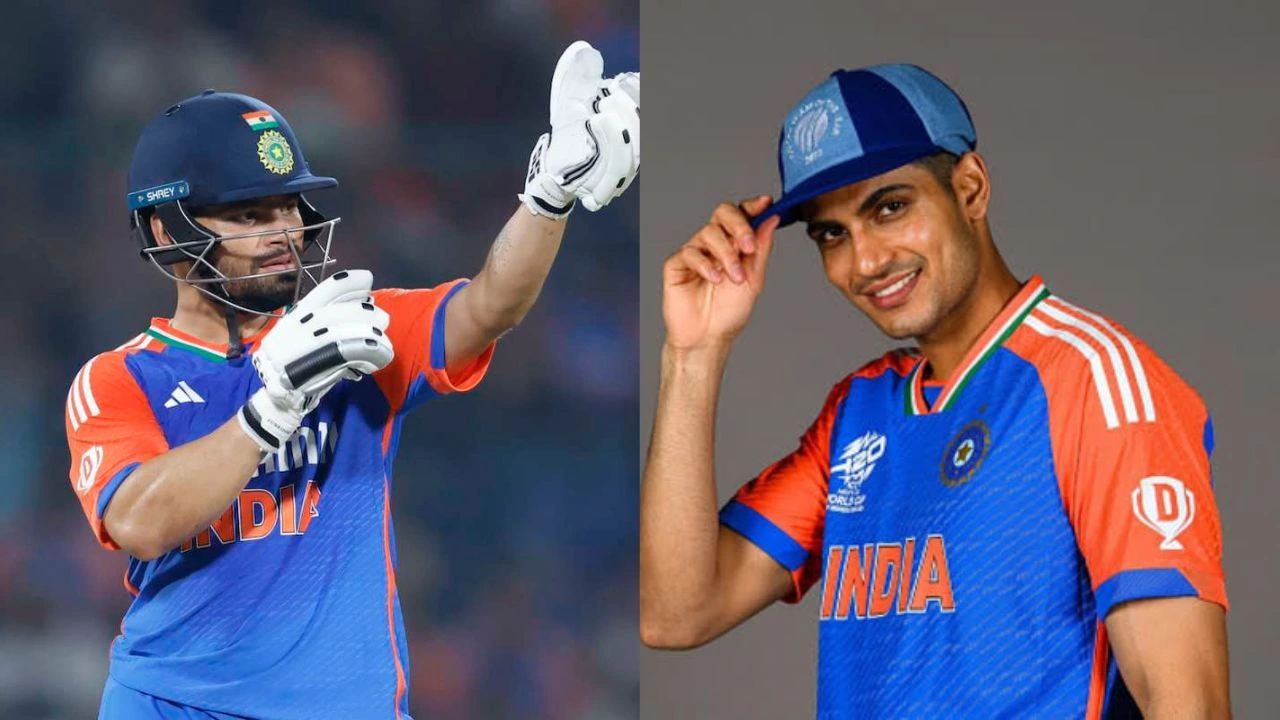
India National Cricket Team Test skipper Shubman Gill’s potential selection in the T20I squad for the upcoming Asia Cup 2025 has stirred up discussions about the fate of Rinku Singh, a talented middle-order batter. Singh, who gained recognition after his impressive performance in IPL 2023, is now facing uncertainties about his spot in the team.
Rinku Singh’s Struggles
Rinku Singh, a 27-year-old batter from Uttar Pradesh, rose to prominence during IPL 2023 when he played a crucial role in a remarkable victory for the Kolkata Knight Riders. His success in the IPL earned him opportunities to represent India in T20I and ODI matches, where he initially showcased promising performances. However, a dip in form resulted in his exclusion from the ICC Men’s T20 World Cup 2024 squad.
Since then, Singh has struggled to maintain consistent performances, with limited opportunities in IPL 2024 and a below-par showing in IPL 2025, where he only managed to score 206 runs. As India prepares to announce its squad for the Asia Cup, Singh’s place in the team is under scrutiny.
Shubman Gill’s Impact
The inclusion of Shubman Gill in the T20I squad has raised concerns about Singh’s position in the team. Reports suggest that Gill’s presence could potentially threaten Singh’s spot in the upcoming tournaments, including the Asia Cup 2025 and the ICC Men’s T20 World Cup 2026.
With India’s top five likely to feature Abhishek Sharma, Sanju Samson, Tilak Varma, Suryakumar Yadav, and Hardik Pandya, the competition for places in the middle order is intense. Even highly touted batters like Yashasvi Jaiswal and Shubman Gill are not guaranteed selections, emphasizing the team’s depth and talent pool.
Possible Alternatives
If Singh is not chosen for the finishing role, India may opt for players like Shivam Dube, known for his all-round abilities, or Jitesh Sharma, who provides backup as a wicketkeeper-batsman. The decision regarding Singh’s inclusion may reflect a strategic preference for multi-skilled players, as suggested by former cricketer Gautam Gambhir.
Expert Insights
A former BCCI selection committee member highlighted the challenges in finalizing the T20I squad, noting the dilemma of accommodating players like Shreyas Iyer and Shubman Gill without disrupting the existing top order. The expert emphasized the competitiveness for spots in the team and suggested that Singh’s place could be uncertain due to the team’s priorities and requirements.
As India’s selectors deliberate on the composition of the T20I squad for the Asia Cup and beyond, the fate of Rinku Singh hangs in the balance. With emerging talents vying for opportunities and established players seeking to reclaim their form, the competition within the national team promises to be intense and intriguing.
The Rise of Multi-Dimensional Players
In the modern game of cricket, the trend towards selecting multi-skilled players is becoming increasingly prevalent. Teams are looking for individuals who can contribute in multiple facets of the game, whether it be batting, bowling, or fielding. This shift in focus has put pressure on specialists like Rinku Singh, who may excel in one particular area but struggle to adapt to the demands of a dynamic playing environment.
Players like Shivam Dube, who can provide both power-hitting capabilities and useful overs with the ball, are becoming invaluable assets in T20 cricket. The ability to contribute in various roles not only adds depth to the team but also allows for greater flexibility in strategy and tactics. As the game evolves, the importance of versatile players like Dube cannot be understated, potentially influencing the selection decisions for upcoming tournaments.
Adapting to Evolving T20 Formats
The fast-paced nature of T20 cricket requires players to constantly adapt and innovate to stay ahead of the competition. With the rise of new formats like the Hundred and T10 cricket, the traditional roles of batters and bowlers are being redefined. Batters are expected to score quickly and consistently, while bowlers need to be adept at containing runs and taking wickets in high-pressure situations.
For players like Rinku Singh, finding a balance between being a finisher and a stabilizing presence in the middle order can be a challenging task. The ability to read the game situation, rotate strike efficiently, and accelerate when needed are crucial skills that can make or break a player’s career in T20 cricket. As selectors evaluate potential candidates for the national team, these factors will undoubtedly play a significant role in shaping the final squad.
Performance vs. Potential
One of the perennial debates in cricket selection revolves around the balance between performance and potential. While established players like Rinku Singh may have a proven track record in certain conditions, emerging talents like Shubman Gill bring a fresh perspective and the promise of future success. Selectors often grapple with this dilemma, weighing the immediate impact of experienced players against the long-term investment in younger prospects.
In the case of the upcoming Asia Cup, the decision to include Shubman Gill over Rinku Singh may reflect a strategic shift towards building a team for sustained success in the future. Gill’s pedigree as a top-order batter and his ability to adapt to different formats make him a compelling choice for selectors looking to inject new energy into the squad. While Singh’s contributions cannot be discounted, the allure of potential stardom may sway the decision-making process in favor of Gill.
Conclusion
As the selection process unfolds for the T20I squad, the story of Rinku Singh and the potential rise of Shubman Gill add layers of intrigue and complexity to India’s cricketing landscape. The delicate balance between experience and youth, specialization and versatility, and performance and potential will ultimately shape the composition of the team for the Asia Cup and beyond. Whether Singh can overcome his struggles and reclaim his spot in the national team or if Gill’s emergence signals a new era of talent remains to be seen. One thing is certain – the battle for supremacy within the Indian cricket team is fierce, and only the most resilient and adaptable players will emerge victorious.
Latest News

No more all-rounder? Cameron Green drops bombshell on IPL 2026 role after auction listing twist
PCB set to copy BCCI by launching WPL-style Women’s League
Mohsin Naqvi complains to Jay Shah as ICC humiliates Pakistan Captain before T20 World Cup 2026

‘Abhishek Sharma forgets the basics’: AB de Villiers blasts Yuvraj Singh’s protégé
AB de Villiers trashes ICC Rankings after Rohit Sharma, Virat Kohli claim Top 2 spots

Ex-RCB coach plots last-minute exit of Mayank Yadav from LSG ahead of IPL Auction

Virat Kohli’s surprise India visit with Anushka Sharma sparks Lionel Messi crossover talks

Hobart Hurricanes destroy Perth Scorchers to claim maiden WBBL title

Shocking! Ben Stokes & Co. caught ABUSING Aussie reporter with ‘Pr*ck’ slur in Adelaide

Josh Hazlewood contemplating retirement amid injury concerns? Pacer finally breaks silence

Gautam Gambhir accused of bias by ex-India star, told to drop Shubman Gill for Sanju Samson

Huge blow for Sydney Sixers ahead of BBL 2025-26! Sean Abbott RULED OUT of…

Cricket World reacts as Lionel Messi forced to flee early as fans turn Salt Lake Stadium into WAR ZONE

Usman Khawaja makes huge RETIREMENT declaration, reveals what Pat Cummins thinks about him


