

Asia Cup 2025: Sri Lanka cricketer banned by ICC for match-fixing
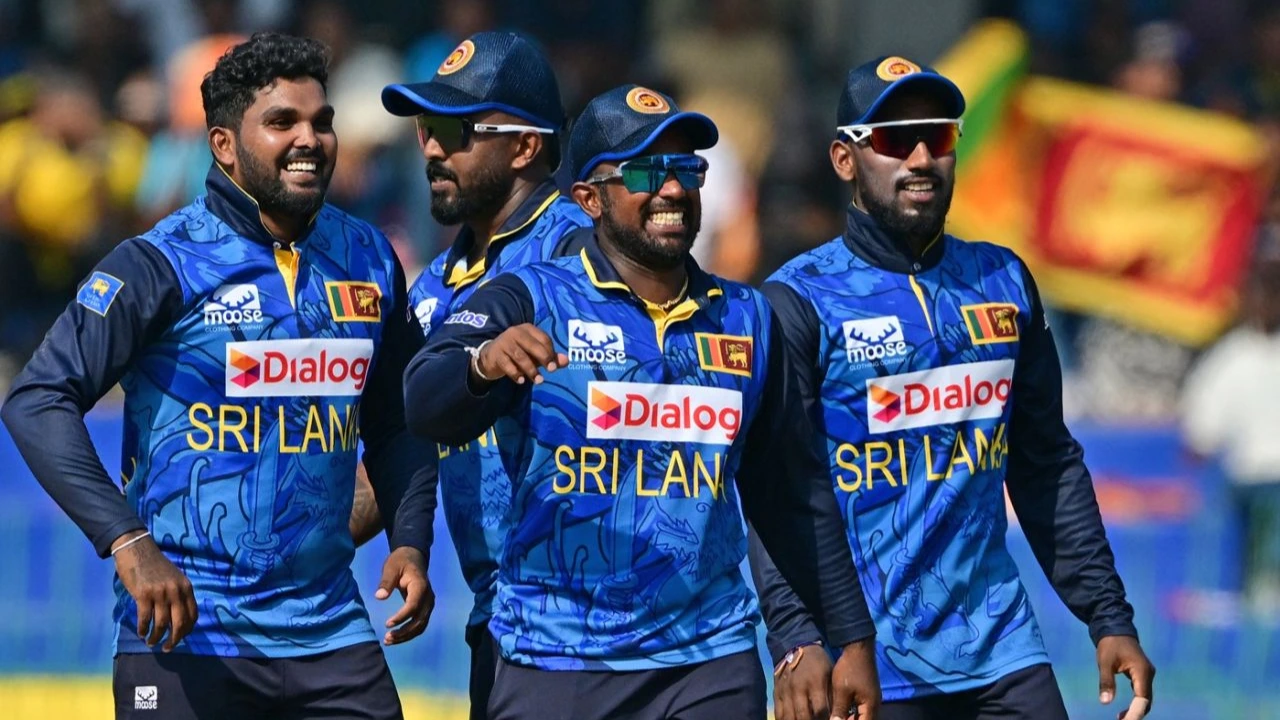
Former Sri Lankan Cricketer Saliya Saman Receives Five-Year Ban for Match-Fixing Attempt
Former Sri Lankan domestic cricketer Saliya Saman has been handed a five-year ban from all forms of cricket after being found guilty of attempting to manipulate matches during the 2021 Abu Dhabi T10 League. The International Cricket Council (ICC) Anti-Corruption Tribunal determined that Saman had breached the Emirates Cricket Board’s Anti-Corruption Code.
Multiple Violations Uncovered
During the 2021 Abu Dhabi T10 League, Saman was among eight individuals associated with the Pune Devils franchise who were charged with various violations of the Anti-Corruption Code. The tribunal found him guilty of attempting to fix matches, offering rewards to other players to engage in corrupt conduct, and encouraging others to violate the Code.
The Devils had a disappointing run in the tournament, finishing last with just one win in six matches. This incident marked the end of their participation in the league.
Ban Details and Career Stats
The ICC’s statement regarding Saman’s ban highlighted that the cricketer’s suspension would be effective for five years, starting from the date of his provisional suspension on September 13, 2023. The punishment was backdated to reflect the time already served by Saman.
Despite the ban, Saman’s cricketing career has been quite extensive. The 39-year-old has competed in 101 first-class matches, 77 List A games, and 47 T20 fixtures. Throughout his career, he has scored 3,662 runs in first-class cricket, 898 runs in List A matches, and 673 runs in T20 games. Additionally, Saman has taken over 350 wickets across all formats.
Nasir Hossain’s Return to Cricket
Earlier this year, Bangladesh all-rounder Nasir Hossain made a comeback to professional cricket after serving a two-year ban for violating the ICC Anti-Corruption Code during the 2020-21 Abu Dhabi T10 League. The 33-year-old had faced charges related to failing to report receiving gifts, not disclosing approaches for corrupt conduct, and refusing to cooperate with anti-corruption officials.
After completing his suspension period, Hossain returned to the field to play for the Rupganj Tigers Cricket Club in the ongoing Dhaka Premier League. His case serves as a reminder of the ICC’s strict stance against corruption in cricket and the consequences players face for breaching the Anti-Corruption Code.
It is crucial for players and officials to uphold the integrity of the sport and adhere to the highest ethical standards to maintain the trust and credibility of cricket among fans and stakeholders.
Impact of Match-Fixing on Cricket
The issue of match-fixing and corruption in cricket has plagued the sport for decades, tarnishing its reputation and undermining the spirit of fair competition. Cases like those of Saliya Saman and Nasir Hossain highlight the ongoing challenge that cricket authorities face in combating such unethical practices.
Match-fixing not only compromises the integrity of the game but also erodes the trust of fans and sponsors who invest their time and money in cricket. The specter of corruption casts a shadow over every match, leaving fans questioning the authenticity of players’ performances and the fairness of outcomes.
Preventive Measures and Education
To address the scourge of match-fixing, cricket governing bodies have implemented stringent anti-corruption measures and educational programs aimed at raising awareness among players, officials, and stakeholders. Training sessions, workshops, and mandatory courses on anti-corruption practices have become standard protocols for all individuals involved in cricket.
By educating players about the consequences of engaging in corrupt activities and the importance of reporting any suspicious approaches, cricket authorities hope to create a culture of transparency and accountability within the sport. Additionally, the presence of anti-corruption units and surveillance mechanisms during matches serves as a deterrent to those contemplating wrongful behavior.
Rehabilitation and Reintegration
While imposing bans on players like Saliya Saman and Nasir Hossain is necessary to uphold the integrity of the sport, there is also a need for rehabilitation and reintegration programs to help offenders learn from their mistakes and make amends. Providing support and counseling to players who have strayed from the ethical path can facilitate their reentry into cricket with a renewed commitment to fair play.
By encouraging repentance, rehabilitation, and redemption, cricket authorities aim to prevent recidivism and cultivate a culture of second chances within the sport. It is essential to strike a balance between punishment and support to ensure that players understand the gravity of their actions while also giving them an opportunity to reform and contribute positively to the game.
Global Efforts Against Corruption
Match-fixing is not limited to a specific region or tournament; it is a global phenomenon that requires coordinated efforts from cricket boards, law enforcement agencies, and international bodies like the ICC to combat effectively. Collaboration among different stakeholders, information sharing, and unified strategies are vital in the fight against corruption in cricket.
Through collective action and a zero-tolerance approach towards match-fixing, cricket can regain the trust of fans and reaffirm its commitment to fair play and sportsmanship. The battle against corruption is ongoing, but with continued vigilance, education, and enforcement, cricket can strive towards a cleaner and more transparent future.
Conclusion
As the cases of Saliya Saman and Nasir Hossain demonstrate, the repercussions of match-fixing in cricket are severe, affecting not only the individuals involved but also the integrity of the sport as a whole. By addressing the root causes of corruption, implementing preventive measures, and promoting ethical behavior, cricket can safeguard its reputation and uphold the values of honesty, fairness, and respect.
It is imperative for players, officials, and fans to remain vigilant, report any suspicious activities, and work together to preserve the purity of cricket. Only through collective action and unwavering commitment to integrity can cricket continue to thrive as a noble and beloved sport around the world.
Latest News
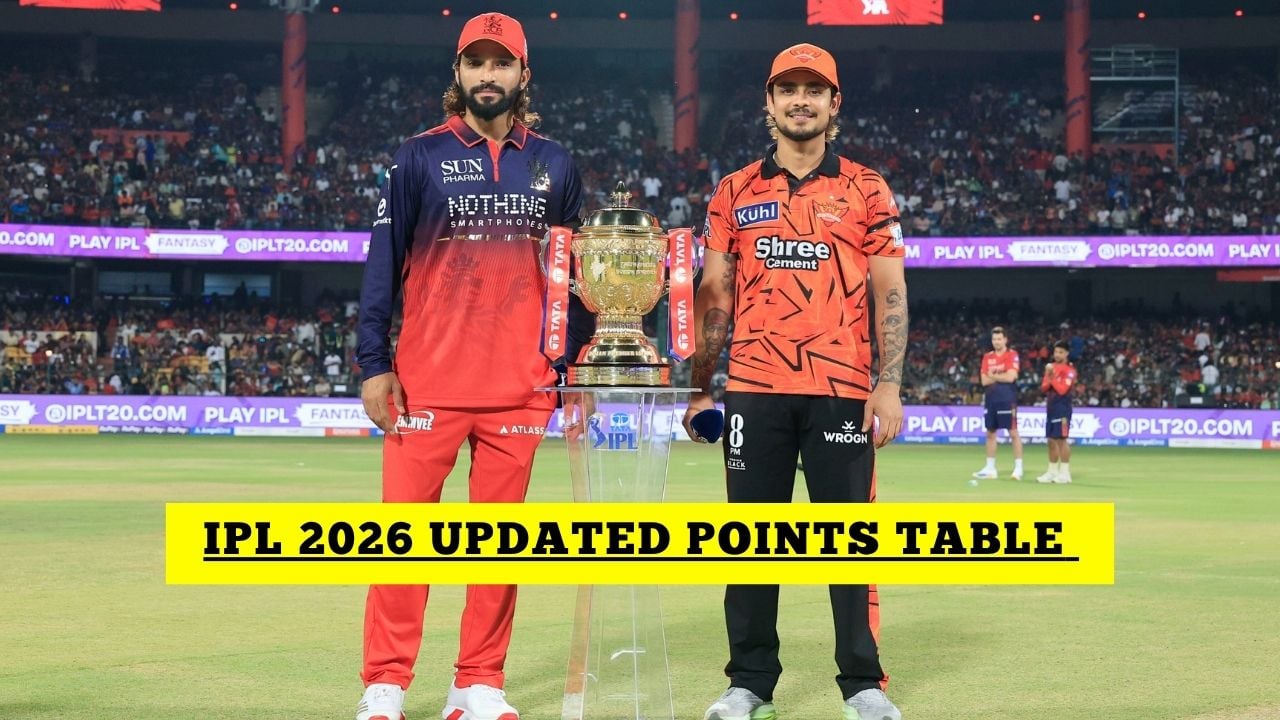
IPL Points Table 2026: Updated Standings, Orange Cap, Purple Cap After RCB vs SRH Match 1
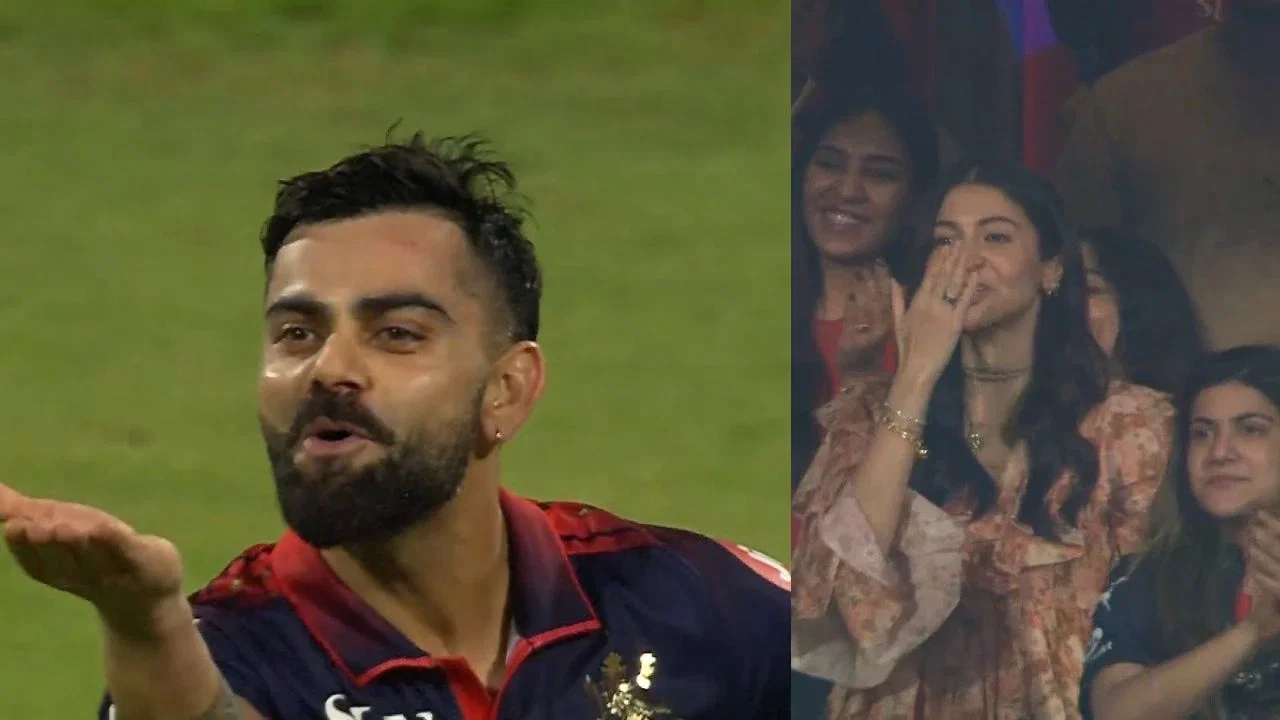
Virat Kohli, Anushka Sharma share adorable flying kiss moment after RCB vs SRH clash
“Absolutely world-class”: Virat Kohli backs Devdutt Padikkal for permanent Team India spot
Rajat Patidar refuses to comment on Virat Kohli; Ishan Kishan admits enjoying after SRH’s loss to RCB

Mumbai Indians suffer blow! Mitchell Santner, Will Jacks ruled out of IPL 2026 games
MI vs KKR Match Prediction – Who Will Win Match No.2? | IPL 2026
Mumbai Indians Playing XI vs Kolkata Knight Riders Playing XI- Match No. 2 | IPL 2026
MI vs KKR Match 2 Preview: Free Live Streaming, Pitch & Weather Report, Head-to-Head | IPL 2026
Not English cricket! Jos Buttler credits IPL for his success as a cricketer
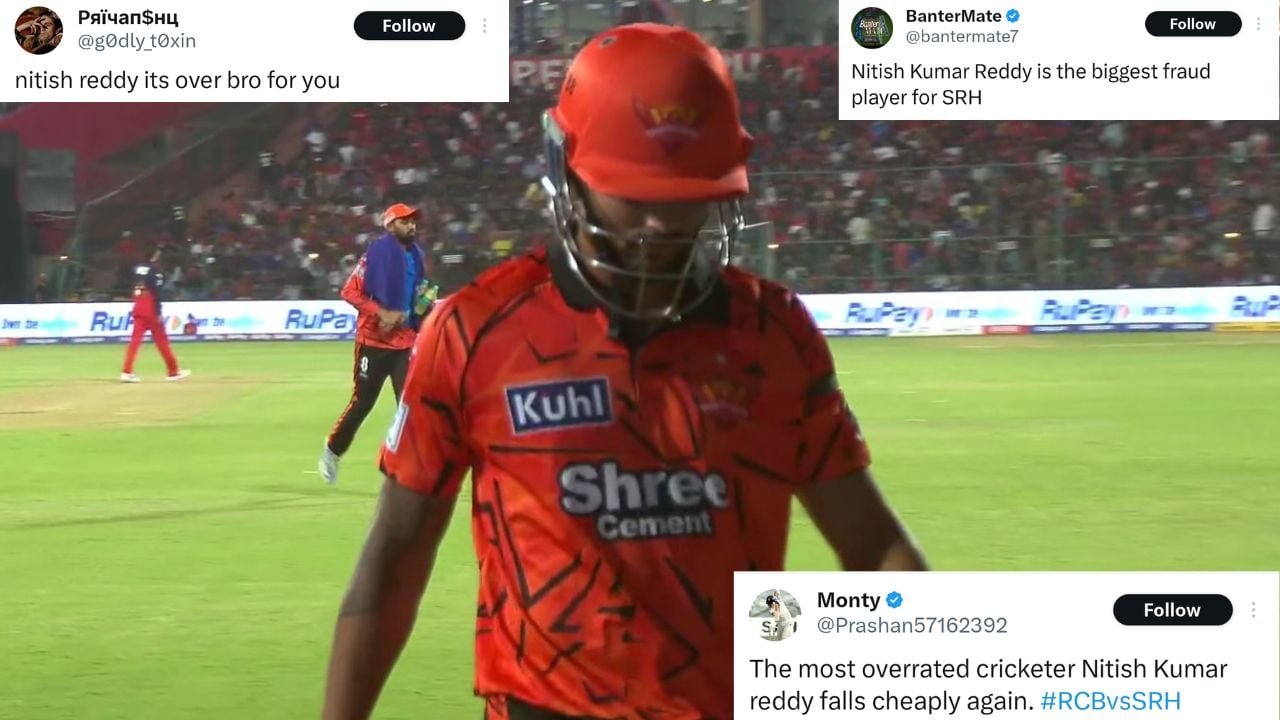
“Nitish Kumar Reddy is biggest fraud”: Fans fume as SRH star fails vs RCB in IPL 2026 opener
Who is Abhinandan Singh? The Virat Kohli troublemaker who made his IPL debut for RCB vs SRH
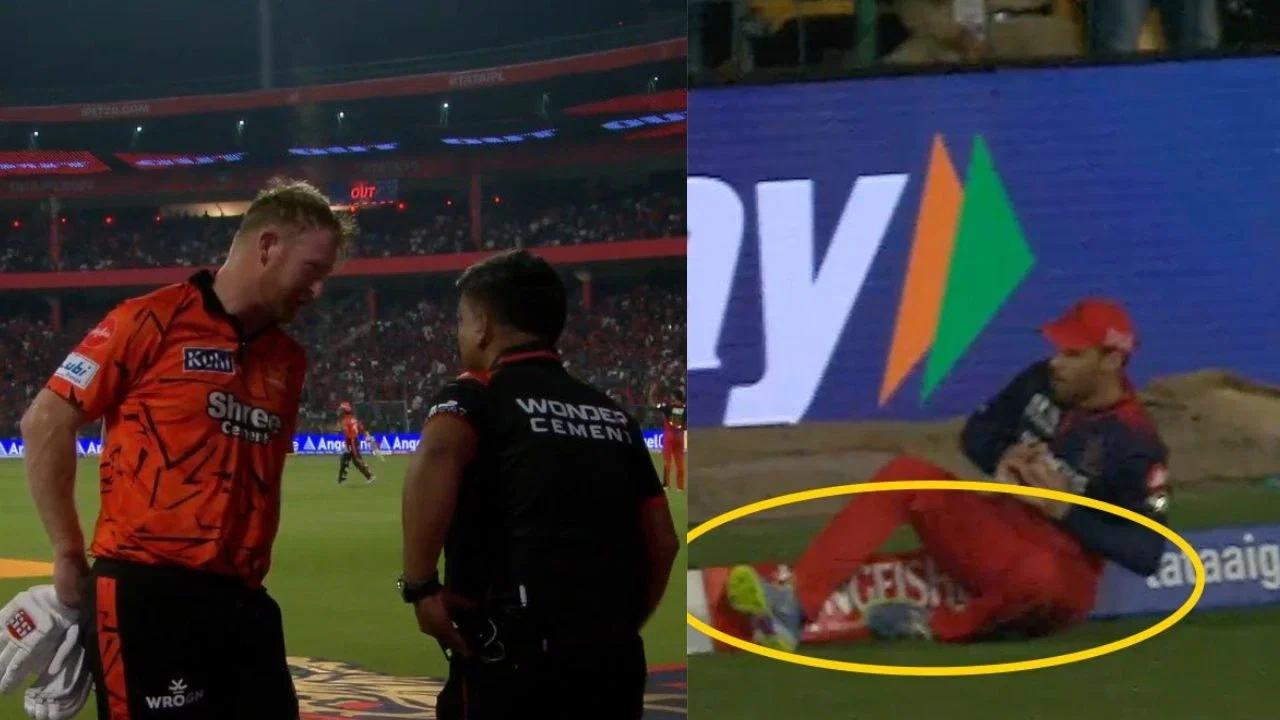
Heinrich Klaasen engages in heated chat with 4th umpire after Phil Salt’s controversial catch in IPL 2026
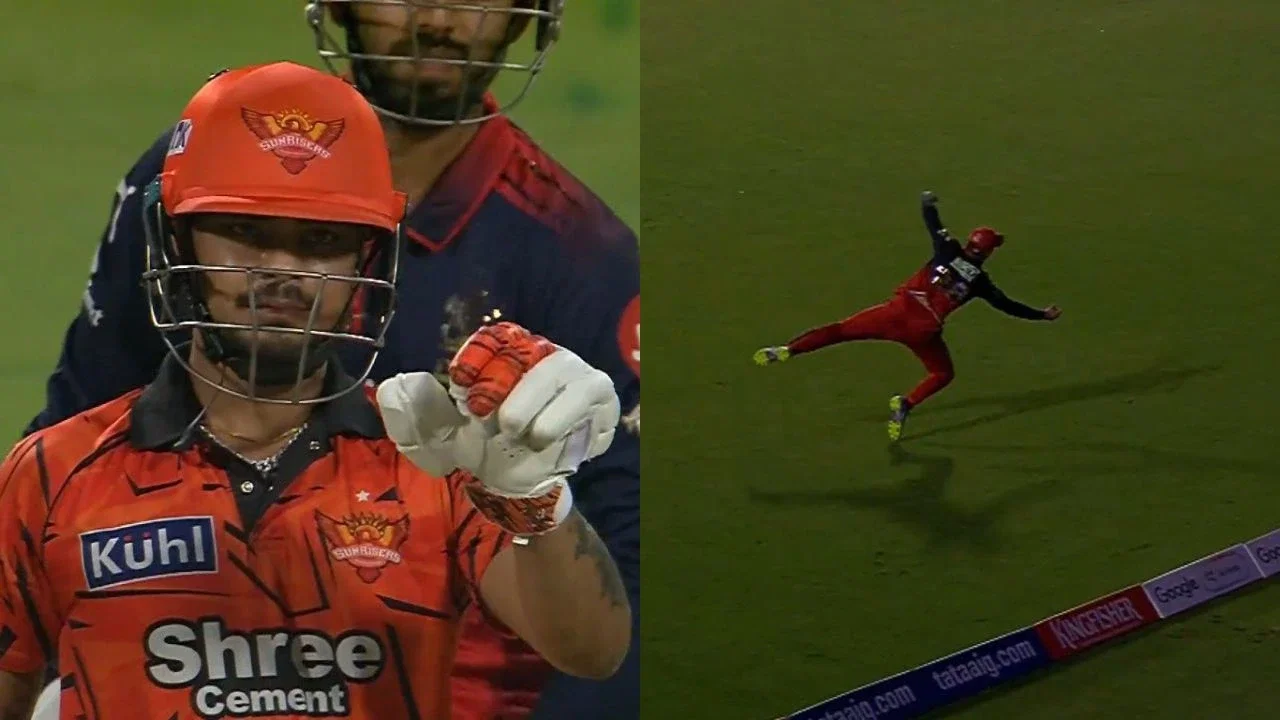
Phil Salt grabs one of the greatest catches in IPL history to dismiss Ishan Kishan
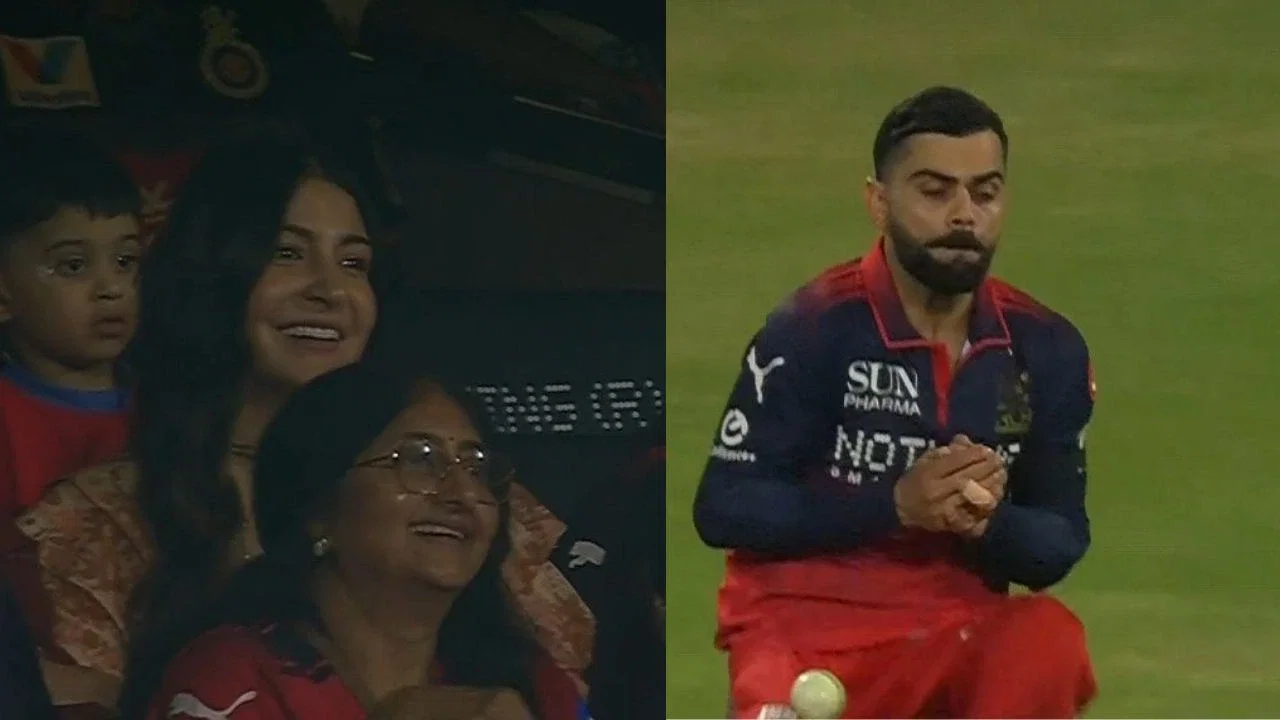
Anushka Sharma laughs as Virat Kohli drops a sitter in RCB vs SRH clash (Watch Video)

