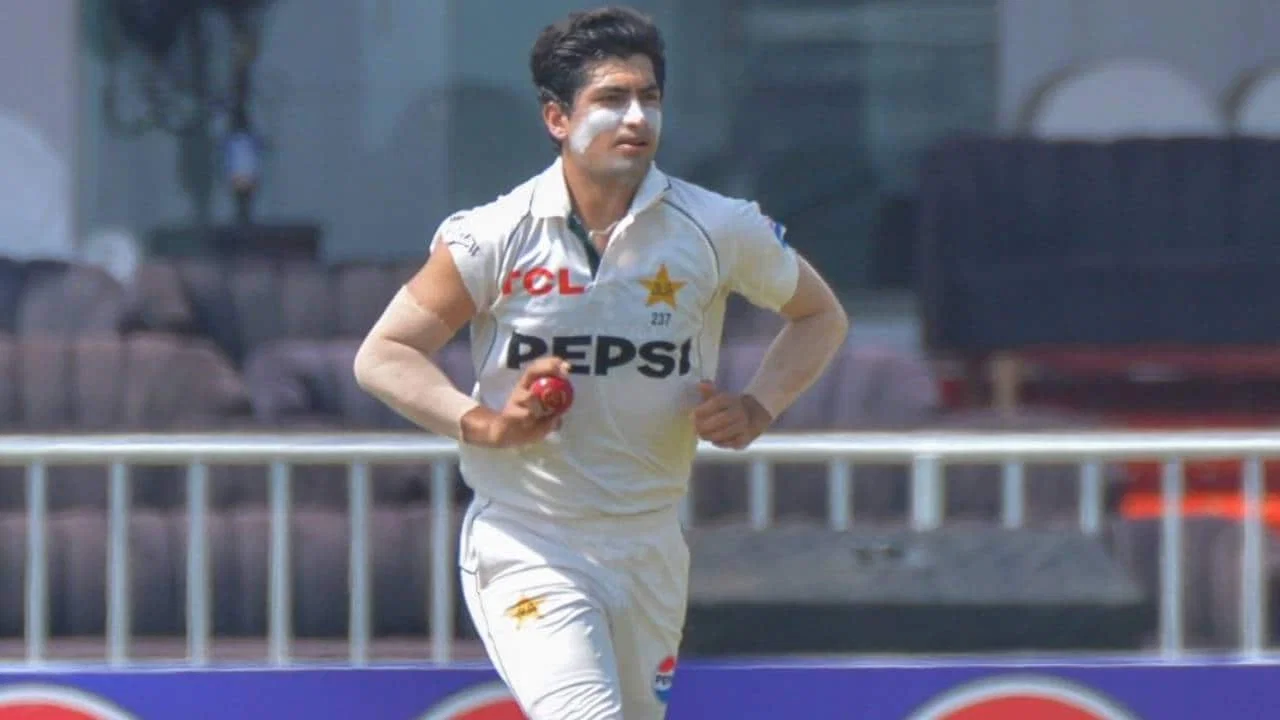
Asia Cup 2025 to be cancelled as India vs Pakistan Diplomacy war begins
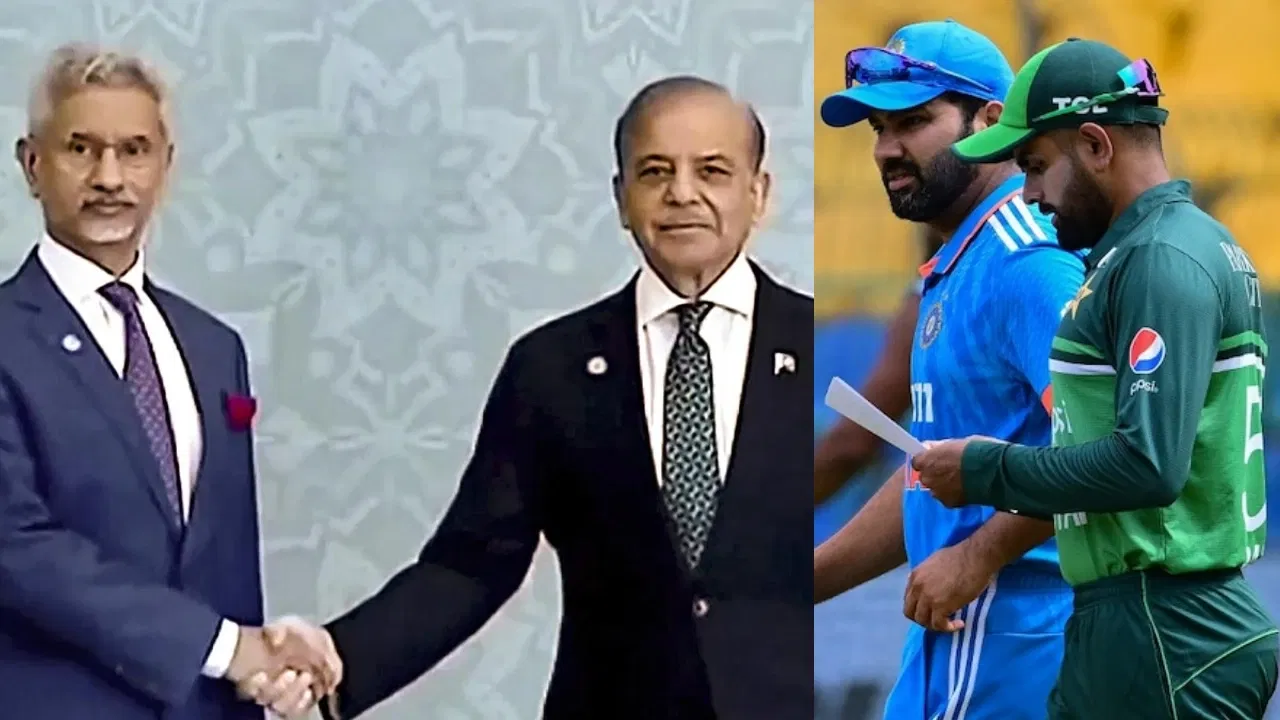
The Uncertain Future of Cricket in the Subcontinent
The recent rise in tensions between India and its neighboring countries is casting a shadow over the future of cricket in the subcontinent. Following the Pahalgam attack and escalating diplomatic disputes, the Indian cricket team’s scheduled tour of Bangladesh in August is now in jeopardy. The ongoing cross-border tensions involving India, Pakistan, and Bangladesh are not only affecting bilateral series but also major tournaments such as the Asia Cup 2025.
Threat to Bilateral Series
With the current political climate, the fate of the three-match ODI and three-match T20I series between Bangladesh and India is uncertain. The absurd statements from Bangladesh officials have only added fuel to the fire, raising concerns about the safety and feasibility of the tour. The Indian government’s strong reaction to recent events is likely to impact cricketing ties with neighboring countries for the foreseeable future.
Asia Cup 2025 Hangs in the Balance
The upcoming Asia Cup 2025, scheduled to be held in September at a neutral venue, is facing a serious threat. Although the exact location for the tournament has not been finalized, the growing tensions between India and Pakistan are clouding the prospects of the event taking place as scheduled. Reports suggest that the Asia Cup might be postponed due to the sensitive timing following the terror attack in Kashmir, which has strained relations between the two nations.
Financial Implications of India-Pakistan Matches
India and Pakistan’s cricket matches have historically been a financial powerhouse, generating significant revenue for the cricket boards and stakeholders. According to the Federation of Indian Chambers of Commerce and Industry (FICCI), these matches have brought in approximately Rs 10,000 crore ($1.3 billion) over the past two decades. Advertisers have capitalized on the intense rivalry between the two nations, paying top dollar for advertising slots during high-stakes games.
Future Cricket Engagements
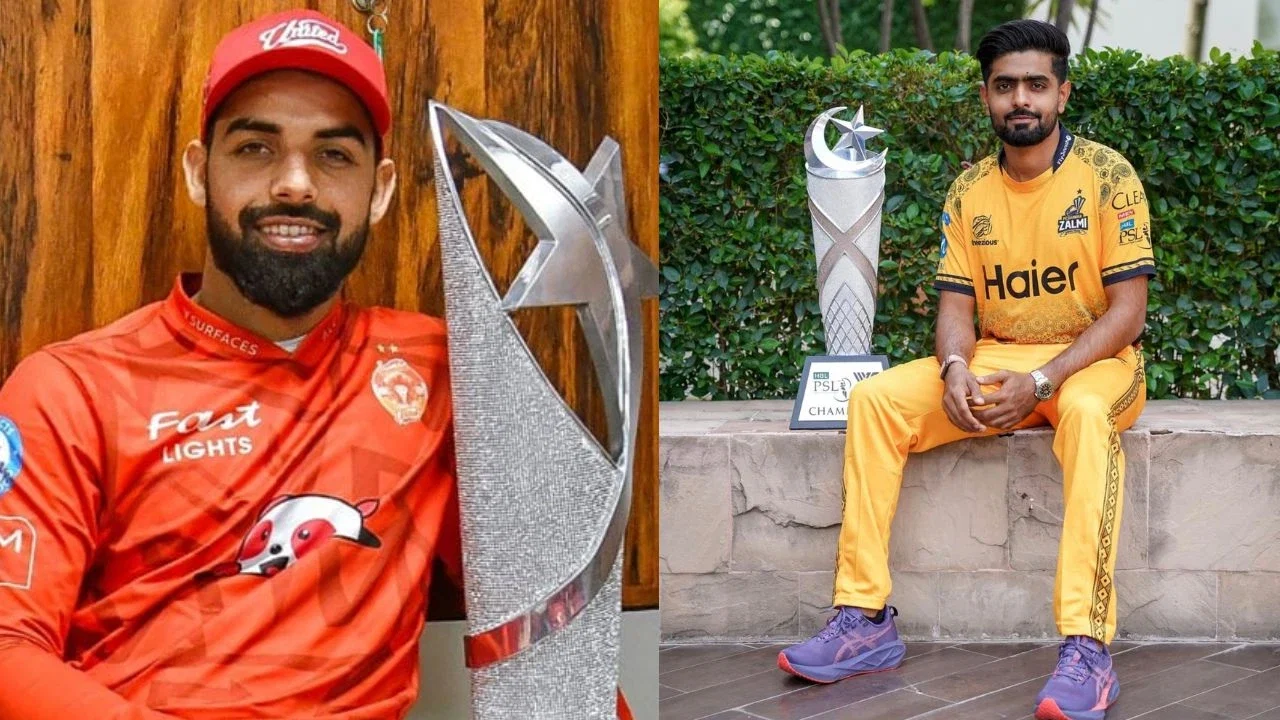
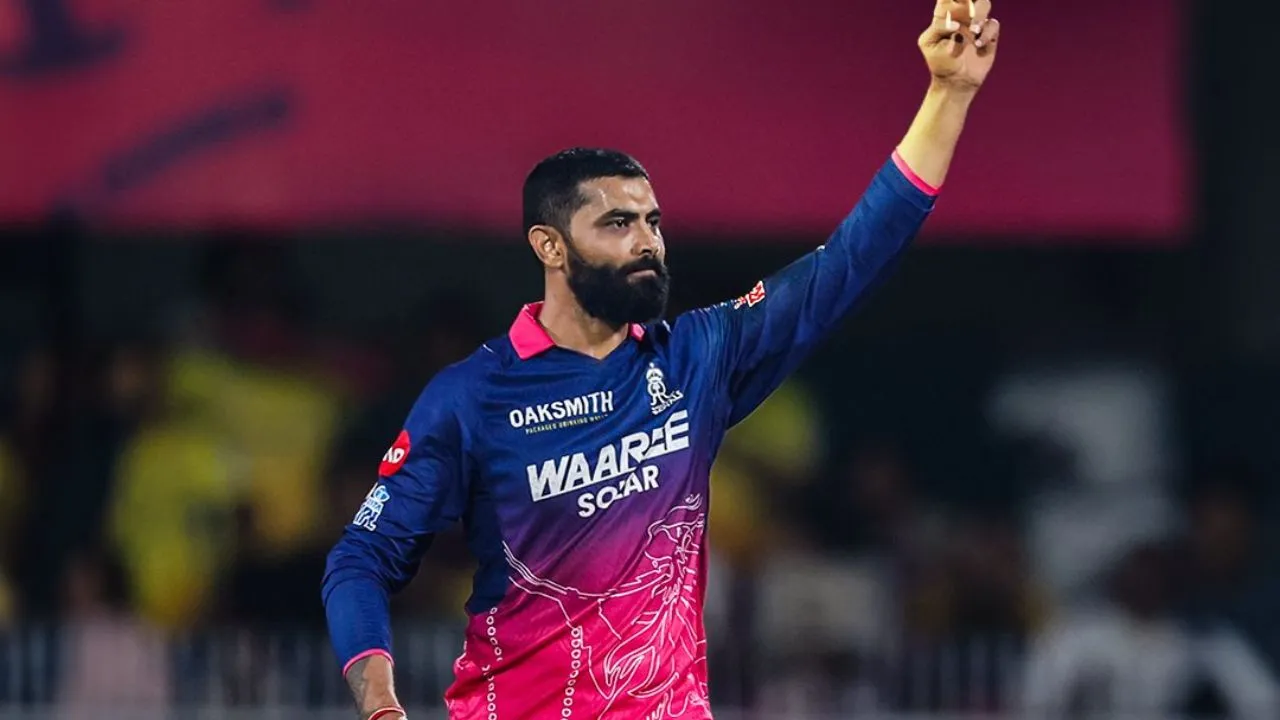
As the subcontinent grapples with political tensions, cricket players from India and Pakistan are currently engaged in domestic leagues. While Pakistani players are participating in the ongoing Pakistan Super League (PSL) 2025, Indian players are showcasing their talents in the Indian Premier League (IPL) 2025. After the conclusion of these leagues, Team India is set to travel to England for a five-match Test series, while Pakistan will face Bangladesh in a T20I series.
Despite the uncertainty surrounding bilateral series and major tournaments, cricket fans are hopeful that the spirit of sportsmanship will prevail, allowing players from all countries to compete on the field regardless of political tensions off the field.
Impact on Cricketing Talent Development
Amidst the turmoil in the subcontinent, the uncertain future of cricket is not only affecting current matches and tournaments but also the development of young talent in the region. With bilateral series and major tournaments hanging in the balance, aspiring cricketers may find themselves with limited opportunities to showcase their skills on a global stage. The lack of exposure and competition against neighboring countries could hinder the growth of promising players looking to make a mark in the international cricketing arena.
Geo-Political Factors at Play
The deep-rooted history of political tensions between India, Pakistan, and Bangladesh is intricately intertwined with the world of cricket in the subcontinent. Geo-political factors often spill over into the realm of sports, impacting cricketing schedules, international relations, and the overall spirit of sportsmanship. The ongoing conflicts and diplomatic standoffs between these nations create a complex web of challenges for cricket administrators, players, and fans alike, making it increasingly difficult to separate politics from the game.
Media and Public Opinion
The media plays a crucial role in shaping public opinion and perceptions surrounding cricket matches involving rival nations in the subcontinent. Sensational headlines, biased reporting, and inflammatory rhetoric can further fuel tensions and exacerbate the existing conflicts, adding to the already strained relations between countries. The influence of media narratives on public sentiment towards cross-border cricketing events underscores the need for responsible reporting and a balanced portrayal of the situation to prevent further escalation of hostilities.
Diplomatic Interventions and Cricket Diplomacy
In times of heightened tensions, there have been instances where cricket has been used as a tool for diplomacy between nations in the subcontinent. The concept of ‘cricket diplomacy’ has been employed in the past to foster goodwill, build bridges, and facilitate dialogue between India and Pakistan, leveraging the shared passion for the sport to thaw frozen relations. Diplomatic interventions through cricket can serve as a symbolic gesture of peace and cooperation, transcending political differences and promoting mutual understanding among nations.
Resilience of Cricket in the Subcontinent
Despite the challenges and uncertainties surrounding the future of cricket in the subcontinent, the resilience of the sport and its enduring popularity among fans cannot be underestimated. Cricket has the power to transcend borders, unite diverse communities, and create moments of shared joy and camaraderie, irrespective of political divides. The rich cricketing legacy of the subcontinent, characterized by legendary players, fierce rivalries, and unforgettable matches, continues to inspire generations of cricket enthusiasts, instilling a sense of pride and passion for the game that transcends geopolitical tensions.
While the road ahead may be fraught with obstacles and uncertainties, the spirit of cricket in the subcontinent remains unyielding, resilient, and eternally hopeful, embodying the true essence of sportsmanship, camaraderie, and the spirit of competition that binds nations together on the field of play.
Latest News
Mohsin Naqvi totally angry and stressed as PSL 2026 controversies escalate
Mohsin Naqvi saves Naseem Shah from two-year ban, shocking claim emerges after controversy
Michael Vaughan claims Vaibhav Sooryavanshi’s India call-up for England tour is confirmed
Ravindra Jadeja’s teary-eyed reaction goes viral after RR demolish CSK in IPL 2026 clash

New Zealand ODI and T20I squads for Bangladesh tour officially announced
Naseem Shah breaks silence on PCB punishment, issues public apology following massive controversy
Australia coach drops big hint on Cameron Green’s Test future amid IPL 2026 drama
Ajit Agarkar told to fast-track Vaibhav Sooryavanshi into Indian Team
CSK declared useless without MS Dhoni by Ex-England captain
Shocking! Fakhar Zaman tampered with ball vs USA in T20 World Cup, ICC did not act
“Don’t get banned”: Digvesh Rathi reveals Sanjiv Goenka and Rishabh Pant’s warning over fiery celebrations
MS vs HYDK Match Prediction, Pitch & Weather Report, Playing XIs, Head-to-Head, Free Live Streaming – PSL 2026 Match 8
ISU vs PSZ Match Prediction, Pitch & Weather Report, Playing XIs, Head-to-Head, Free Live Streaming – PSL 2026 Match 7
Ravindra Jadeja breaks silence on fiery send-off to Shivam Dube in RR vs CSK IPL 2026 clash