Asia Cup 2025 to be cancelled as tensions escalate between India and Pakistan due to Pahalgam terror attack
2025 Asia Cup in Jeopardy Amidst Rising India-Pakistan Tensions
The 2025 Asia Cup, scheduled to take place in September, is reportedly facing cancellation due to the escalating tensions between India and Pakistan following the Pahalgam terror attack. The bilateral relationship between the two countries hit an all-time low after the attack resulted in the tragic deaths of 26 civilians.
India’s Diplomatic Response
Following the attack and its alleged links to Pakistan, the Indian government took swift diplomatic actions to express its discontent. Measures such as the suspension of the Indus Water Treaty and the discontinuation of visa services for Pakistani nationals were implemented. Pakistani citizens are now prohibited from traveling to India under the SAARC Visa Exemption Scheme (SVES) visas. Additionally, all Pakistani nationals in India on SVES visas were instructed to leave the country within 48 hours.
Impact on Cricket
The strained relations between India and Pakistan are set to have repercussions on the cricketing world as well. The two teams have not engaged in a bilateral series since the 2012-13 season, with the last Test series dating back to 2007. India has refrained from visiting Pakistan since 2008 and even played their matches in the UAE earlier this year, despite Pakistan holding the hosting rights.
Since the suspension of bilateral cricketing ties, India and Pakistan have only faced off in Asia Cups and ICC tournaments. The last encounter between the arch-rivals was in the Champions Trophy, where India emerged victorious and eventually clinched the title.
The Fate of the Asia Cup
Recent reports suggest that the highly anticipated Asia Cup may not take place this year. According to Cricket Adda, a trusted source confirmed the cancellation of the tournament, which would have featured an India-Pakistan clash, possibly in the finals.
“One side is preparing for war—on the other hand, hosting Asia Cup is out of the question. There’s no chance of it happening. Asia Cup is cancelled. That’s solid news,” stated the Cricket Adda anchor.
Potential Hosting Rights
Although India was slated to host the Asia Cup this year, speculations are rife that the tournament may shift to a neutral venue if it is not called off entirely. Eight teams, including India, Pakistan, , Bangladesh, Afghanistan, UAE, Oman, and Hong Kong, have qualified for the competition.
As tensions between India and Pakistan continue to simmer, the fate of the 2025 Asia Cup hangs in the balance, leaving cricket fans and stakeholders eagerly awaiting further developments.
Historical Context of India-Pakistan Cricket Rivalry
The cricketing rivalry between India and Pakistan is deeply rooted in history, politics, and culture. Since their first Test match in 1952, the two nations have engaged in intense and high-stakes clashes on the cricket field. Matches between India and Pakistan often evoke strong emotions and national pride on both sides of the border, making them some of the most anticipated fixtures in international cricket.
Over the years, cricket has served as a platform for diplomatic tensions and gestures between India and Pakistan. The sport has been used as a tool for both conflict resolution and diplomatic posturing, with series cancellations and resumptions often reflecting the broader political climate between the two nations.
Impact on Players and Fans
The cancellation of the 2025 Asia Cup would have far-reaching implications for players, fans, and stakeholders on both sides of the border. Cricket matches between India and Pakistan are not only sporting events but also cultural phenomena that bring people together and create a sense of unity and pride.
For players, the opportunity to compete in high-profile matches against their arch-rivals is a significant career milestone. The absence of such fixtures can deprive them of the chance to test their skills against top-quality opposition and showcase their talent on a global stage.
Similarly, fans of both teams eagerly anticipate India-Pakistan matches, with stadiums packed to capacity and television viewership reaching record numbers. The cancellation of the Asia Cup would disappoint millions of cricket enthusiasts who look forward to witnessing the fierce rivalry and thrilling contests between the two cricketing giants.
Geopolitical Implications
Beyond the realm of cricket, the strained relations between India and Pakistan have broader geopolitical implications for the region. The escalation of tensions following the Pahalgam terror attack has raised concerns about the potential for further conflict and instability in South Asia.
The cancellation of the Asia Cup could be seen as a symbolic representation of the deteriorating relations between the two nuclear-armed neighbors. It underscores the challenges of maintaining cultural and sporting exchanges in the face of political hostilities and security threats.
As India and Pakistan navigate this delicate diplomatic and security situation, the future of cricketing ties between the two nations remains uncertain. The fate of the 2025 Asia Cup serves as a stark reminder of the complex interplay between sports, politics, and regional dynamics in South Asia.
In conclusion, the 2025 Asia Cup stands at a crossroads, with the specter of cancellation looming large due to the escalating tensions between India and Pakistan. The decision regarding the fate of the tournament will not only impact cricketing schedules but also carry symbolic and geopolitical significance for the region. As stakeholders continue to monitor developments closely, the hopes of cricket fans for an India-Pakistan showdown in the Asia Cup remain in limbo, underscoring the intricate relationship between sports and diplomacy in the modern era.
Latest News
Virat Kohli’s ego under spotlight! Ex-KKR star makes bold claim after heroics vs SRH
Jay Shah rises to No. 22 among most powerful people in India in 2026; Virat Kohli, Gautam Gambhir included

SRH suffer huge blow! Daniel Vettori confirms another overseas pacer injured amid crisis
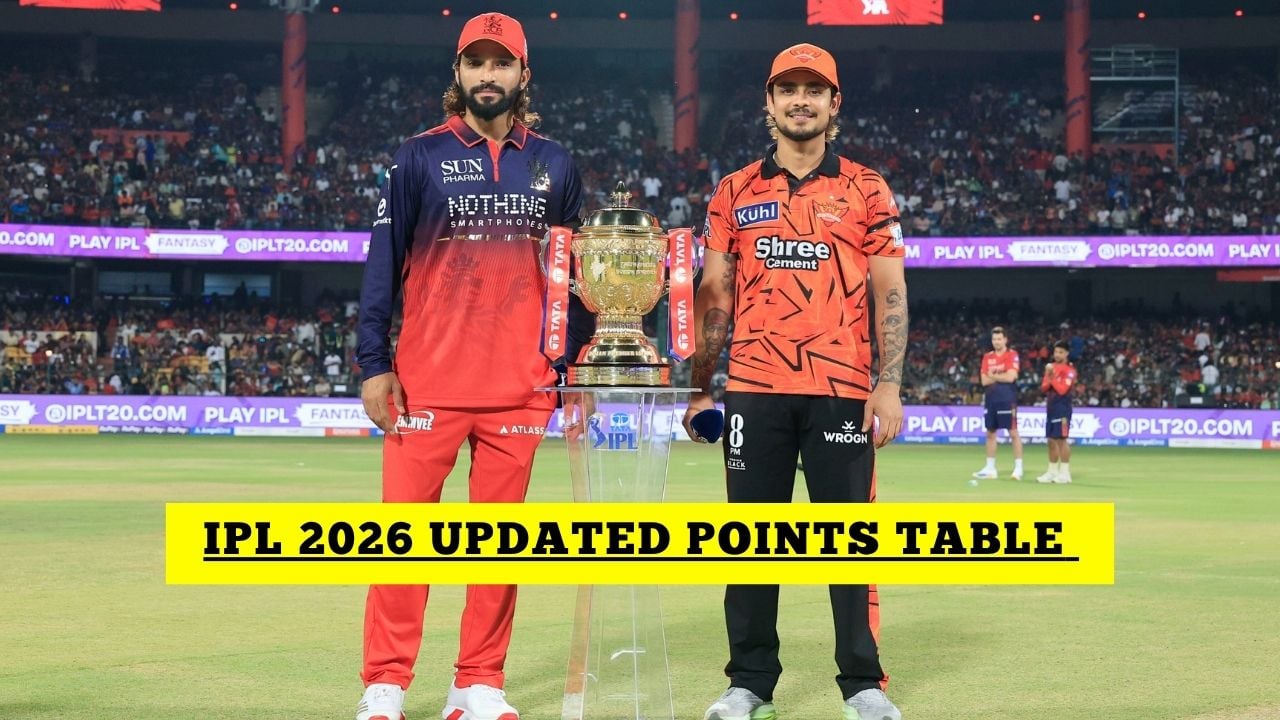
IPL Points Table 2026: Updated Standings, Orange Cap, Purple Cap After RCB vs SRH Match 1
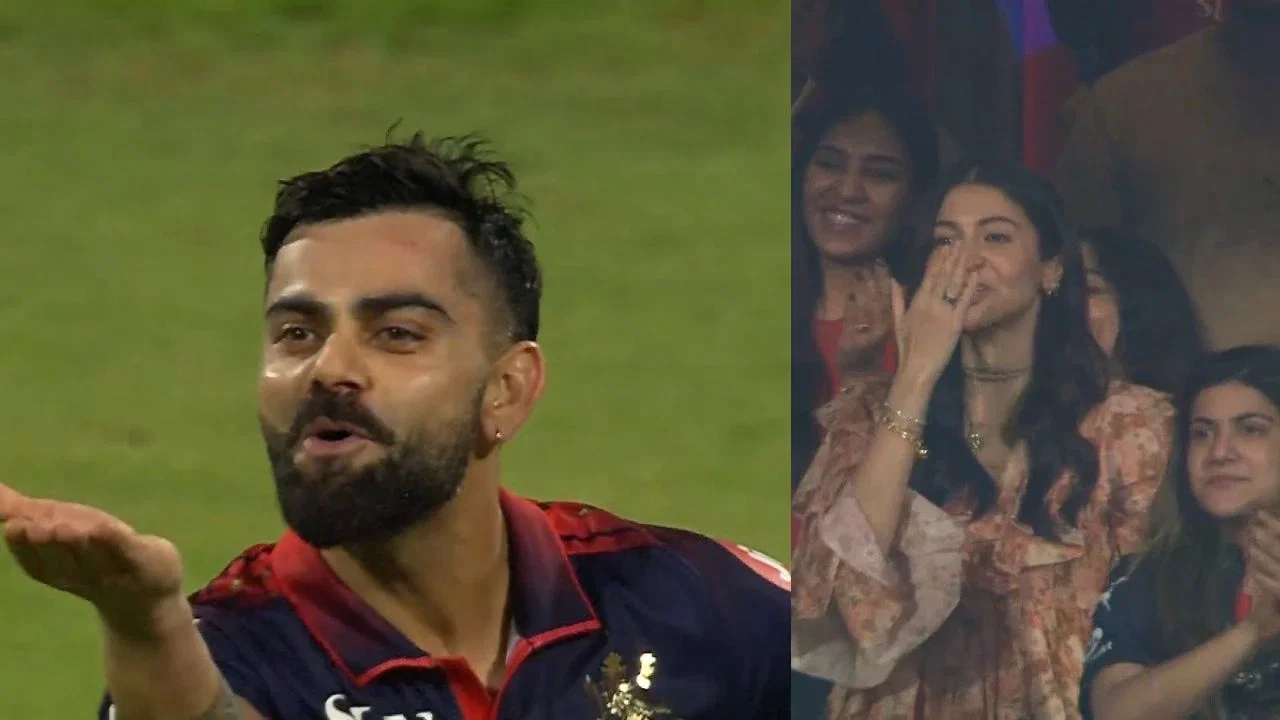
Virat Kohli, Anushka Sharma share adorable flying kiss moment after RCB vs SRH clash
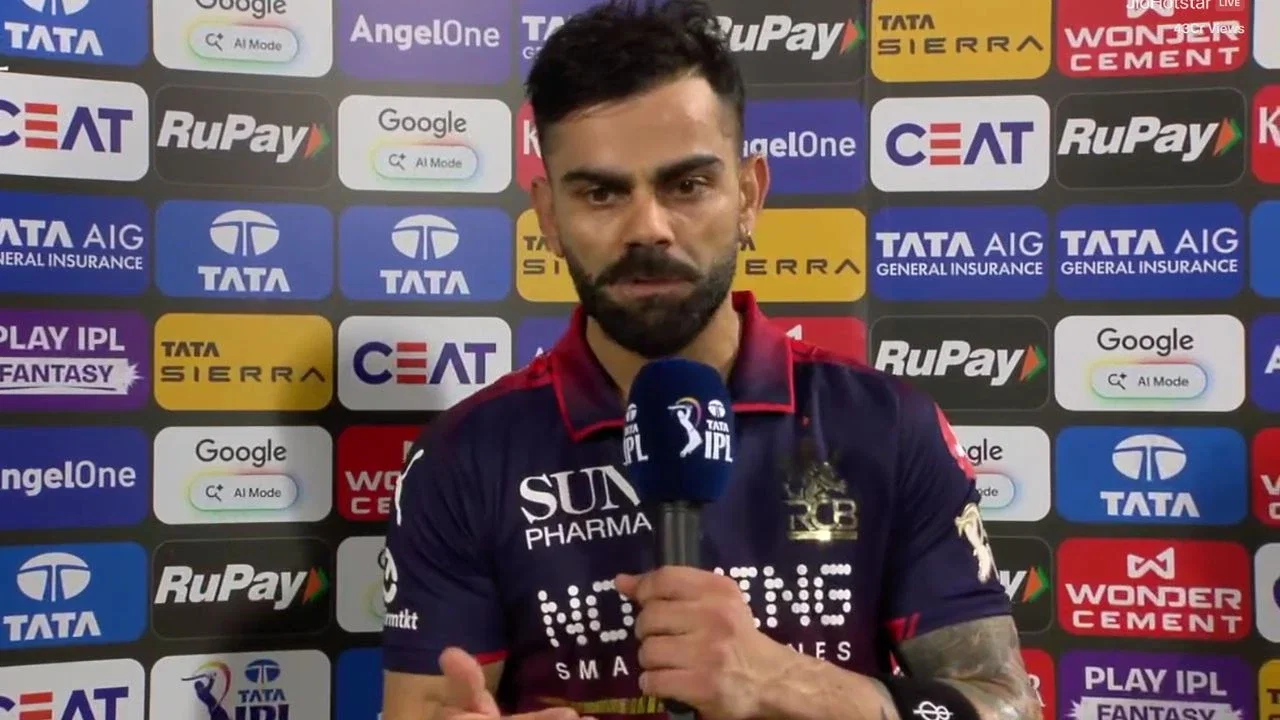
“Absolutely world-class”: Virat Kohli backs Devdutt Padikkal for permanent Team India spot

Rajat Patidar refuses to comment on Virat Kohli; Ishan Kishan admits enjoying after SRH’s loss to RCB

Mumbai Indians suffer blow! Mitchell Santner, Will Jacks ruled out of IPL 2026 games
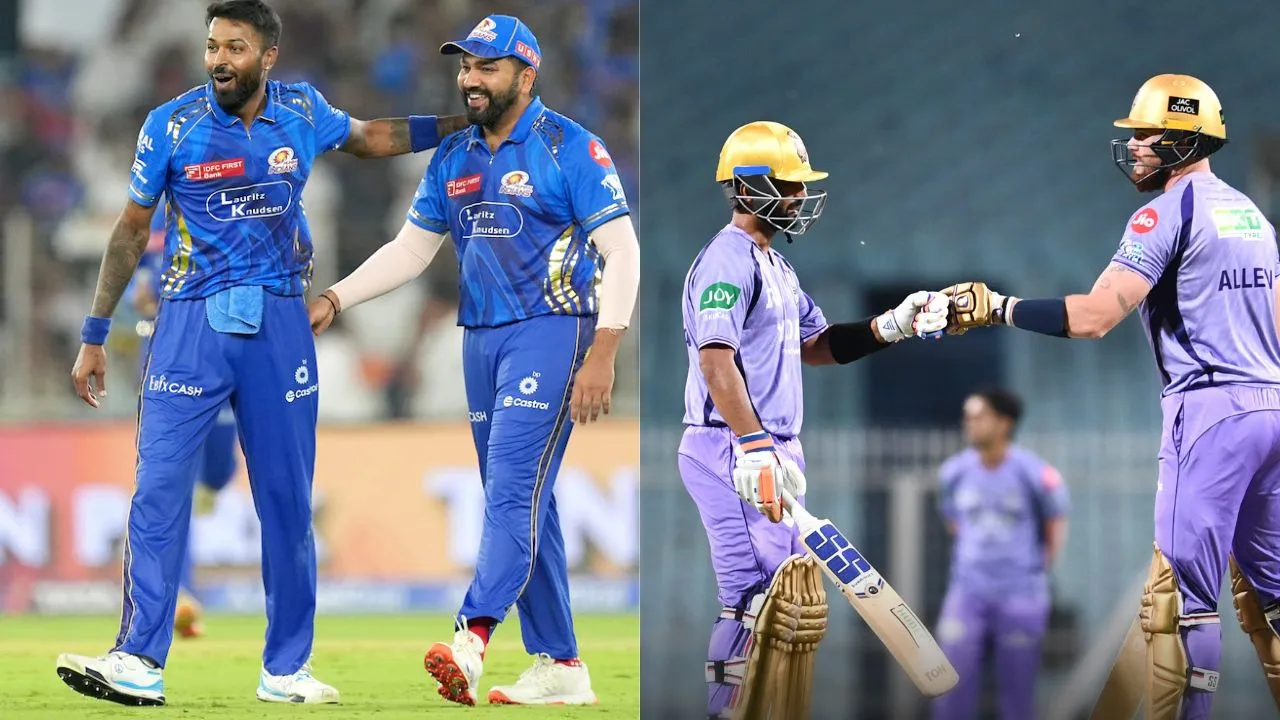
MI vs KKR Match Prediction – Who Will Win Match No.2? | IPL 2026
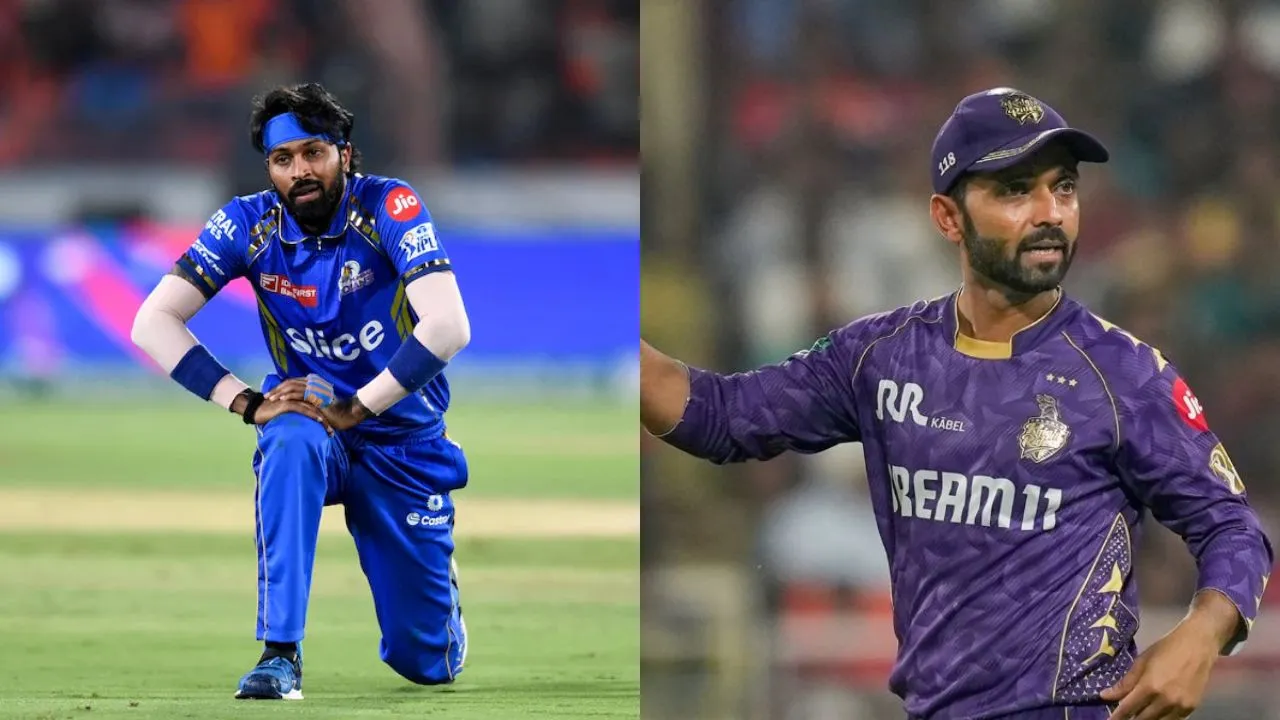
Mumbai Indians Playing XI vs Kolkata Knight Riders Playing XI- Match No. 2 | IPL 2026
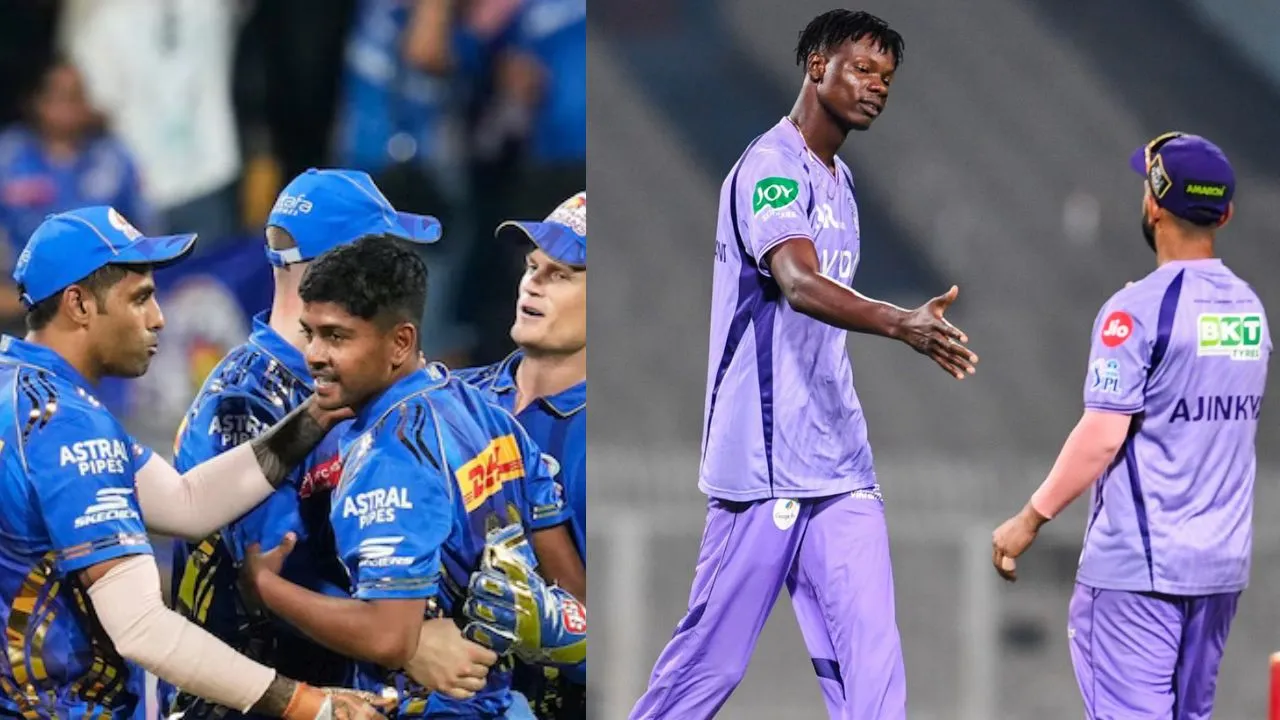
MI vs KKR Match 2 Preview: Free Live Streaming, Pitch & Weather Report, Head-to-Head | IPL 2026
Not English cricket! Jos Buttler credits IPL for his success as a cricketer

“Nitish Kumar Reddy is biggest fraud”: Fans fume as SRH star fails vs RCB in IPL 2026 opener
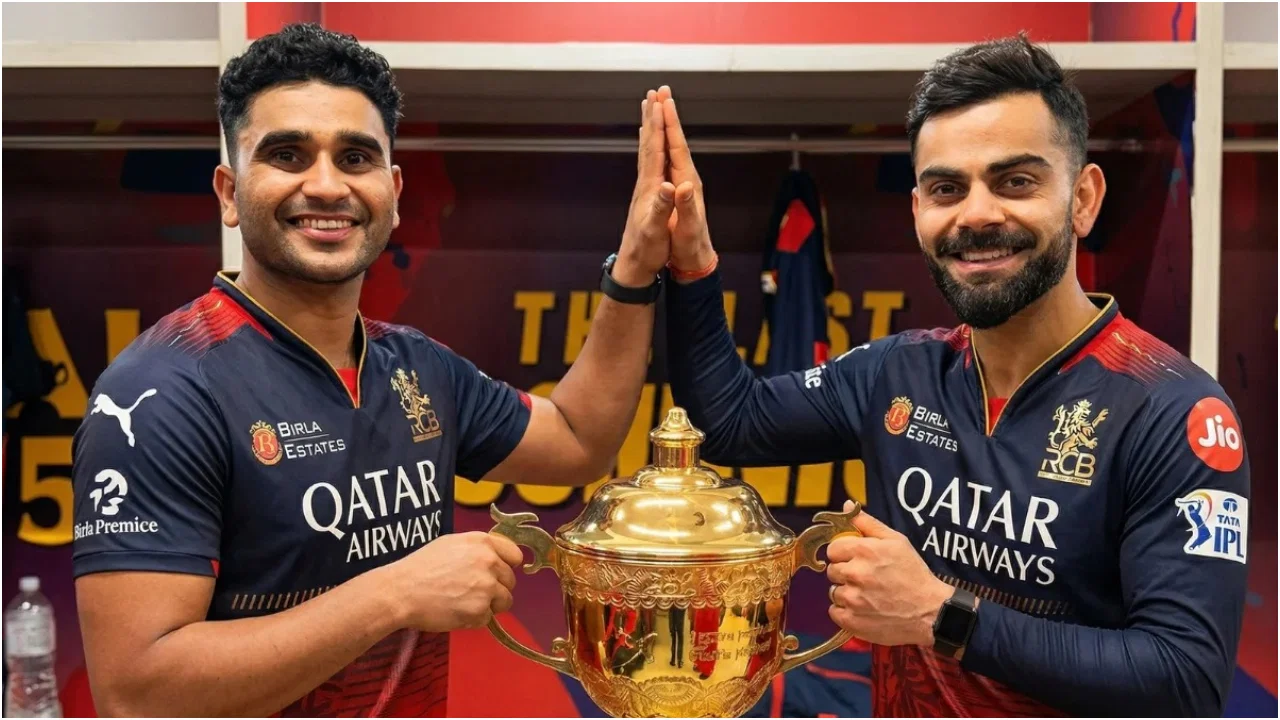
Who is Abhinandan Singh? The Virat Kohli troublemaker who made his IPL debut for RCB vs SRH