Asia Cup 2025 to be played without India? PCB official’s crazy claim..
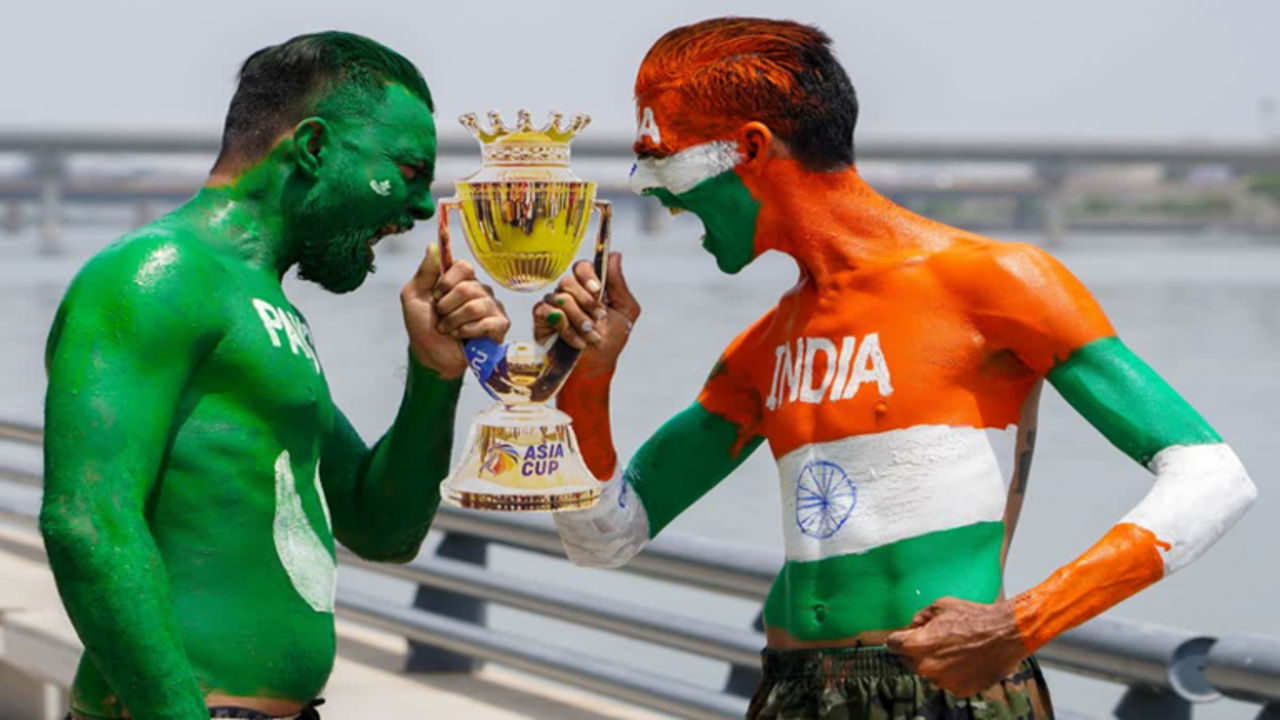
The Asia Cup Faces Uncertainty as Sri Lanka Joins India in Skipping Annual Meeting
As preparations for the upcoming Asia Cup 2025 continue, the cricket world is abuzz with the recent news that Sri Lanka has decided to follow in India’s footsteps and skip the annual meeting of the Asian Cricket Council. The meeting, which is set to take place in Dhaka on the 24th of July, has raised concerns due to the ongoing political unrest in Sri Lanka, causing neighboring nations to reconsider attending the summit.
Political Unrest Leads to Uncertainty
Following India’s announcement of postponing the cricket tour between India and Bangladesh, citing international commitments as the primary reason, Sri Lanka’s decision to abstain from the ACC meeting adds another layer of uncertainty to the future of the Asia Cup. With both India and Sri Lanka withdrawing from key events leading up to the tournament, questions arise about the feasibility of hosting the competition smoothly.
Official Statements and Future Plans
According to a PCB official, member countries have been given a 15-day period to make arrangements for the upcoming meeting. While online attendance is an option for those unable to travel to Dhaka, the meeting will proceed as scheduled in the capital of Bangladesh. The ACC defends the choice of Dhaka as the meeting location, pointing to the ongoing T20 series between Pakistan and Bangladesh as a convenient opportunity to convene.
Looking ahead to the Asia Cup 2025, India’s BCCI faces challenges in finalizing arrangements as hosts of the tournament. With the BCCI waiting on the Indian government’s approval to proceed with the championship, uncertainties loom over the tournament’s format, venues, and participating nations.
Hybrid Model and Tournament Proposals
As discussions continue within the cricketing community, the prospect of a hybrid model for the Asia Cup 2025 emerges, similar to the format adopted in the 2023 edition. With India hosting matches for the Pakistan National Cricket team as part of the agreement, negotiations between the BCCI and ACC are ongoing to secure the tournament’s future.
Additionally, Sri Lanka Cricket has proposed a white-ball tour against India as part of their preparation for the Asia Cup. The proposal includes a three-match ODI series and a T20I series to be played in the same window as the postponed Bangladesh tour, signaling Sri Lanka’s commitment to gearing up for the continental championship.
Conclusion
As the cricketing world closely monitors developments surrounding the Asia Cup 2025, the absence of key teams and uncertainties surrounding the annual meeting highlight the challenges faced by organizers in ensuring a successful tournament. With political unrest and international commitments impacting participation, the future of the Asia Cup hangs in the balance, awaiting crucial decisions from stakeholders to move forward.
The Impact of India and Sri Lanka’s Absence on the Asia Cup 2025
India and Sri Lanka’s decisions to skip the annual meeting of the Asian Cricket Council and delay key cricketing events have cast a shadow of doubt over the Asia Cup 2025. The absence of these two cricketing powerhouses raises concerns about the tournament’s viability and the level of competition it will offer. Both India and Sri Lanka have rich cricketing histories and fan bases, making their participation crucial for the success of the Asia Cup.
India, as the hosting nation, plays a pivotal role in shaping the tournament’s format, venues, and overall organization. The Board of Control for Cricket in India (BCCI) faces the challenge of navigating government approvals, scheduling conflicts, and logistical hurdles to ensure a seamless Asia Cup experience for players, fans, and stakeholders. Without India’s full commitment and active participation, the tournament’s quality and appeal may be compromised.
On the other hand, Sri Lanka’s absence from the ACC meeting and key cricketing events leading up to the Asia Cup raises questions about the team’s preparedness and form. As a former champion and competitive side in limited-overs cricket, Sri Lanka’s participation adds depth and excitement to the tournament. Their proposed white-ball tour against India signals their intent to gear up for the Asia Cup, highlighting their determination to perform well on the continental stage.
Challenges and Opportunities for the Asia Cup 2025
Amidst the uncertainties surrounding India and Sri Lanka’s participation, the Asia Cup 2025 presents both challenges and opportunities for the Asian Cricket Council. Organizers must navigate political unrest, international commitments, and logistical complexities to ensure a successful and competitive tournament. The hybrid model proposed for the tournament offers a unique opportunity to blend traditional formats with innovative approaches, catering to the diverse preferences of cricket fans across the region.
With ongoing discussions and negotiations between the BCCI, ACC, and member nations, the future of the Asia Cup hangs in the balance. Stakeholders must collaborate, compromise, and strategize to overcome obstacles and deliver a memorable cricketing spectacle for fans worldwide. The tournament’s success hinges on decisive actions, clear communication, and a shared commitment to upholding the spirit of cricket in the face of adversity.
Looking Ahead: A Unified Approach for the Asia Cup
As the cricketing community awaits crucial decisions and updates on the Asia Cup 2025, there is a pressing need for unity, cooperation, and solidarity among participating nations. The tournament’s success depends on collective efforts, mutual respect, and a shared vision for elevating the standard of cricket in Asia. By embracing diversity, fostering inclusivity, and promoting sportsmanship, the Asia Cup can transcend boundaries, inspire generations, and showcase the best of Asian cricket to the world.
Ultimately, the challenges faced by the Asia Cup 2025 serve as a test of resilience, adaptability, and innovation for the cricketing fraternity. While uncertainties persist and obstacles loom large, the spirit of cricket endures, offering hope, camaraderie, and excitement for players, fans, and stakeholders alike. By staying true to the values of the game and embracing the spirit of competition, the Asia Cup can overcome adversity and emerge stronger, united, and more vibrant than ever before.
Latest News

Prithvi Shaw declares his mission to return to team India begins from IPL 2026

Irfan Pathan questions Arshdeep Singh’s bowling ahead of IPL 2026
“Mind is somewhere else”: Yuvraj’s Father exposes Abhishek Sharma’s indiscipline lifestyle

EX-RCB pacer joins KKR as replacement of Harshit Rana ahead of IPL 2026

“Win our first trophy”: Sanjiv Goenka crowns LSG as champions ahead of IPL 2026

New catching rule? Captains warned over ‘Incomplete’ catches ahead of IPL 2026

Pat Cummins in awe of Ishan Kishan’s captaincy

Ex-India star accuses teammates of ‘Racism’, blames it for early international exit

“I love watching Shreyas Iyer bat” – PBKS all-rounder Cooper Connolly ahead of IPL 2026

Yograj Singh gives Ravichandran Ashwin belt treatment because of Arjun Tendulkar remarks

CSK legend advises Shubman Gill the best way to bounce back in T20I team

Jasprit Bumrah Injury Scare, reason behind visit to CoE revealed

“Didn’t invite me”: R Ashwin puts Kuldeep Yadav in spotlight over wedding snub

Ireland Cricket announced the full list of central contracts for the 2026-27 season