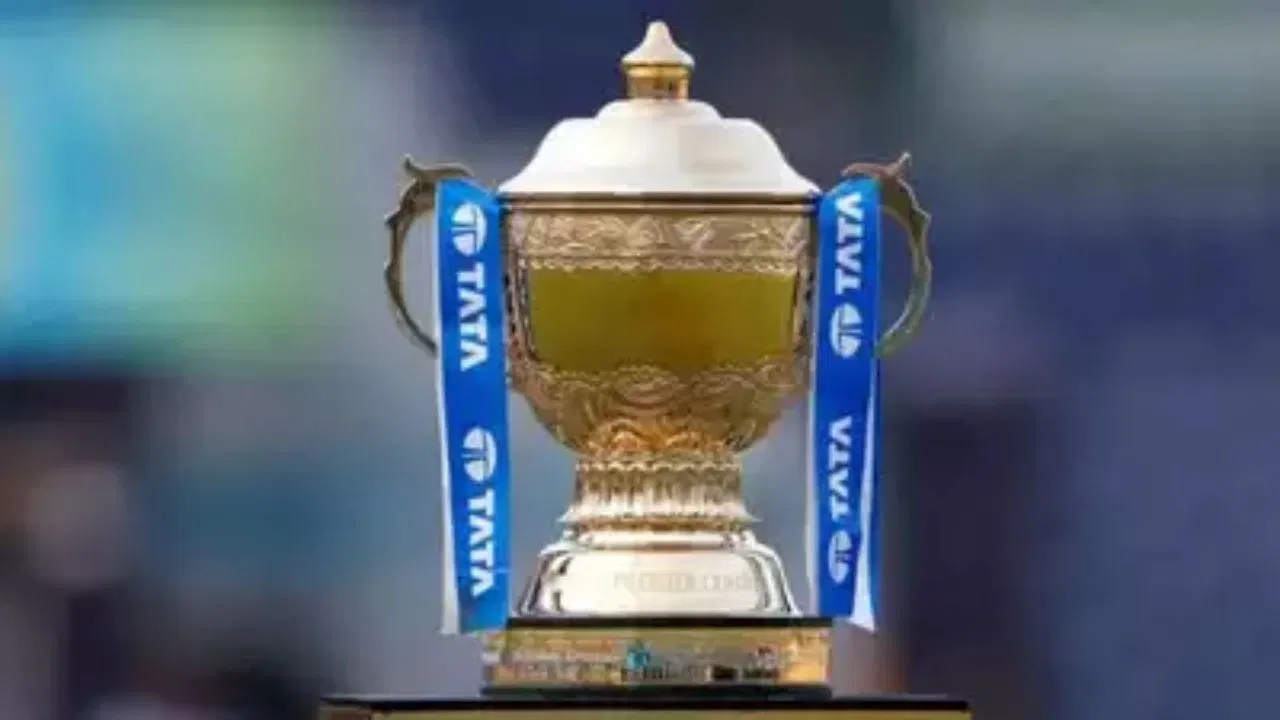
Asia Cup trophy moved from ACC headquarters to Abu Dhabi by Mohsin Naqvi amid ICC pressure
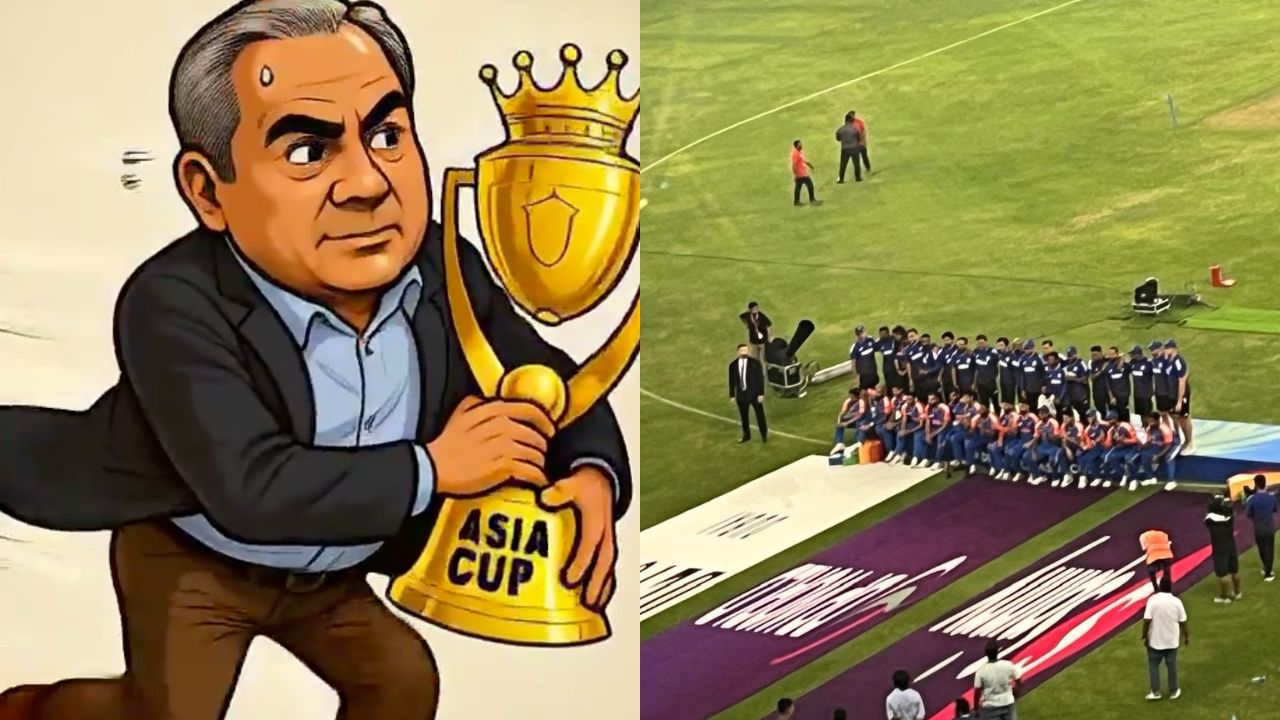
Tensions Rise as India Refuses to Accept Asia Cup Trophy from Pakistan Official
Weeks after the Asia Cup 2025 final match between India and Pakistan in Dubai, the controversy surrounding the trophy has taken another twist. According to reports, PCB chief Mohsin Naqvi has moved the trophy from the Asian Cricket Council (ACC) headquarters to an undisclosed location in Abu Dhabi.
Tensions Between India and Pakistan Spill from Battlefield to Cricket Field
Tensions between India and Pakistan further strained after a four-day military clash earlier in the year spilled onto the cricket field during the Asia Cup 2025. Notably, it was the first cricket tournament between India and Pakistan after the Pahalgam terror attack in Kashmir.
Suryakumar Yadav led the Indian team to victory, dedicating the win to the Indian armed forces. However, throughout the tournament, the Indian team maintained a stance of refusing to shake hands with Pakistan’s players. This tension escalated when they declined to accept the trophy from Mohsin Naqvi, Pakistan’s Interior Minister.
Pakistani cricketers made gestures such as mock gunfire and plane crashes during the final match, adding fuel to the fire of the already strained relations between the two countries.
Asia Cup Trophy Removed from ACC Office and Locked in Abu Dhabi by Mohsin Naqvi
According to a report by ANI, after India declined to accept the Asia Cup trophy, an official removed it from the presentation stage without offering any explanation. Mohsin Naqvi, determined to ensure that India collects the trophy in person, decided to move it to an undisclosed location in Abu Dhabi.
When a BCCI representative visited the ACC headquarters to inquire about the trophy’s whereabouts, they were informed that it was no longer there. Instead, it was in the custody of Mohsin Naqvi in an undisclosed location in Abu Dhabi.
Mohsin Naqvi Insists India Must Collect Asia Cup Trophy in Person
Mohsin Naqvi reportedly told Indian officials that if they wanted the Asia Cup 2025 trophy, they would need to collect it in person from him at the ACC office. Despite requests from the BCCI to officially hand over the trophy, Naqvi stood firm on his decision that an Indian player must personally attend an event for the trophy to be presented.
Following an ACC meeting in late September, reports claimed that Naqvi had apologized to the BCCI for the chaos post-final, but he later denied issuing any such apology. The meeting concluded without a clear resolution on when or how the trophy would be handed over to India.
As tensions between India and Pakistan spill beyond the battlefield and onto the cricket field, the controversy surrounding the Asia Cup trophy adds another layer to the already strained relations between the two nations.
Political Implications of Cricket Controversies
The refusal of India to accept the Asia Cup trophy from a Pakistan official highlights how sports can become a reflection of broader political tensions between nations. The longstanding geopolitical issues between India and Pakistan often spill over into various sectors, including sports. The symbolism behind the trophy presentation and the actions of the players during the match are seen as extensions of the political complexities that exist between the two countries.
Cricket, being a sport that holds immense popularity and significance in both India and Pakistan, often becomes a battleground for national pride and identity. The refusal to shake hands, the dedications to armed forces, and the gestures made by players during the match all become loaded with political connotations, further fueling the already strained relations between the nations.
The Role of Sports Diplomacy in Easing Tensions
While sports controversies like the one surrounding the Asia Cup trophy can exacerbate tensions, they also present an opportunity for sports diplomacy to play a role in easing hostilities. In the past, cricket has been used as a platform for dialogue and communication between India and Pakistan. Sporting events have the potential to bridge divides, foster understanding, and create avenues for peaceful interactions.
Efforts to separate politics from sports, while challenging, are crucial in maintaining the spirit of sportsmanship and fair competition. Both nations have a rich history of cricket and shared cultural roots that can be leveraged to promote goodwill and mutual respect.
The Impact on Future Sporting Events
The fallout from the Asia Cup controversy could have lasting implications on future sporting events between India and Pakistan. It raises questions about how such incidents may affect the willingness of teams to participate in tournaments against each other and the measures needed to ensure that sports remain a platform for healthy competition and camaraderie.
Organizers of international tournaments may need to implement protocols and guidelines to address potential conflicts and ensure that sporting events remain free from political tensions. Building trust and fostering constructive dialogue between sporting bodies in both countries could help prevent similar incidents in the future.
Conclusion
The refusal of India to accept the Asia Cup trophy from Pakistan has brought to light the intricate relationship between sports, politics, and national identity. As tensions persist between India and Pakistan, finding ways to navigate these complexities within the realm of sports becomes crucial. By promoting sports diplomacy, fostering communication, and upholding the values of sportsmanship, both nations can work towards creating a more harmonious environment for future sporting engagements.
By delving into the deeper implications of the Asia Cup controversy and exploring the potential for sports to transcend political differences, we can gain a better understanding of how sports can be both a source of conflict and a pathway to reconciliation.
Latest News
LSG vs DC Match No. 5 Preview: Free Live Streaming, Pitch & Weather Report, Head-to-Head | IPL 2026
LSG vs DC Match Prediction – Who Will Win Match No.5? | IPL 2026
LSG Playing XI vs DC Playing XI – Match No. 5 | IPL 2026
Krunal Pandya breaks silence on India snub, opens up on Virat Kohli
Mohsin Naqvi enforces new social media rules for Pakistan players following Naseem Shah incident
Fakhar Zaman officially handed cricket ban after PSL 2026 ball-tampering controversy
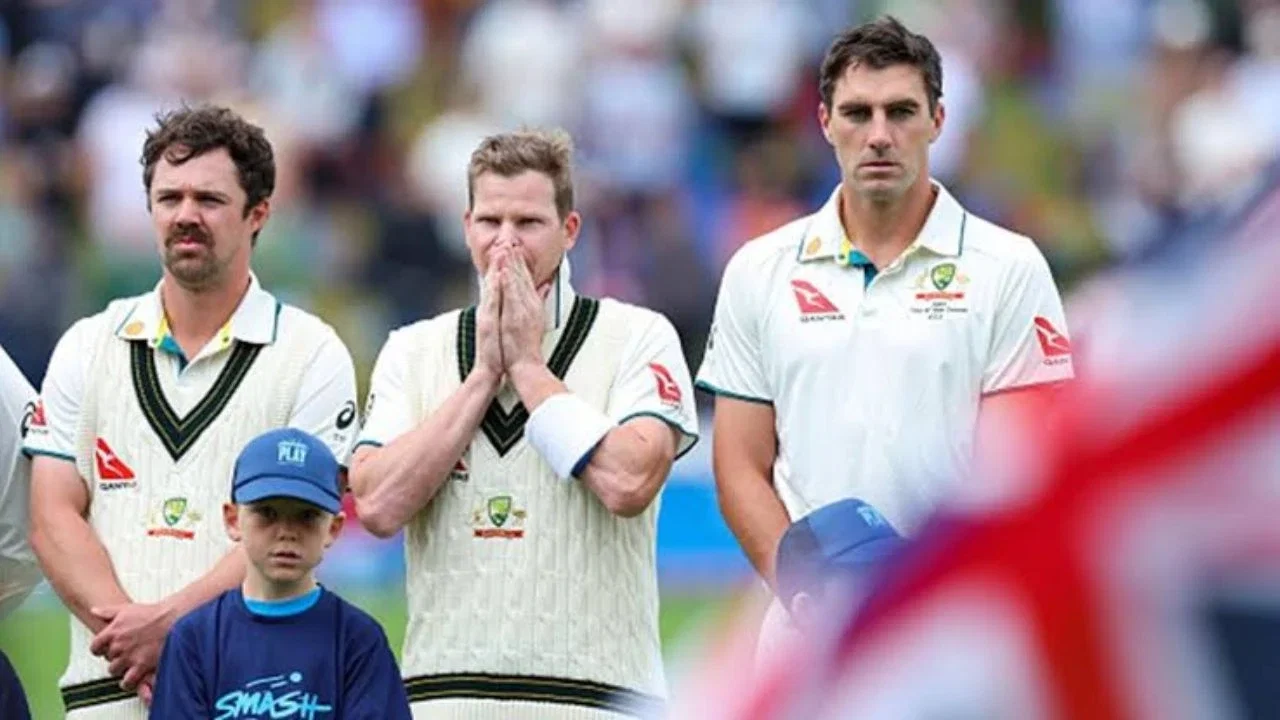
Pat Cummins forces Cricket Australia to slash central contracts list to secure premium deal
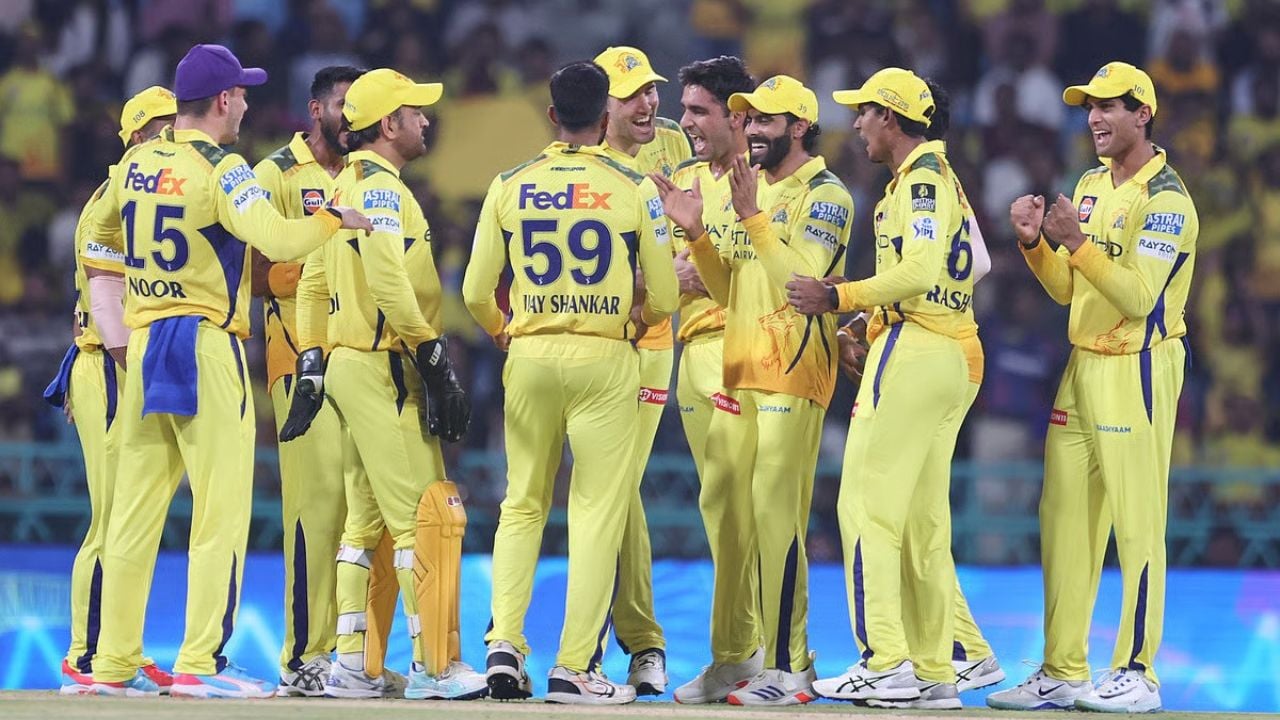
CSK’s big promise to players revealed amid IPL 2026: “Whatever BCCI offers, we’ll double it”
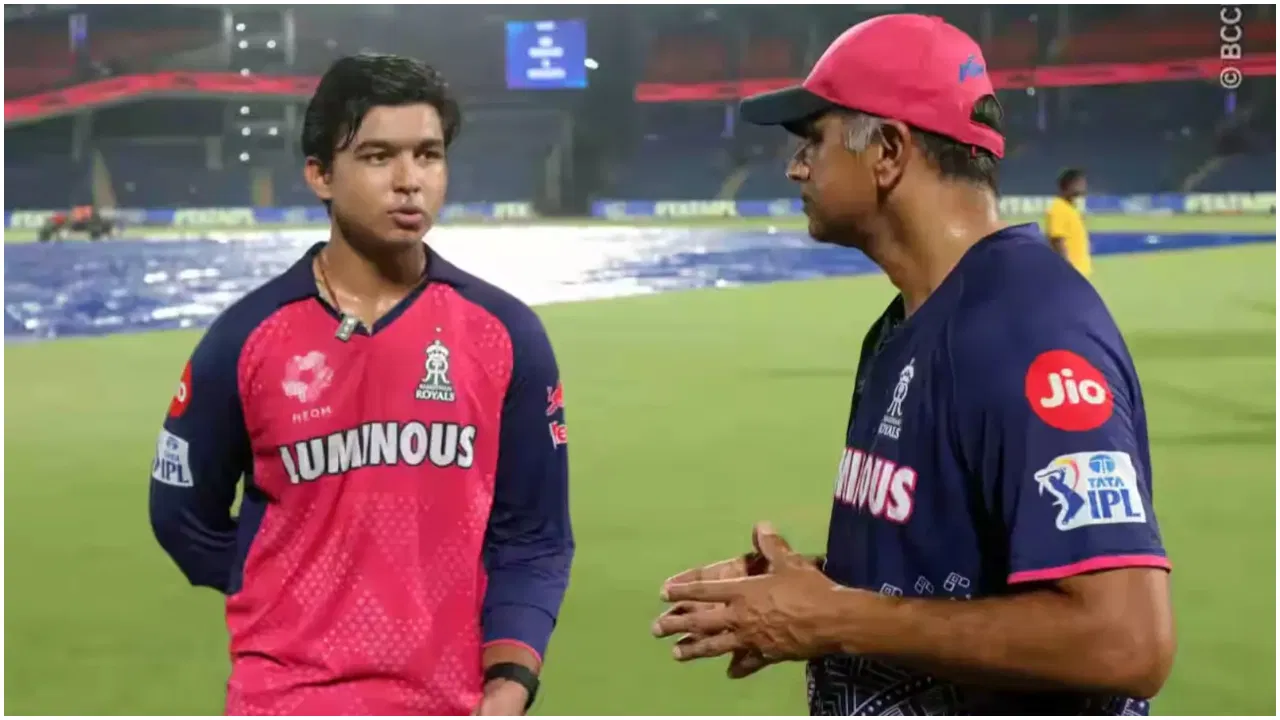
Ravichandran Ashwin rules out Vaibhav Sooryavanshi’s India call-up
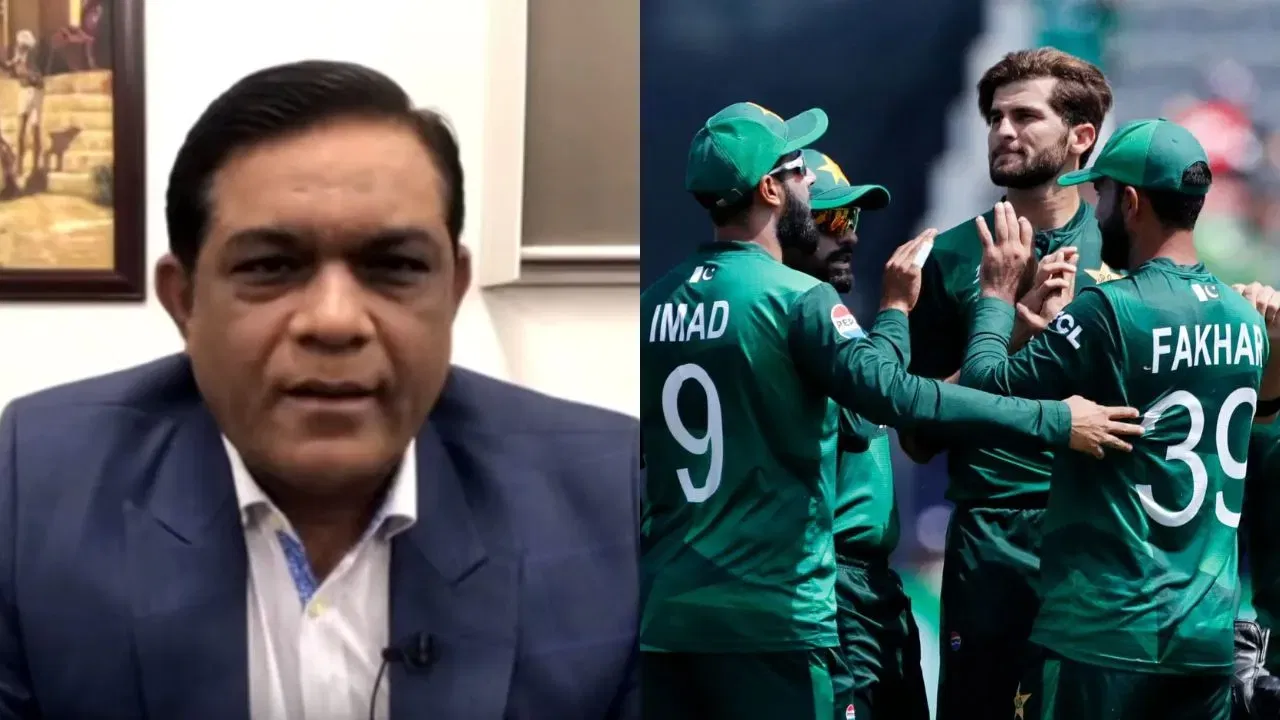
Rashid Latif claims PSL ball-tampering row was deliberately created for attention amid IPL rivalry
Mohammed Shami breaks silence on retirement buzz after India snub; has special message for LSG
Mohammed Shami reveals IPL 2026 Top 4, leaves out five-time champions
Mohammed Shami hits back at Ravichandran Ashwin over LSG’s poor IPL 2026 prediction
Riyan Parag mocked Sanju Samson? Batter’s muscle-flex celebration after sensational 6 vs CSK goes viral