Asian Cricket Council chief issues official statement on IND vs PAK Handshake controversy; condemns India
ACC President Disappointed by India’s No-Handshake Gesture After Victory Against Pakistan
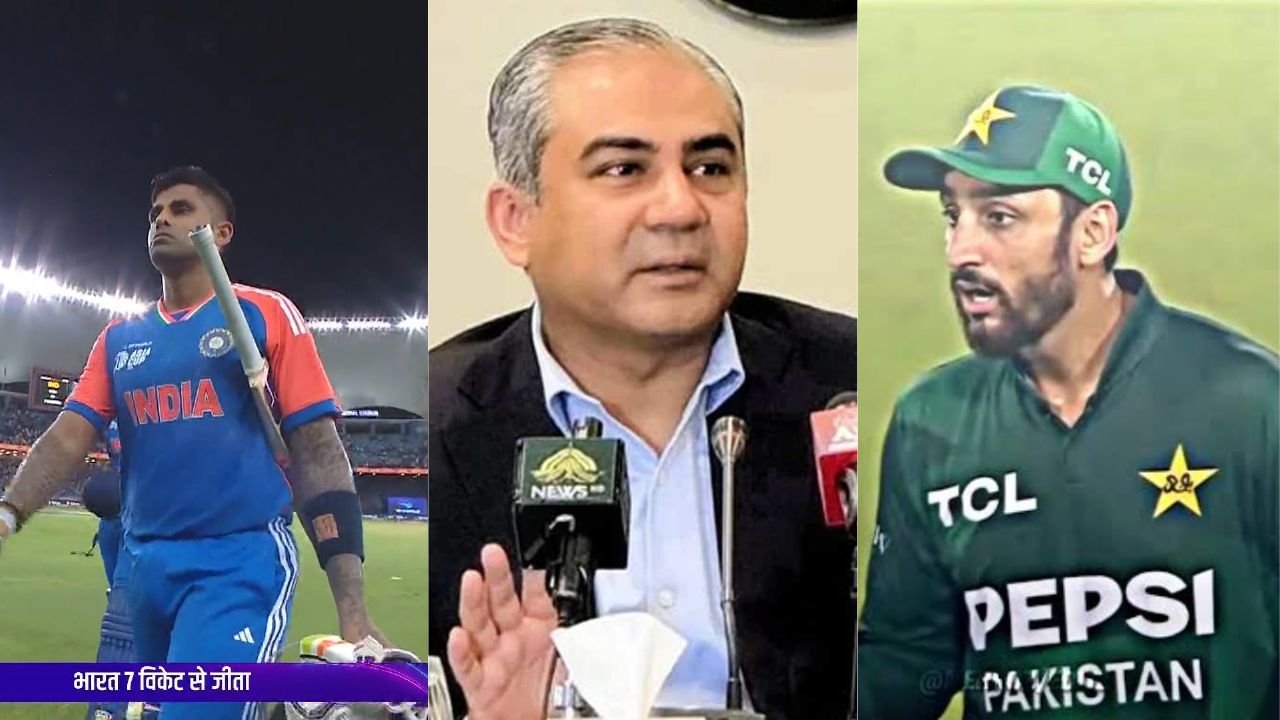
The President of the Asian Cricket Council (ACC) and Chairman of the Pakistan Cricket Board (PCB), Mohsin Naqvi, expressed disappointment over the recent controversy surrounding India’s refusal to shake hands with Pakistan players after their match. The incident occurred following a one-sided game in Dubai where Suryakumar Yadav’s team outplayed their arch-rivals.
Naqvi’s Disappointment
Naqvi took to social media to address the issue, stating that the lack of sportsmanship displayed by the Indian team goes against the spirit of the game. He emphasized that politics should not be dragged into cricket and hoped that future victories would be celebrated with respect and grace by all teams.
“Utterly disappointing to witness the lack of sportsmanship today. Dragging politics into the game goes against the very spirit of sports. Let’s hope future victories are celebrated by all teams with grace,” Naqvi wrote.
Pakistan’s Reaction
The controversy over the no-handshake incident was further fueled by the absence of the Pakistan captain from the post-match presentation. This led to speculation about the emotional toll of the defeat and the reasons behind Suryakumar Yadav’s team’s decision to skip the customary handshake.
Just Playing the Game
During the presentation ceremony and in a subsequent press conference, Suryakumar Yadav clarified that their decision was linked to the recent Pahalgam terror attack. He stated that the team was focused on playing the game and giving a proper reply, emphasizing that certain situations transcended sportsmanship.
“Our government and BCCI were aligned. We came here and we took a call. We came here just to play the game. We gave the proper reply. Few things in life are ahead of sportsman spirit,” Suryakumar said.
Match Recap
On the field, India put in an outstanding bowling performance to restrict Pakistan to just 127 runs. Pakistan struggled from the beginning, losing key wickets early on. Shaheen Afridi’s quick-fire 33 helped Pakistan post a modest total of 127/9 in their 20 overs.
In response, India got off to a flying start with Abhishek Sharma’s aggressive batting. Suryakumar Yadav and Tilak Varma then steadied the ship with a crucial partnership. Varma’s departure for 31 did not deter Suryakumar, who remained unbeaten on 47 to guide India to victory with 25 balls to spare.
The match result was overshadowed by the post-match controversy, but India’s dominant performance on the field showcased their cricketing prowess.
Overall, the incident highlighted the delicate balance between sportsmanship, politics, and the fierce rivalry that exists between India and Pakistan in the world of cricket.
Impact of the No-Handshake Incident
The no-handshake incident between India and Pakistan sparked a heated debate among cricket fans and analysts worldwide. Many viewed the gesture as a missed opportunity to uphold the traditional values of sportsmanship and mutual respect that are integral to the game of cricket. The incident also reignited discussions about the complex political dynamics that often overshadow cricket matches between the two neighboring countries.
While cricket has long been used as a platform to foster peace and goodwill between India and Pakistan, incidents like these serve as reminders of the underlying tensions that persist between the two nations. The refusal to shake hands after a match not only reflects poorly on the players involved but also detracts from the spirit of camaraderie that cricket aims to promote.
The Role of Sports in Diplomacy
Cricket has played a significant role in diplomatic relations between India and Pakistan, with the sport serving as a bridge to foster communication and understanding. However, moments like the no-handshake incident underscore the challenges of separating sports from politics, especially in a region marked by historical conflicts and territorial disputes.
Despite the controversies and occasional displays of animosity on the field, cricket continues to be a unifying force that transcends borders and brings people together. The shared passion for the game often supersedes political differences, providing moments of unity and celebration that extend beyond national boundaries.
Lessons Learned
As the cricketing world reflects on the repercussions of the no-handshake incident, there are valuable lessons to be gleaned from the controversy. It serves as a reminder of the importance of upholding sportsmanship, even in the face of intense rivalries and high-stakes matches. Emotions may run high during competitive encounters, but maintaining respect for the game and one’s opponents is paramount.
Furthermore, the incident underscores the need for open dialogue and communication between cricket boards, players, and officials to prevent similar misunderstandings in the future. Clear guidelines and protocols for post-match interactions can help ensure that respect and sportsmanship are always prioritized, regardless of the match outcome.
Looking Ahead
As the cricketing calendar continues with various tournaments and series, both India and Pakistan have the opportunity to set a positive example for the cricketing community. By demonstrating a commitment to fair play, respect, and unity, the teams can showcase the best aspects of the sport while honoring its rich history and traditions.
Ultimately, the no-handshake incident serves as a poignant reminder of the complex interplay between sports, politics, and national pride in the world of cricket. It underscores the challenges of navigating sensitive issues while upholding the core values that make cricket a beloved and respected sport globally.
Despite the controversies and tensions that may arise, the enduring spirit of cricket prevails, reminding fans and players alike of the power of the game to transcend boundaries and bring people together in a shared love for the sport.
Latest News
SRH suffer huge blow! Daniel Vettori confirms another overseas pacer injured amid crisis
IPL Points Table 2026: Updated Standings, Orange Cap, Purple Cap After RCB vs SRH Match 1
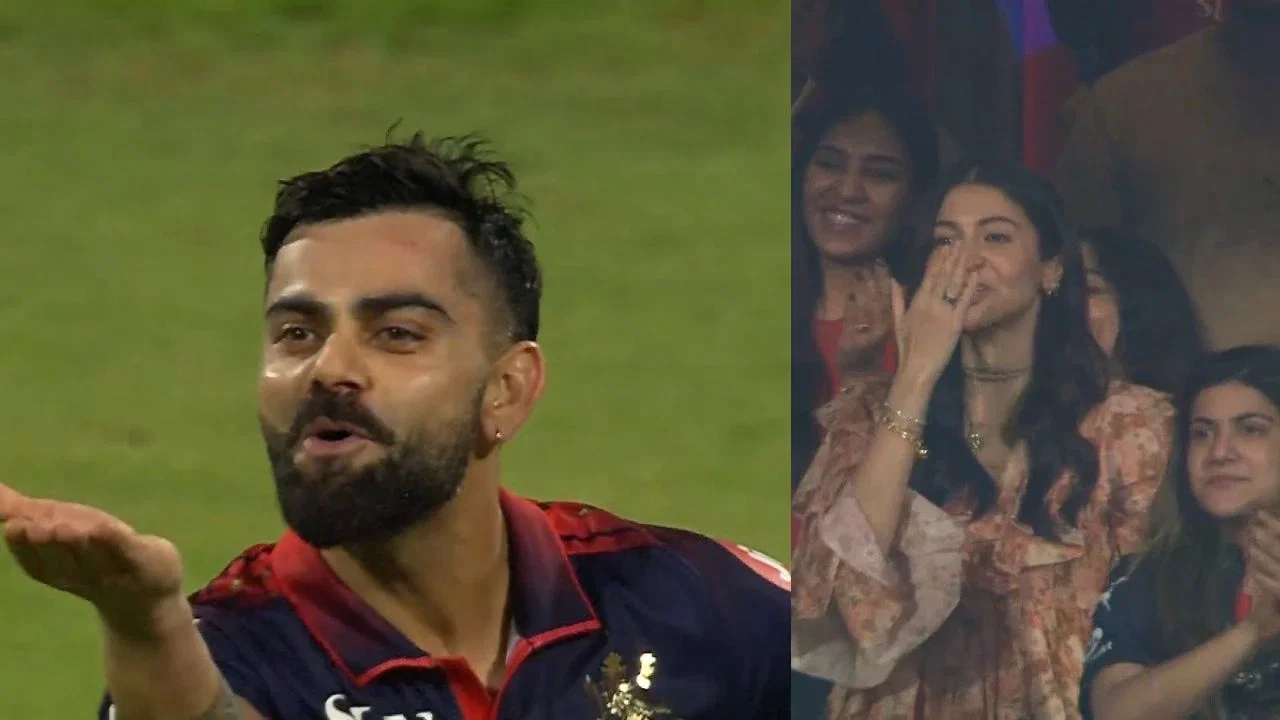
Virat Kohli, Anushka Sharma share adorable flying kiss moment after RCB vs SRH clash
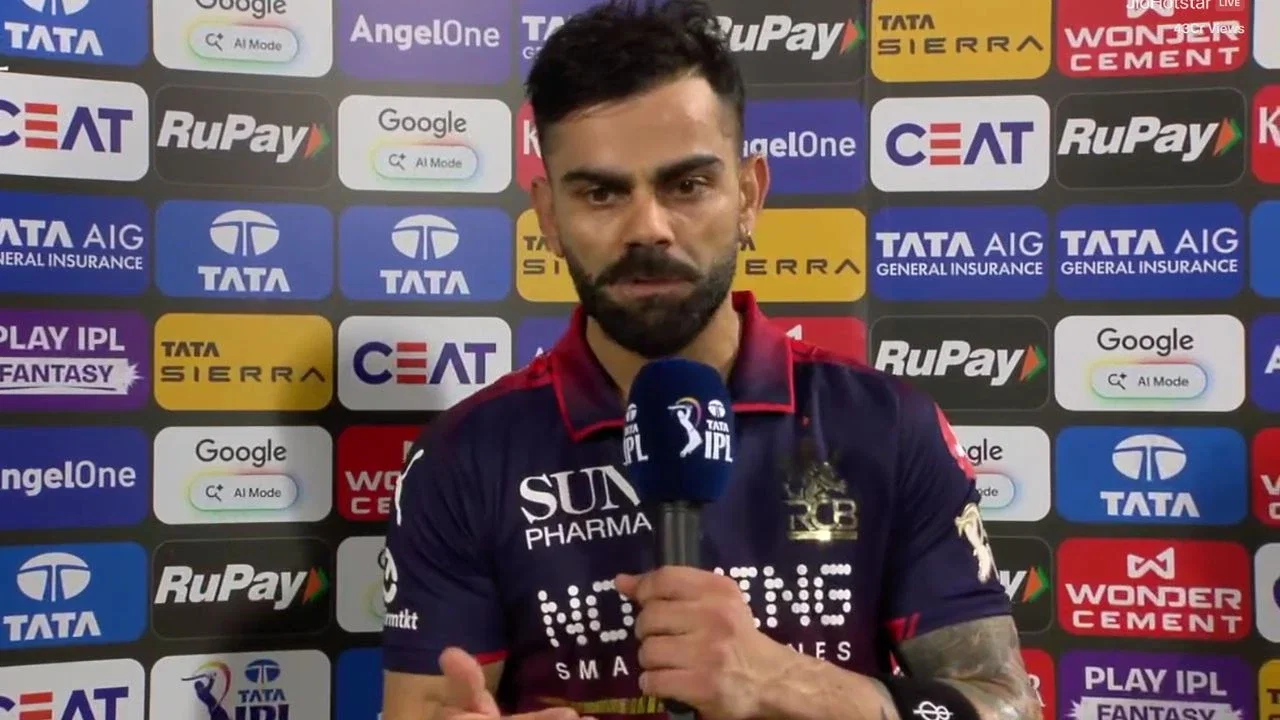
“Absolutely world-class”: Virat Kohli backs Devdutt Padikkal for permanent Team India spot
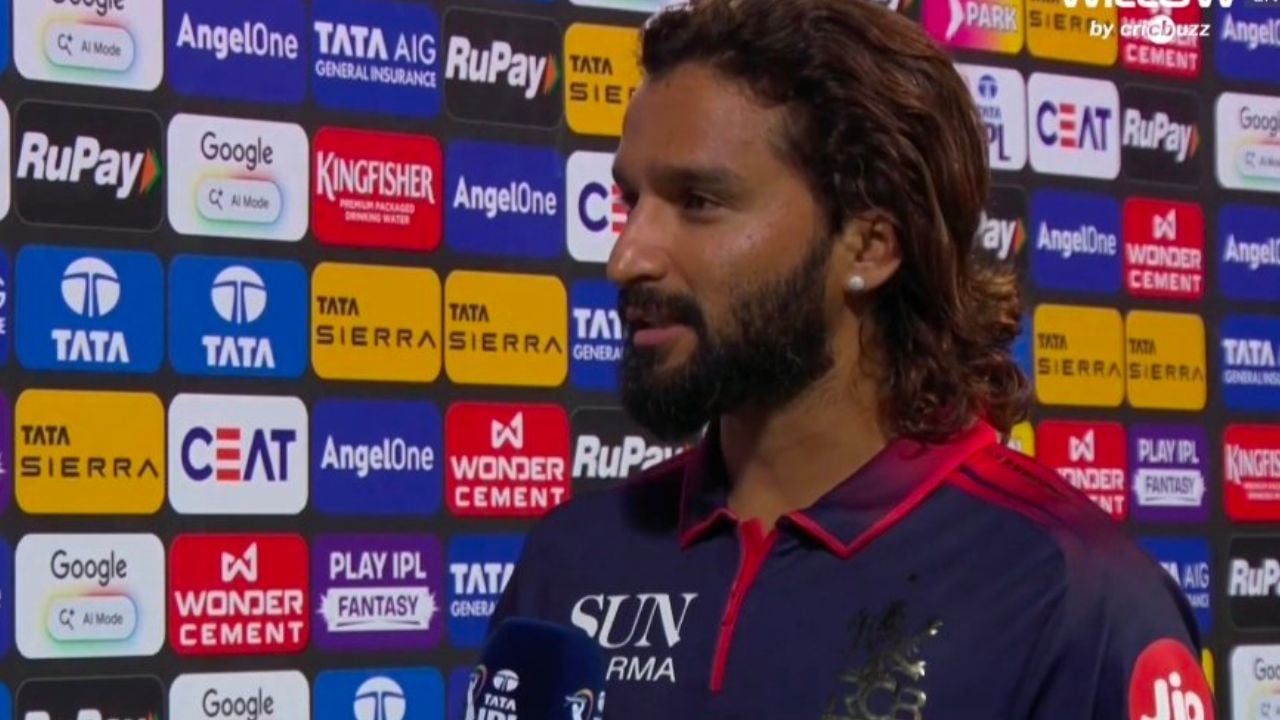
Rajat Patidar refuses to comment on Virat Kohli; Ishan Kishan admits enjoying after SRH’s loss to RCB
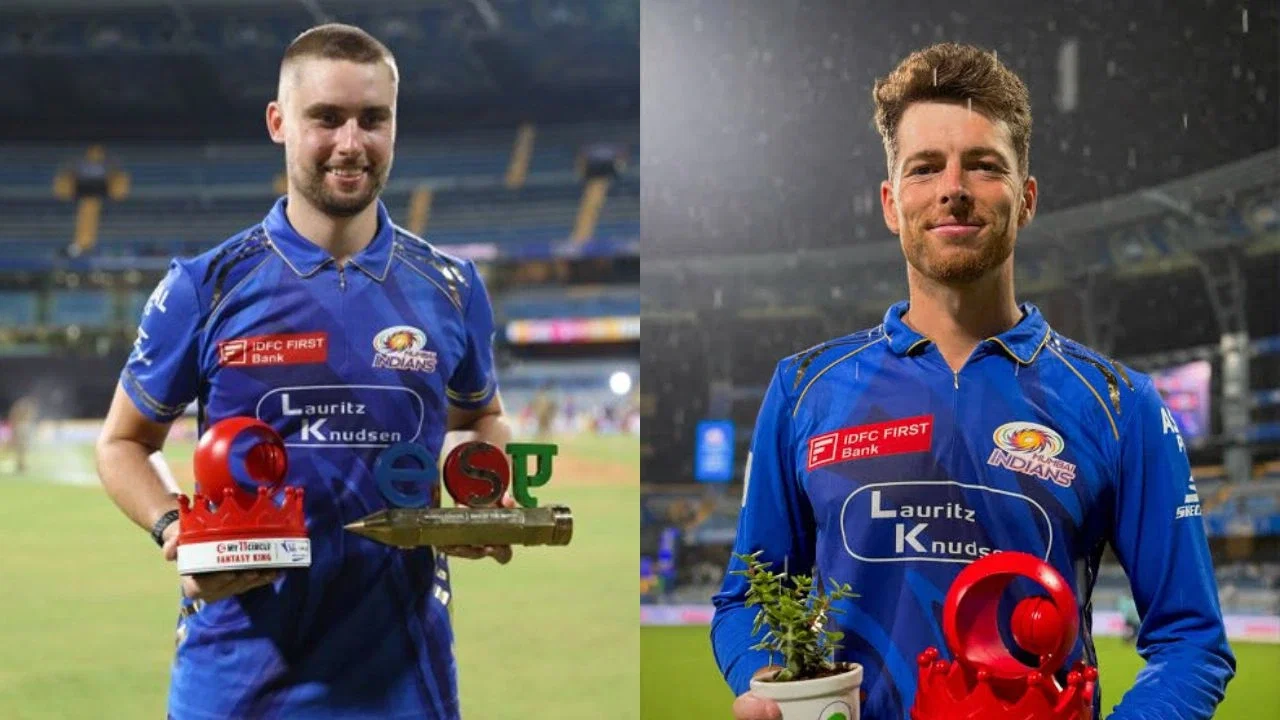
Mumbai Indians suffer blow! Mitchell Santner, Will Jacks ruled out of IPL 2026 games
MI vs KKR Match Prediction – Who Will Win Match No.2? | IPL 2026
Mumbai Indians Playing XI vs Kolkata Knight Riders Playing XI- Match No. 2 | IPL 2026
MI vs KKR Match 2 Preview: Free Live Streaming, Pitch & Weather Report, Head-to-Head | IPL 2026
Not English cricket! Jos Buttler credits IPL for his success as a cricketer
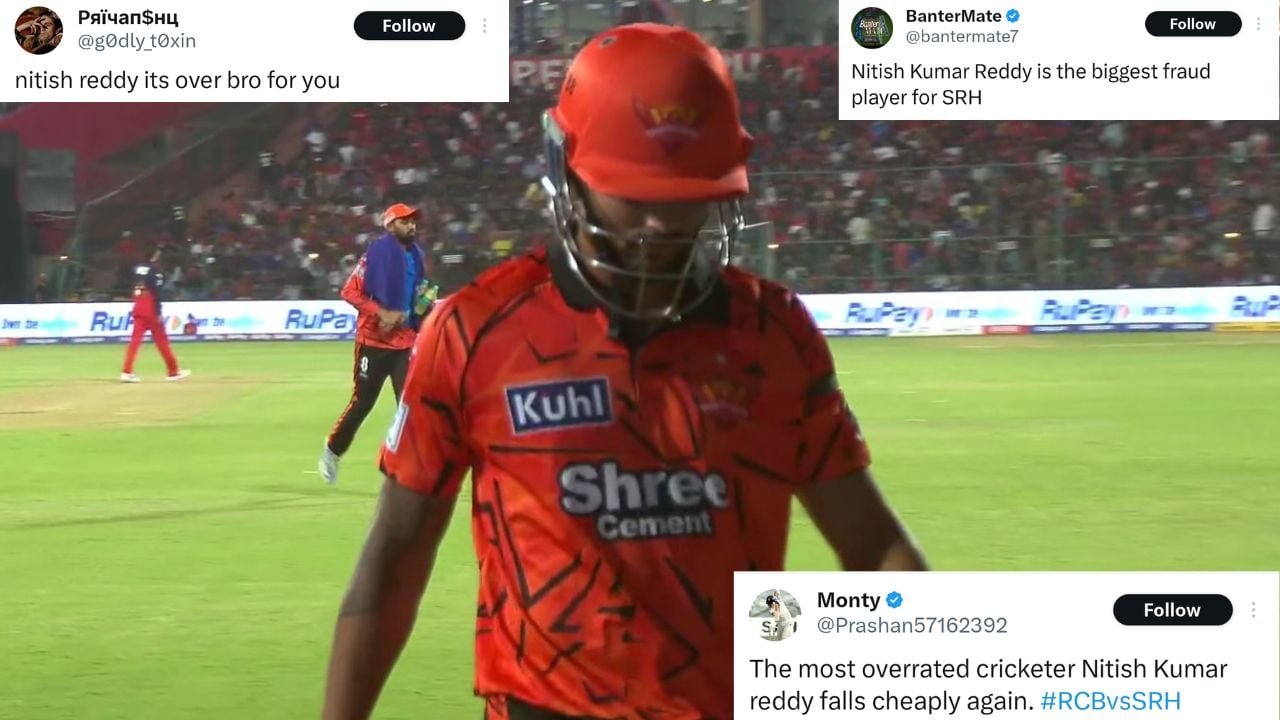
“Nitish Kumar Reddy is biggest fraud”: Fans fume as SRH star fails vs RCB in IPL 2026 opener
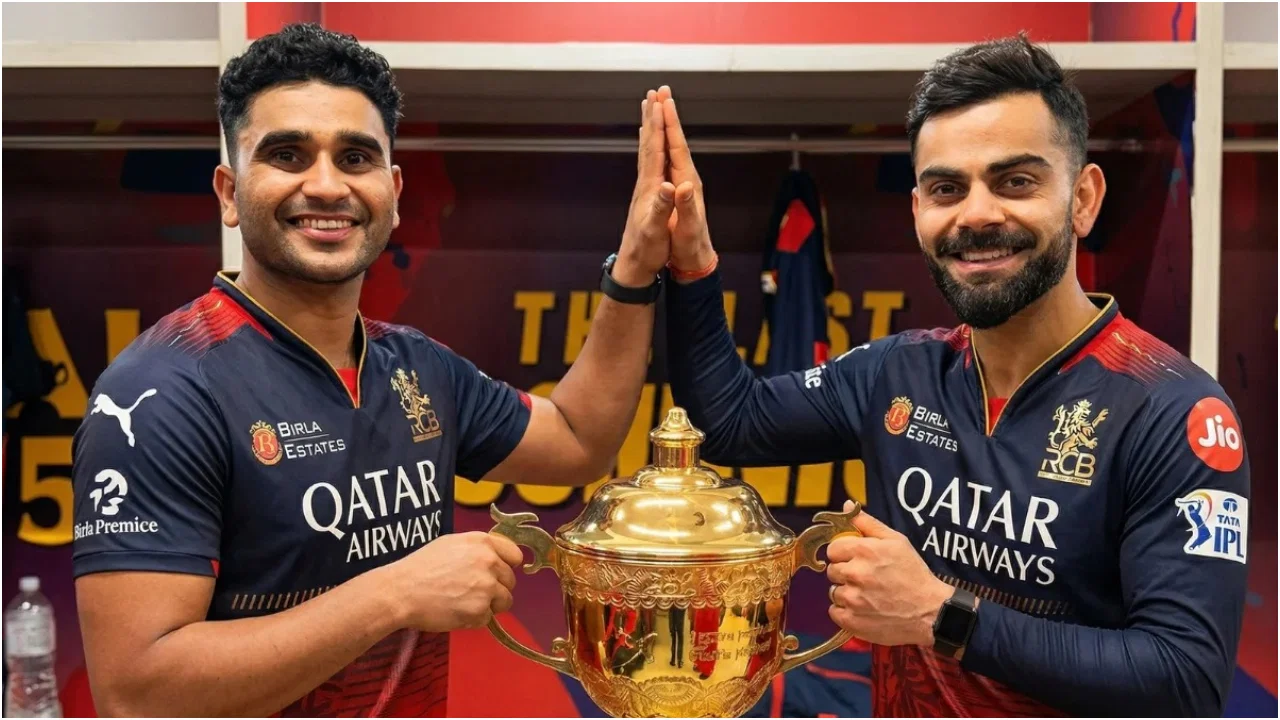
Who is Abhinandan Singh? The Virat Kohli troublemaker who made his IPL debut for RCB vs SRH
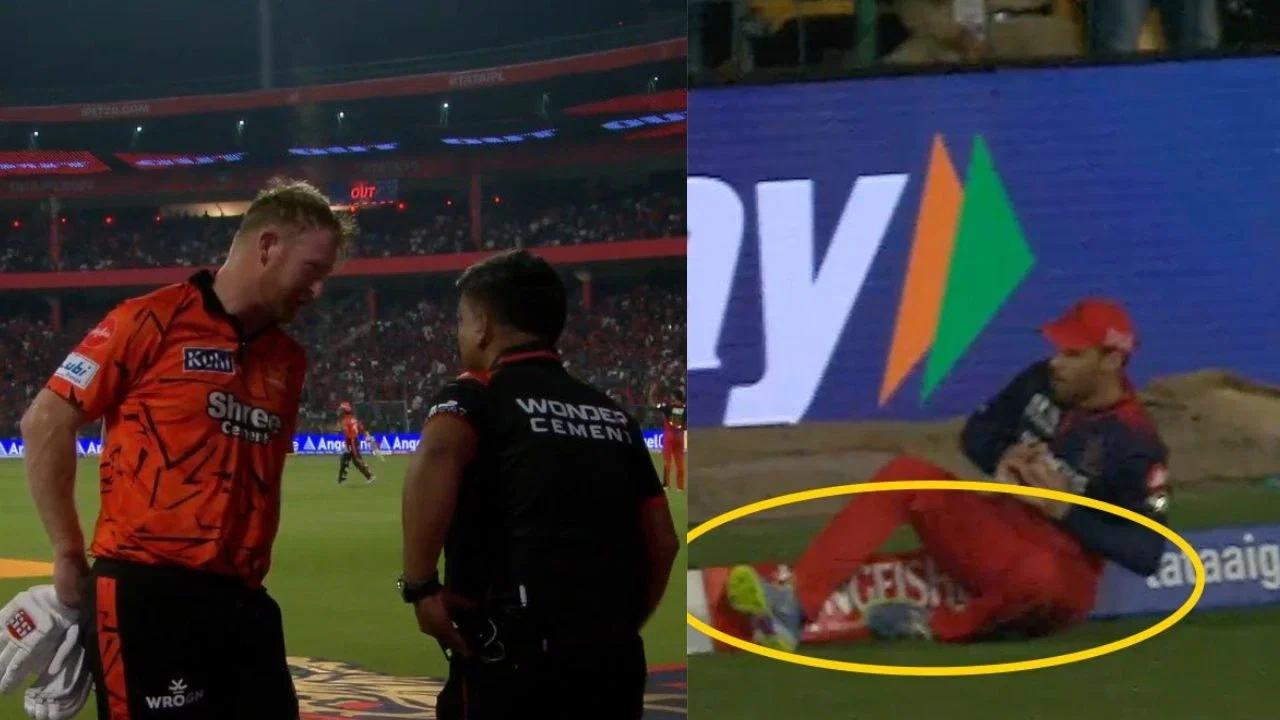
Heinrich Klaasen engages in heated chat with 4th umpire after Phil Salt’s controversial catch in IPL 2026
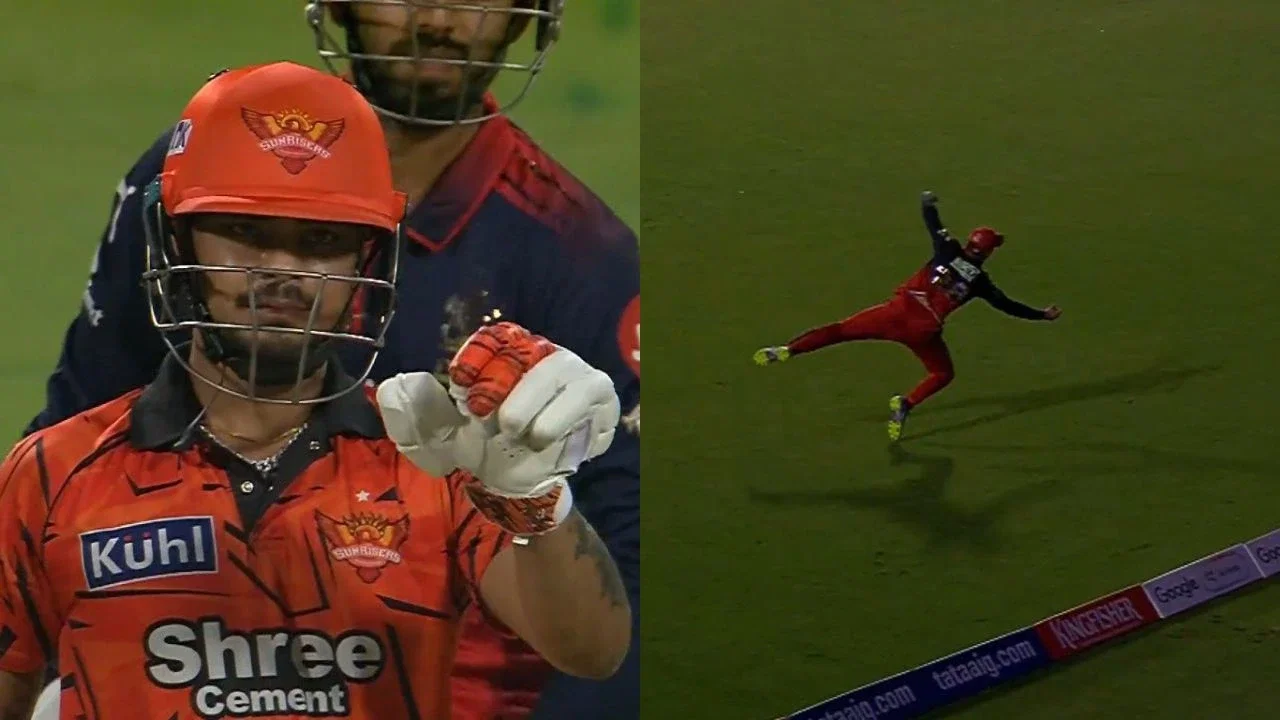
Phil Salt grabs one of the greatest catches in IPL history to dismiss Ishan Kishan