Asian Cricket Council chief issues official statement on IND vs PAK Handshake controversy; condemns India
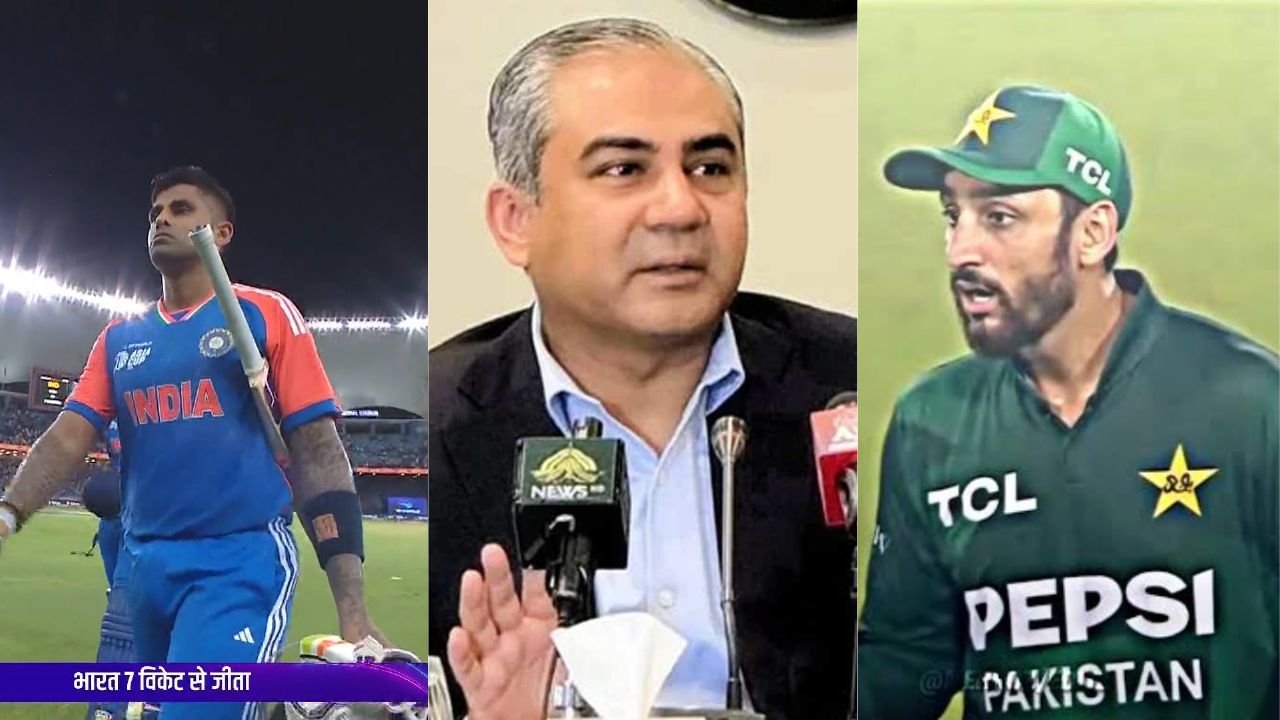
Mohsin Naqvi Expresses Disappointment Over India’s Refusal to Shake Hands with Pakistan Players
ACC President and PCB Chairman Reacts to Controversial Gesture After India vs. Pakistan Match
Asian Cricket Council (ACC) President and Pakistan Cricket Board (PCB) Chairman Mohsin Naqvi has expressed disappointment over India’s decision not to shake hands with Pakistan players following their recent match. Naqvi emphasized that politics should not be brought into cricket and that sportsmanship should be upheld at all times.
Suryakumar Yadav’s team dominated in the one-sided match against Pakistan in Dubai. Although the game itself did not ignite much excitement, all eyes turned to Suryakumar’s choice to skip the customary handshake with Pakistan captain Salman Ali Agha and his teammates.
Naqvi took to social media to share his thoughts on the controversy, stating, “Utterly disappointing to witness the lack of sportsmanship today. Dragging politics into the game goes against the very spirit of sports. Let’s hope future victories are celebrated by all teams with grace.”
India’s Explanation for No-Handshake Incident
During the post-match presentation, Suryakumar Yadav clarified the reason behind the lack of handshake between India and Pakistan. He mentioned that the decision was in response to the Pahalgam terror attack, stating, “Our government and BCCI were aligned. We came here just to play the game. We gave the proper reply. Few things in life are ahead of sportsman spirit.”
Before the match, there were calls for a boycott, setting a tense atmosphere for the encounter between the archrivals. Despite the controversy, India’s outstanding bowling effort restricted Pakistan to just 127 runs.
Men in Blue’s Strong Bowling Performance Leads to Victory
After choosing to bat first, Pakistan faced early struggles, losing key wickets to India’s bowlers. Hardik Pandya and Axar Patel made crucial breakthroughs, while Kuldeep Yadav’s twin strikes further dented Pakistan’s hopes of posting a competitive total.
In response, Abhishek Sharma provided a quick start for India with a blistering 31 off 13 balls. Despite losing a few wickets, Suryakumar Yadav’s composed innings of 47 not out guided India to a comfortable victory with 25 balls to spare.
The match showcased India’s dominance on the field, with their bowlers delivering a disciplined performance and the batsmen chasing down the target with ease. The victory not only secured a win for India but also added another chapter to the intense rivalry between the two cricketing nations.
As the tournament progresses, fans eagerly anticipate the next encounter between India and Pakistan, hoping for more thrilling moments and competitive cricket on the field.
Overall, the match between India and Pakistan was not just about cricket but also highlighted the complexities of politics and emotions that often surround this historic rivalry. Despite the controversies and tensions, the spirit of the game prevailed as both teams showcased their skills and competitiveness on the field.
Impact of the No-Handshake Incident on Future Matches
The controversial no-handshake incident between India and Pakistan players is likely to have lasting repercussions on the dynamics of future matches between the two cricketing nations. The decision to forego the traditional post-match handshake symbolizes the deep-rooted political tensions that exist between India and Pakistan, transcending the boundaries of sportsmanship.
As the rivalry between the two teams intensifies with each encounter, the specter of political disagreements looms large over the cricket field. The Pahalgam terror attack cited as the reason for the no-handshake incident underscores the sensitive nature of the relationship between India and Pakistan, where sporting events become a platform for expressing diplomatic tensions.
Going forward, it is crucial for both teams to find a balance between the competitive spirit of the game and the need to uphold sportsmanship. While political differences may persist, it is essential to ensure that such incidents do not detract from the essence of cricket as a unifying force that transcends borders and ideologies.
Building Bridges Through Cricket Diplomacy
Despite the challenges posed by political tensions, cricket has often served as a medium for fostering goodwill and understanding between India and Pakistan. The cricketing ties between the two nations have a long and storied history, marked by moments of intense competition and camaraderie on the field.
Cricket diplomacy, a term used to describe the role of cricket in easing diplomatic relations between India and Pakistan, has been instrumental in creating opportunities for dialogue and collaboration. While incidents like the no-handshake gesture may strain relations temporarily, it is essential to recognize the broader impact of sports in bringing people together and promoting peace.
As both teams prepare for future matches, there is an opportunity to use the spirit of cricket to bridge divides and foster a sense of unity amidst the political discord. By emphasizing the values of sportsmanship, respect, and fair play, India and Pakistan can set an example for the world on how sports can transcend differences and foster mutual understanding.
Looking Ahead: The Future of India-Pakistan Cricket Rivalry
As the cricketing calendar unfolds, fans around the world eagerly await the next chapter in the storied rivalry between India and Pakistan. Each match between the two teams is not just a contest of skills and tactics but a reflection of the shared history and complex relationship that exists between the neighboring nations.
While controversies and tensions may arise, it is important to remember the power of cricket in uniting people and transcending barriers. The on-field battles between India and Pakistan serve as a reminder of the passion and intensity that define this iconic rivalry, captivating audiences and inspiring generations of cricket fans.
Ultimately, the spirit of sportsmanship and the love for the game will prevail, allowing cricket to continue to be a unifying force that brings joy and excitement to millions of fans worldwide. In the midst of political differences and diplomatic challenges, the cricket field remains a place where boundaries fade away, and the true spirit of competition shines through.
As India and Pakistan prepare to face off once again, the world watches with bated breath, eager to witness the next chapter in this legendary rivalry and the enduring legacy of cricket as a symbol of unity and sportsmanship.
By delving into the complexities of the India-Pakistan cricket rivalry, exploring the impact of political tensions on sportsmanship, and highlighting the potential for cricket diplomacy, we gain a deeper understanding of the significance of these matches beyond the boundaries of the cricket field. As the two nations navigate their shared history and navigate their future encounters, the true essence of cricket as a unifying force becomes even more apparent.
Latest News
Shubman Gill out? Virat Kohli’s Test comeback as captain suggested by CSK legend
Jason Gillespie gives major update on Glenn Maxwell’s availability for PSL 2026
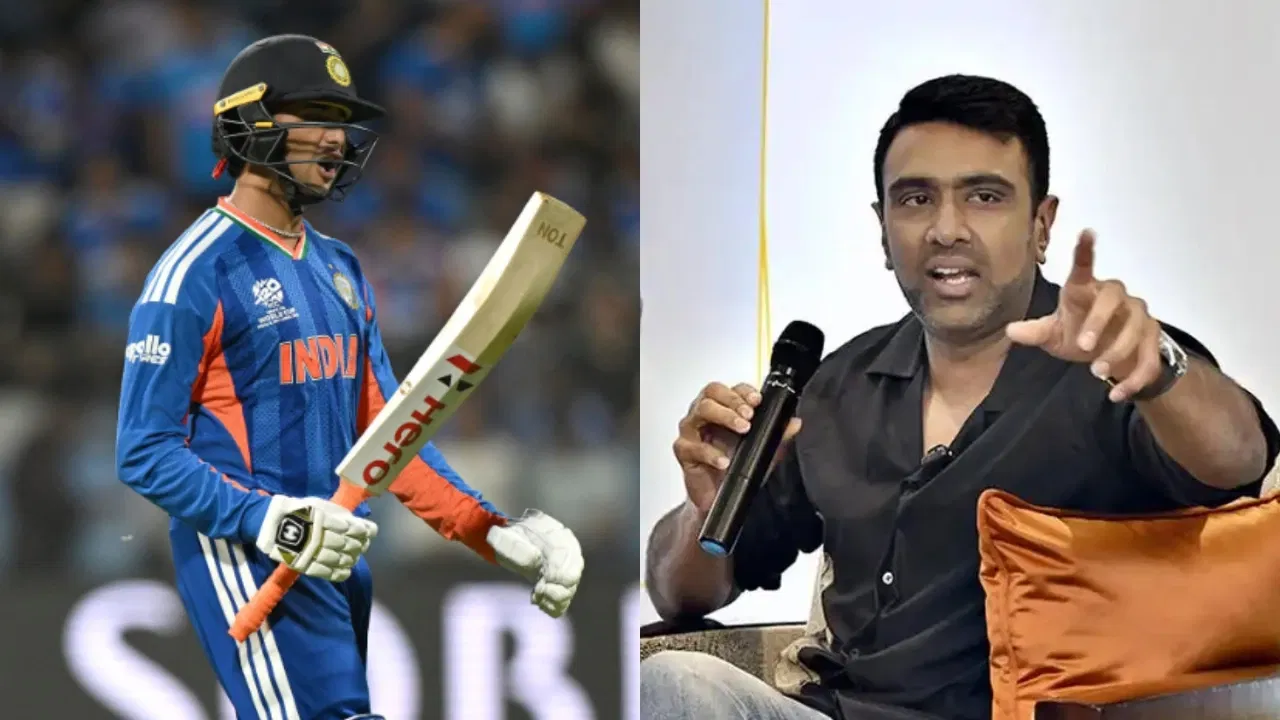
‘I’m a big fan but…’: Ravichandran Ashwin criticises Abhishek Sharma after failure vs RCB.
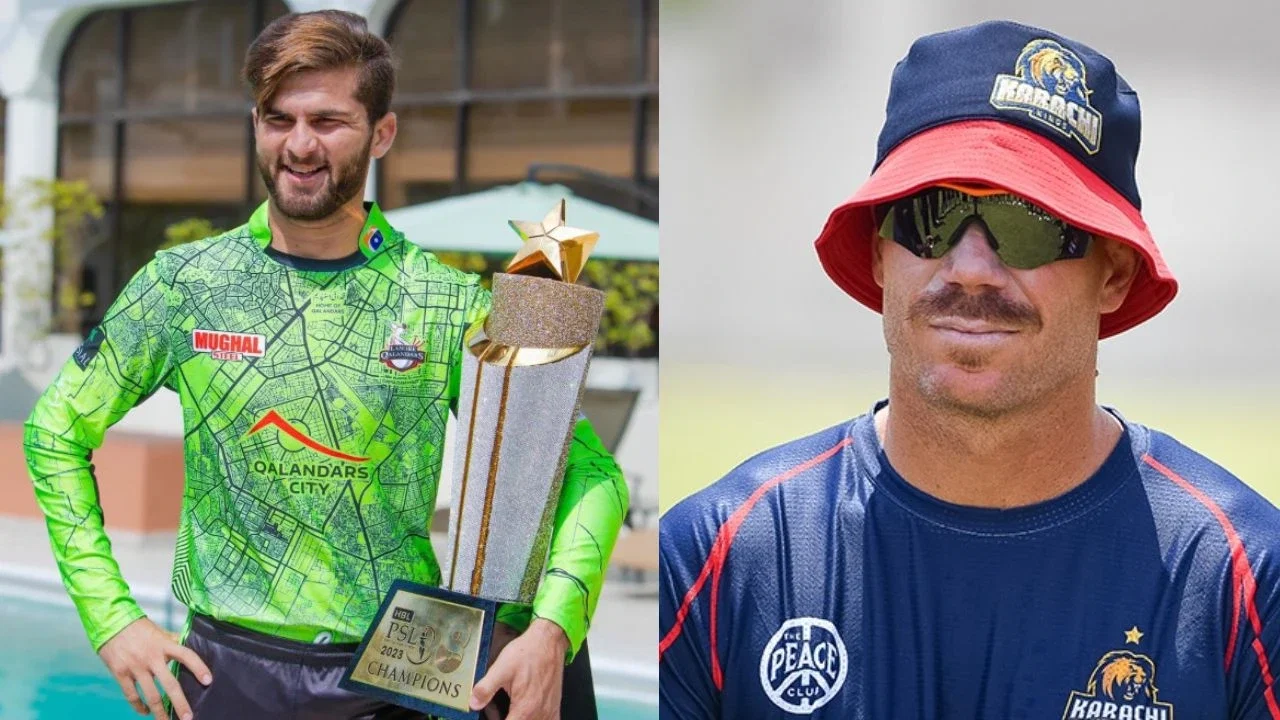
LHQ vs KRK Match Prediction, Pitch & Weather Report, Playing XIs, Head-to-Head, Free Live Streaming – PSL 2026 Match 6
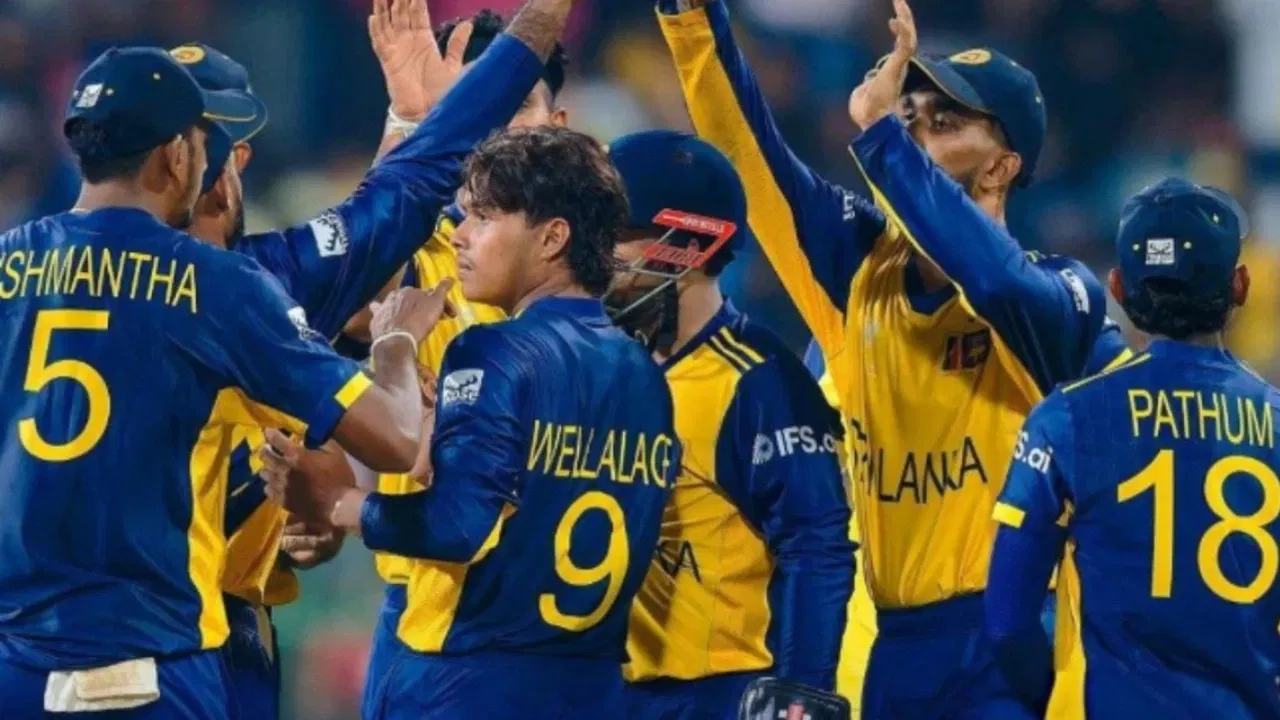
IPL teams on alert!: Sri Lanka fitness crisis sees almost 50% players fail tests
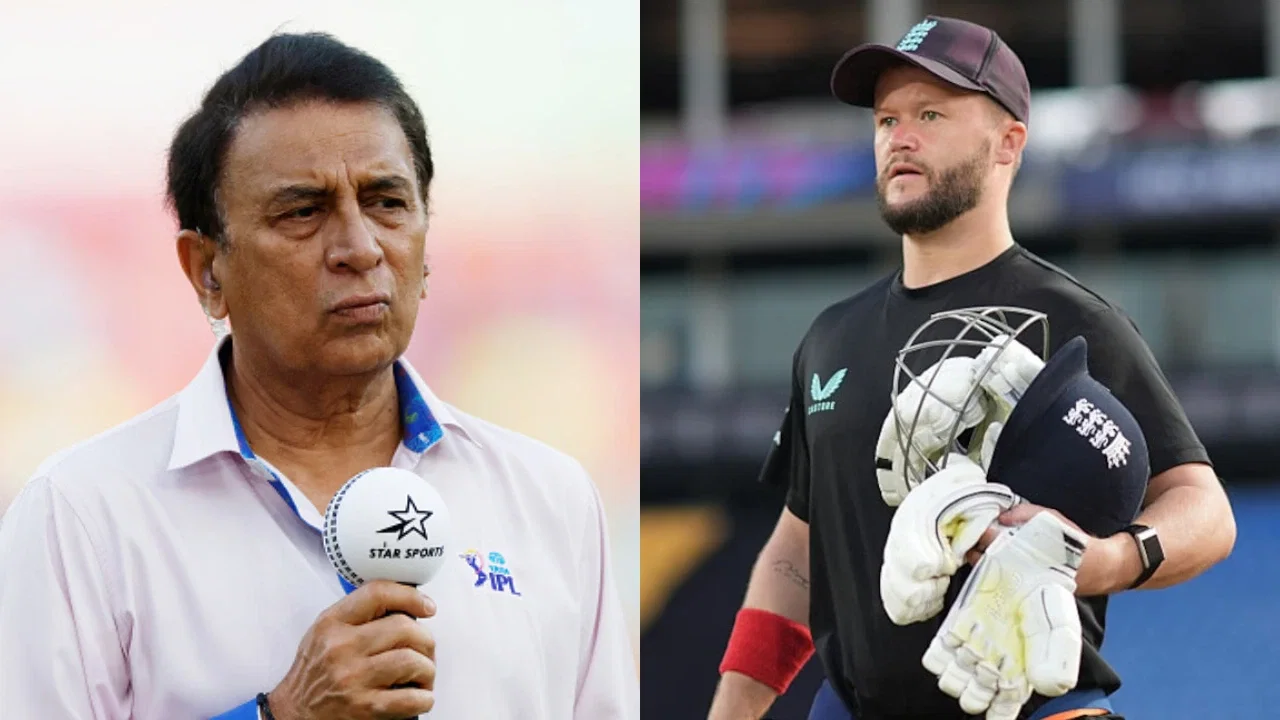
Ben Duckett in trouble? Sunil Gavaskar pushes BCCI for tougher punishment
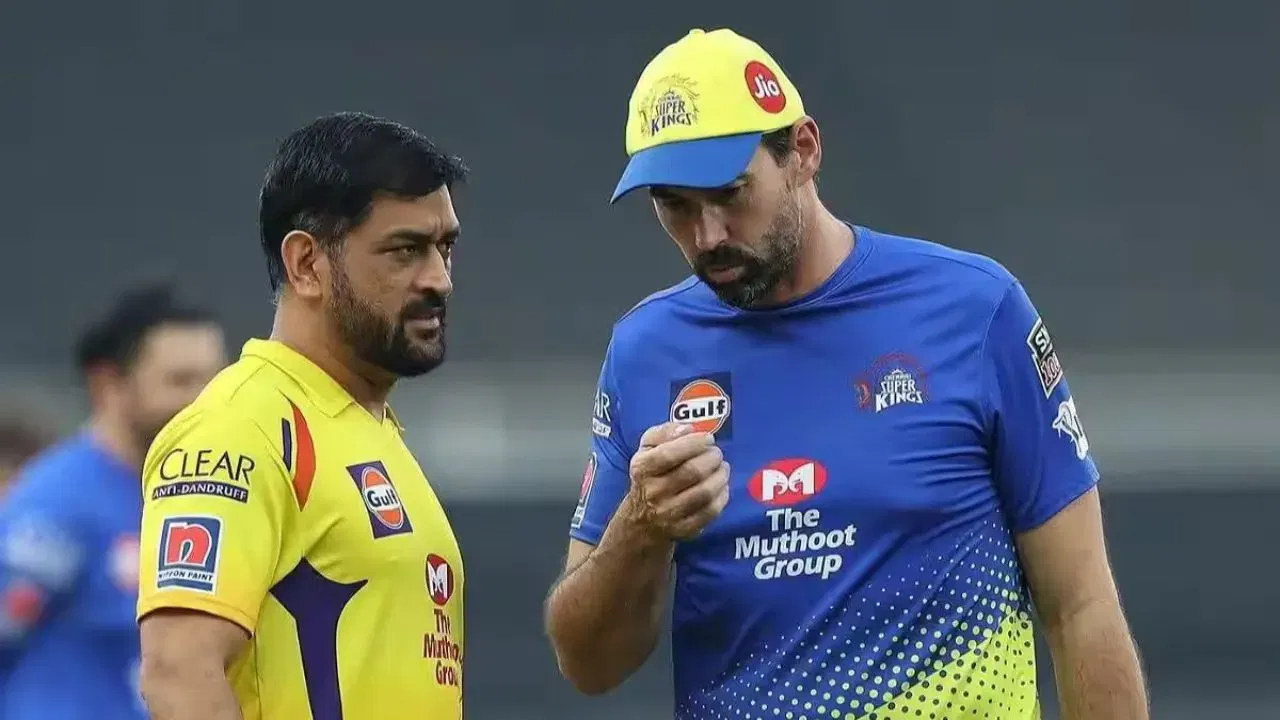
MS Dhoni faking injury? Michael Vaughan suspects ‘strategic manoeuvre’ in CSK camp for IPL 2026
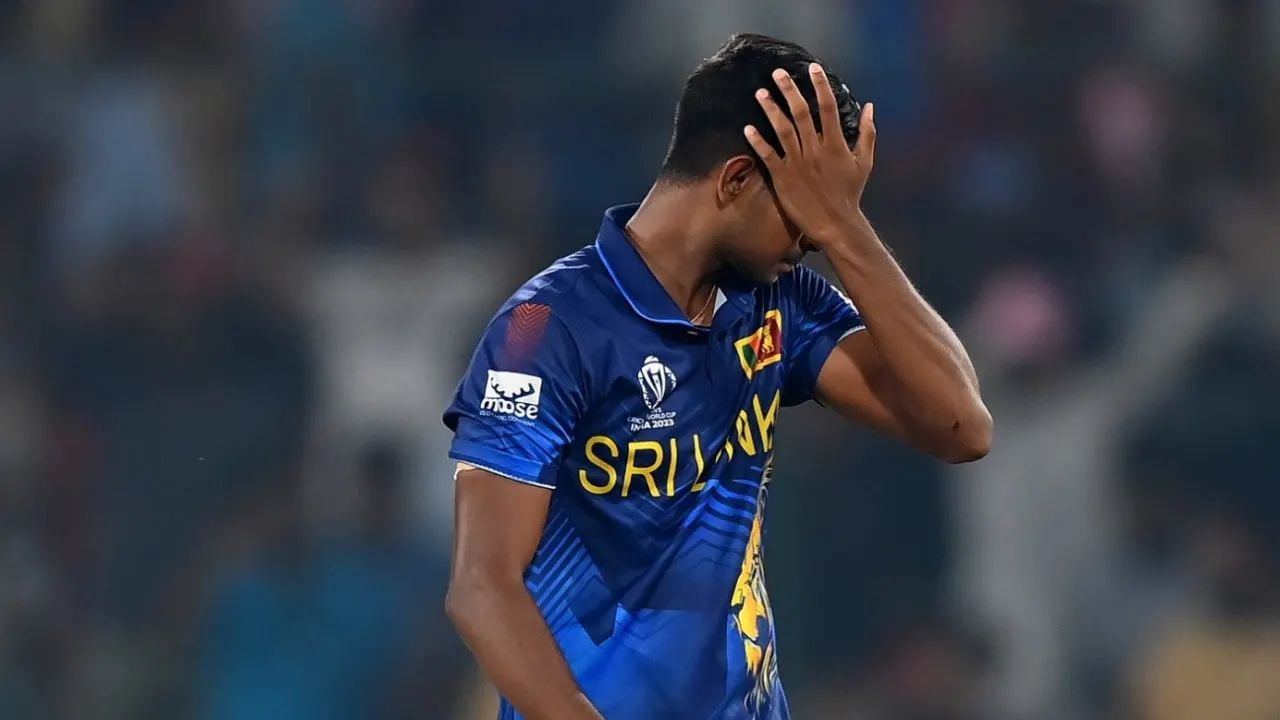
KKR coach criticises Impact Player rule, provides huge Matheesha Pathirana update
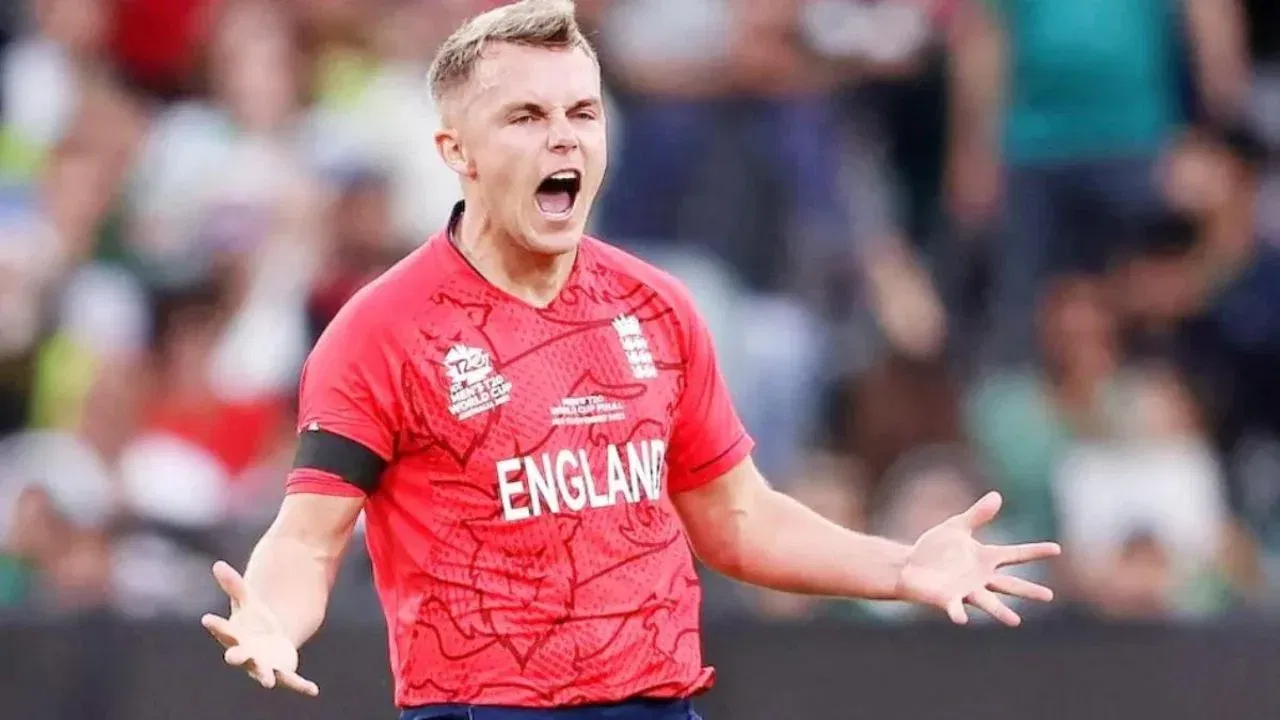
Sam Curran reveals private chat with Brendon McCullum after England axing
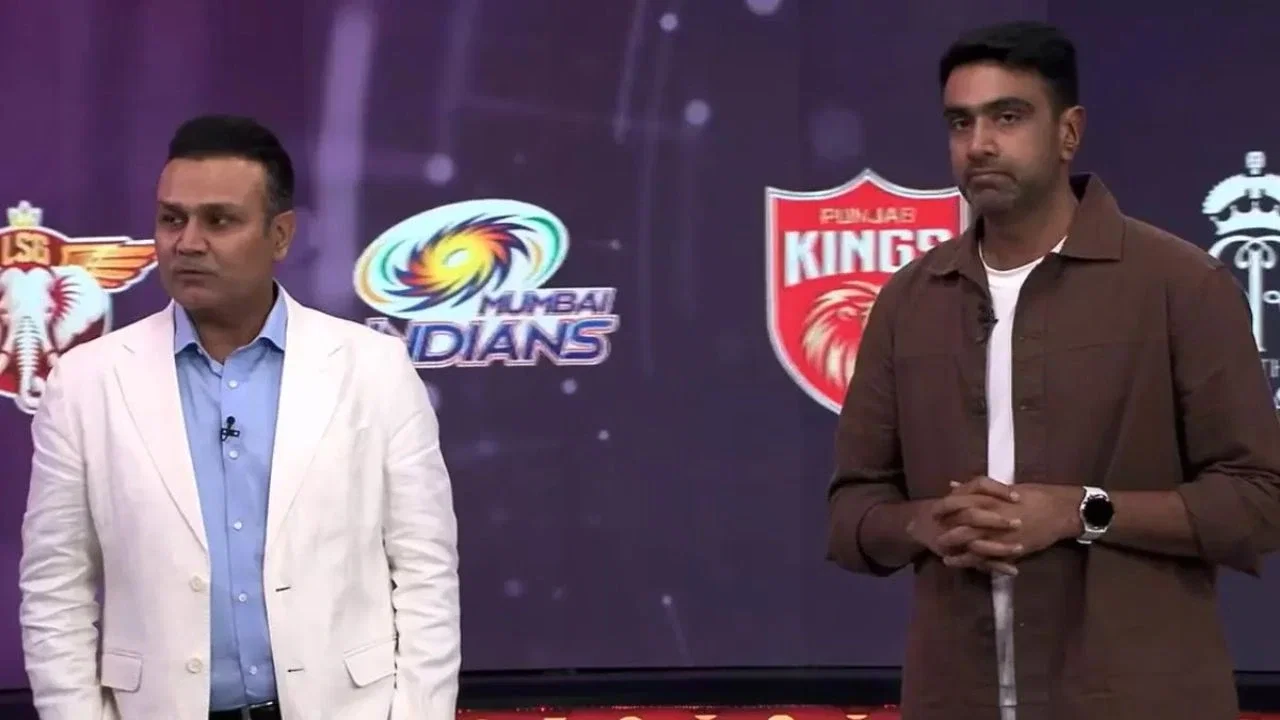
Ravichandran Ashwin brutally teased by Virender Sehwag on IPL 2026 debut
Virat Kohli’s ego under spotlight! Ex-KKR star makes bold claim after heroics vs SRH
Jay Shah rises to No. 22 among most powerful people in India in 2026; Virat Kohli, Gautam Gambhir included
SRH suffer huge blow! Daniel Vettori confirms another overseas pacer injured amid crisis
IPL Points Table 2026: Updated Standings, Orange Cap, Purple Cap After RCB vs SRH Match 1