Australia drag ‘retired’ Matthew Wade back for T20 World Cup 2026 in bizarre dual role
Australia Takes Unconventional Approach Ahead of ICC T20 World Cup 2026
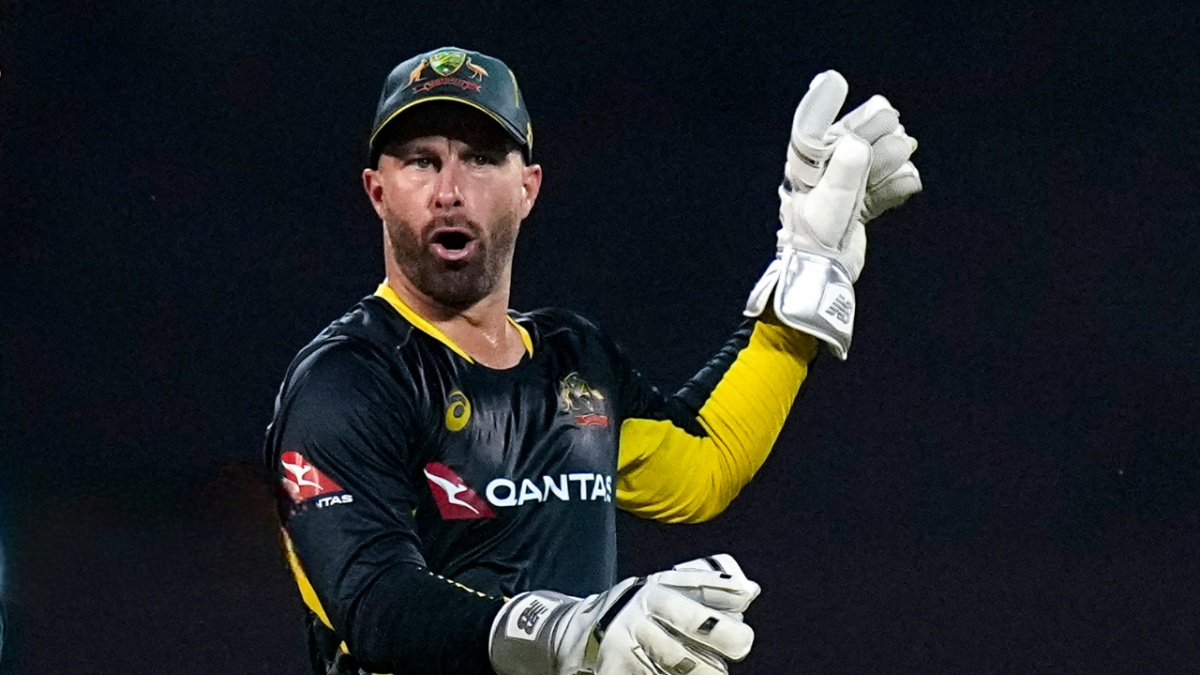
Ahead of the ICC T20 World Cup 2026, the Australian men’s cricket team has taken an unconventional approach by opting not to include a second specialist wicket-keeper in their squad. Led by George Bailey, the selection committee has decided to rely on assistant coach Matthew Wade as the backup option for wicket-keeping duties.
Trust in Matthew Wade
Despite facing a series of injuries to key players like Josh Hazlewood, Tim David, and skipper Pat Cummins, the selectors have shown full faith in wicket-keeper Josh Inglis. While Inglis has not been in top form during the ongoing BBL season, there is no backup wicket-keeper designated in the squad.
If Inglis were to be sidelined due to injury, Australia would be in a challenging position as they have decided not to name a second-choice wicket-keeper. Previously, there were discussions about all-rounder Glenn Maxwell potentially taking up the gloves in such a scenario.
Matthew Wade’s Role
Former Australian wicket-keeper batter Matthew Wade, who retired from international cricket in 2025 and transitioned into a coaching role, remains a crucial figure in the team. Despite his retirement, there are talks of Wade potentially coming out of retirement to fill in as a wicket-keeper if Inglis is unable to continue in the tournament.
Wade, who has been playing in the BBL for the Hobart Hurricanes, could provide valuable experience and depth to the Australian squad if called upon. As the assistant coach of the national side, he is already part of the touring party to India and Sri Lanka for the T20 World Cup.
Unique Approach in Cricket
This unconventional approach of having a coach also serve as a potential player in the team is not common in cricket. However, Australians have a history of challenging traditional norms in the sport. Former Australian great Shane Warne once took on the dual role of head coach and player-captain in the IPL, leading the Rajasthan Royals to their maiden title.
Warne’s success in this unique role paved the way for other players like Shane Watson and Ravindra Jadeja to thrive in international cricket. Similarly, Matthew Wade’s potential return to playing duties while also being part of the coaching staff showcases Australia’s innovative thinking and adaptability in the competitive world of cricket.
As the ICC T20 World Cup 2026 approaches, all eyes will be on Australia and their unconventional approach to team selection. With experienced figures like Matthew Wade in the mix, the team is hoping to overcome challenges and make a strong impact in the upcoming tournament.
Strategic Decision-Making
The Australian team’s decision to forgo a second specialist wicket-keeper in their squad for the ICC T20 World Cup 2026 reflects a strategic approach to team composition. By relying on assistant coach Matthew Wade as a potential backup option, the selectors are emphasizing the importance of versatility and adaptability in modern cricket.
This unconventional strategy highlights the team’s confidence in their players’ abilities to step up and fulfill different roles if required. It also showcases a willingness to think outside the box and challenge conventional norms in team selection, demonstrating a bold and innovative mindset within the Australian cricket setup.
Experience and Mentoring
Matthew Wade’s dual role as a coach and a potential player brings a wealth of experience and knowledge to the Australian squad. As a seasoned cricketer who has played at the highest levels of the game, Wade can provide invaluable insights, guidance, and mentoring to the younger players in the team.
His presence not only adds depth to the squad but also offers a unique perspective that combines on-field expertise with coaching acumen. This blend of experience and coaching prowess could prove to be a significant asset for the Australian team as they prepare to compete on the global stage.
Adapting to Challenges
In the fast-paced and unpredictable world of cricket, adaptability is a key attribute for success. The Australian team’s willingness to embrace unconventional strategies and make bold decisions in the face of adversity demonstrates their ability to adapt to changing circumstances and overcome challenges.
By entrusting Matthew Wade with the potential dual role of coach and player, Australia is showcasing their flexibility and resilience in the face of unexpected hurdles. This willingness to think creatively and embrace new approaches bodes well for the team’s ability to navigate the competitive landscape of international cricket.
Australia’s Legacy of Innovation
Australia has a long history of innovation and groundbreaking strategies in the world of cricket. From pioneering new techniques on the field to revolutionizing training methods off the field, Australian cricket has been at the forefront of pushing boundaries and redefining the sport.
The decision to include Matthew Wade in a dual coaching and playing capacity is another example of Australia’s legacy of innovation and forward-thinking in cricket. By challenging conventional norms and exploring alternative approaches to team selection, the Australian team is continuing a tradition of excellence and ingenuity that has defined their cricketing ethos for generations.
As the ICC T20 World Cup 2026 looms closer, Australia’s unconventional approach and strategic decision-making will be closely watched by fans and experts alike. With a blend of experience, talent, and innovation, the Australian team is poised to make a significant impact on the tournament and showcase their ability to thrive in the face of uncertainty.
Latest News
Yograj Singh makes blunt remark at Virat Kohli and Rohit Sharma over early retirement calls
Bhuvneshwar Kumar on brink of IPL history, needs two wickets for massive milestone
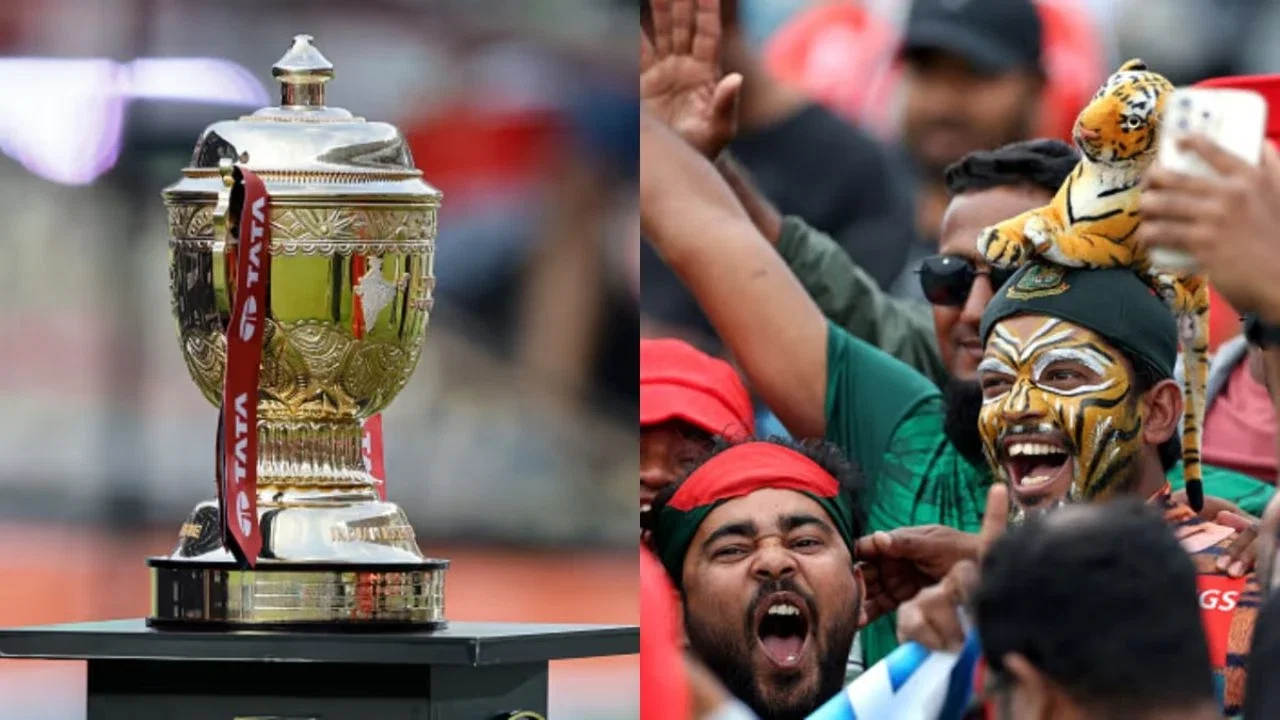
IPL to be broadcasted? Bangladesh government drops massive update on IPL broadcast ban

SRH fans to boycott IPL? Former India cricketer shares insights on social media drama around Abrar Ahmed
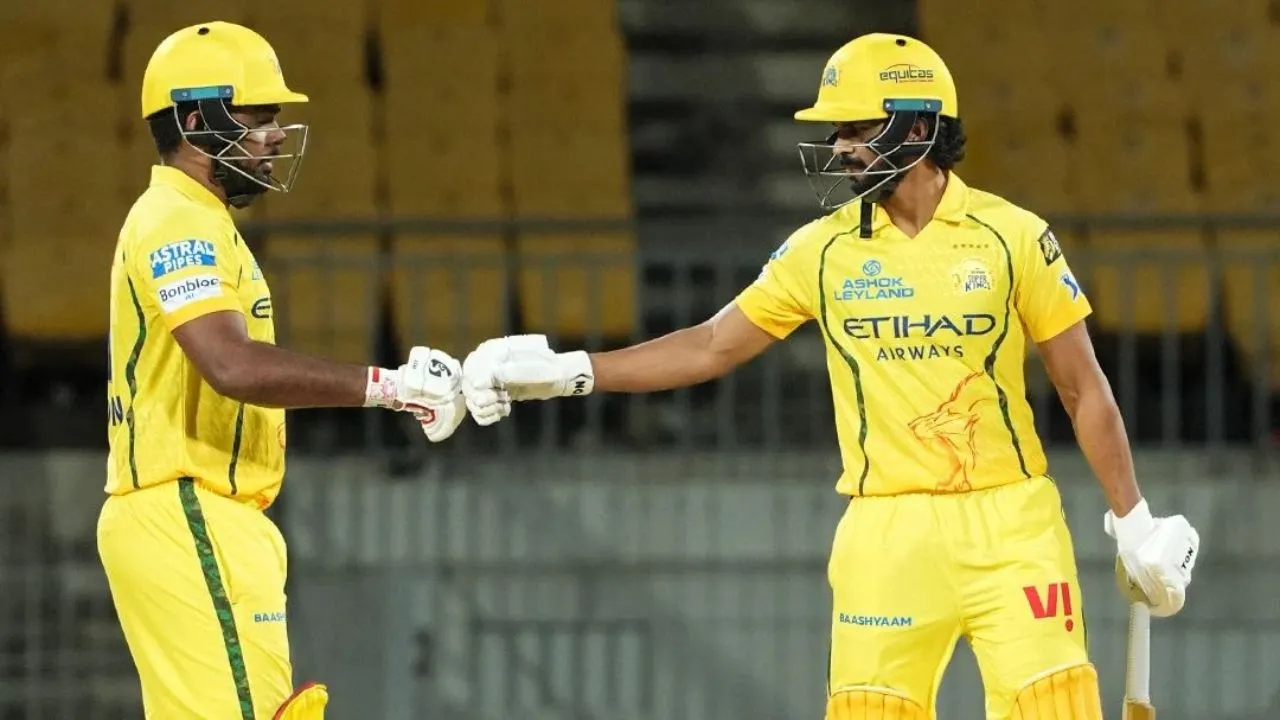
“Explore this opportunity”: Ruturaj Gaikwad shares inside story of convincing Sanju Samson to join CSK
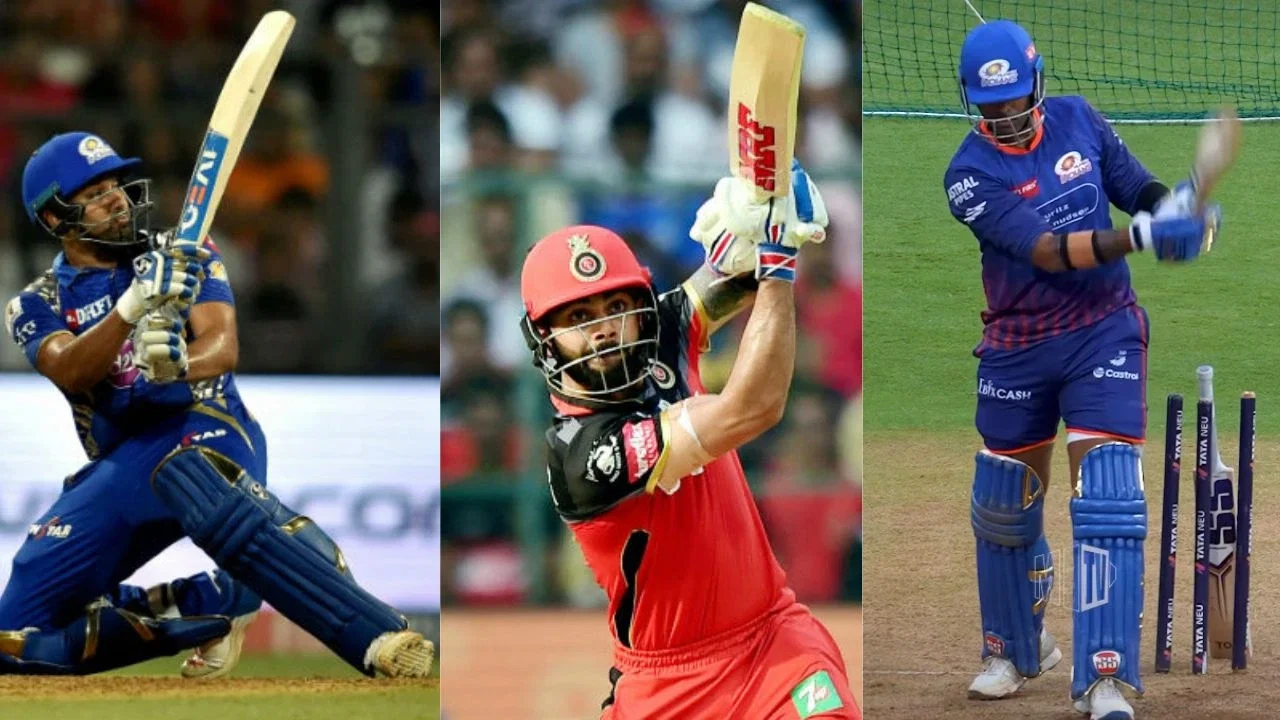
KKR pacer snubs Rohit Sharma, Virat Kohli, picks MI star as most difficult batter he’s bowled to
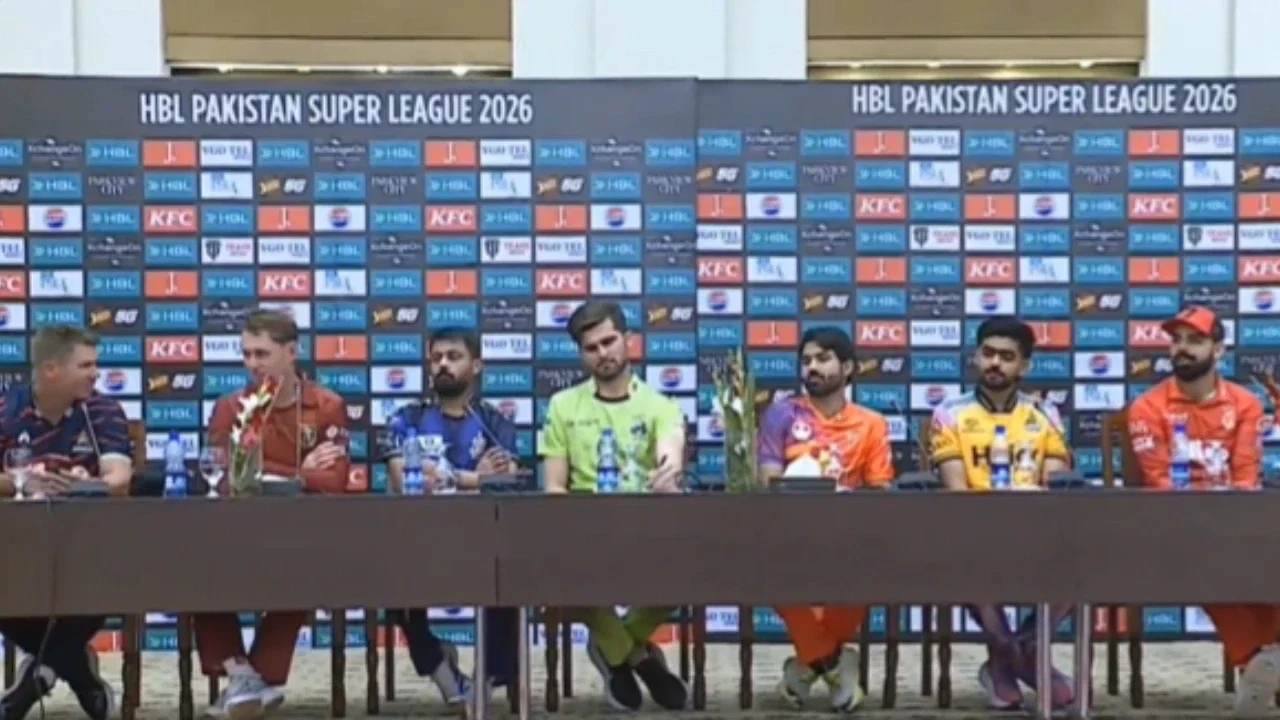
PSL drama erupts! Pakistan great blasted for “lack of manners” after embarrassing ex-England star
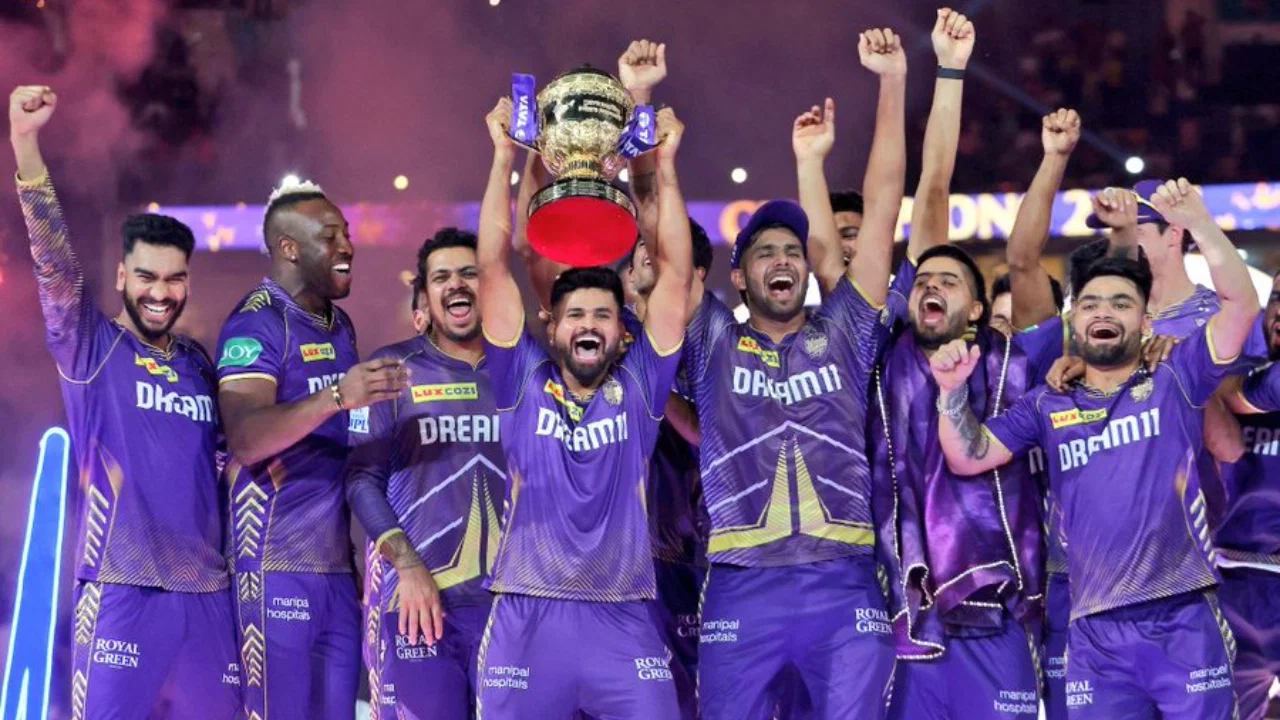
“2024 mein woh underrated the” – Vaibhav Arora on Shreyas Iyer not getting credit for KKR title win
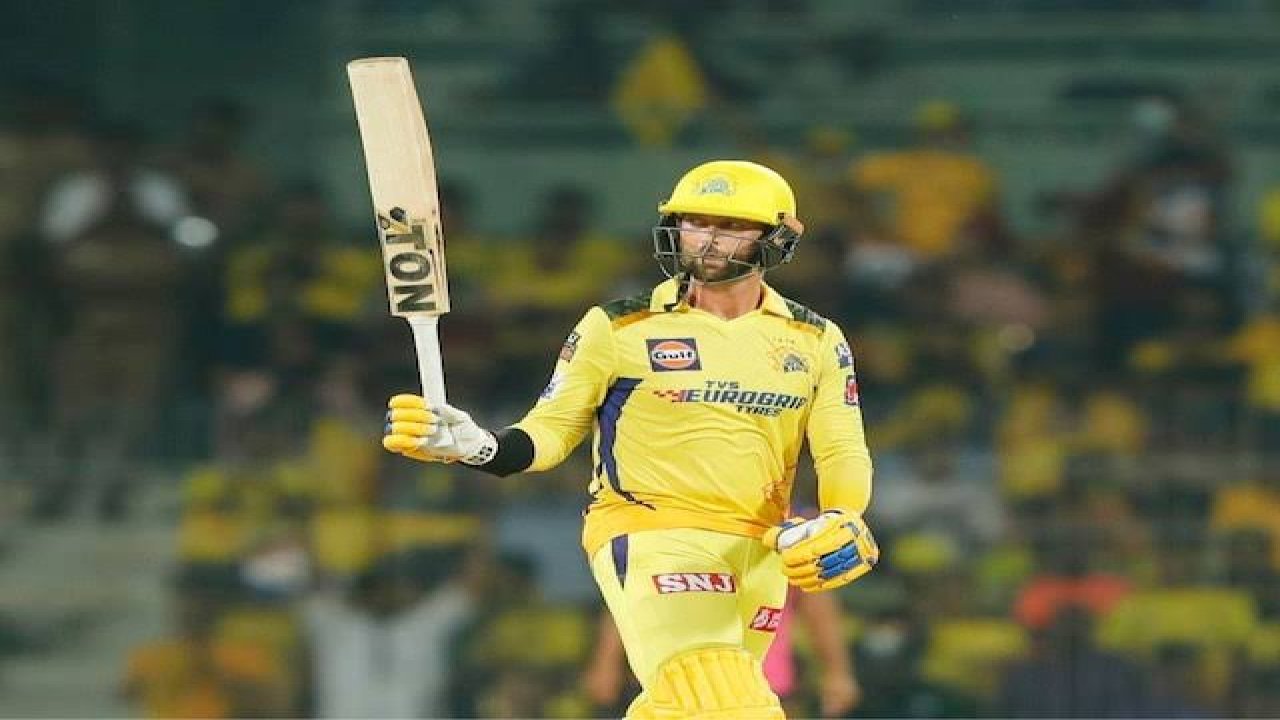
Devon Conway settles IPL vs PSL debate once and for all
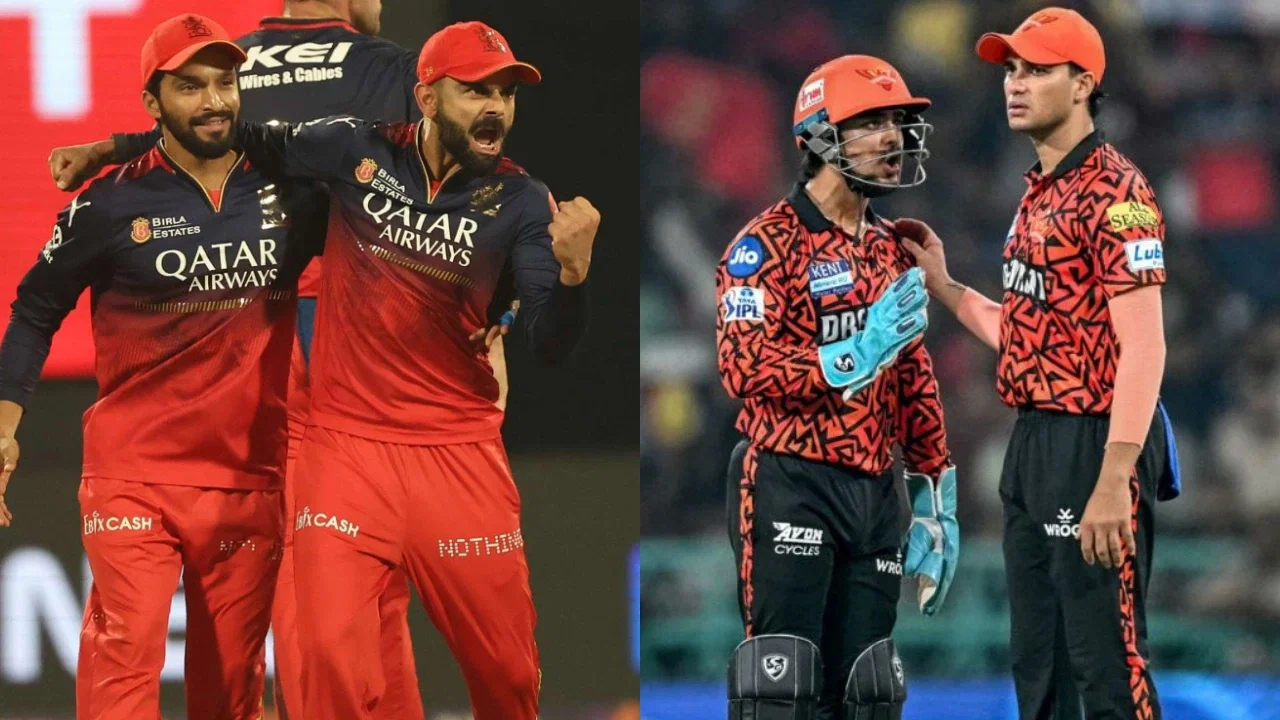
Ex-CSK star’s shocking claim on RCB vs SRH match ahead of IPL 2026
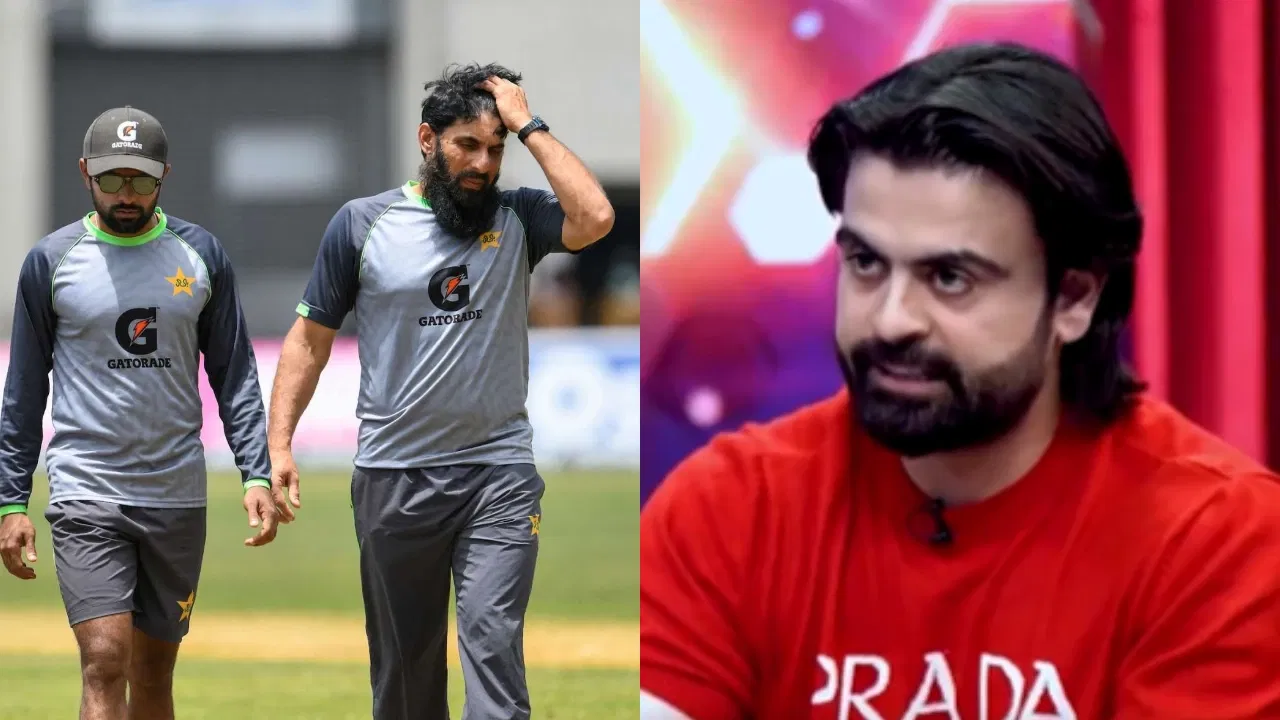
Misbah-ul-Haq takes legal action against Ahmed Shehzad over defamation claims
Naseem Shah charged with central contract violation during PSL 2026
MS Dhoni out of IPL 2026, has not recovered from calf strain
Jasprit Bumrah set to lead MI attack in blockbuster IPL 2026 clash vs KKR