Axar Patel at no. 3? Former Indian batter questions mindless decision of Gautam Gambhir
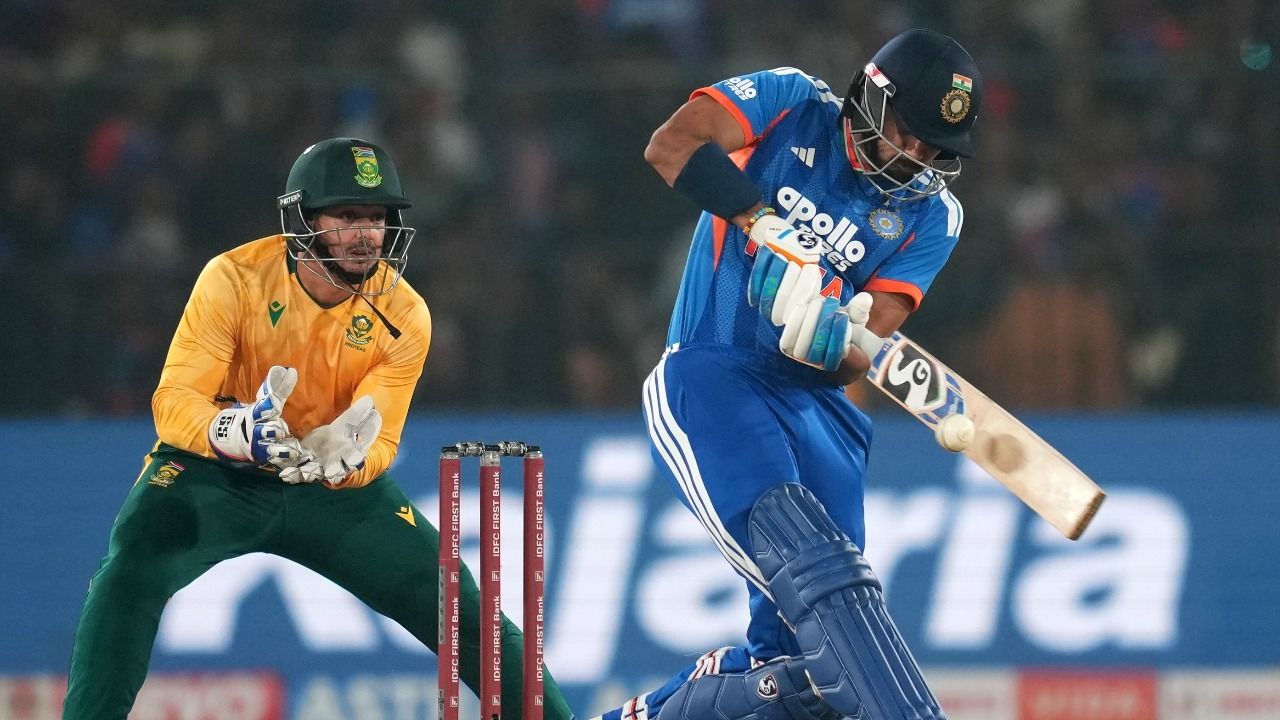
India Faces Setback in Second T20I Against South Africa
As India geared up to take on South Africa in the second T20I in New Chandigarh, they faced a tough challenge with a massive target set by the Proteas. The Indian team’s head coach made a bold move by promoting Axar Patel up the batting order, a decision that backfired during the chase.
Unconventional Strategy Raises Questions
Following their dominant victory in the first T20I in Cuttack, India entered the second match without making any changes to their playing XI. Notably, Kuldeep Yadav was once again left out of the squad. On the other hand, South Africa came into the game with a strong performance, led by Quinton de Kock at the top of the order and Donovan Ferreira finishing the innings in style.
However, the spotlight of the match fell on the controversial decision to send Axar Patel to bat at number three, raised by former cricketer Aakash Chopra. The move was criticized for its timing and lack of alignment with the team’s strategy, ultimately affecting the flow of the innings.
Struggles in the Chase
As India began the daunting task of chasing 214 runs, they faced an early setback with the loss of Shubman Gill. Gambhir’s decision to promote Axar Patel further complicated the situation, as it disrupted the left-right batting combination and did not play to Patel’s strengths against spinners.
Shivam Dube, another crucial player for the chase, was relegated to a late entry in the batting order, restricting his ability to make a significant impact. Hardik Pandya, who had been a key figure in the previous game, struggled to find his rhythm this time, contributing to India’s difficulties in the chase.
Impact on the Outcome
Ultimately, India’s struggle to maintain a steady scoring rate and utilize the resources effectively led to their downfall in the match. The mismanagement of the batting order and the failure of key players to deliver under pressure highlighted the challenges faced by the team in the second T20I against South Africa.
As they reflect on the missed opportunities and questionable decisions, India will need to regroup and strategize better for the upcoming matches to turn the tide in their favor. With the series hanging in the balance, the pressure is on the Indian team to bounce back stronger and showcase their true potential in the remaining games.
Learning from Setbacks: The Road to Redemption
While the defeat in the second T20I against South Africa was certainly a setback for the Indian team, it also presents an opportunity for introspection and growth. Cricket, like any other sport, is full of uncertainties and surprises, and it is how a team responds to challenges that truly defines their character.
One of the key aspects that the Indian team can focus on in the aftermath of this defeat is the importance of adaptability and flexibility in their approach. While trying out unconventional strategies can sometimes pay off, it is essential to assess the risks and benefits of such decisions carefully. The balance between innovation and sticking to proven methods is crucial in high-stakes matches.
The Art of Prediction in Cricket
Cricket is a game of strategy and prediction, where every decision made on the field can have far-reaching consequences. From selecting the playing XI to setting the field placements, each move is a calculated risk based on the coach’s and captain’s prediction of the game’s trajectory.
However, as the second T20I demonstrated, even the best-laid plans can go awry. The unpredictability of cricket is what makes it such a thrilling sport, with momentum swinging back and forth throughout a match. It is in these moments of uncertainty that a team’s resilience and ability to adapt shine through.
Building on Strengths and Addressing Weaknesses
As India prepares for the upcoming matches in the series, they have an opportunity to regroup, reassess their strategies, and play to their strengths. Identifying key areas of improvement, such as better utilization of resources, effective communication on the field, and maintaining composure under pressure, can help the team perform at their best in the crucial moments.
Individual players, too, will need to reflect on their performances and identify areas where they can make a greater impact. Whether it is improving their batting technique, honing their bowling skills, or enhancing their fielding abilities, each player plays a vital role in the team’s success.
The Power of Resilience
In the face of adversity, resilience becomes a team’s greatest asset. How they bounce back from a defeat, learn from their mistakes, and come back stronger in the next match is what sets them apart as champions. The Indian team has shown time and again that they have the talent and the determination to overcome challenges and emerge victorious.
As they prepare to take on South Africa once again, all eyes will be on how India responds to the defeat in the second T20I. With the series finely poised, it is a test of their character, their skills, and their ability to predict and adapt to the ever-changing dynamics of the game.
While setbacks are a natural part of any sporting journey, it is how a team rises above them that truly defines their legacy. The Indian team has the talent, the experience, and the support of millions of fans behind them. It is now up to them to turn the tide in their favor and write a new chapter of success in the series against South Africa.
Latest News

Mumbai Indians suffer blow! Mitchell Santner, Will Jacks ruled out of IPL 2026 games
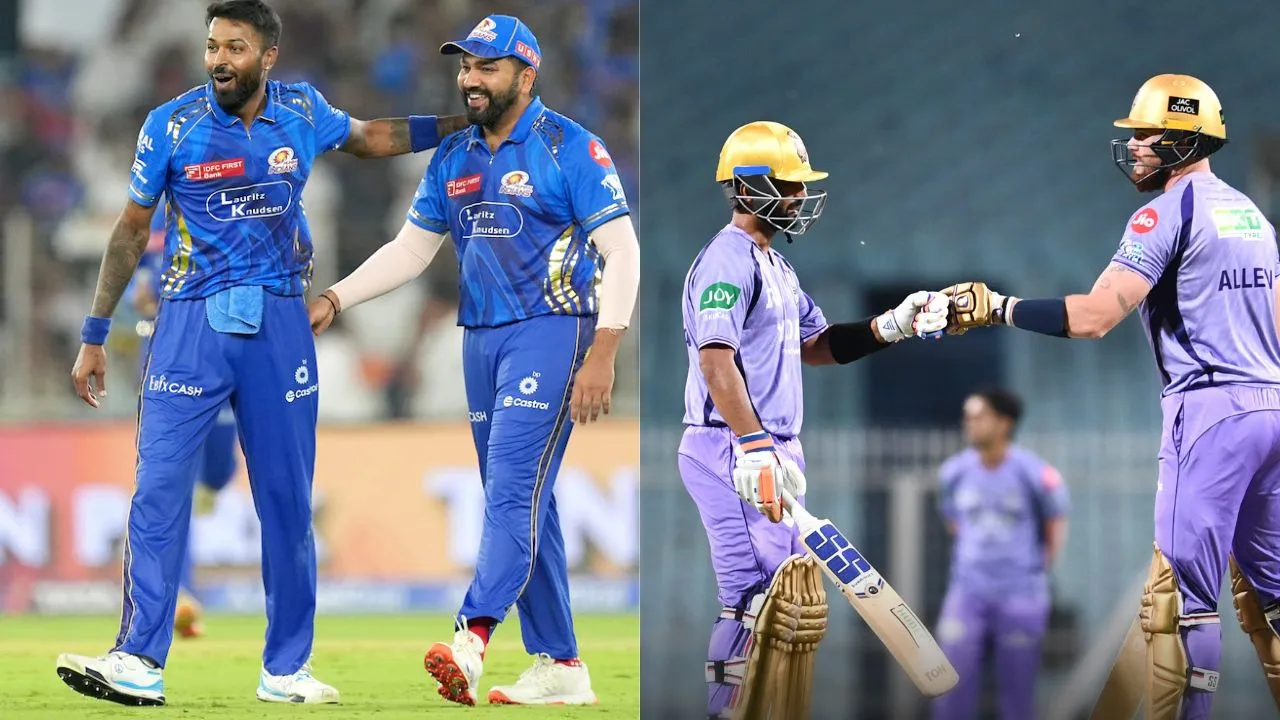
MI vs KKR Match Prediction – Who Will Win Match No.2? | IPL 2026
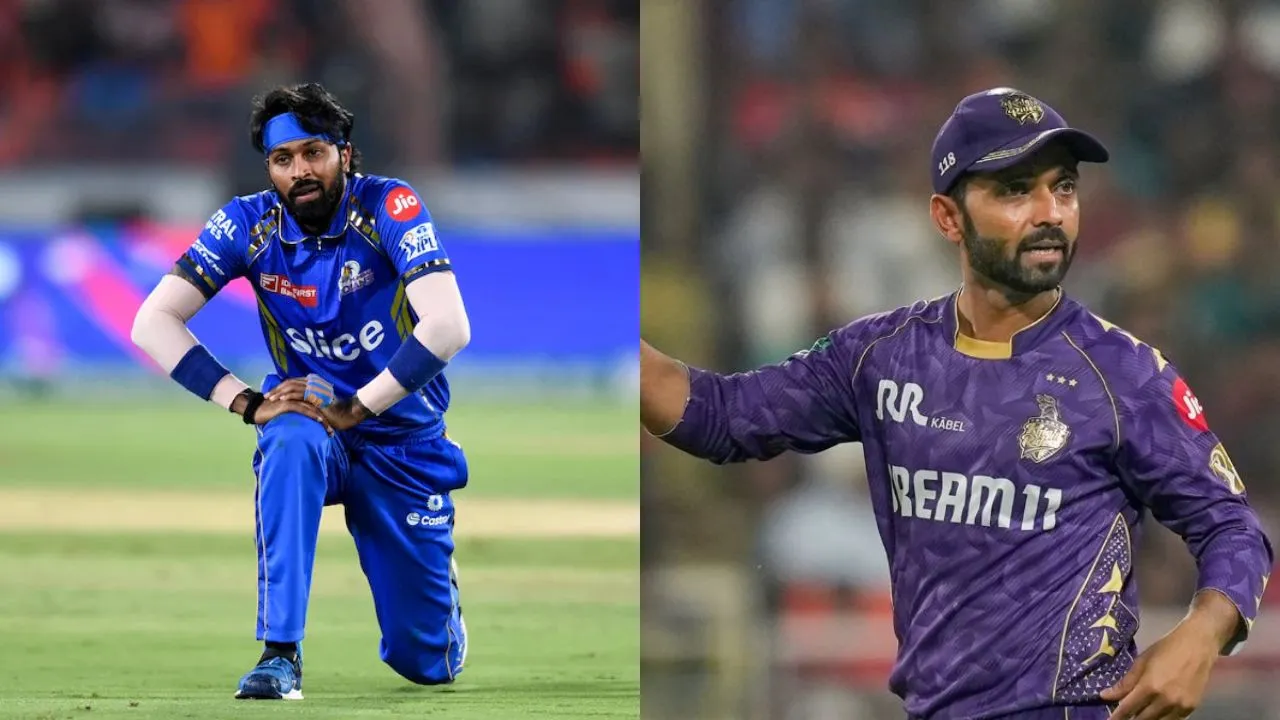
Mumbai Indians Playing XI vs Kolkata Knight Riders Playing XI- Match No. 2 | IPL 2026
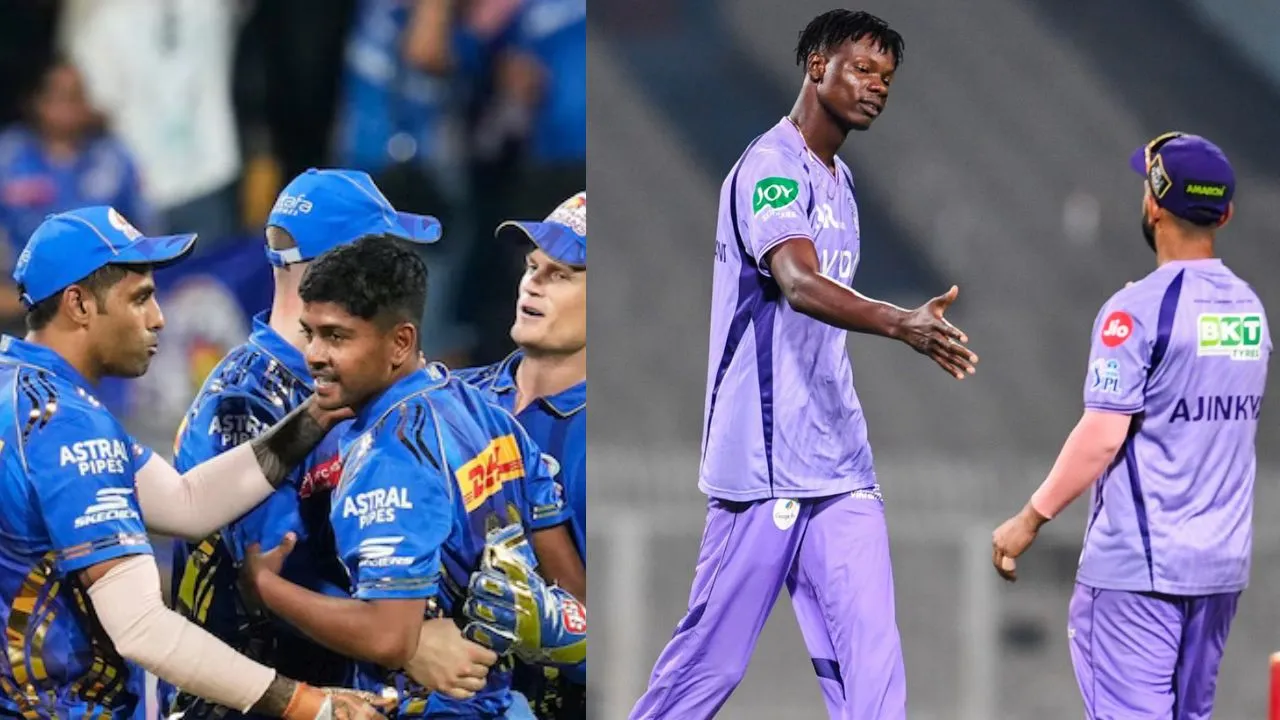
MI vs KKR Match 2 Preview: Free Live Streaming, Pitch & Weather Report, Head-to-Head | IPL 2026
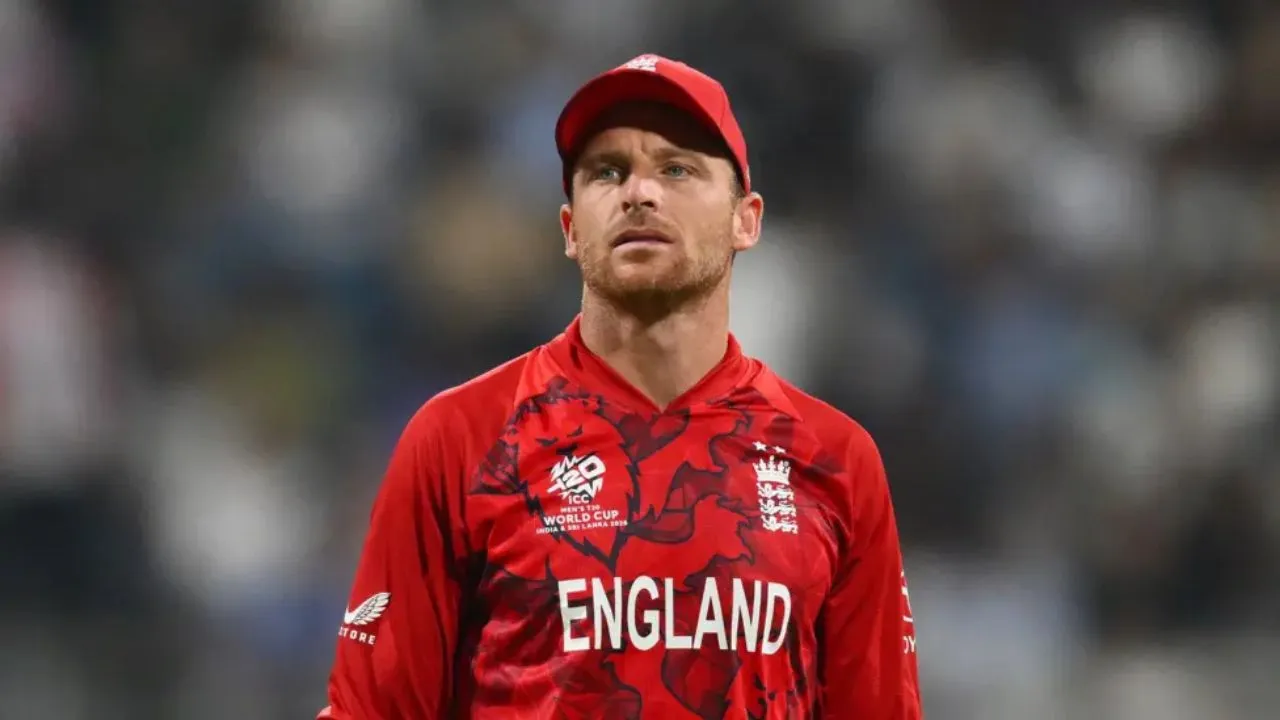
Not English cricket! Jos Buttler credits IPL for his success as a cricketer
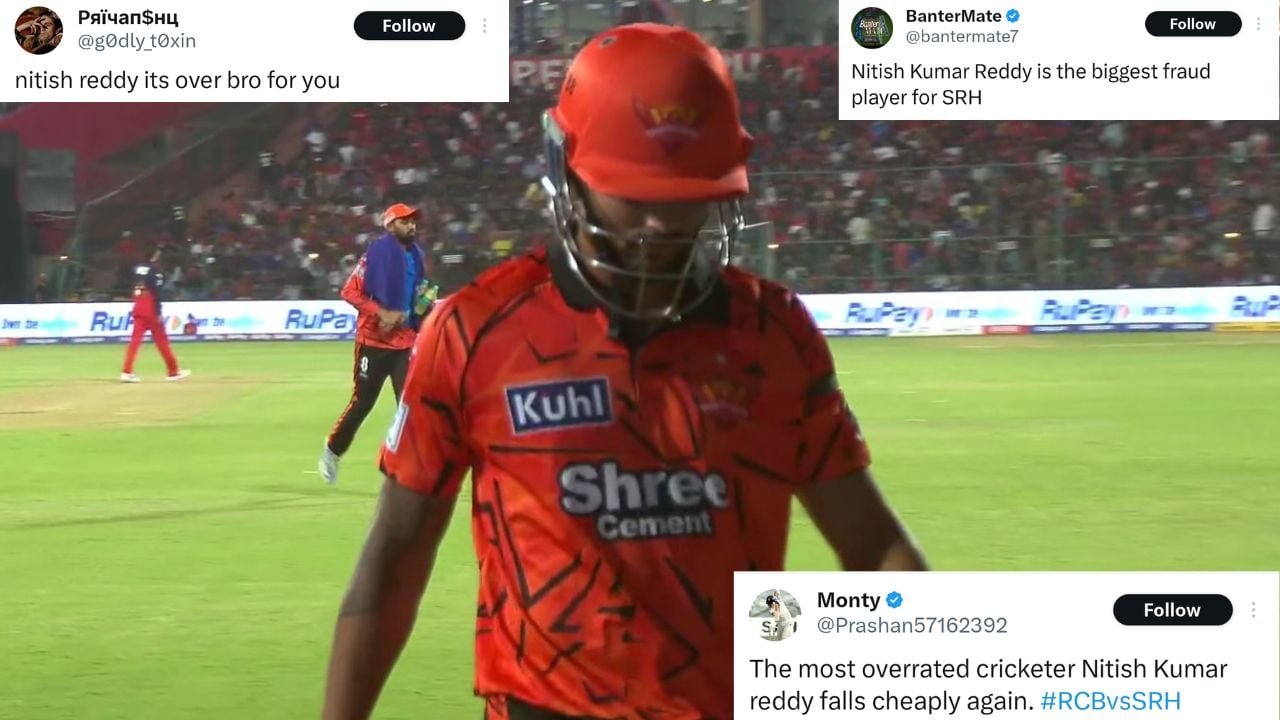
“Nitish Kumar Reddy is biggest fraud”: Fans fume as SRH star fails vs RCB in IPL 2026 opener
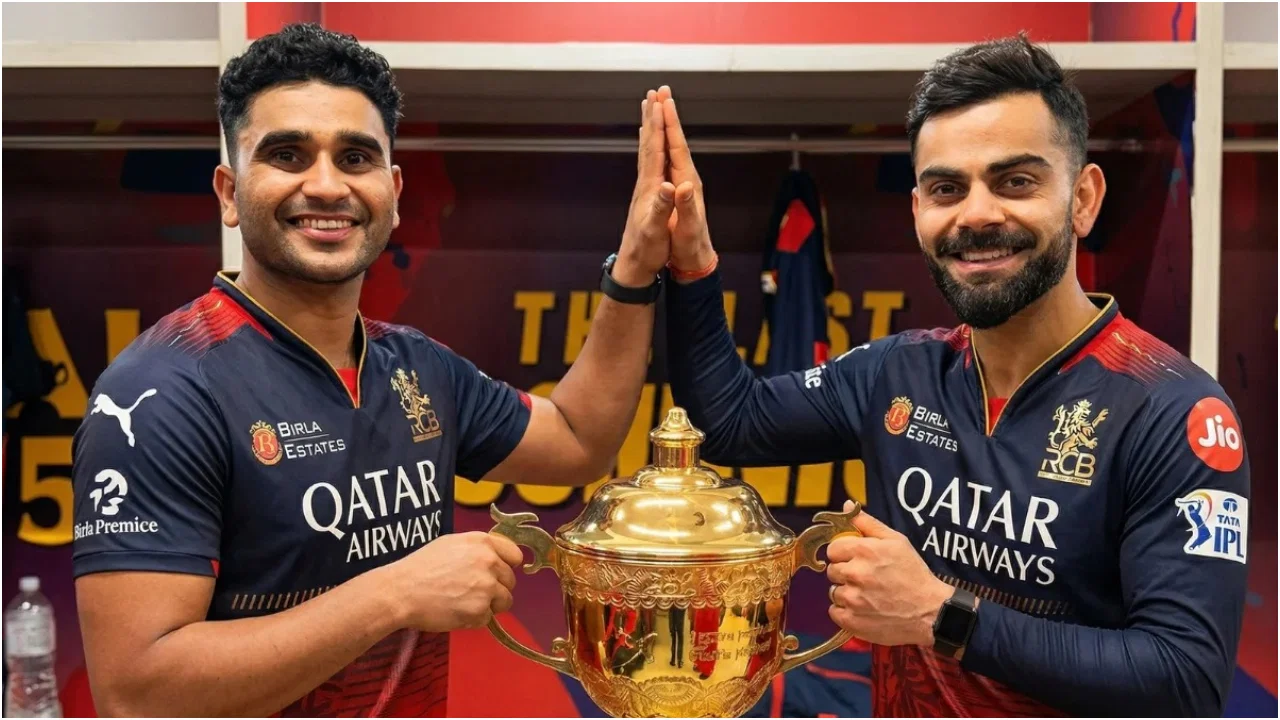
Who is Abhinandan Singh? The Virat Kohli troublemaker who made his IPL debut for RCB vs SRH
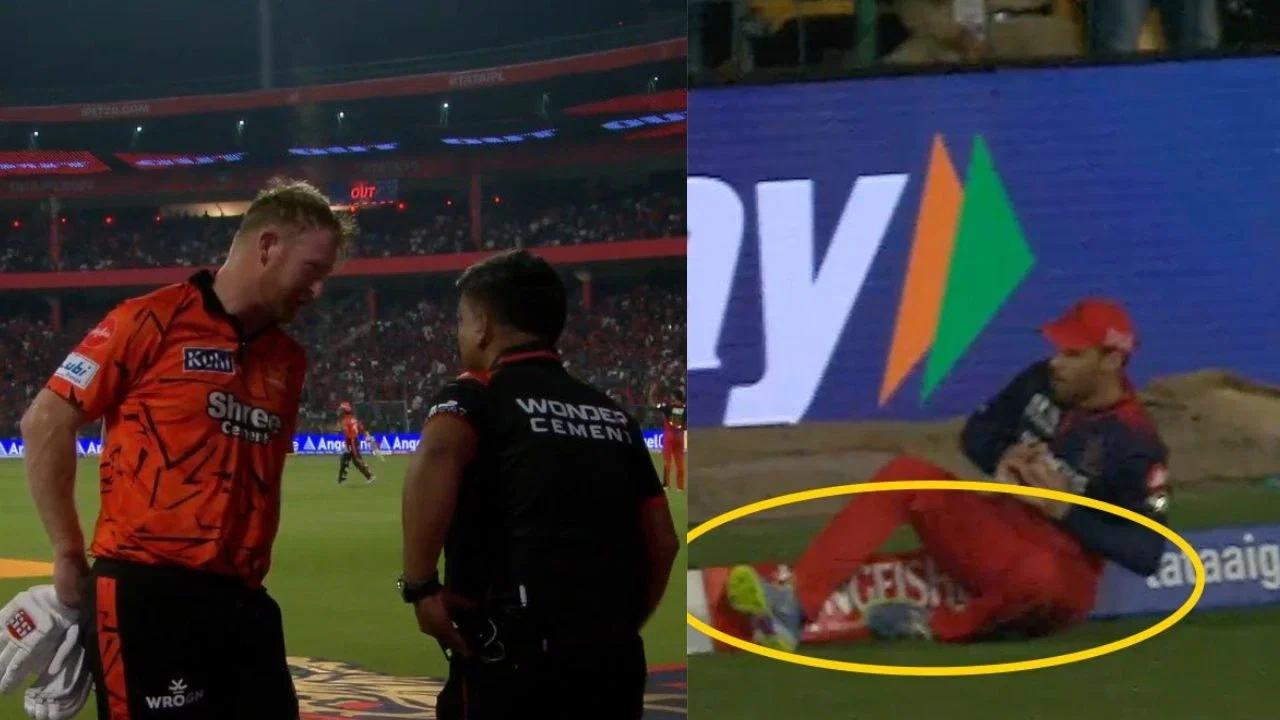
Heinrich Klaasen engages in heated chat with 4th umpire after Phil Salt’s controversial catch in IPL 2026
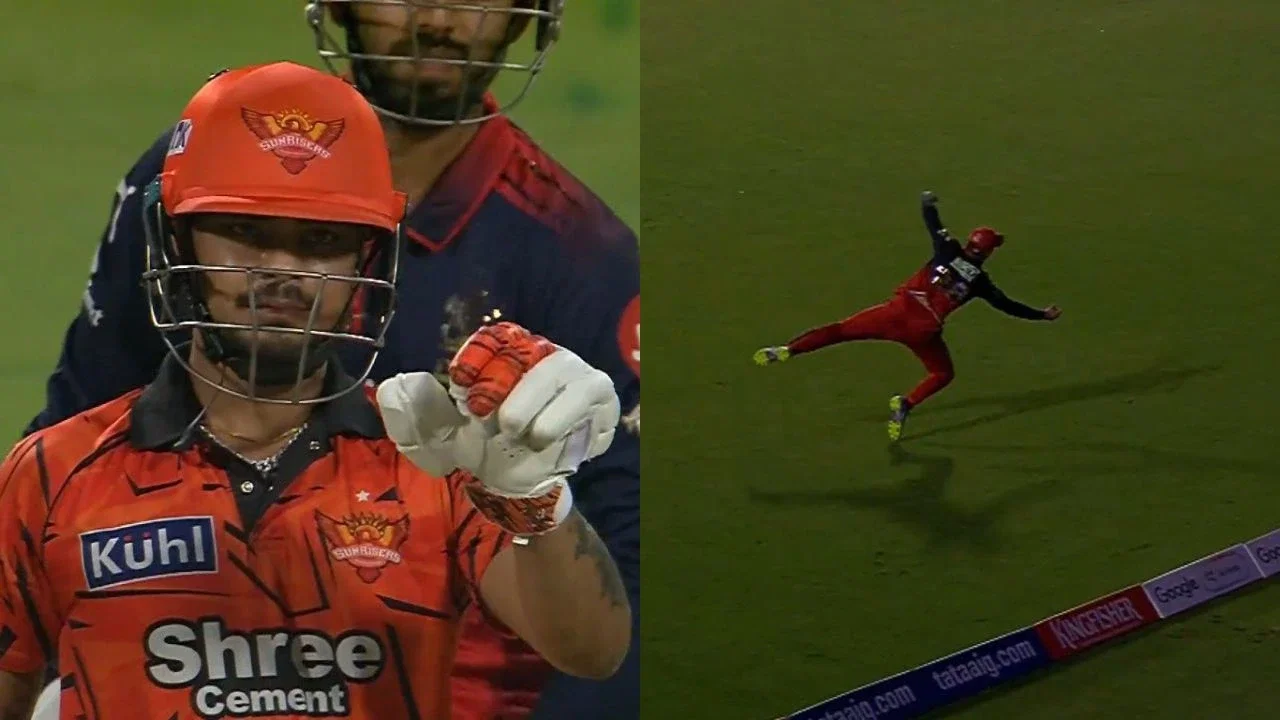
Phil Salt grabs one of the greatest catches in IPL history to dismiss Ishan Kishan
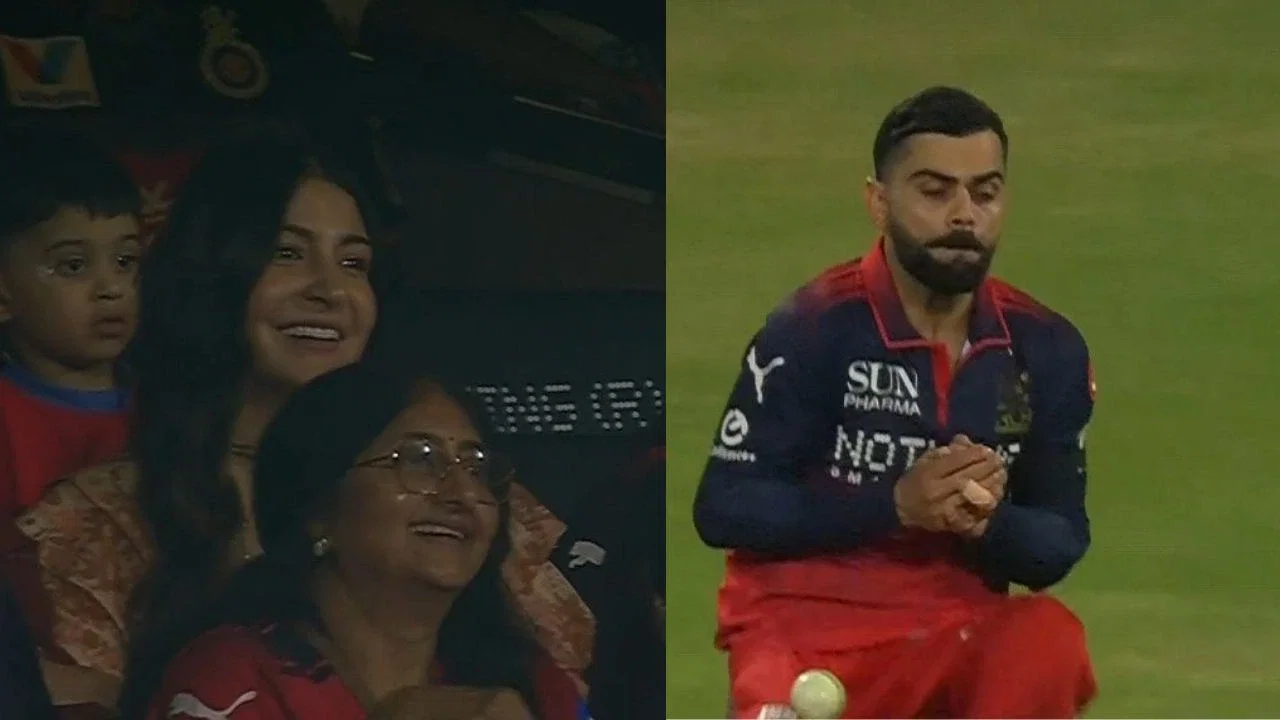
Anushka Sharma laughs as Virat Kohli drops a sitter in RCB vs SRH clash (Watch Video)
Anushka Sharma laughs as Virat Kohli drops a sitter in RCB vs SRH clash (Watch Video)
Anushka Sharma laughs as Virat Kohli drops a sitter in RCB vs SRH clash (Watch Video)
Anushka Sharma laughs as Virat Kohli drops a sitter in RCB vs SRH clash (Watch Video)
Anushka Sharma laughs as Virat Kohli drops a sitter in RCB vs SRH clash (Watch Video)